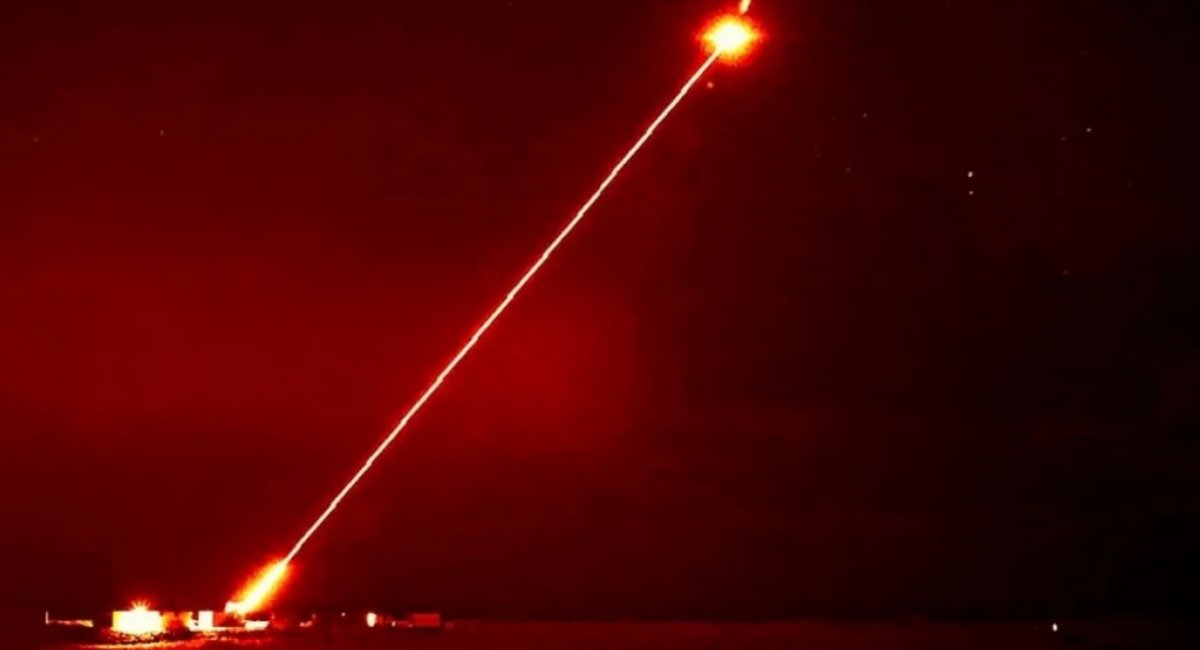
The United Kingdom has taken a major step toward deploying next-generation air defense systems by ordering the DragonFire combat lasers from MBDA under a £316 million (approximately $414 million) contract. The decision follows a successful test in which the laser intercepted a high-speed drone traveling faster than the jet-powered Shahed-238 system, signaling a breakthrough in defensive technology. With this order, Britain has formally moved from development to production, planning to equip its Type 45 destroyers with the system.
According to official statements, the first operational lasers are expected to be delivered in 2027, aligning with previously announced timelines. However, British officials noted that the deployment schedule is arriving five years earlier than originally expected, raising questions about what accelerated the program, whether technological maturity, strategic urgency, or the growing threat from fast, low-cost unmanned systems.
Read more: Will Rafale Jets Fit into Ukraine's Soviet-Era Shelters, and How Much Will New Ones Cost?
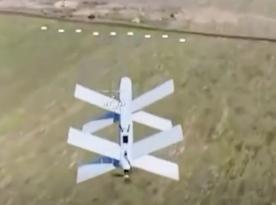
The test itself was carried out at the Hebrides Range, where the DragonFire system successfully destroyed a high-speed drone reportedly flying at up to 650 km/h. That velocity exceeds the top speed of russia's Shahed-238 jet-powered system, which reaches around 550-600 km/h. Although the type of target drone remains classified, the disclosed performance demonstrates that the UK now fields a weapon capable of engaging some of the fastest one-way attack UAVs currently used in modern warfare.
For Ukraine, this capability is particularly relevant. The UK previously hinted that laser systems could be supplied to assist in countering russian drone attacks, yet no official updates have followed. With russia increasingly employing high-speed Shahed variants and glide bombs, a laser system offering instantaneous engagement and deep ammunition reserves could significantly strengthen Ukraine's short-range air defenses. Whether the DragonFire exports will materialize remains unclear.
The exact operational range of the system has not been disclosed. British officials describe it as a "line-of-sight engagement system" capable of hitting a one-pound coin at a distance of one kilometer. This suggests a highly precise beam weapon optimized for engagements at short to medium distances, likely within a few kilometers, similar to other modern directed-energy systems.
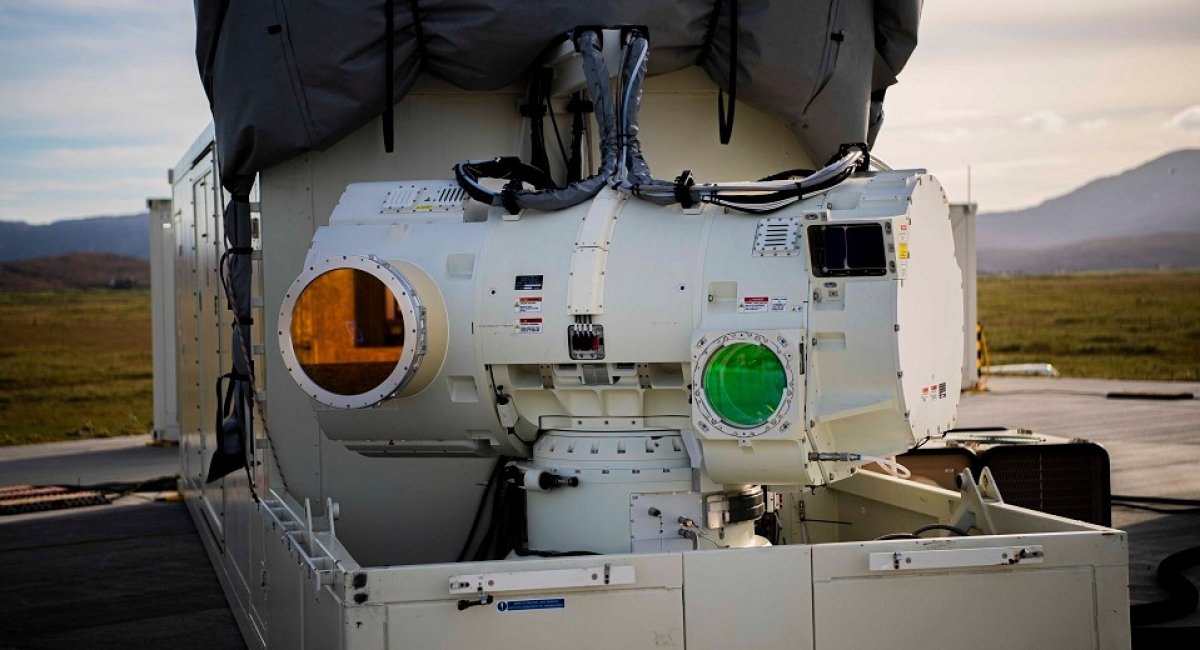
A major selling point of the DragonFire program is its extremely low cost per shot, estimated at only £10 (roughly $13). This makes it cheaper than anti-drone munitions, cheaper than artillery, and dramatically cheaper than using traditional surface-to-air missiles. However, the system itself carries a significant price tag: around £120 million per unit, with potential operational costs that may reach tens of millions annually. Over a planned 20-year service life, the economics may prove more complex than the per-shot figure suggests.
One advantage of installing DragonFire laser on Type 45 destroyers is the availability of stable power supplies and ample space, two of the biggest challenges for land-based laser defenses. Naval installation also expands the laser's potential role in protecting carrier strike groups and maritime supply routes, where cheap UAVs and loitering munitions are becoming increasingly common.
However, laser weapons remain heavily dependent on environmental conditions. Performance can degrade in fog, rain, sea spray, or atmospheric turbulence, factors difficult to avoid in open-ocean operations.
Read more: UK Refuses to Provide or Sell MQ-9A Reaper to Ukraine — Here's Why It Makes Sense