


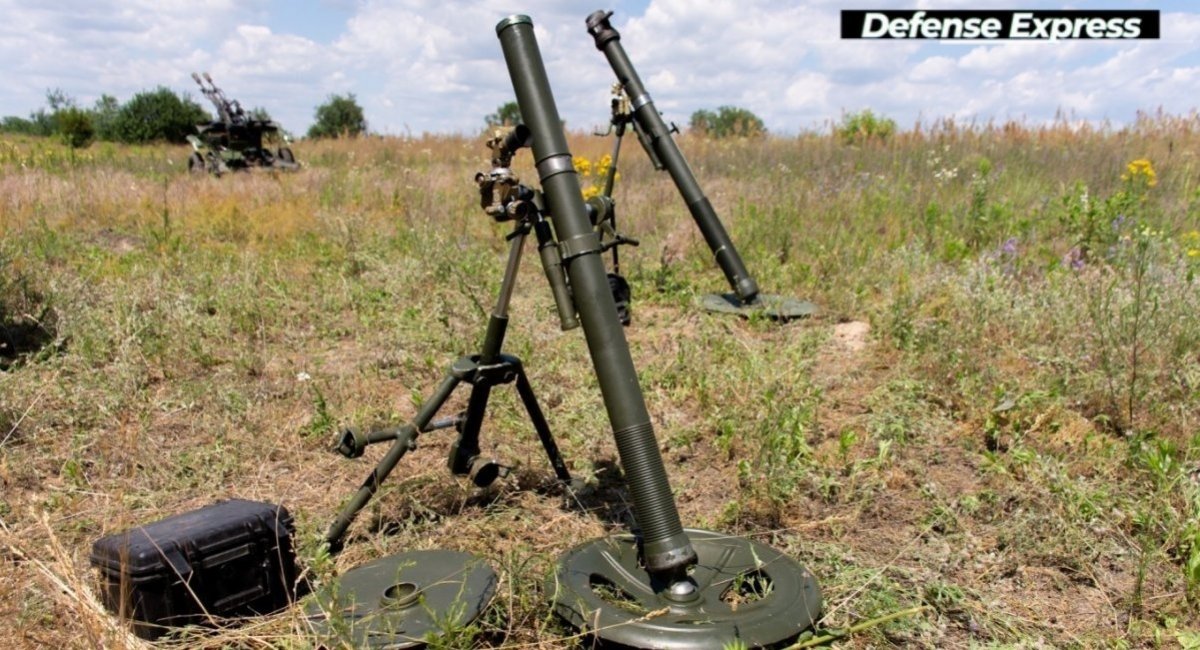
Sometimes we at Defense Express notice that production of mortars is generally perceived as a technologically simple process that can be done literally at one's garage. However, in reality, this task is a bit more complicated and can be obstructed by the most unexpected of barriers. And those can be obstructive enough to prevent Ukraine from reaching a 100% localization of mortar production within the country, at least in the near future.
The point finds confirmation in practical problems Ukrainian manufacturers encounter on a daily basis, some of them shared with us by Illia Sikan, deputy of the foreign cooperation and procurement department at Ukrainian Armor LLC, during an interview jointly hosted by Espreso.TV and Defense Express.
Read more: Ukrainians Hit Rare russian 2S34 Hosta Self-Propelled Mortar System Near Avdiivka
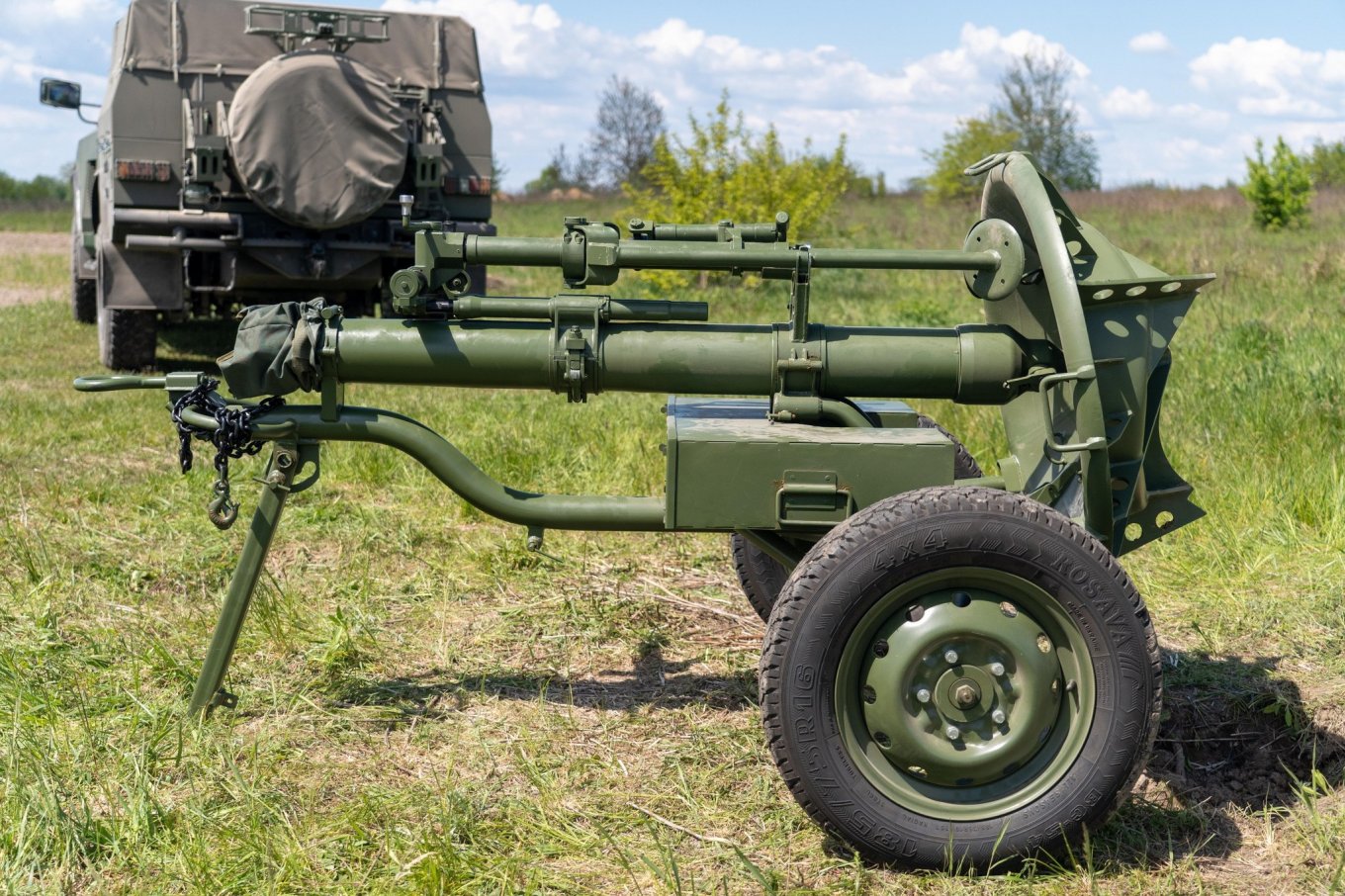
But before we get to these challenges, let's point out that according to public data, the Ukrainian Armor company has supplied over a thousand mortars in calibers 120mm, 86mm, and 60mm during the full-scale armed invasion of russia into Ukraine.
That is, worth noting, the number of weapons produced after the enterprise had to re-establish supply routes after losing its premises in the eastern part of Ukraine, now occupied by russians; and considering that before the russian offensive, the same company was only ordered about a hundred mortars a year. In other words, this manufacturer has experience in scaling up production in wartime and is currently a mass producer of mortar systems.
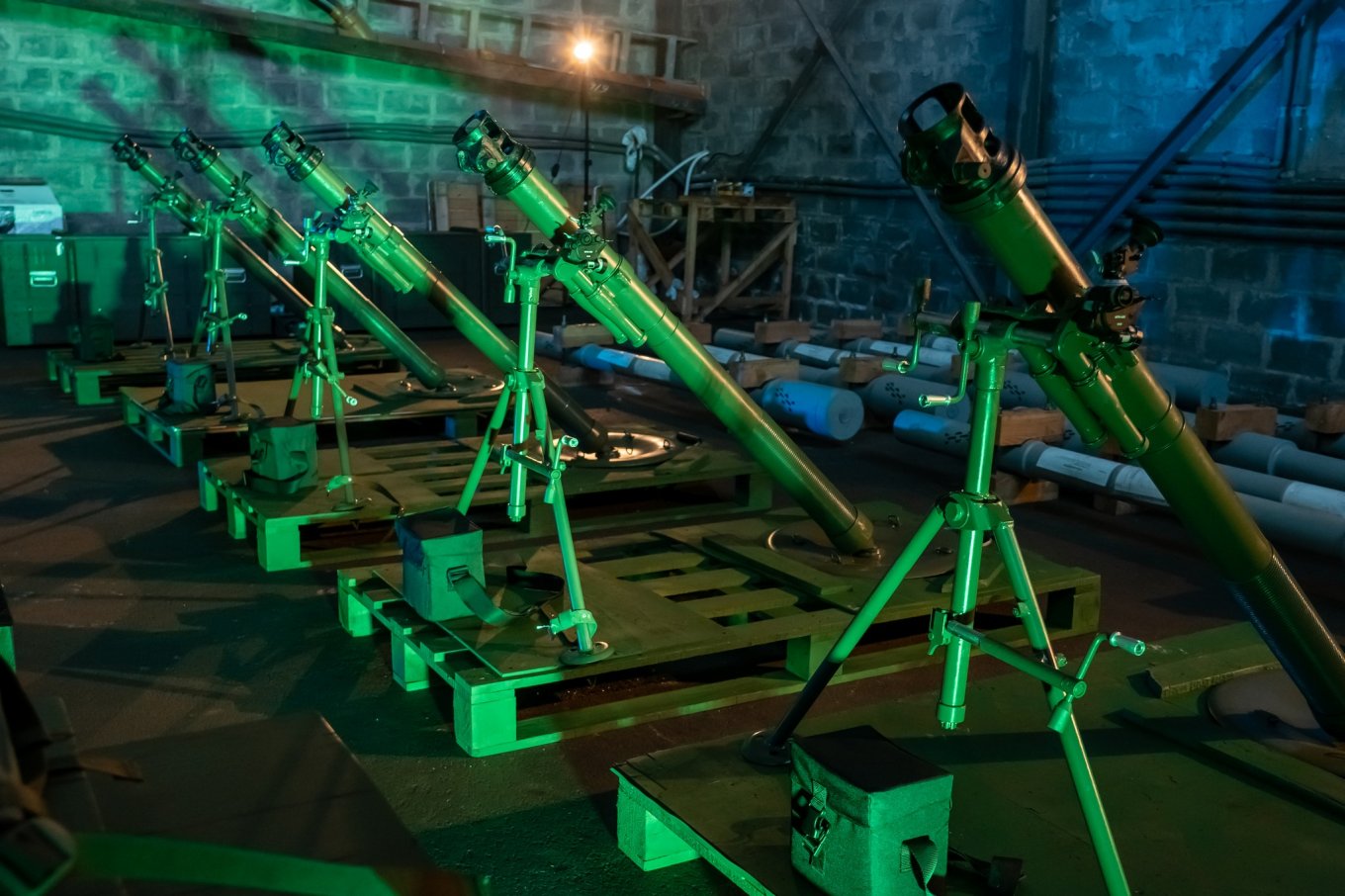
Illia Sikan said, Ukrainian Armor LLC is mostly commissioned 120mm mortars at this point, even though other calibers are sometimes in demand, too. The 120mm systems, despite being so popular, are actually the most difficult to produce, as they require some intricate components and details.
These parts are made by local contractors, however, the optics still need to be imported, remaining the main bottleneck of the production process.
As for the ammunition for those mortars, the powder is a problem. Ukraine has no domestic powder making, therefore closing the full cycle of shell manufacture in Ukraine is not possible, Sikan stated. On a bitter note, he said powder plants, which used to operate in Ukraine, stopped because of the lack of demand back in the day.
Now, as domestic arms production has become an issue of preserving Ukraine's existence and independence, maximum localization of any weapon should be the aim for the country looking into the future, the expert emphasized.
Read more: North Korea–russia Ammunition Supply Routes and Main Depots Analyzed