


russian industry-focused media report another leadership change at the Tupolev aircraft design and manufacturing company. The 76-year-old chief executive Aleksandr Bobryshev has been replaced by 37-year-old Yuri Ambrosimov, previously Deputy Managing Director for Economics and Finance. Notably, this management shift comes just one year after a previous round of кадрові ротації carried out in 2024.
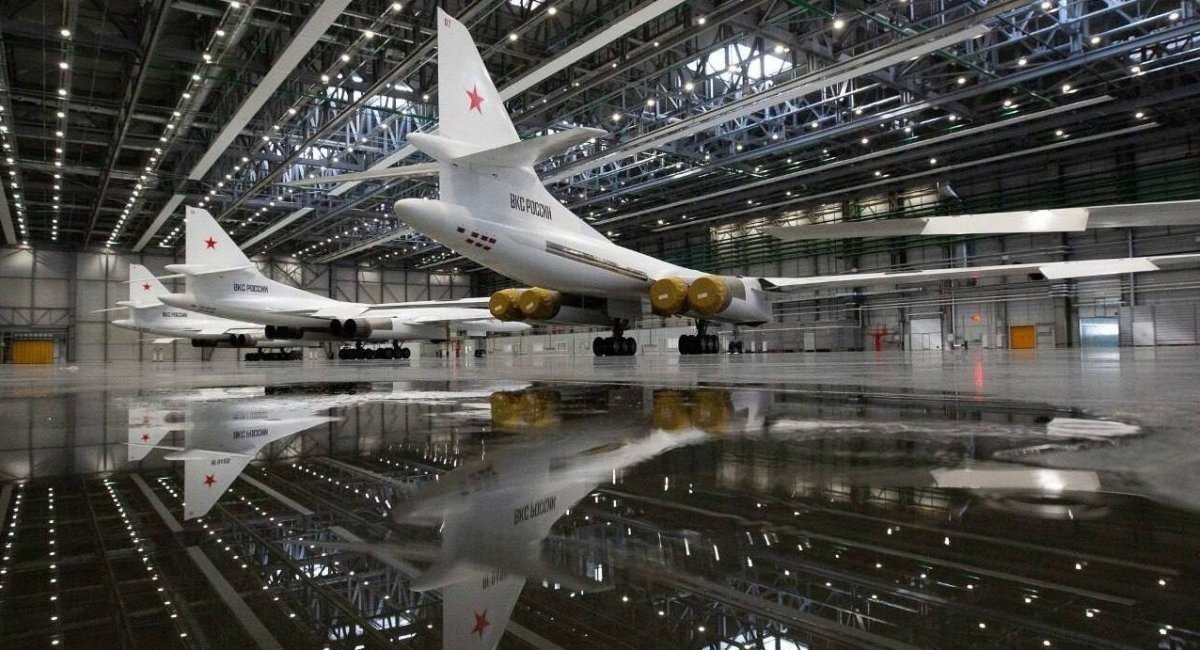
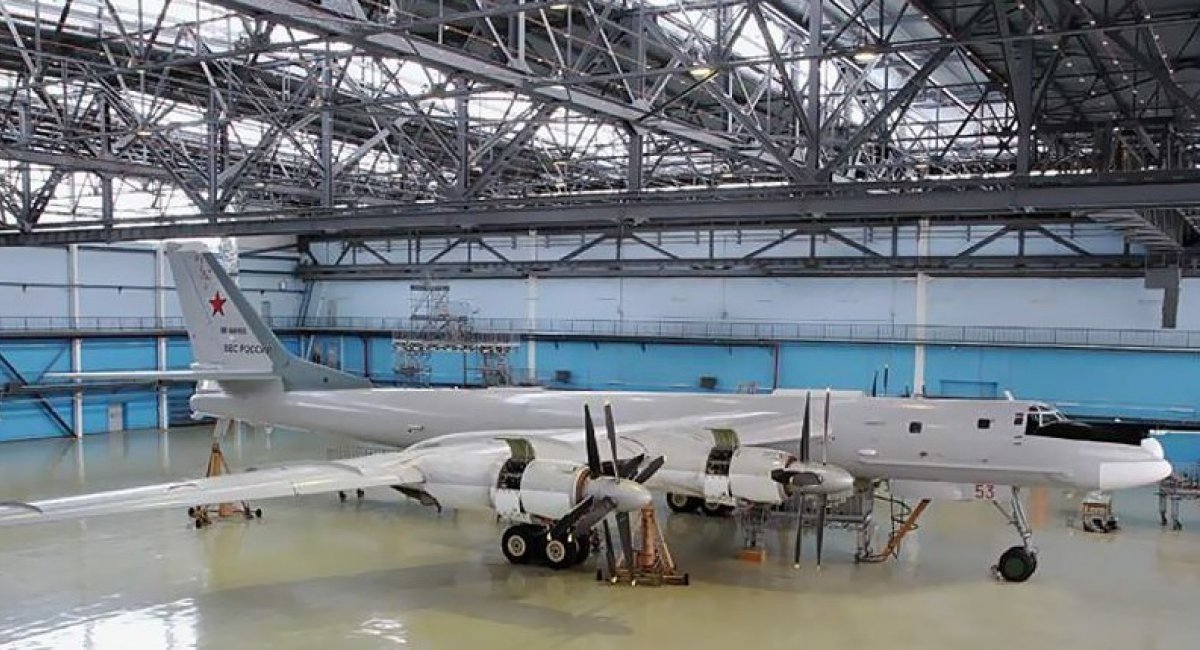
This development is particularly noteworthy given Tupolev's role as the manufacturer of russia's strategic bombers, including the Tu-22M3 and Tu-160, as well as the developer of the Tu-95MS. In addition, the company produces Tu-214 passenger aircraft, which have potential dual-use applications—especially amid recurring calls by russian propagandists to convert these airliners into missile carriers for Kh-101 and Kh-22 cruise missiles.
Read more: RUSI Reveals How russia Boosted Its Su-34 and Tu-95MS Strike Power Over Four Years of War
What Complaints Have Accumulated Against Tupolev?
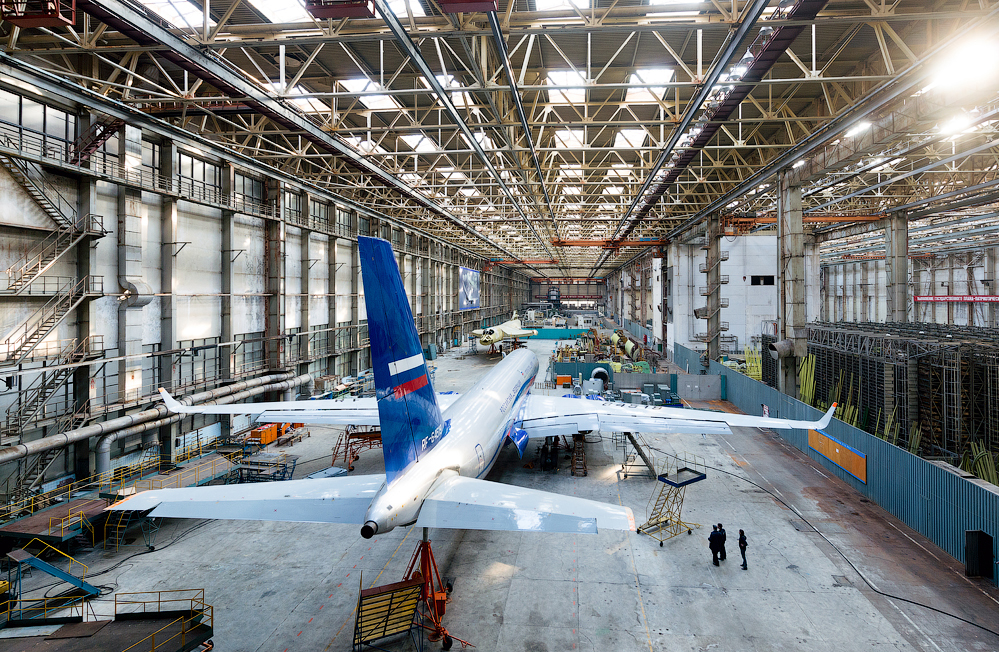
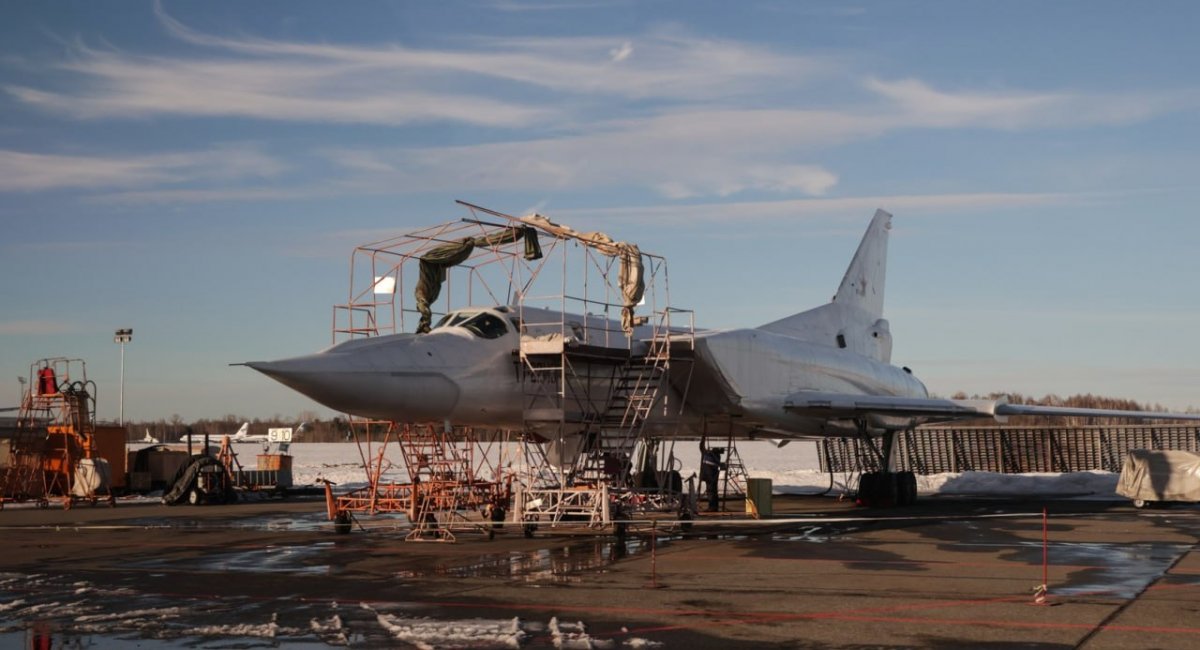
Tupolev's core industrial asset is the Kazan Aircraft Plant (KAP). This facility is responsible for producing Tu-214 aircraft, assembling Tu-160M bombers from Soviet-era airframes under the so-called "reproduction" program, and modernizing Tu-22M3 bombers to the Tu-22M3M standard.
One of the key factors reportedly behind the latest leadership change is a growing number of legal claims filed by russia's Ministry of Defense for failure to fulfill defense contracts. In May 2025, a Moscow arbitration court ruled in favor of the Ministry of Defense and ordered Tupolev to pay 3 billion rubles under a lawsuit filed in the summer of 2024. Earlier, in June 2024, the russian military had submitted an additional claim worth 0.9 billion rubles.
Another major issue involves Tupolev's failure to meet Tu-214 production contracts, including those signed with civilian customers. These shortcomings have also resulted in court disputes. For example, russia's Tatneft is seeking to recover 6.2 billion rubles from Tupolev for undelivered Tu-214 aircraft.
How Much Do russia's Strategic Bombers Cost?
Examining these claims provides some insight into the scale of the problem. The combined 3.9 billion rubles claimed by the Ministry of Defense likely corresponds to unfulfilled maintenance or modernization work related to strategic aviation assets.
According to open-source data, the cost of a single Tu-160M strategic bomber is estimated at approximately 15–16 billion rubles. The overhaul or modernization of a Tu-95MS bomber costs between 3.77 and 5.3 billion rubles, depending on the scope of work and the facility involved. In this context, the total amount claimed by the russian military would, at best, cover the refurbishment of just one Tu-95MS.
However, the Ministry of Defense's grievances may be far more serious. In 2025, russia's strategic aviation was expected to receive four Tu-160M bombers produced at KAP during 2022–2023. In reality, only two aircraft were delivered to the russian Armed Forces in early 2026, with the reasons for the delay never officially disclosed.
The Tu-22M3M modernization program has also fallen well short of declared targets. To date, only two aircraft have been upgraded, one in 2018 and another in 2023, despite earlier statements by KAP management claiming plans to modernize up to 30 bombers.
Tu-214 production figures look no better. In 2023, three aircraft were planned for delivery, yet none were completed. In 2024, the target was ten aircraft, but only one Tu-214 was actually handed over.
Tu-214 as a "Cover" for Strategic Aviation Production
It is worth noting that references to Tu-214 production at facilities that also manufacture Tu-160 and Tu-22M3 bombers may serve a broader purpose. In practice, civilian aircraft programs can function as a convenient mechanism for masking defense-industrial funding and preserving strategic aviation production capabilities.
Against this backdrop, russia's officially announced Tu-214 production plans should be treated with caution. Even so, the situation in strategic aviation itself leaves little room for optimism. After years of delays, the russian Ministry of Defense has received only two of the four promised Tu-160M bombers.
It is likely that russia's leadership is fully aware of the systemic technological and industrial shortcomings affecting its defense sector. Nevertheless, instead of addressing these structural problems, the Kremlin appears to rely on periodic кадрові перестановки at flagship defense enterprises—using management reshuffles as a palliative rather than a genuine solution.
Ivan Kyrychevskyi, serviceman of the 413th Raid Regiment of the Unmanned Systems Forces of Ukraine and weapons expert at Defense Express.
Read more: Leaked Documents Reveal russian Plans For Tu-95MS, Tu-160, and Tu-22M3 Modernizations, With Numbers and Costs