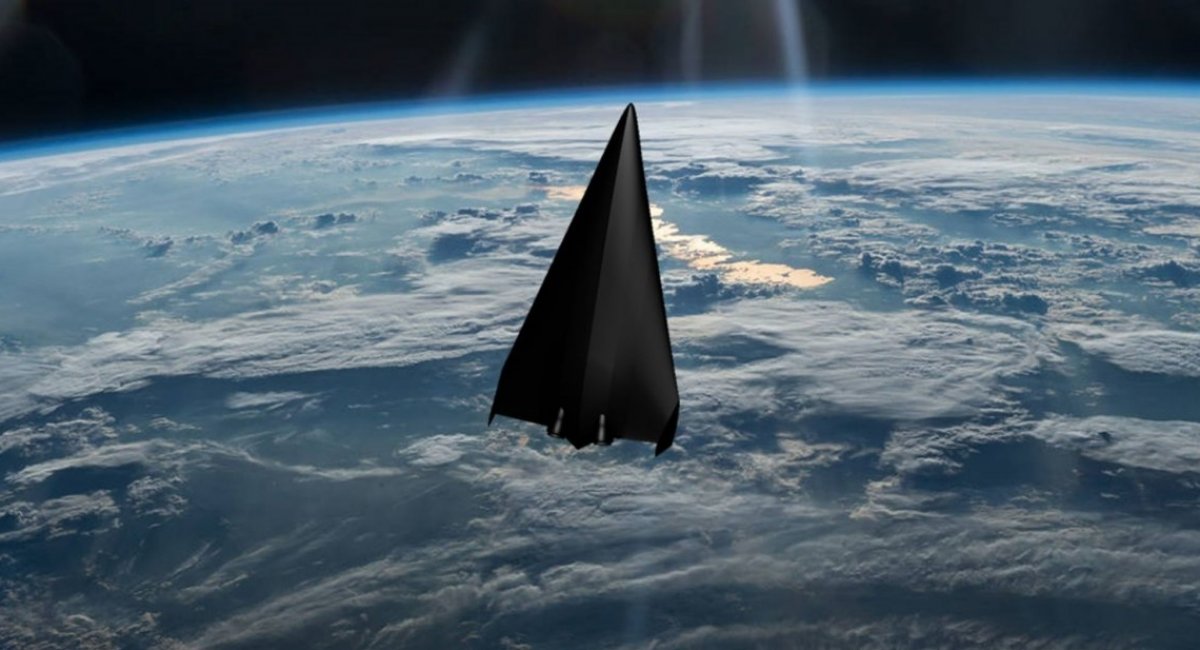
Bundeswehr aims to receive a reusable hypersonic aerospace vehicle fighter-sized by 2027 for conducting defense research, designated HYTEV Hypersonic Test and Experimentation Vehicle.
It's to be created by Bremen startup Polaris Raumflugzeuge, which in February 2025 received a development contract and now must actually build a prototype. Like the previous one, this contract was concluded with BAAINBw Federal Office for Equipment, Information Technology and Technical Support of Bundeswehr.
Read more: Ukraine Confirmed Strike on russian Tor-M2 Air Defense System in Temporarily Occupied Crimea
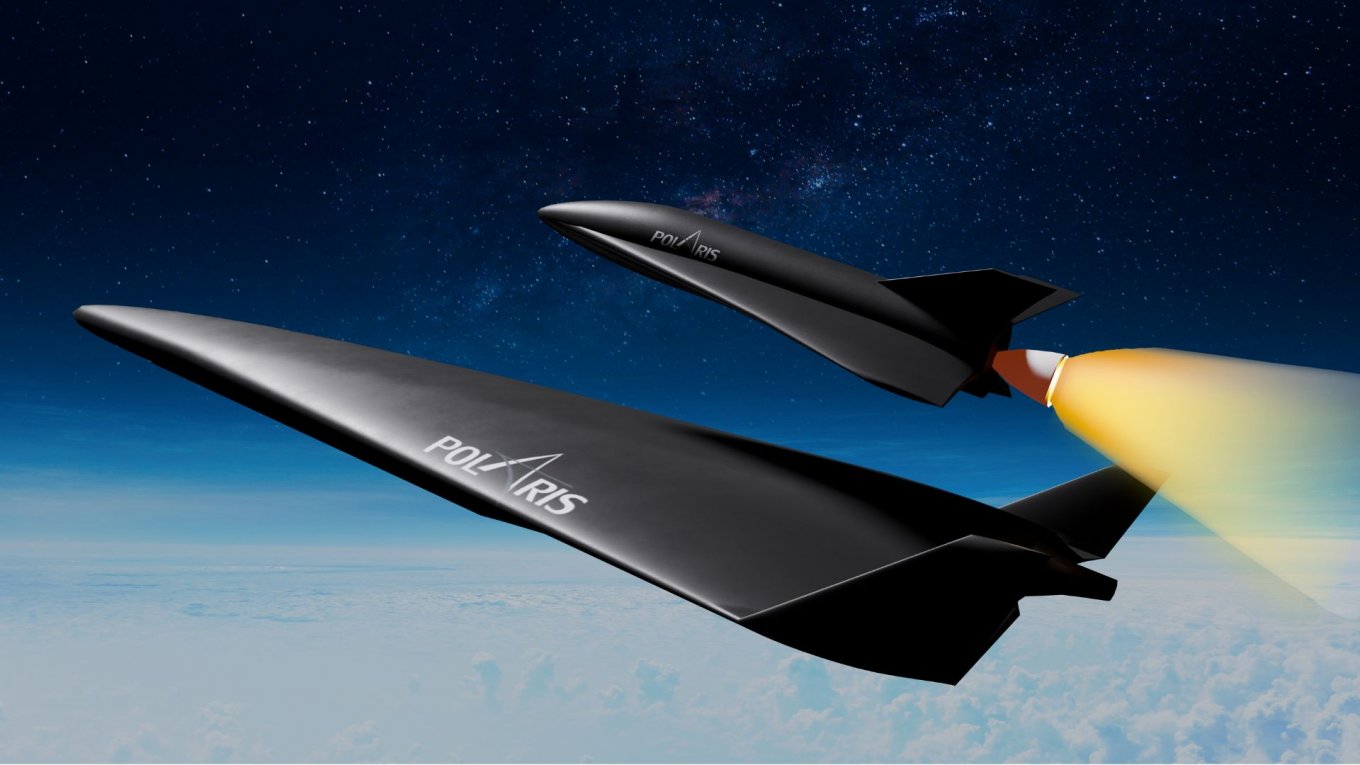
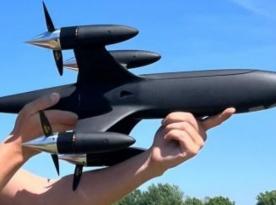
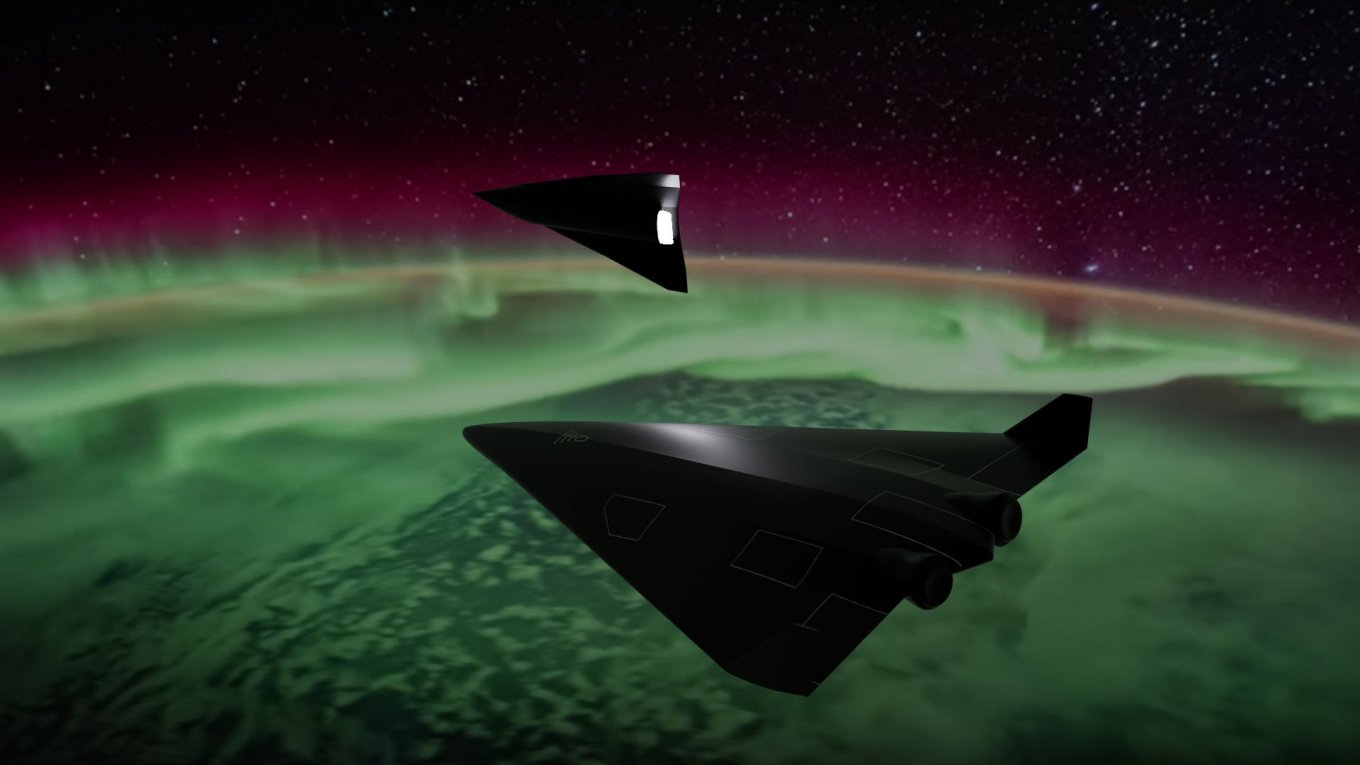
This hypersonic aerospace system should consist of two stages. First stage effectively the carrier will have two turbofan engines plus an Aerospike engine. Second stage will have only liquid rocket engine. A render of this system was also shown.
HYTEV development and creation cost isn't announced. Meanwhile, importantly, previously this aerospace system's appearance timeline shifted from 2028 to completion by end of 2027. This is quite a non-trivial direction of work timeline changes, as usually they only move rightward.
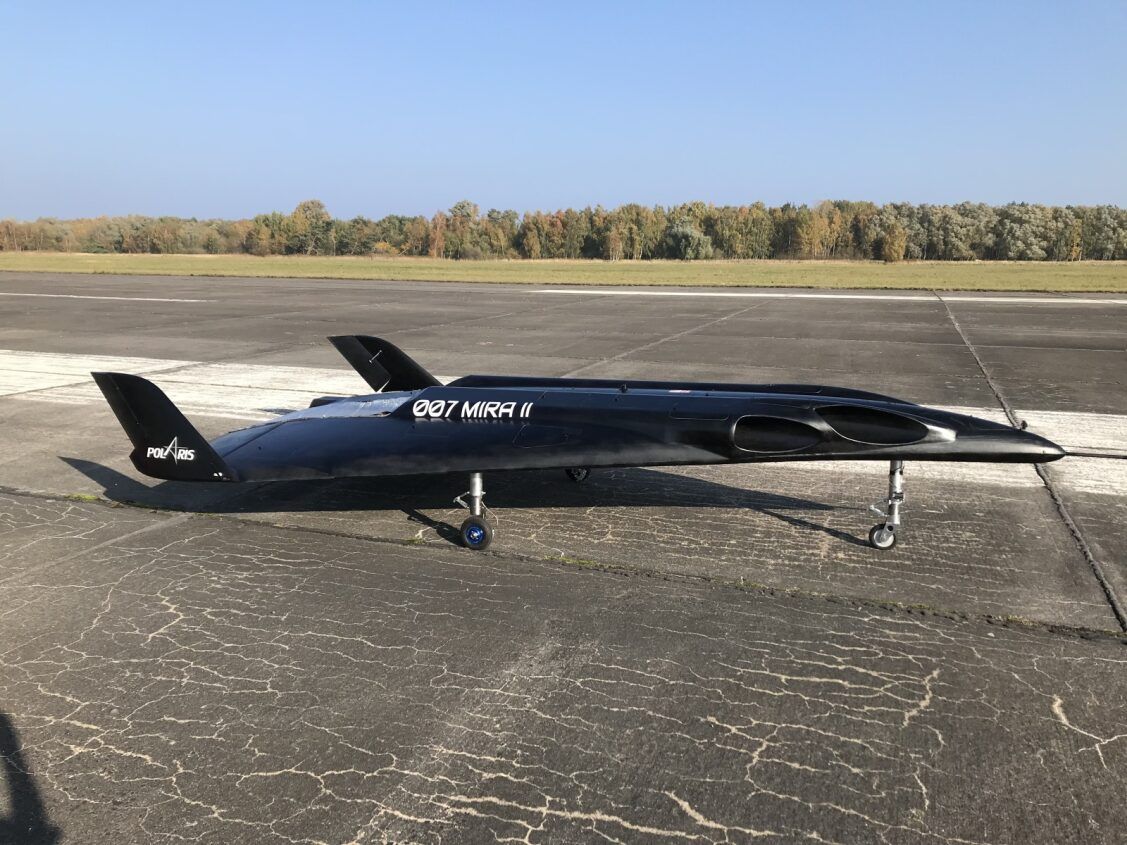
For understanding, HYTEV truly should be fighter-sized, both geometrically and by takeoff weight. First stage will take off aircraft-style, accelerate to hypersonic speeds above Mach 5, and climb into upper atmosphere layers. Upon reaching corresponding flight parameters, a rocket plane will launch from it, capable of placing up to 1,000kg payload into orbit. Both components are reusable and of course unmanned.
In practice, for German armed forces, obtaining such a system will truly be an absolutely new revolutionary leap in capabilities. Because, not counting statements about research already called defensive, we're talking about obtaining a reusable aerospace system capable of operationally placing quite sizeable cargo into orbit on unexpected trajectories.
This is the Kremlin's historical terror from the 1970s when U.S. got Space Shuttle. Back then Moscow was mistakenly convinced it was an orbital bomber capable of diving into atmosphere in one Earth orbit, bombing USSR, and landing in U.S. for reuse. Precisely in response to this, for analogous tasks, combat rocket plane Buran was created.
And if for American Space Shuttle this was mistaken assessment, HYTEV currently looks precisely like such a system. And it will be less noticeable, as its launch doesn't require a spaceport and rockets only a runway. Such capabilities should already have the system prototype appearing in slightly less than two years.
Read more: India's Indigenous LRAshM Hypersonic Missile Uses russian Seeker From Brahmos/Onyx