


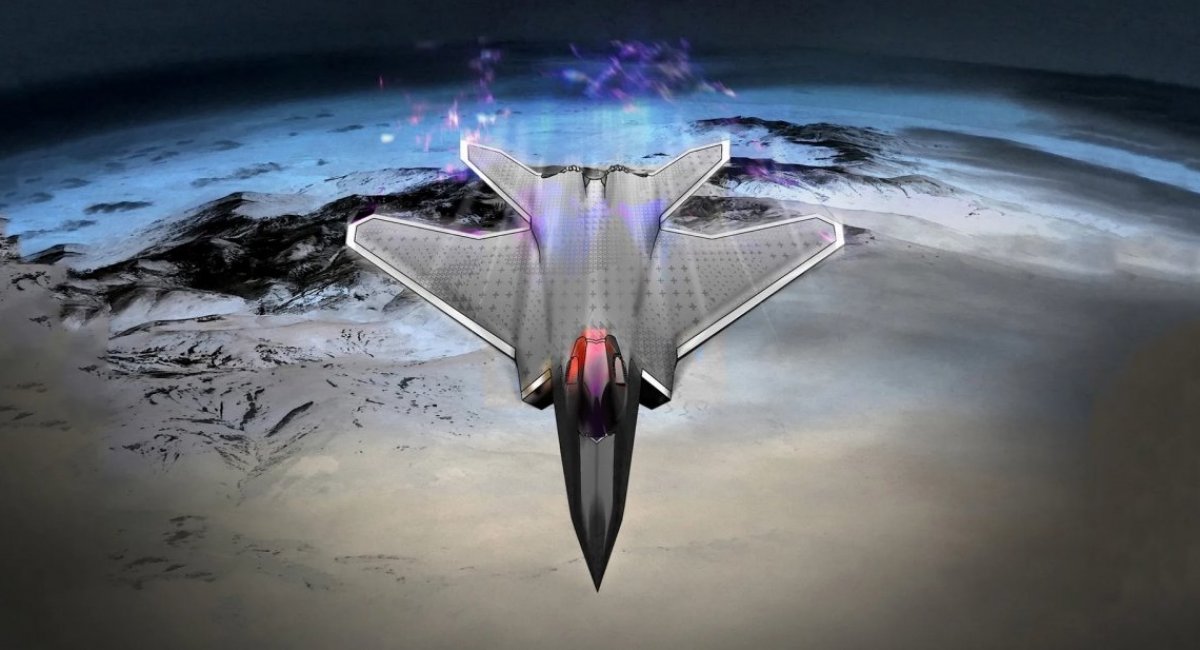
Germany and France have agreed to attempt saving the FCAS aviation project, specifically its main element the Next Generation Fighter sixth-generation fighter being developed jointly with Spain. The German government has even set a deadline for reaching a possible agreement to resolve the project's problems a decision must be made by mid-April, a date linked to upcoming federal budget decisions.
Reuters reports this, citing sources. This news came after a meeting between French President Emmanuel Macron and German Chancellor Friedrich Merz on Wednesday, March 18. Macron stated that the FCAS project is strategically justified for them, and that they agreed to launch a rapprochement mission between Airbus and Dassault, which must be conducted in a calm and respectful atmosphere.
Read more: GBU-39 Price Tag Now $60K Per Unit Based on Israeli Deal: 3-Year Wait Shows Production Bottleneck
Defense Express notes that such plans look very, very shaky. Essentially only one month remains to piece together what has been very actively shaken and falling apart for months, starting last year.
To briefly recall, the cornerstone issue was work distribution. French Dassault Aviation (representing the French side) was appointed main contractor for creating the fighter but lacked a key voting right, given that shares were evenly distributed among all three companies, including Airbus from the German side and Indra from the Spanish side.
Although the project had other problems, to the point that France and Germany actually needed different fighters. However, the project ultimately began falling apart over Dassault Aviation and Airbus disputes, when they mutually showed each other the door in creating the sixth-generation fighter.
Moreover, even at the level of Germany's chancellor and France's president, doubts about FCAS project success were officially voiced. Just a month ago, Merz emphasized that the program has a real problem in the requirements profile and that it's not about political conflict. There were even rumors that Germany had its eye on participation in another project GCAP with participation from the United Kingdom, Japan, as well as Italy. Where with new participants joining, the same work distribution conflict may arise.
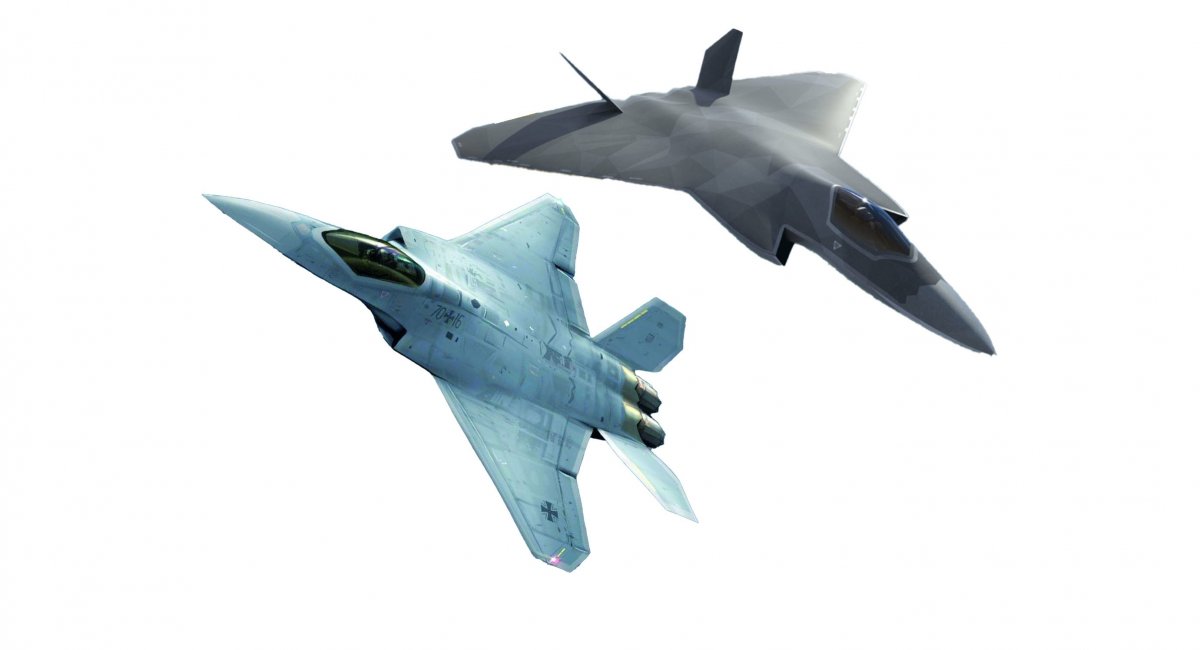
President Macron, in turn, earlier rejected an idea proposed by Airbus (which represents Germany in the project) to split the FCAS project into two separate fighters one for France's needs, another for Germany's needs.
Ultimately, public accusations at the level of heads of FCAS participant companies have not subsided. Just a few weeks ago, Dassault again went after Airbus, accusing them of derailing the FCAS sixth-generation fighter.
Considering all these factors, imagining that in a month the parties will be able to reach an agreement acceptable to everyone is very, very difficult. Especially since it’s about someone having to concede to the other in their terms. Even if a compromise solution is found, it's not certain that after some time everything won't return to the starting point of the conflict.
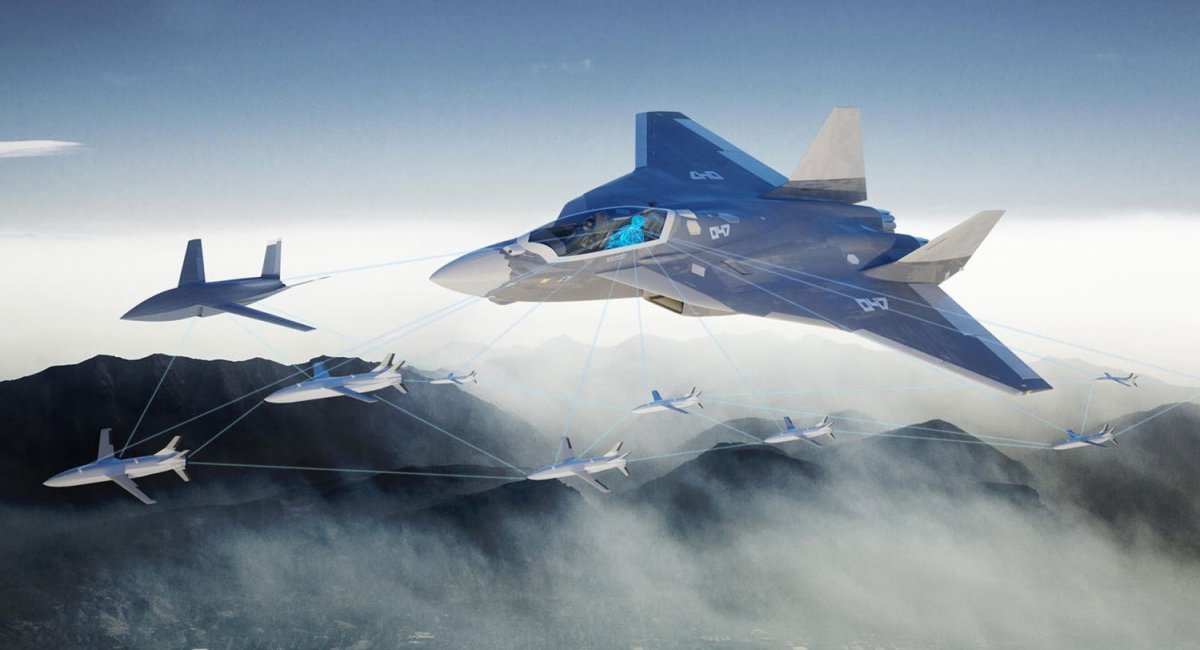
As mentioned earlier, one compromise may be to abandon the sixth-generation fighter in the project and focus on FCAS’s two other components the so-called combat cloud as well as loyal wingman drones. However, how interesting cooperation specifically in this direction might be for the parties is unknown.
Finally, it's worth mentioning that India could unexpectedly save sixth-generation fighter development within the FCAS project for France by joining it instead of Germany. At least, India's government has expressed plans to join one of the new generation aircraft projects, choosing between FCAS and GCAP.
Read more: A-10's iran Performance Triggers Calls to Reverse Retirement Despite Age, Spare Parts Cannibalization