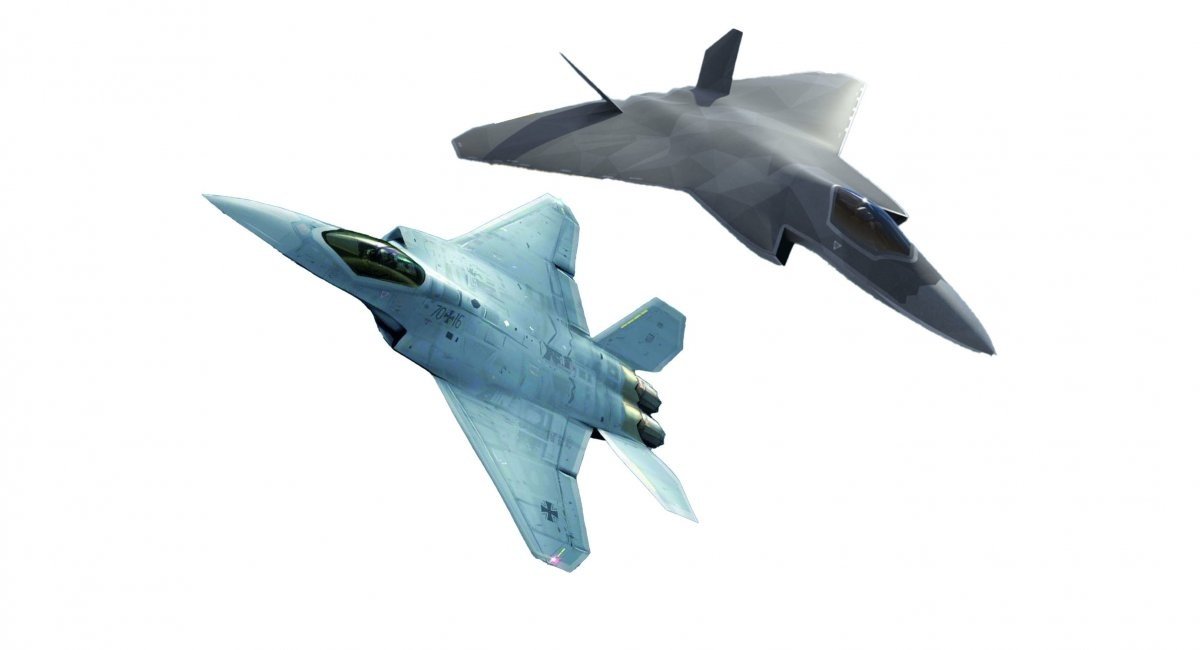
Delhi intends to join one of the programs to develop a sixth-generation fighter jet, choosing between the British-Italian-Japanese GCAP project featuring the Tempest and the French-German-Spanish FCAS. The Indian government submitted its findings to Parliament as part of a 152-page report on the 2026 defense budget.
According to Aviation Week, the report states that India's Ministry of Defense plans to join one of these projects "urgently" to ensure the timely modernization of its air force in response to the rapid modernization of Pakistan's aircraft fleet.It is also clarified that these efforts do not preclude the development of India's own fifth-generation fighter, the AMCA, which is scheduled to be ready by 2035.
Read more: France Faces Missile Shortage for Rafale Jets Against Shaheds, Raising Concerns for Ukraine
From Defense Express we would like to note that the choice between Tempest and FCAS may seem quite obvious for India. At present, only the British-Italian-Japanese project is proceeding according to plan, although Rome has been actively criticizing the UK, accusing it of selfishness and recklessness for refusing to share technology.
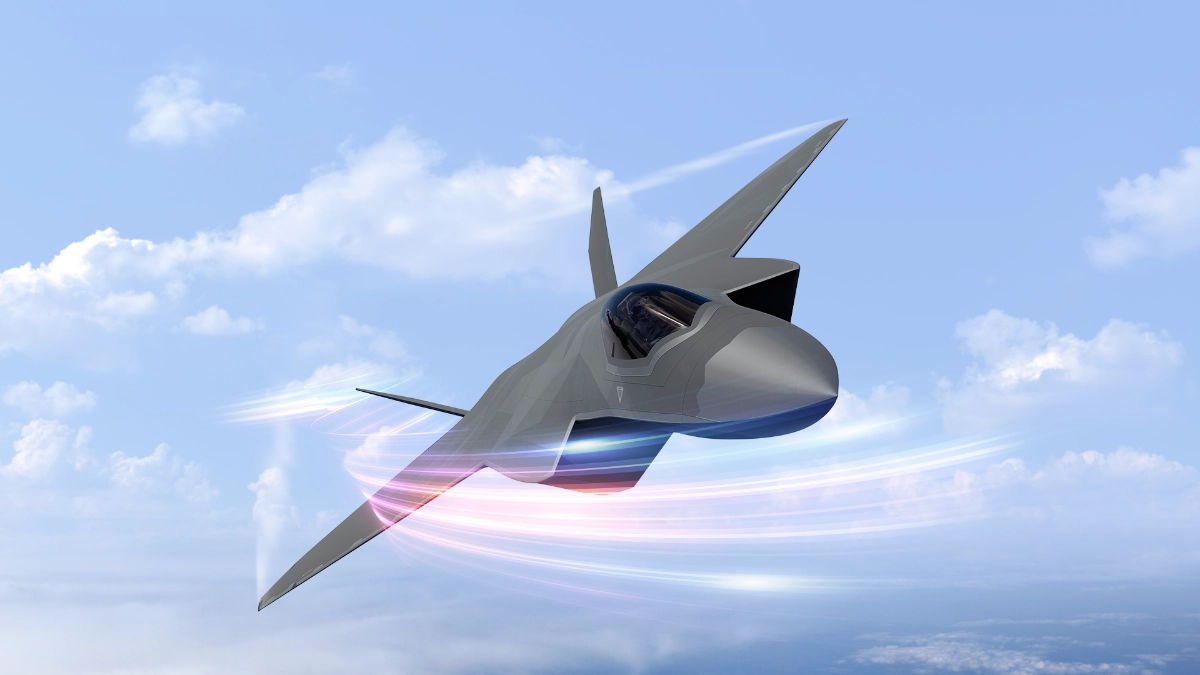
For now, the 2035 target for Tempest's entry into service appears realistic. The key question is whether the United Kingdom, Italy, and Japan are willing to allow India to join the project, given that a similar proposal from Saudi Arabia was previously rejected.
Meanwhile, tensions between Paris and Berlin have turned the FCAS program into a high-profile defense controversy. Meanwhile, the parties continue to criticize each other, and the latest plan to "save" the project envisions a split into two separate fighter jets.
However, the fragile state of the FCAS project could open the door for India to step in, taking over Germany's position. In fact, this could be a favorable option for France, as it secures funding for the project and guarantees a substantial order for the Indian Air Force.
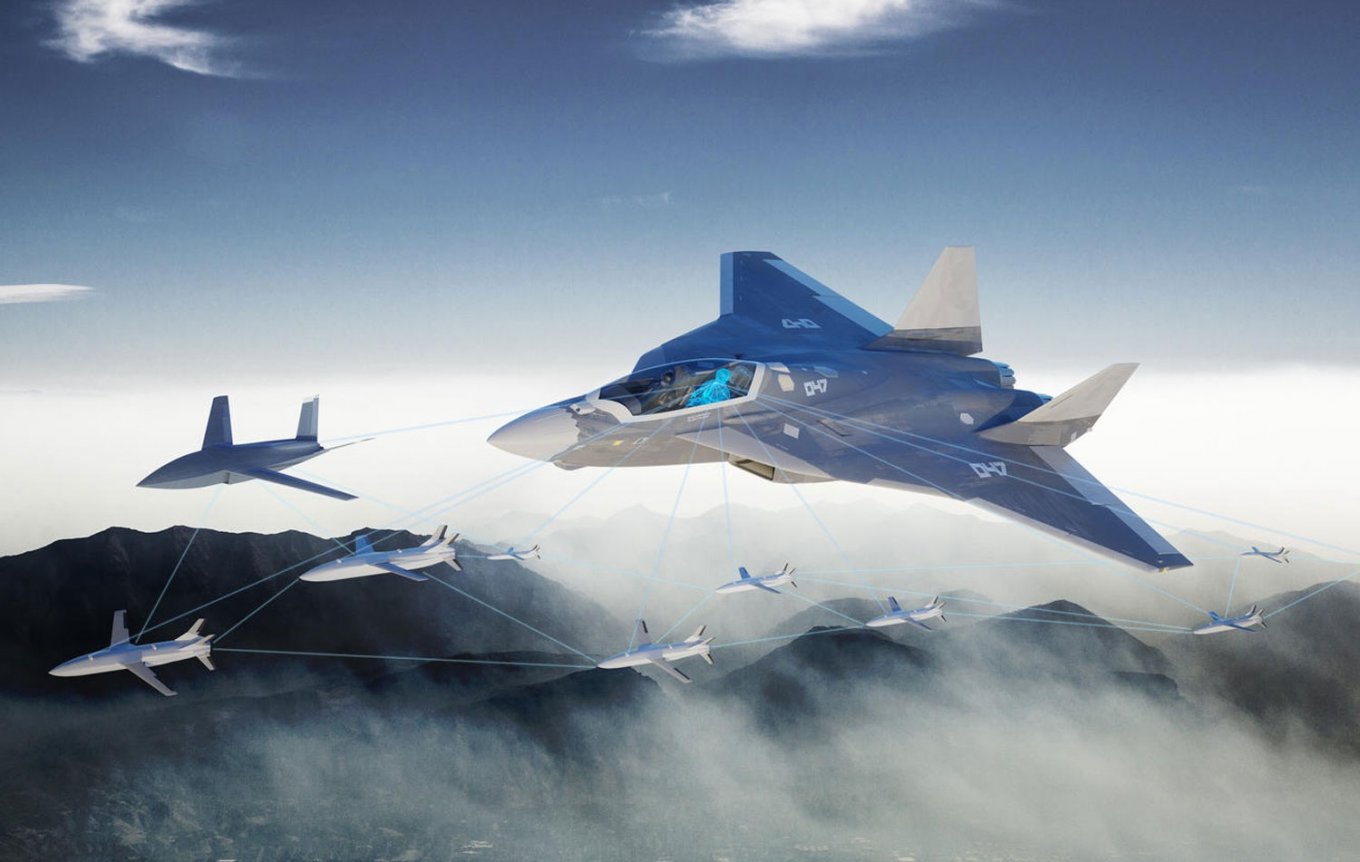
At the same time, the French consider it advantageous that the Indian defense industry does not demand an equal role in the project. However, this comes at the cost of transferring a wide range of technologies and manufacturing capabilities to India — a process that is already underway amid rapid Franco-Indian cooperation, active orders for the Rafale, and the still-pending mega-contract for 114 Rafales.
It is also important to note that participation in such projects requires substantial financial resources. For instance, Italy has announced that its share of the Tempest sixth-generation fighter jet project will be €18.6 billion, roughly one-third of the total cost, suggesting an overall budget of around €56 billion. It is unlikely that the costs for a similar FCAS project would differ significantly.
Read more: Two Critical Aviation Facilities in russia Hit by Ukraine, Including Aviastar Plant