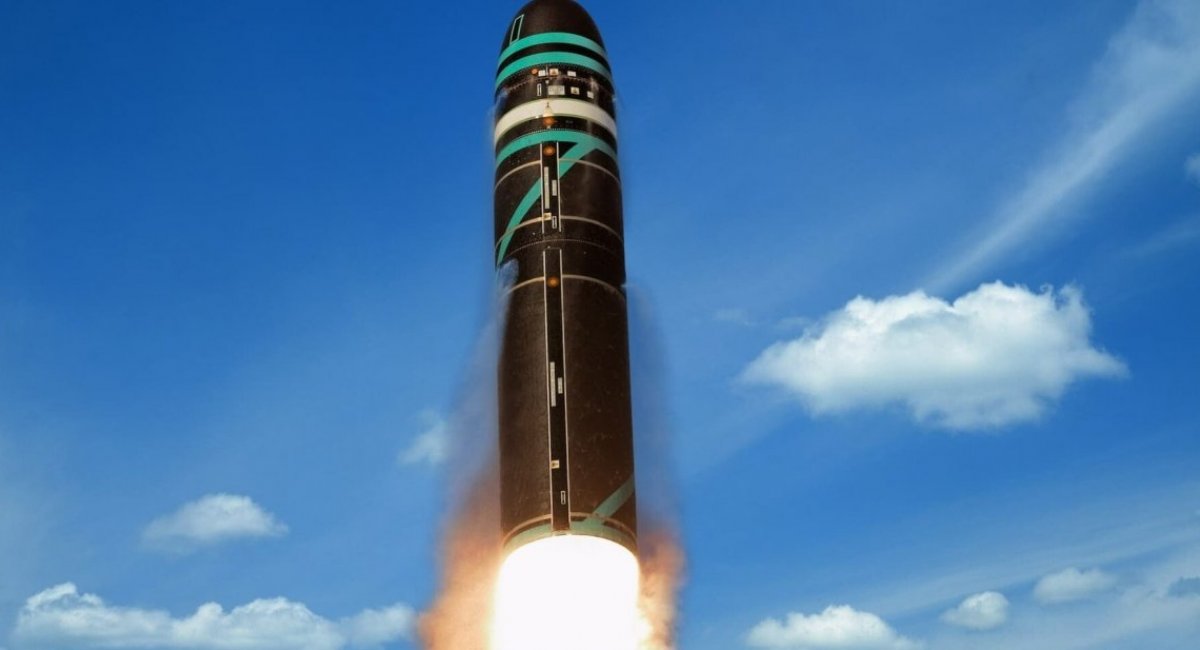
French company ArianeGroup, the only ballistic missile manufacturer in the European Union, has approached the German government with a cooperation proposal.
The French are currently interested in establishing rocket fuel production at one of their German facilities. Hartpunkt learned this from its own sources but did not specify which fuel is involved.
Read more: Lockheed Martin Unveils New Key Details on Fish-Inspired Lamprey Parasite Drone, Now More Than Just a Project
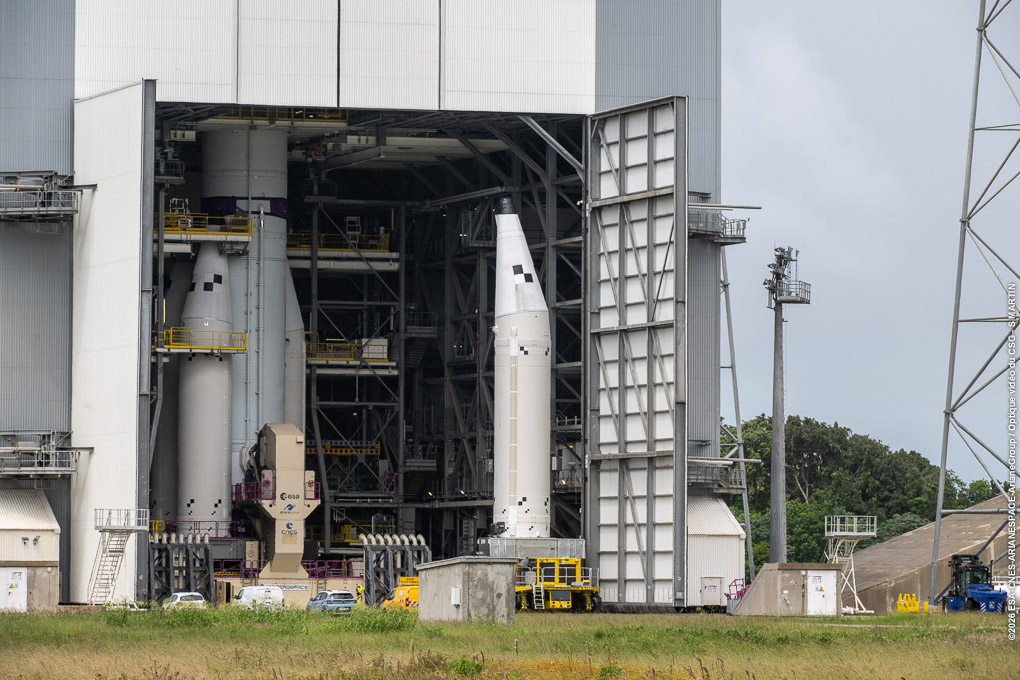
Defense Express notes that ArianeGroup genuinely has several assets in Germany four separate sites in Bremen, where the upper stage of Ariane rockets is manufactured; in Lampoldshausen, where a research center is located; in Ottobrunn with combustion chamber production; and in Trauen, where hydrazine is produced.
Hydrazine is a type of rocket fuel, but it is unlikely to be the subject here. It is toxic and probably not what is being discussed. Large quantities are not needed, as it is used as a monopropellant for orbital engines and in attitude control thrusters.
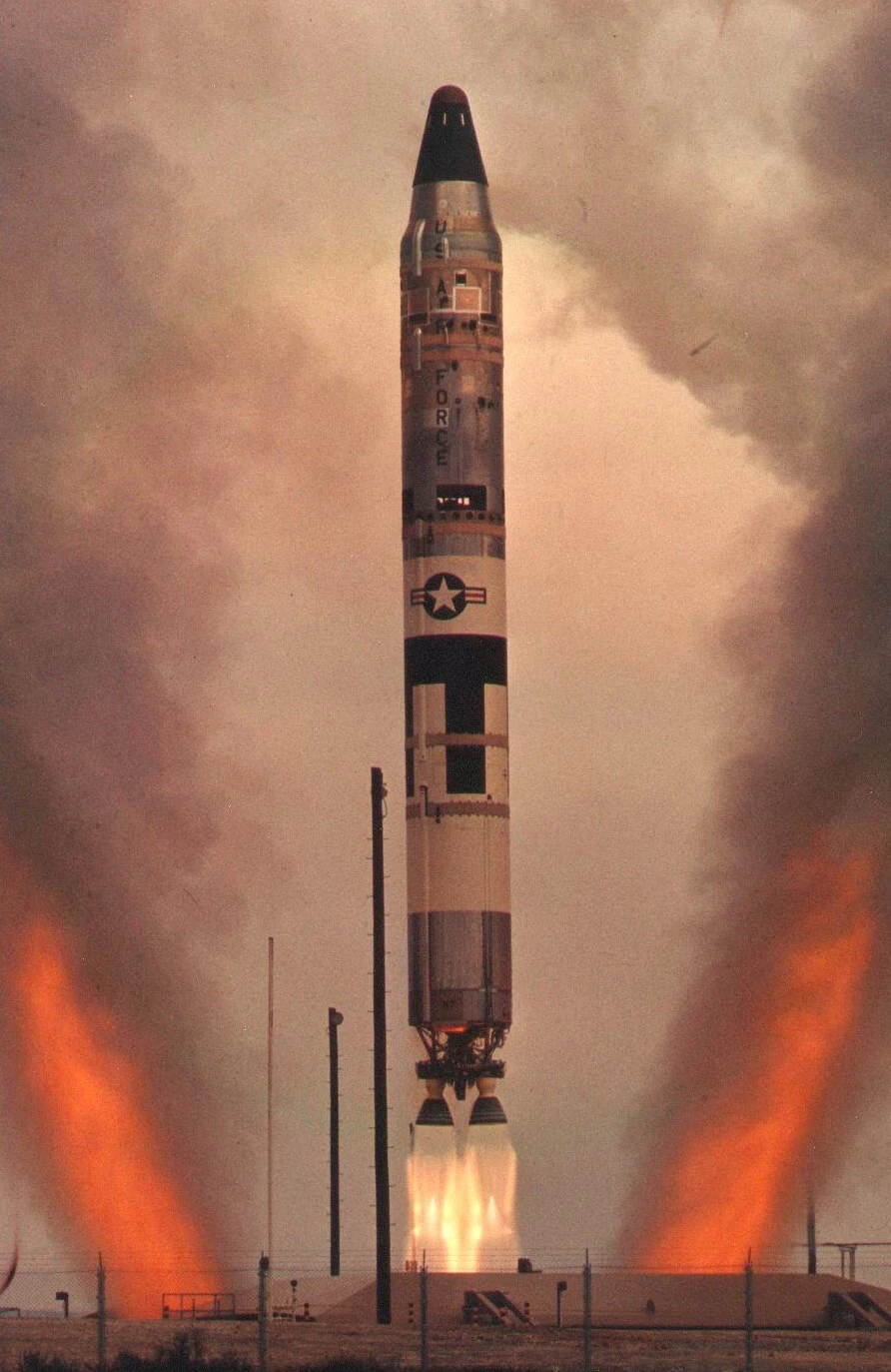
There is another application for it as a component in liquid rocket engine propellants. For example, American LGM-25C Titan II flew on Aerozine (50% unsymmetrical dimethylhydrazine and 50% hydrazine) and dinitrogen tetroxide. Such fuel provides very high energy density, allowing Titan II to deliver a 9-megaton, 4-ton B53 thermonuclear warhead to intercontinental ranges. Long-term storage is also permitted.
This fuel is not only highly toxic but also highly flammable. During LGM-25C Titan II combat duty in the U.S. from 1962 to 1987, two silo fires occurred with this missile, resulting in fatalities (54 people total).
Modern ballistic missile production requires solid fuel, the manufacture of which is concentrated in France. Specifically, ammonium perchlorate is produced in Toulouse, while missile loading is conducted in Saint-Médard-en-Jalles.
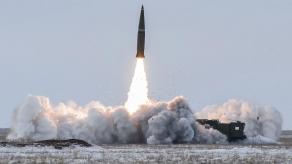
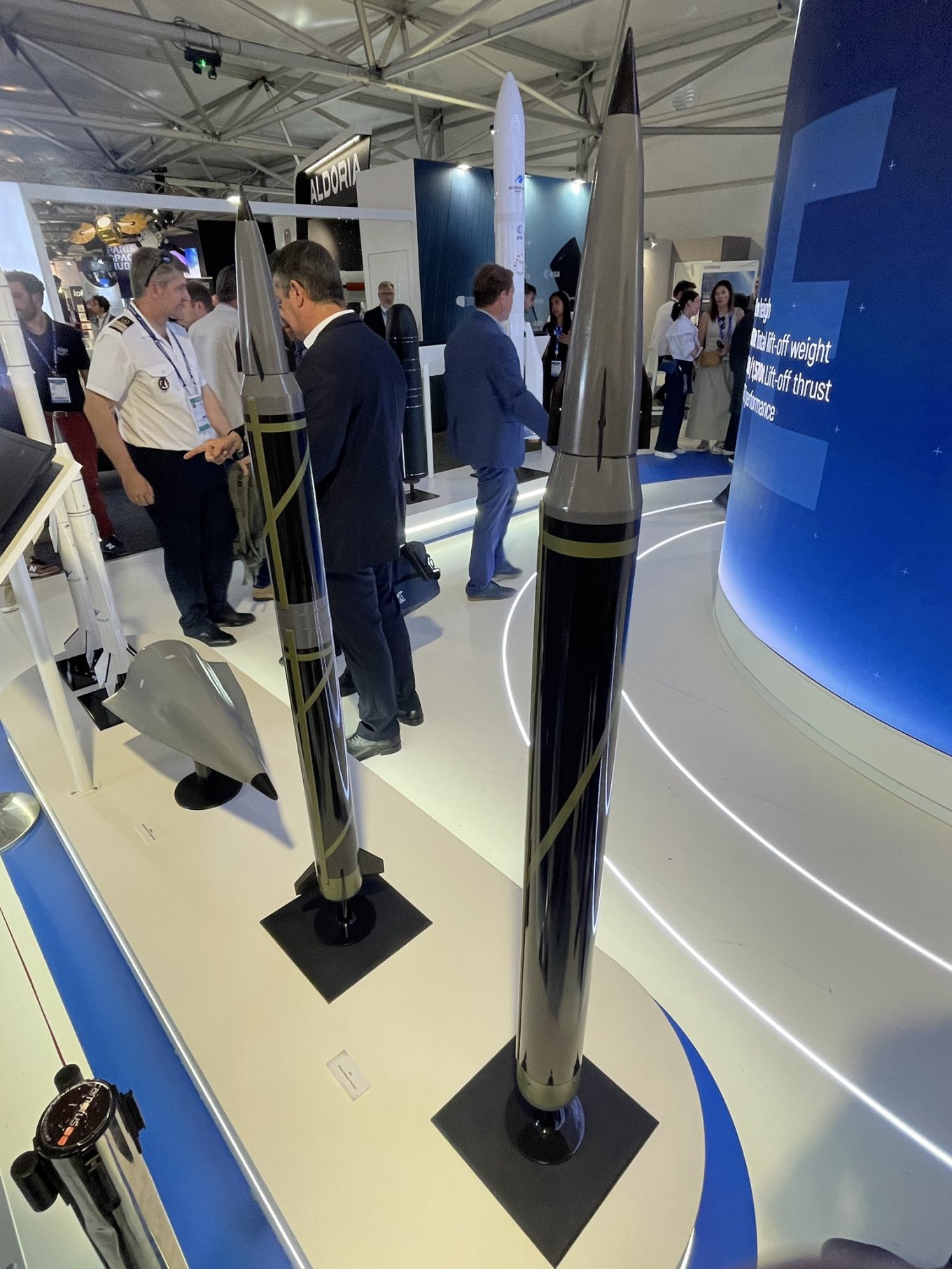
ArianeGroup may genuinely be interested in expanding solid fuel production specifically for manufacturing a 2,000km-range ballistic missile currently known by the laconic designation MBT — Missile Balistique Terrestre (ground-based ballistic missile). Unless, of course, France decided to make a liquid-fuel ballistic missile using highly toxic propellant.
At the same time, any joint defense-industrial activity between France and Germany will be accompanied by mentions of the attempted joint development of the sixth-generation FCAS fighter, which at best will simply be split into two. As well as the MGCS tank, which is moving very slowly just establishing the consortium to develop it took 6.5 years.
It should be considered that the French are not yet proposing equal partnership with Germany, but merely want to expand their own production capacity. Also, a far more interesting solution than ballistic missiles is being developed in Germany HYTEV. This involves orbital bombardment with a 1,000kg warhead, a historical nightmare for the Kremlin.
Read more: russia Claims Its Ka-52M Used New 30mm Rounds to Kill Ukrainian Drones, But Evidence Suggests Otherwise