


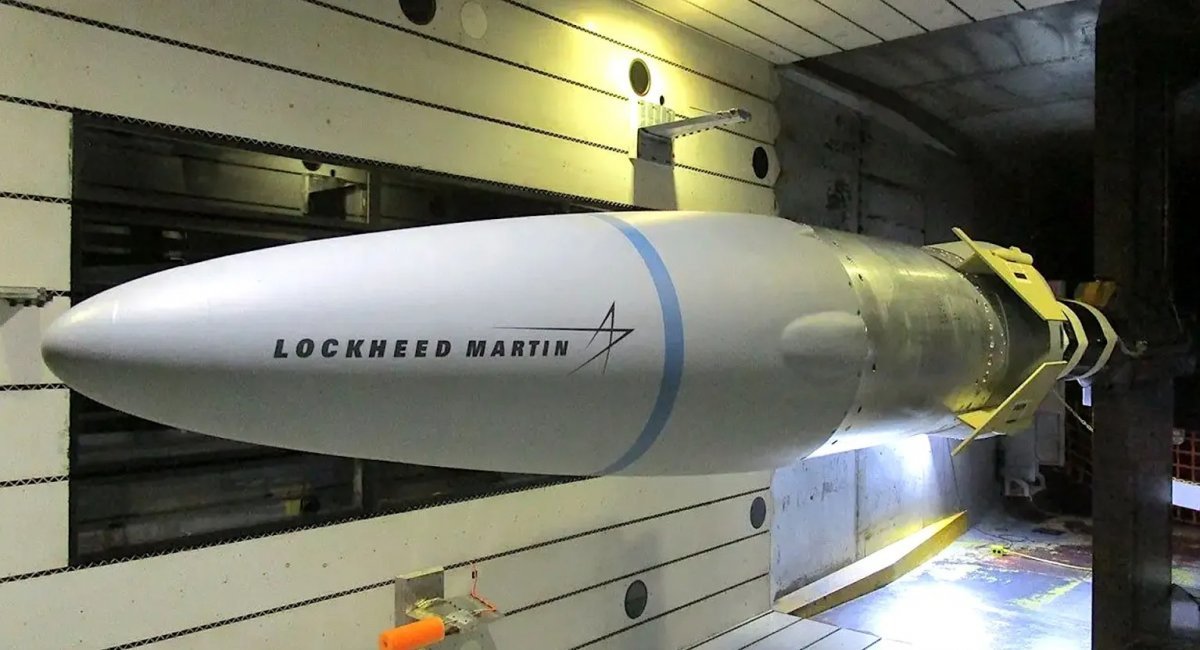
A video published by Edwards Air Force Base, focused on aircraft maintenance, included a brief but revealing moment. For the first time, it showed a Rockwell B-1B Lancer equipped with the ARRW hypersonic missile.
The US Air Force has released a video showing a B-1 aircraft carrying the air-launched AGM-183 ARRW hypersonic missile. pic.twitter.com/MX8nmrI0nO
Read more: U.S. Wants to Deploy Dark Eagle Hypersonic Missiles Against Iran — But There's a Catch— 1880 News (@1880News) April 30, 2026
As reported by The Aviationist, the missile was mounted on an external pylon. This same pylon has previously been used for the AN/AAQ-33 Sniper targeting pod and for testing external carriage of JDAM munitions.
More importantly, ARRW’s integration on the B-1B suggests the program has likely moved beyond the phase where cancellation was a serious risk. This is particularly notable given recent reports about plans to sign the first production contract this year.
At the same time, ARRW’s appearance on the B-1B is not entirely unexpected. The U.S. Air Force has been discussing this integration for several years, and it was also referenced in the fiscal year 2027 budget request.
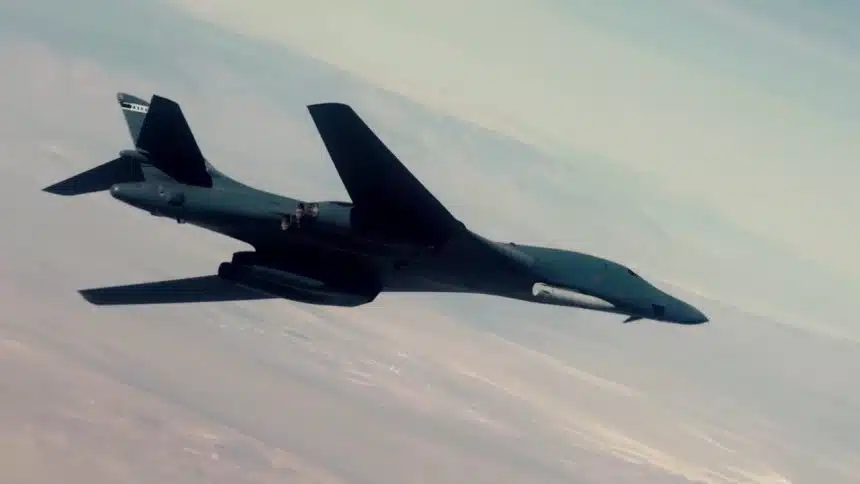
Two years ago, the Air Force began equipping B-1B bombers with Load Adaptable Modular (LAM) pylons. These were specifically designed to allow the aircraft to serve as a testbed for hypersonic weapons.
LAM pylons can carry payloads of up to approximately 3,400 kg and can be adapted for installation on other aircraft if needed. Air Force Global Strike Command identified them as the most efficient solution for integrating new capabilities, including ARRW, onto B-1 bombers.
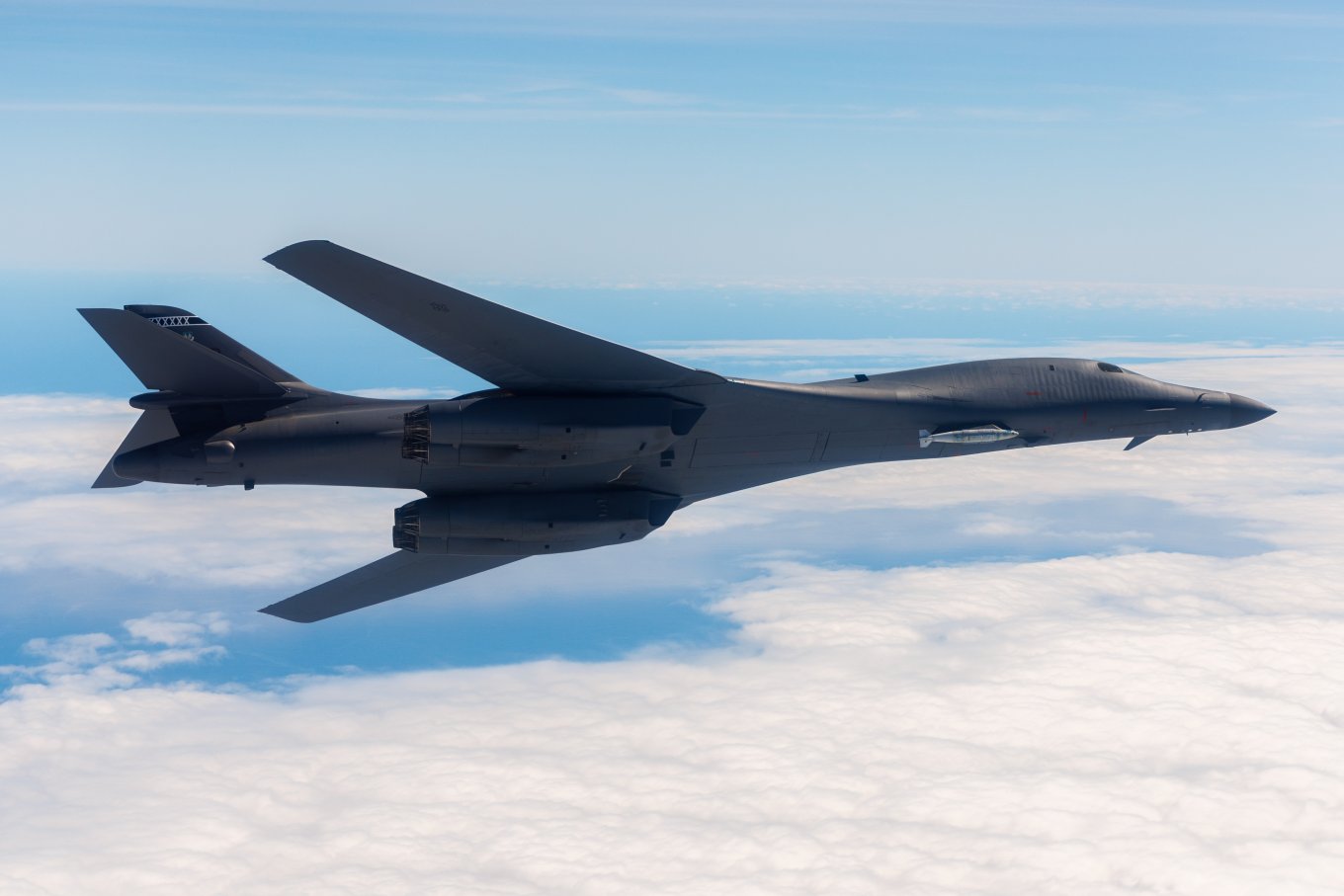
Earlier plans also called for at least one B-1 squadron to be equipped with LAM pylons configured for ARRW missiles.
It remains difficult to predict how soon ARRW could enter operational service, especially if ongoing work serves as a stepping stone toward another system.
However, even a 5–7 year timeline would still align with the service life of the B-1B, whose retirement has been postponed until at least 2037. This is even more relevant for the Boeing B-52 Stratofortress, which is expected to remain in service for decades to come.
Earlier reports also noted that the United States is pursuing deployment of Dark Eagle systems in response to russia’s Kh-47M2 Kinzhal and 3M22 Zircon, including potential use against Iran.
Read more: Blackbeard Hypersonic Missile From Startup Castelion Gets Multi-Year Procurement Plan as U.S. Navy's Primary System, 43kg Warhead Raises Questions