


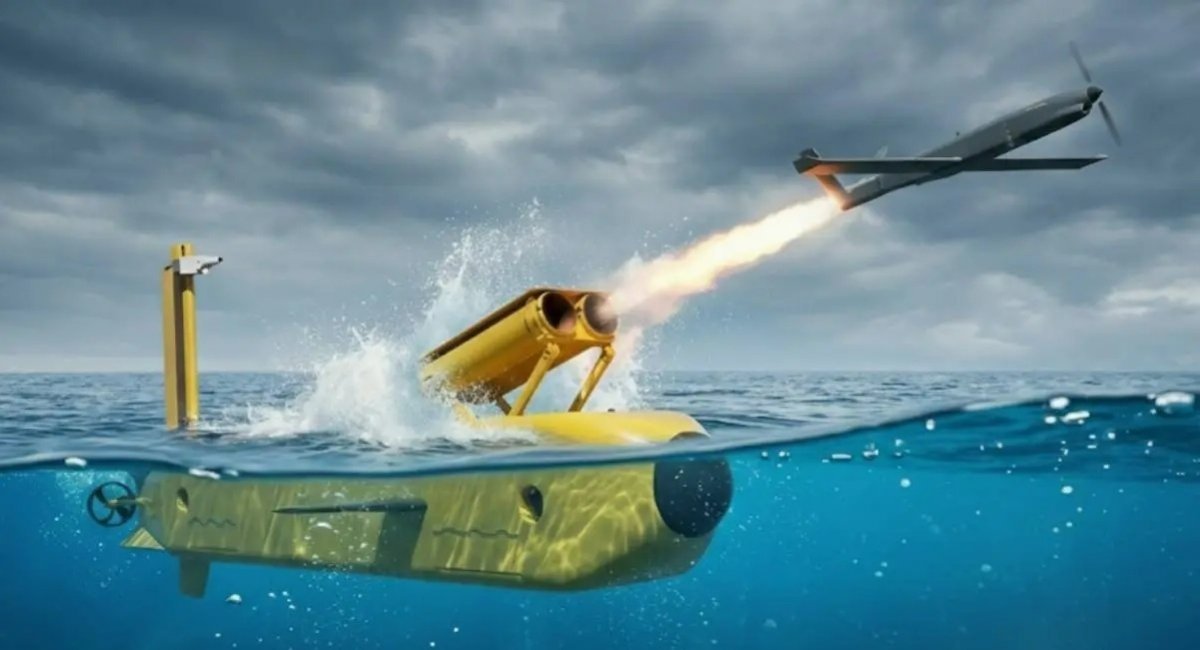
At the international defense exhibition WEST 2026, Lockheed Martin presented a model of its unmanned "parasite" submarine and disclosed additional information about the project. Public awareness of this system only emerged recently, earlier this month.
During the exhibition, company representatives stated that Lamprey was developed in just 14 months using internal resources and without external funding. The company also announced plans to create several variants of the platform in different sizes, ranging from 6 to 10 meters. This was reported by Naval News, which attended the event.
Read more: Borrowing From Ukraine, U.S. Army Trains to Shield Advancing Armor With Drone-Deployed Smoke
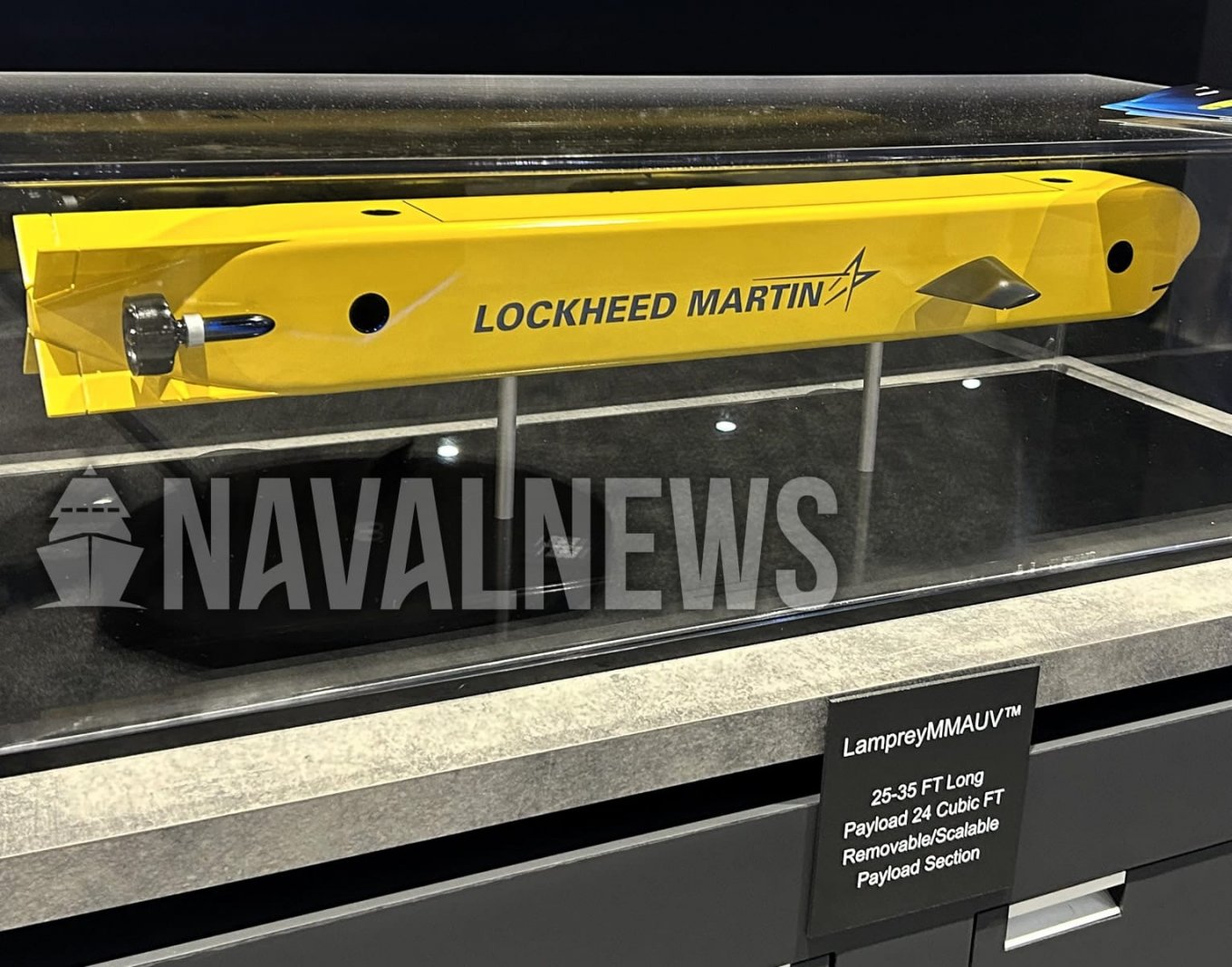
In addition, Lockheed Martin plans to build a second, improved test drone. This suggests the company likely already has not only a design concept, but also an actual prototype.
From the Defense Express perspective, it is worth recalling what makes Lamprey so unusual. The name refers to a family of parasitic fish that attach themselves to other fish and feed off their hosts.
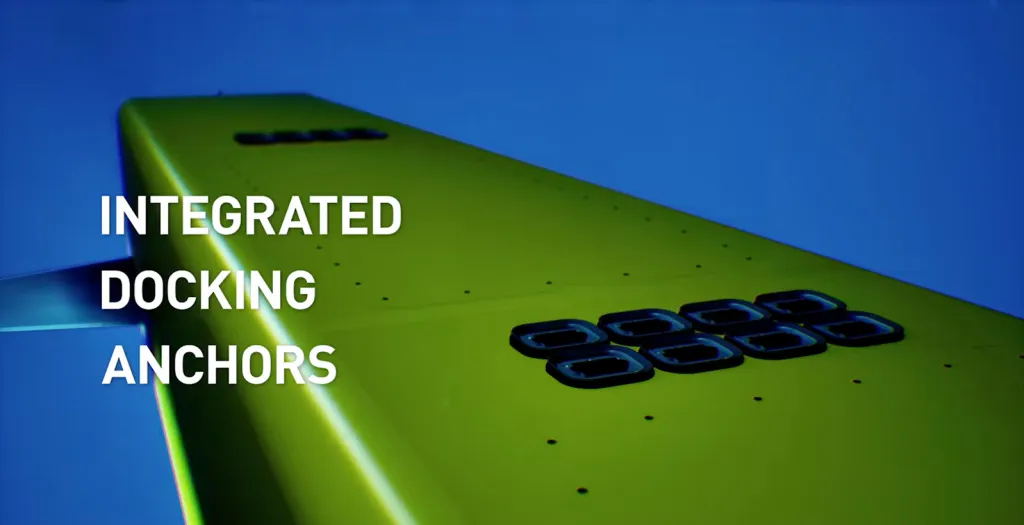
Lockheed Martin replicated this biological feature in its design. Lamprey is equipped with sixteen suction devices that allow it to attach to the hulls of surface ships, naval vessels, and submarines, effectively traveling to its destination by hitchhiking.
While attached to a host vessel, Lamprey can deploy a dedicated generator to recharge its batteries en route to the target area.
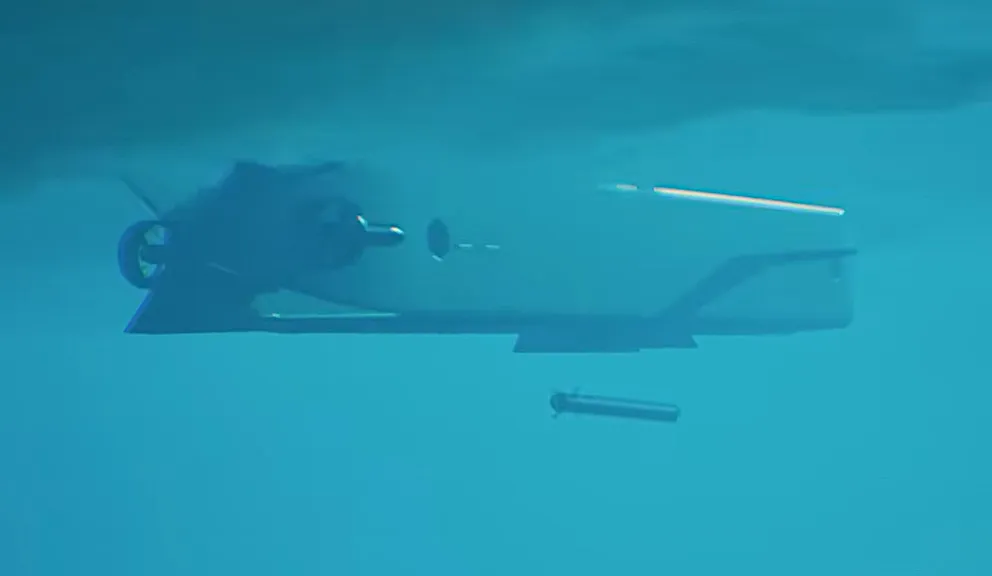
As for armament, the following configurations have been presented so far: three launch modules with two aerial drones each for reconnaissance or strike missions; multiple small torpedoes intended to engage boats and submarines; and specialized decoys capable of imitating the signatures of ships and submarines to deceive the enemy.
The company also states that other payloads can be integrated depending on customer requirements. The internal payload bay has a volume of 24 cubic feet, approximately 0.68 cubic meters, which is relatively limited.
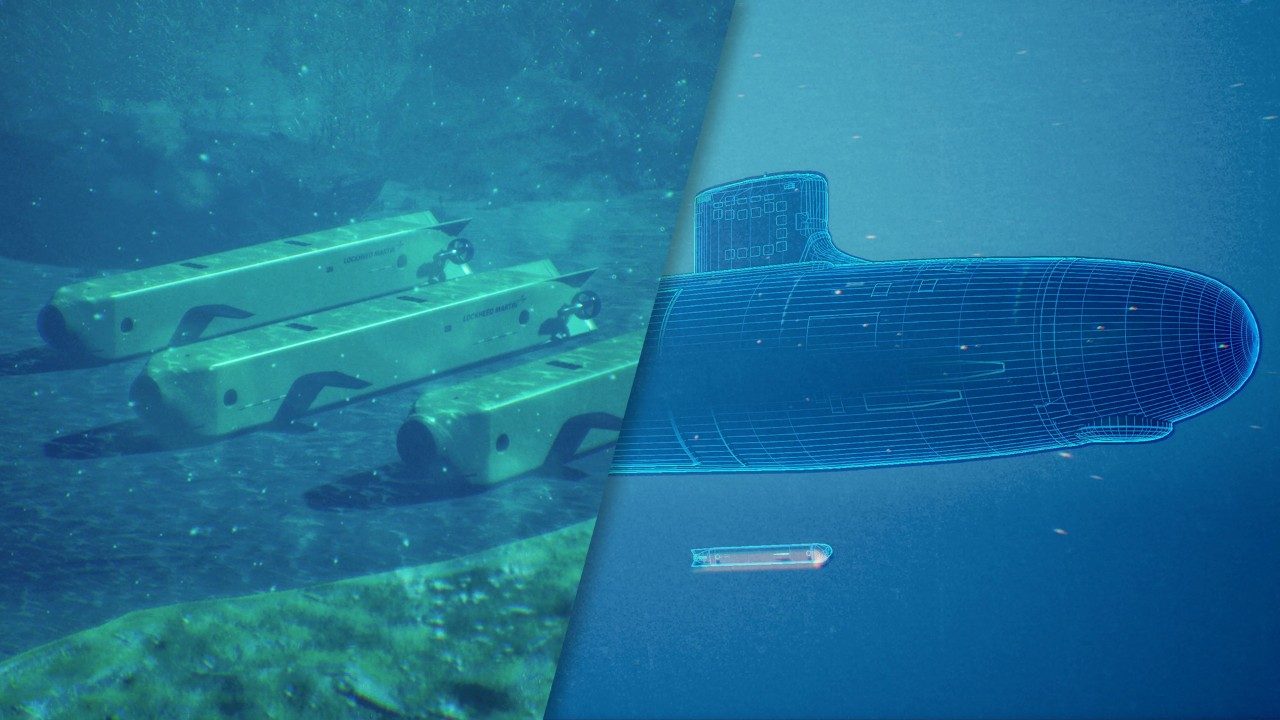
Lamprey was primarily developed with the needs of the United States Navy in mind. The unmanned submarine is expected to operate mainly in the Indo-Pacific region. The ability to attach to the hulls of commercial and military vessels is particularly relevant there, given the extremely high density of maritime traffic.
In theory, Lamprey could covertly travel from U.S. shores to the coast of China, conducting strike or reconnaissance missions. However, it is not entirely dependent on host vessels. The platform is equipped with its own electric propulsion system. While this is unlikely to provide long-range transit capability, it should be sufficient for maneuvering or transferring from one carrier vessel to another.
Despite the considerable amount of detail already disclosed, it remains unclear how navigation and communications will be maintained while the submarine operates underwater over such long distances. Some missions could potentially be executed in fully autonomous mode. However, torpedo strikes would likely require human authorization. In the United States, doctrine requires a human in the loop, meaning a person must ultimately approve the launch decision.
From the Defense Express side, we urge readers to join a fundraiser for a solution that is already proving effective: the One United Fundraiser, organized by the Serhiy Prytula Charity Foundation to support interceptor drones.

Read more: U.S. Army Heavily Funds LTAMDS Radar Testing With Patriot to Eliminate System's Blind Spots