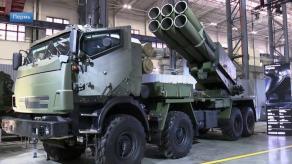



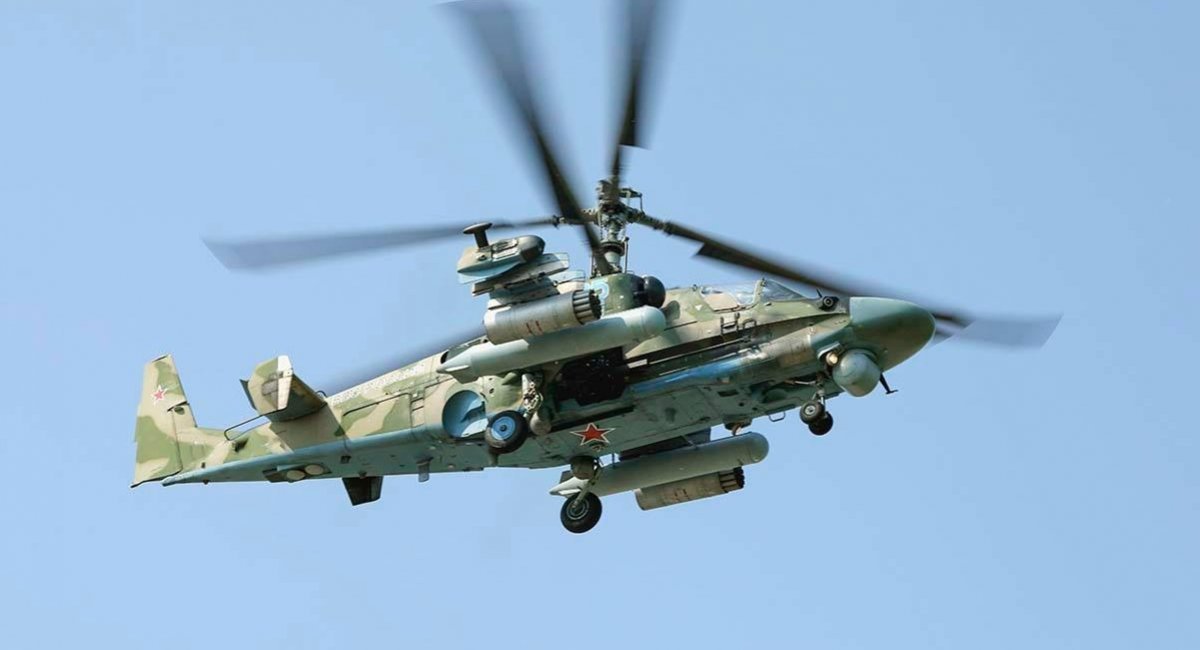
russian sources published a compilation video showing Ukrainian drones being engaged with the 30 mm automatic cannon of the Ka-52M attack helicopter. They claim the interceptions were carried out using newly introduced programmable 30 mm rounds.
These munitions were first presented earlier this month at the international defense exhibition World Defense Show 2026 in Saudi Arabia, which continues to host russian participants. The rounds were reportedly developed to improve the effectiveness of drone interception.
Read more: Ukraine's FP-5 Flamingo Missiles Strike russian Plant Producing Iskander and Oreshnik Ballistic Missiles
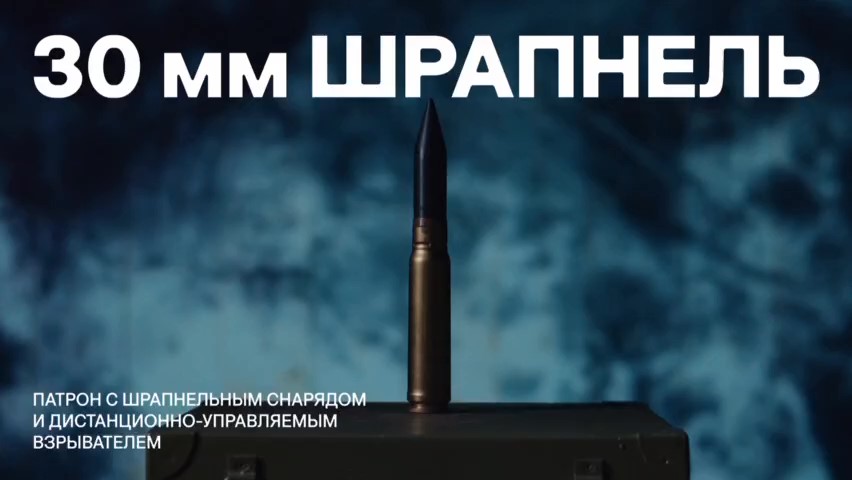
russian representatives describe the operating principle as follows: "The fire-control system calculates the optimal detonation point based on the target’s flight trajectory, allowing the drone to be struck by shrapnel. The fuze timing is programmed automatically via an optical data link."
According to russian claims, these rounds can be fired from standard 30 mm 2A42 automatic cannons. However, the 2A42 in its standard configuration is not capable of programming airburst munitions. To enable this capability, the gun must be fitted with a dedicated programmer integrated into the breech or mounted at the muzzle, as seen on more advanced systems.
Such programmers cannot simply be installed. They require significant upgrades to both the gun and the fire-control system. Even russian commentators question the feasibility of such integration. It therefore remains unclear whether these modifications have actually been carried out.
Turning to the published video, there is no visual evidence of programmable airburst rounds being used. Tracer rounds are repeatedly visible in the footage. Programmable rounds typically lack tracers, whereas conventional ammunition includes them.
In addition, programmable airburst rounds are designed to detonate near the target. There would be no practical reason to mix programmable and non-programmable rounds within the same ammunition belt. The footage also shows that after the first hit, drones frequently explode.
This suggests either the detonation of the drone's own warhead or the impact of conventional 30 mm high-explosive incendiary (3UOF8) or high-explosive tracer (3UOR6) rounds, both of which are sufficiently powerful.
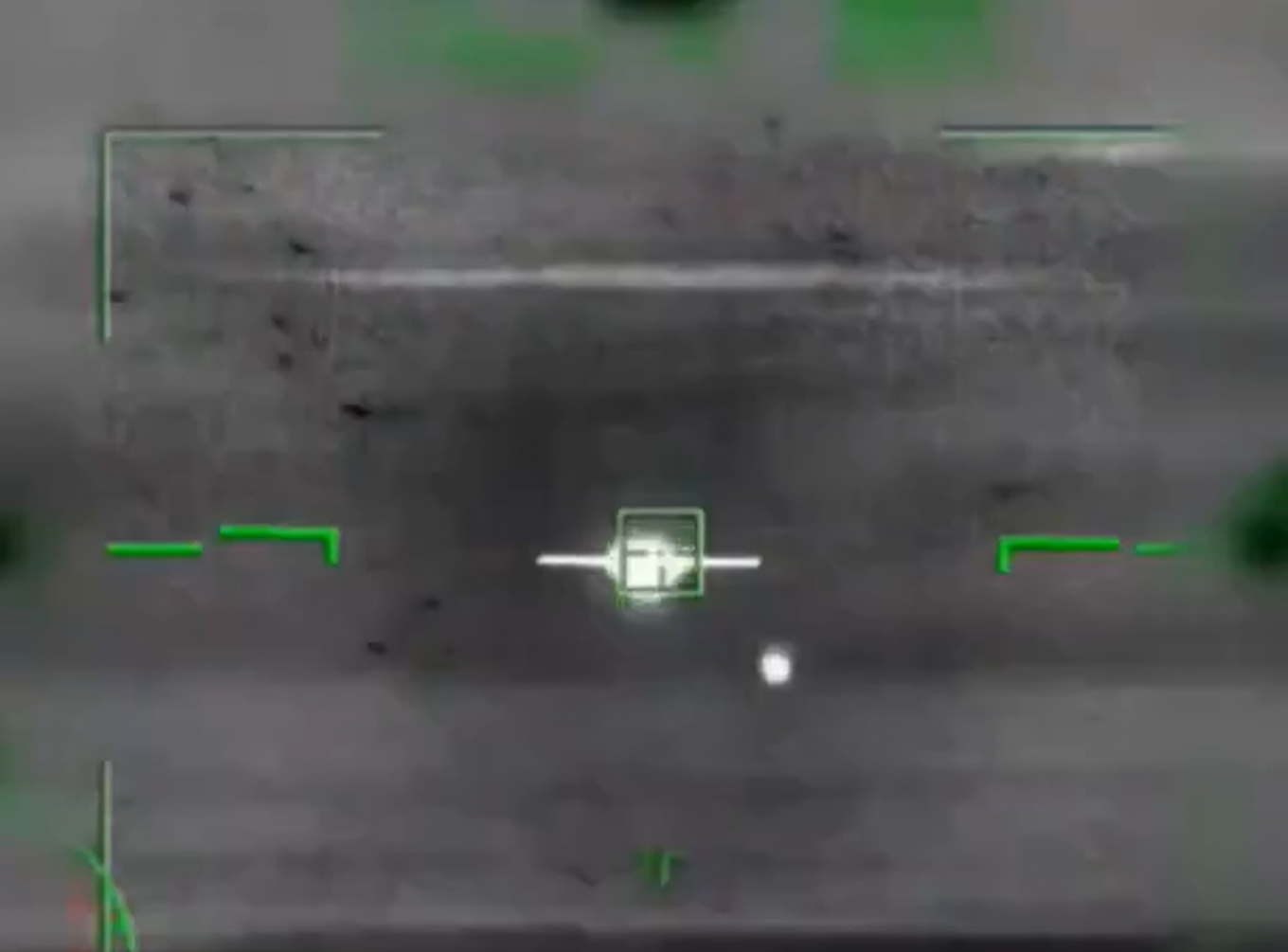
Programmable airburst rounds, by contrast, defeat targets primarily through a cloud of shrapnel generated upon detonation. Such fragmentation is unlikely to consistently trigger a drone's warhead, at least not as reliably as shown in the video.
For comparison, interceptions of russian Shahed drones conducted by the Skynex air defense system, which uses similar programmable airburst munitions, show a different effect. After multiple hits, the drone typically loses stability and falls to the ground rather than detonating immediately.
It can therefore be concluded that russian forces are not currently employing the new programmable 30 mm rounds in these engagements. Instead, they are most likely using belts loaded with conventional 3UOF8 high-explosive incendiary and 3UOR6 high-explosive tracer rounds.
The footage also highlights apparent limitations of the Ka-52M's optical system. The image quality is relatively low, with frequent glare and overexposure. Stabilization appears inadequate, and the video feed regularly freezes. It also seems that the targeting station either lacks an automatic target-tracking function or that operators are deliberately not using it.
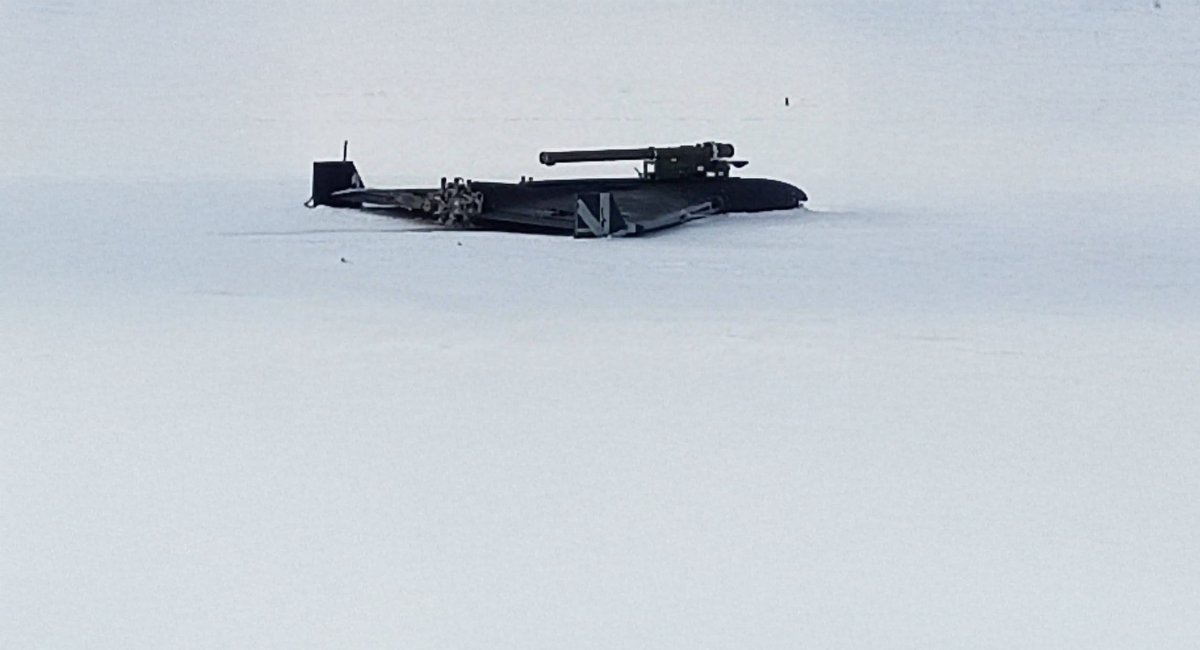
Despite this, even with conventional ammunition, russian crews appear capable of engaging Ukrainian drones effectively, intercepting several UAVs per sortie using the cannon alone.
If these helicopters eventually receive programmable airburst rounds, their effectiveness could increase further. This also makes relevant russia's own approach of integrating air-defense missiles and MANPADS onto long-range drones as a means of countering aviation assets.
Read more: russia Creates Robotic Cultivator MLRS with UB-16 Rocket Pods, Similar Solution Ukraine Deployed in 2023