


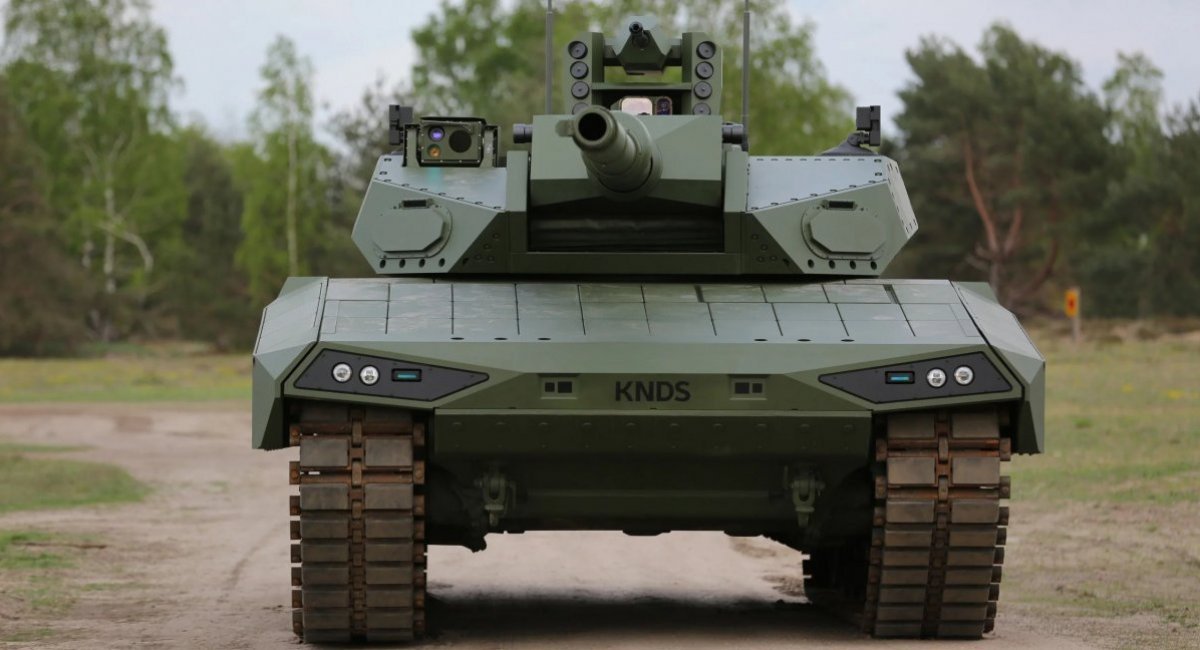
The EU plans to initiate a competitive program for the design and development of its own next-generation main battle tank. The vehicle is expected to have a maximum combat weight of up to 60 tons, incorporate so-called "green technologies," employ smart ammunition, and feature dedicated protection against drones.
These plans are detailed in the European Defence Fund (EDF) Work Programme for 2026, which allocates approximately EUR 125 million to the project (EDF-2026-DA-GROUND-MBT: Future main battle tank platforms systems). The objective is to reach Technology Readiness Level 6 (TRL 6), meaning the creation of a full-scale prototype capable of demonstrating its performance during trials.
Read more: CV90 IFV Can Intercept Over a Dozen Tank Rounds Thanks to Iron Fist, But What About Drone Protection?
While the gun caliber is not specified, the main armament must support a wide range of ammunition types, including programmable rounds. Overall, the tank should be capable of defeating enemy armored vehicles, preferably with a first-round hit, even in their most heavily protected zones.
The required barrel life must exceed that of existing systems, such as the Leopard 2, whose barrel life is estimated at around 1,500 rounds. An autoloader is also mandated, with ammunition capacity reportedly sufficient for "20 engagements," although this requirement is not further clarified. The fire control system must be capable of detecting, tracking, and distributing multiple targets simultaneously among the tank's onboard weapons.
Protection requirements are extensive. The new MBT must be resilient against chemical and so-called "energy weapons," cyberattacks, improvised explosive devices, rocket-propelled grenades, third-generation and more advanced anti-tank guided missiles, and loitering munitions, including FPV drones. In terms of kinetic protection, the tank should withstand at least 125 mm armor-piercing fin-stabilized discarding sabot (APFSDS) rounds.
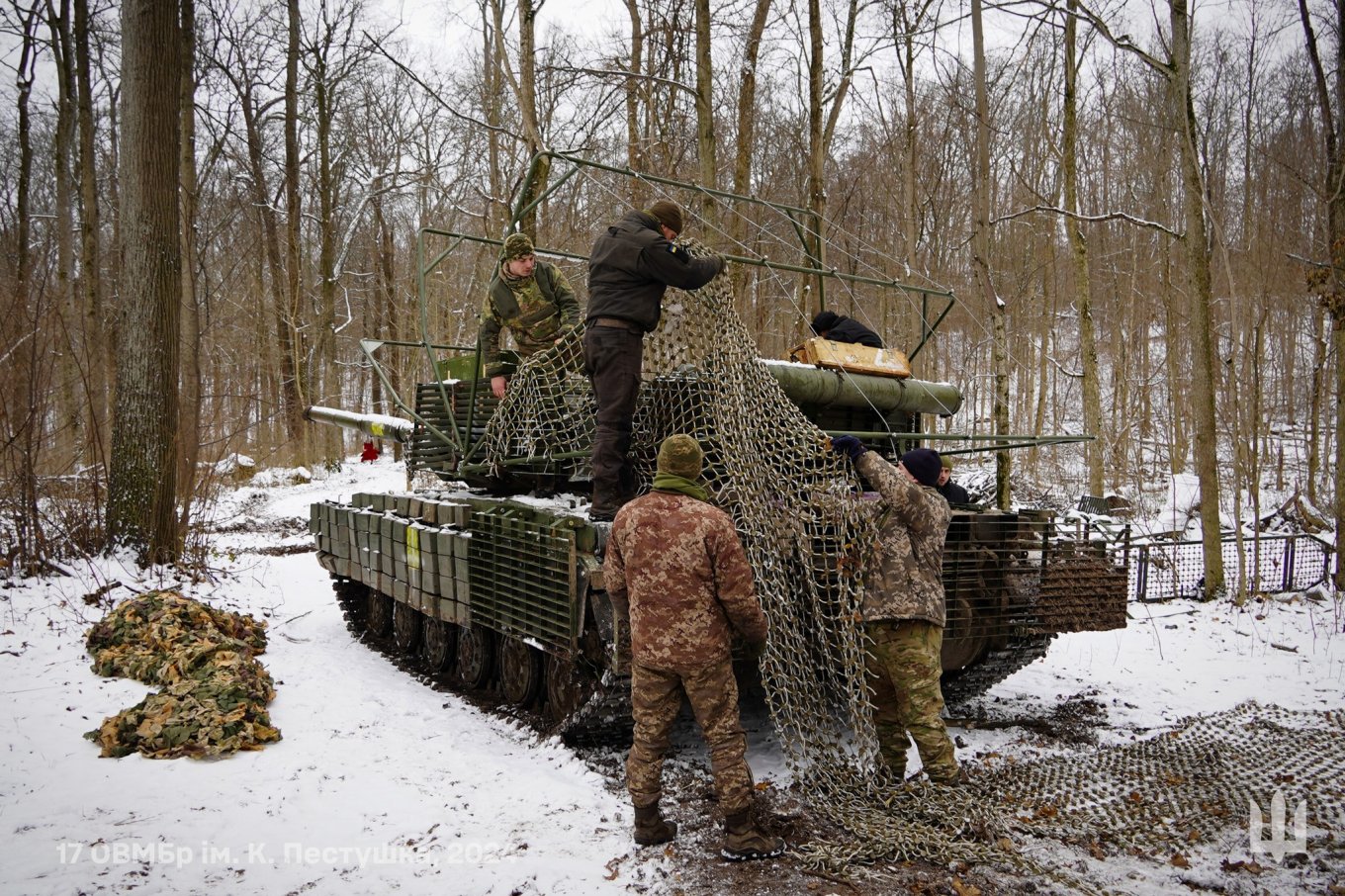
An active protection system (APS) is considered mandatory and must be capable of intercepting a large number of threats before reloading. In addition, the tank must feature rapid concealment measures, such as smoke-screen systems, as well as supplementary protection solutions, including reactive or passive armor. The latter requirement is particularly notable and could potentially include anti-drone nets or slat armor.
Mobility requirements specify a maximum road speed of at least 60 km/h and no less than 40 km/h cross-country. Operational range should average around 600 km on the march across mixed terrain and approximately 350 km under combat conditions, with the option to use additional external fuel tanks.
Even the powerplant is subject to environmental constraints. The EU requires compliance with environmental standards and reduced reliance on fossil fuels during peacetime. At the same time, the design must allow these restrictions to be bypassed in wartime if necessary. Overall, the tank must be compatible with widely used fuel standards, such as STANAG 4362.
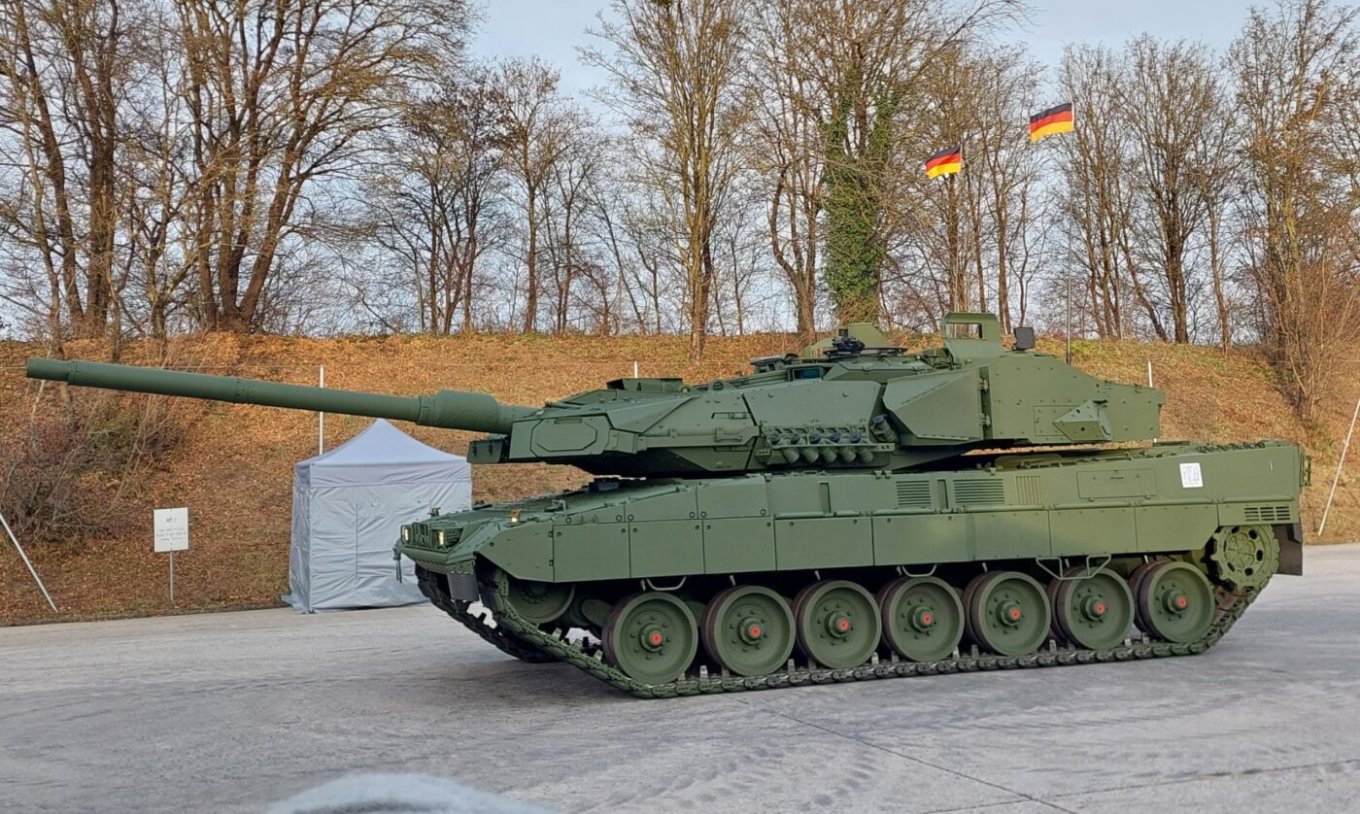
In terms of dimensions, the baseline configuration envisions a 60-ton tank with a growth margin of up to 15 percent. Length without the gun must not exceed 8 meters, width is limited to 3.8 meters, and height to 2.5 meters. This would make the vehicle slightly shorter and significantly lower than the Leopard 2, whose latest variants can reach a height of around 3 meters and a length of 8.05 meters, with a combat weight of approximately 69.5 tons.
As a system intended for EU-wide service, the tank must comply with all relevant road and rail transport standards. Another noteworthy requirement concerns secondary armament, which should be capable of engaging lightly and moderately armored vehicles. This likely implies an automatic cannon in the 20–30 mm class, which could also be used to counter drone swarms.
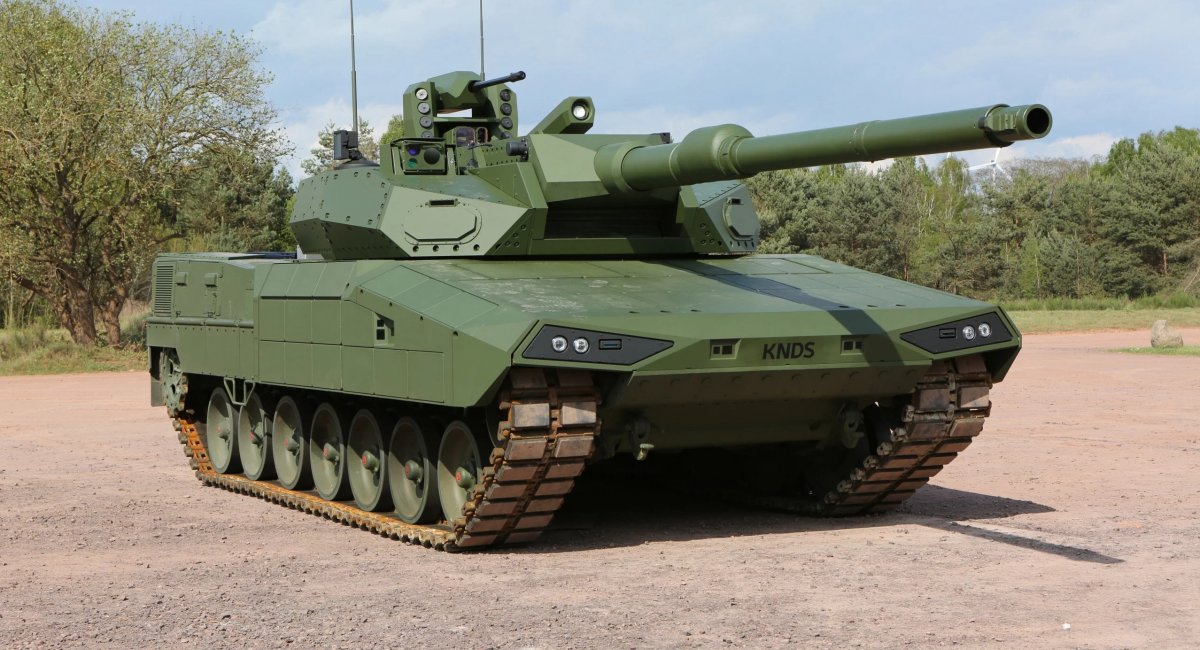
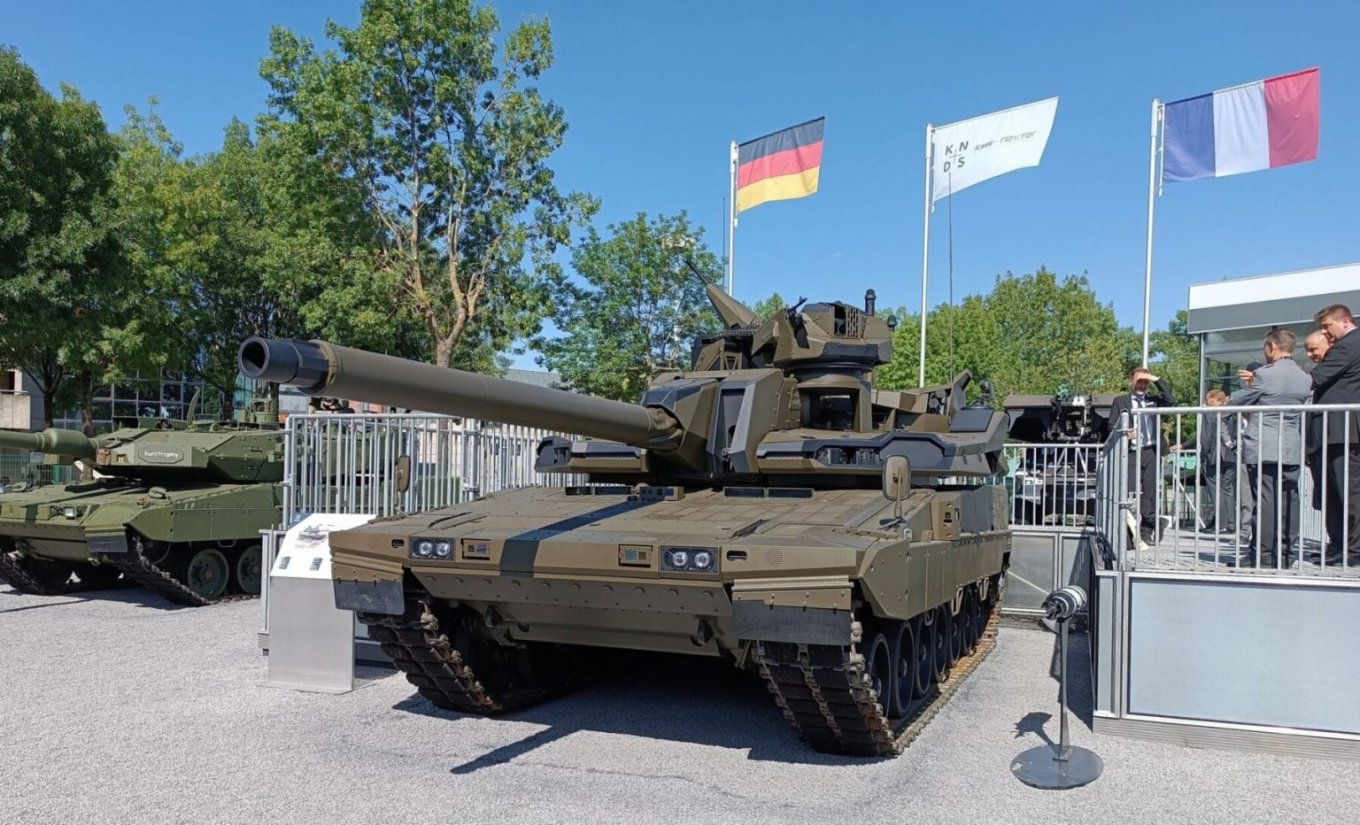
At present, one tank demonstrator appears to align most closely with these criteria: the Leopard 2 A-RC, featuring an unmanned turret and unveiled in the summer of 2024. It includes a dedicated weapon module, fits within the stated dimensional limits, has a combat weight of up to 60 tons, and a height of just 2.44 meters.
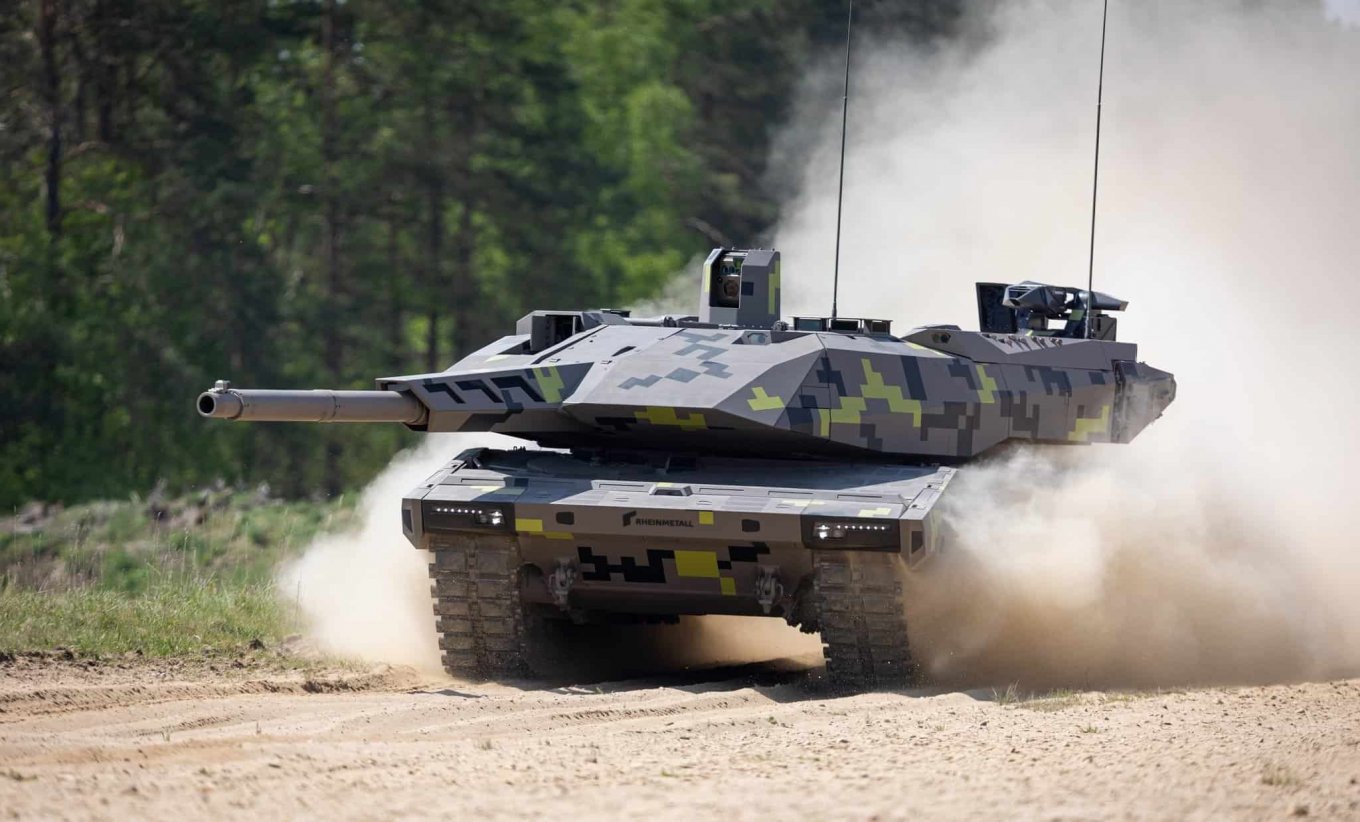
While it does not perfectly meet all the outlined requirements, it arguably has the strongest starting position in a future tender. At the same time, Rheinmetall's KF51 Panther could emerge as a serious competitor. French industry may also present a candidate, as France is eager to replace the Leclerc, although it has unfortunately lost much of its full-scale domestic tank-building capability.
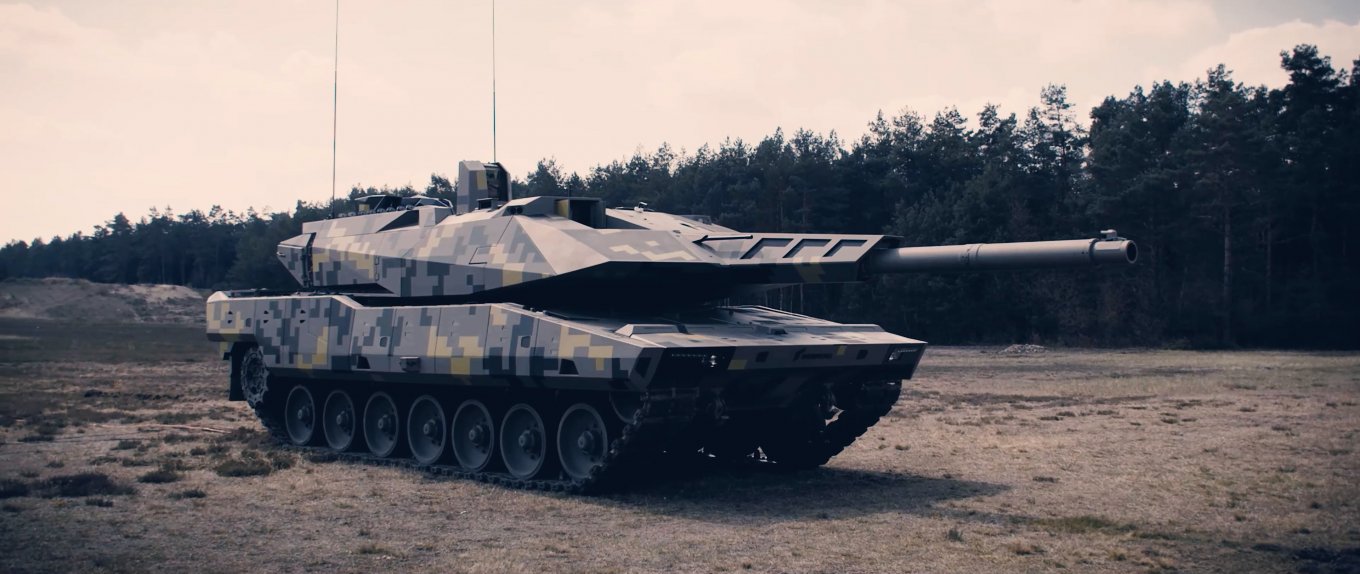
A single main battle tank for the entire EU would offer a significant opportunity for standardization among member states, while also enabling economies of scale and greater industrial output. However, achieving this would require overcoming a major obstacle: defense industry lobbying and the political ambitions of individual countries, each seeking a larger "share of the pie."
Read more: Europe Ramps Up Tank Production, Localizing Leopard 2A8 Manufacturing in Czechia