


For several decades, India has maintained close cooperation with russia in the procurement, localization, and even joint development of weapons and military equipment. Among other implications, this partnership could potentially facilitate the circumvention of international sanctions.
The Indian government has long pursued a policy aimed at increasing strategic autonomy in defense matters. As part of this approach, New Delhi has been expanding localization requirements and insisting on technology transfer as a key condition in defense contracts.
Read more: India Shows Its First Locally Built PULS-Based MLRS, Named Suryastra — with Extra Visual Intimidation
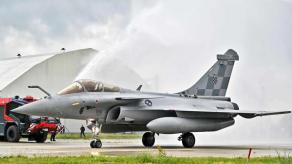
Many companies from a wide range of countries have entered the Indian market under these terms. French aerospace manufacturers are a notable example, with some even expressing readiness to share sensitive engine-production technologies. russian firms, however, have in many respects gone even further, and since the start of russia's war against Ukraine, Moscow has only increased its willingness to cooperate with India.
Such cooperation creates an opportunity not so much to directly replenish russia's state budget as to attract funding for the development of its defense-industrial enterprises and the further refinement of various programs. It also allows russia to utilize production capacities that might otherwise remain idle due to its limited ability to sustain them independently.
This leads to a critical issue: the impact of international sanctions on russia's defense industry. Although Moscow has learned to bypass certain restrictions, including with China's assistance, sanctions remain a serious blow and a major constraint on multiple programs. In some cases, they have resulted in the cancellation of entire projects, such as the A-100 airborne early warning and control (AEW&C) aircraft.
To reduce these challenges, India has indicated that it is prepared to integrate domestically produced components into russian-designed weapons or to localize the production of russian components within India. At the political level, both sides appear to see no significant obstacles to such arrangements.
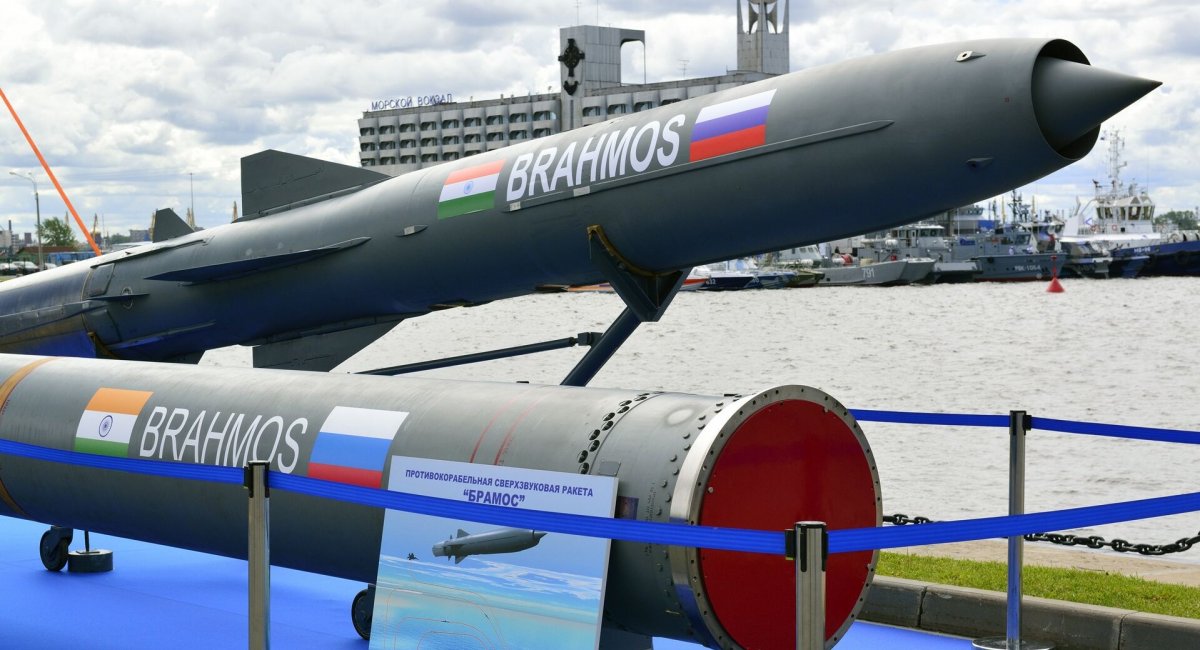
This, in turn, raises the possibility that new supply chains established to meet India's defense needs could, at least in theory, be leveraged to support the production of weapons for the russian military. Such a scenario would create additional pathways for sanctions evasion. Another potential option could involve the use of Indian-developed alternatives to components traditionally supplied by russia's own defense industry.
However, as of now, there have been no confirmed cases of russia purchasing weapons from India, only the opposite. Instead, as already noted, Moscow has managed to establish channels for acquiring sanctioned components and equipment through China and other alternative routes.
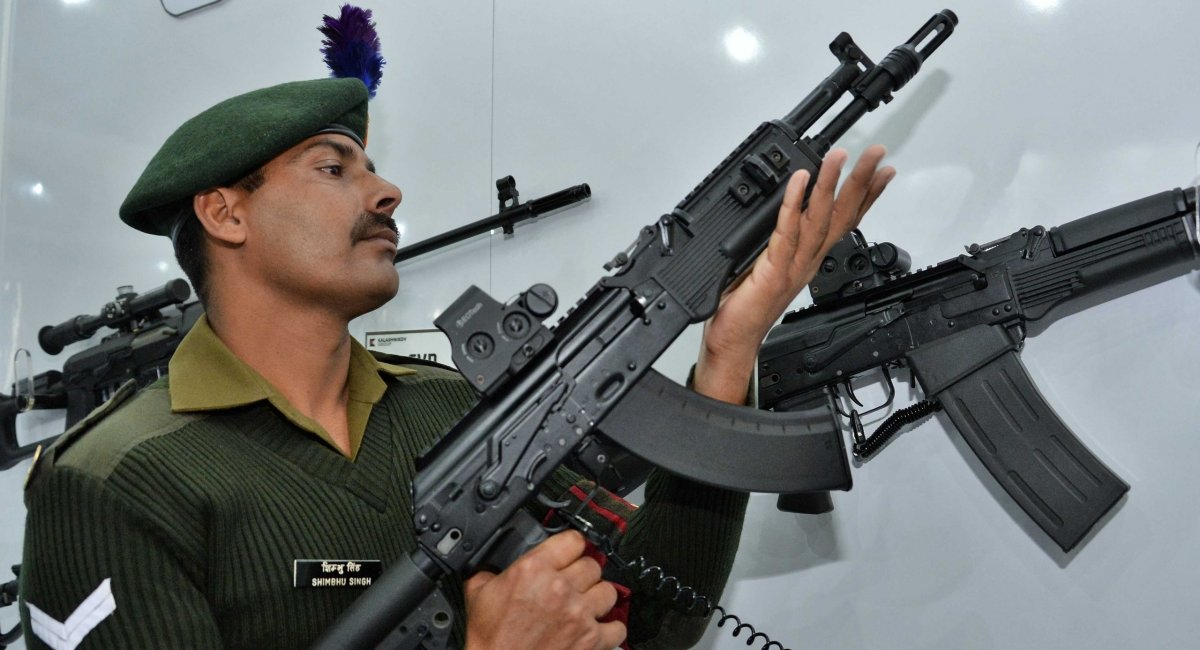
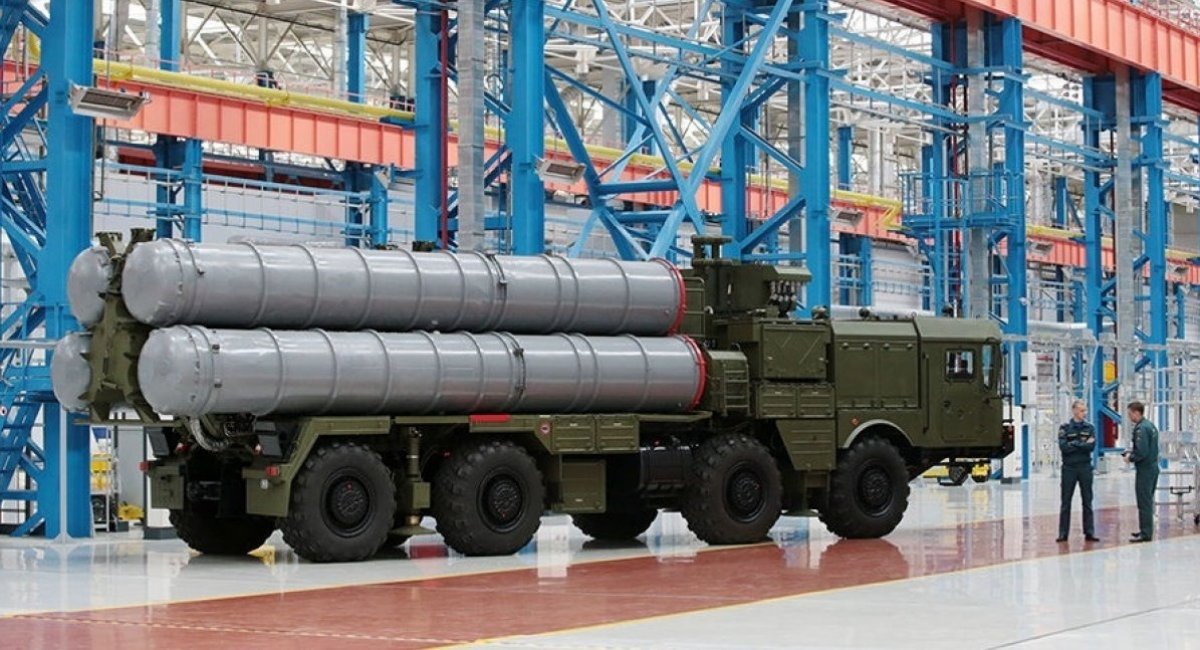
When it comes to joint developments, systems created in cooperation with India could indeed later be adapted for russia's own needs. One frequently cited example is the S-350 air defense system, which incorporates technologies originally developed for South Korea's KM-SAM program.
It is also worth noting that India faces no restrictions on importing Western technologies and components. As a result, Indian manufacturers are not necessarily concerned with the fact that russia itself cannot legally acquire such items. This creates a potential supply channel, although it remains unclear whether it will actually be used in practice.
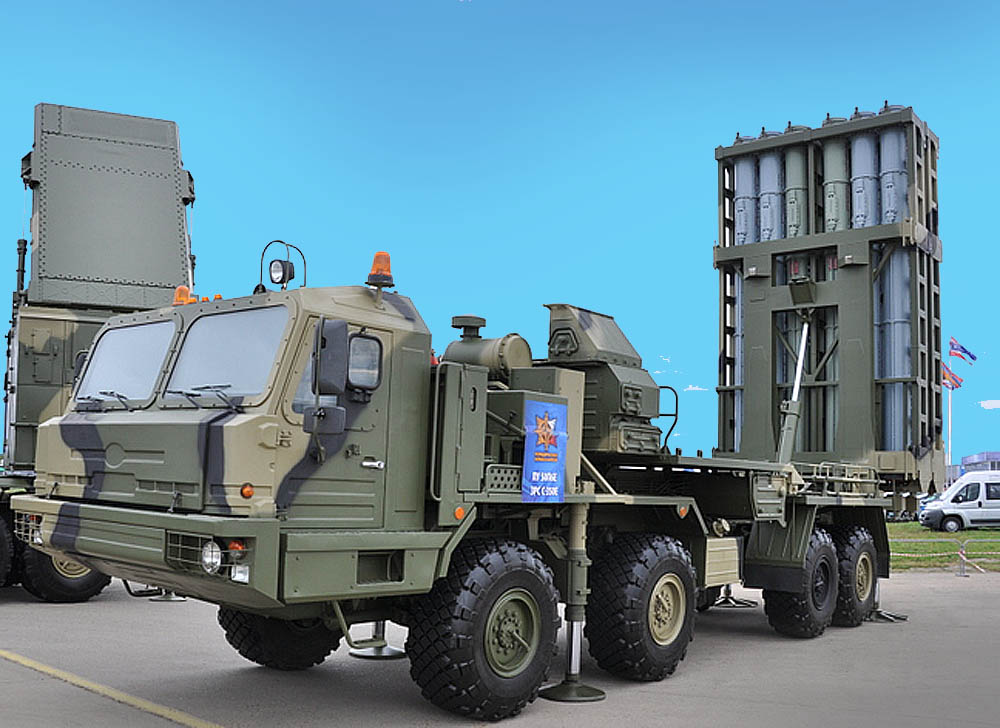
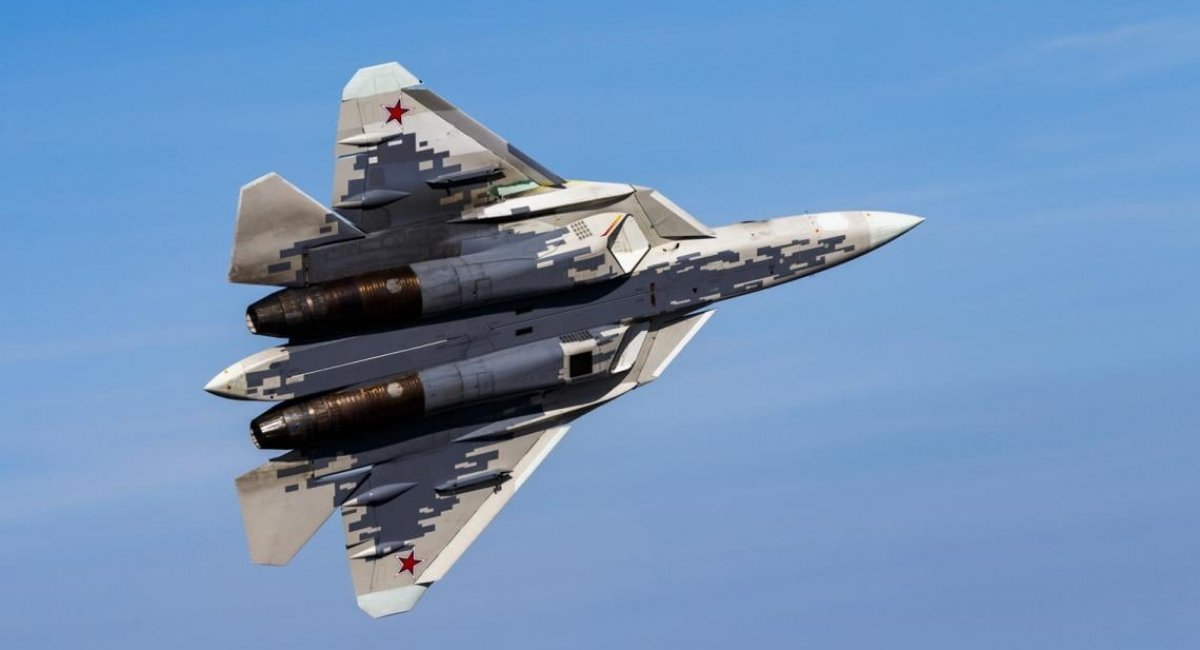
Overall, Indian–russian defense cooperation continues to present challenges from the perspective of sanctions enforcement. However, with no new contracts signed so far for systems such as the Su-57E fighter or the S-350 air defense system, it remains possible that many of these plans and political declarations will ultimately fail to materialize.
Read more: How India Could Become the World’s First to Field a Jet-Powered 155 mm Artillery Shell, Potentially Even Beating the U. S.