


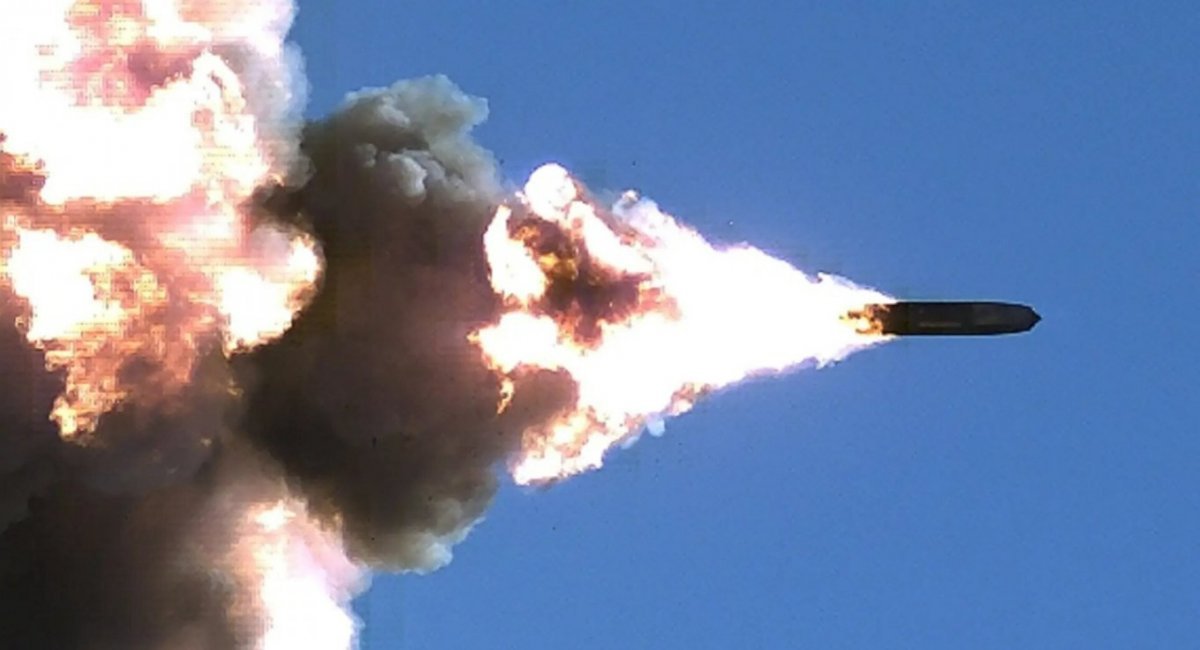
Development of a 155 mm ramjet-powered artillery projectile is currently underway in India. The program is being carried out by the Indian Institute of Technology Madras (IIT Madras) in cooperation with the Defence Research and Development Organisation (DRDO).
India has now stated that its army could become the first in the world to operationally deploy such 155 mm shells. The projectile is currently undergoing an active testing phase, according to the local outlet The Week.
Read more: Pakistan Conducts First Test of Its Taimoor Cruise Missile With 600 km Range, Positioned as Counter to India's Storm Shadow / SCALP
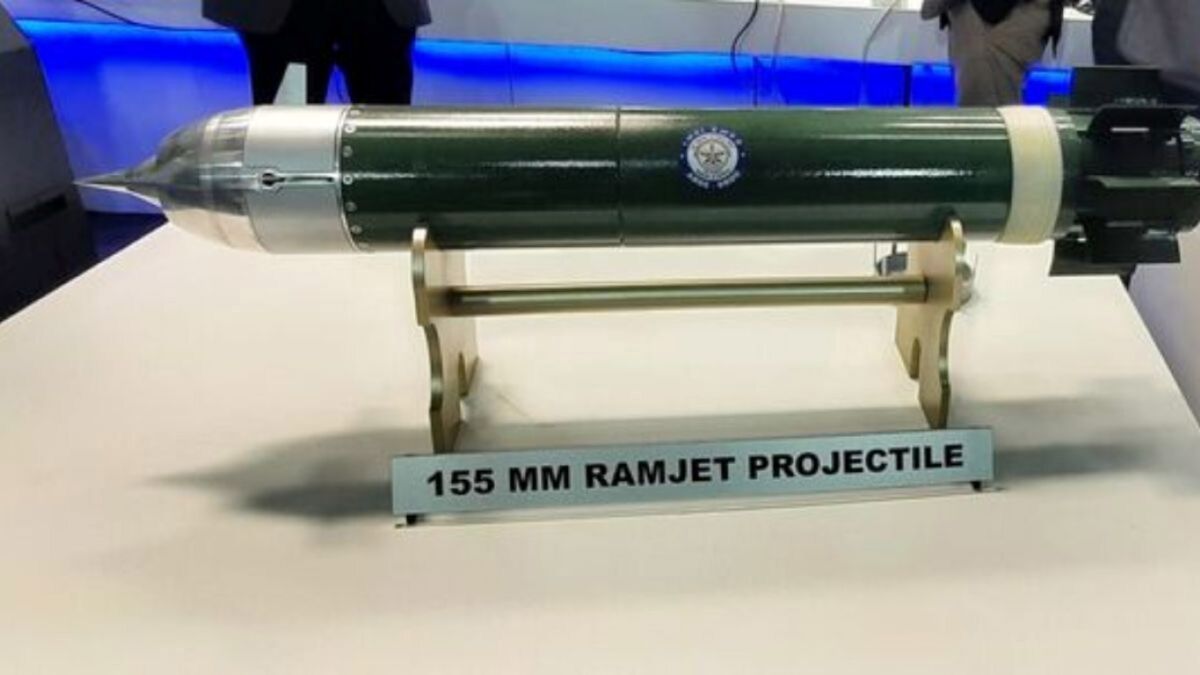
From Defense Express, it should be noted that the exact performance characteristics of the Indian shell have not yet been disclosed. Nevertheless, some assumptions can be made based on publicly available data regarding a comparable design: the Ramjet 155 projectile developed jointly by the U.S. company Boeing and Norway's Nammo.
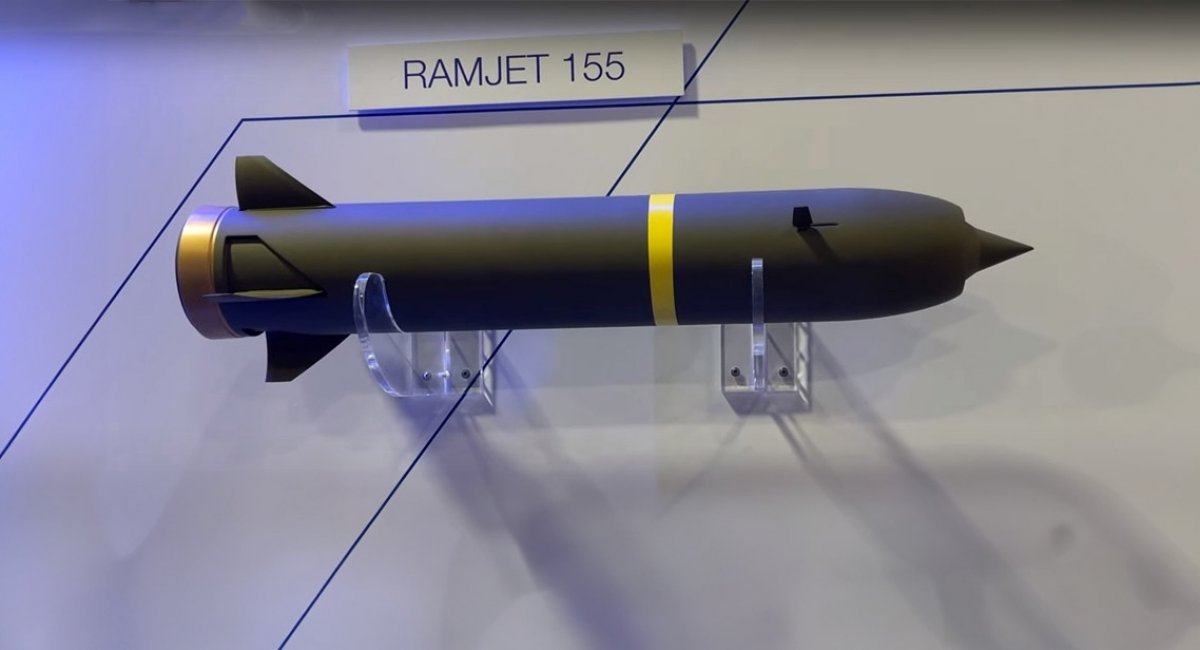
The Ramjet 155 is capable of engaging targets at ranges of up to 150 km, although the actual range depends on barrel length and may be shorter. It can be fired from any artillery system of the appropriate caliber. At the same time, the use of a ramjet engine has notable drawbacks, most notably a significant reduction in warhead mass, which is several times smaller than that of conventional artillery shells. A schematic of the American–Norwegian Ramjet 155 engine layout clearly illustrates this trade-off.
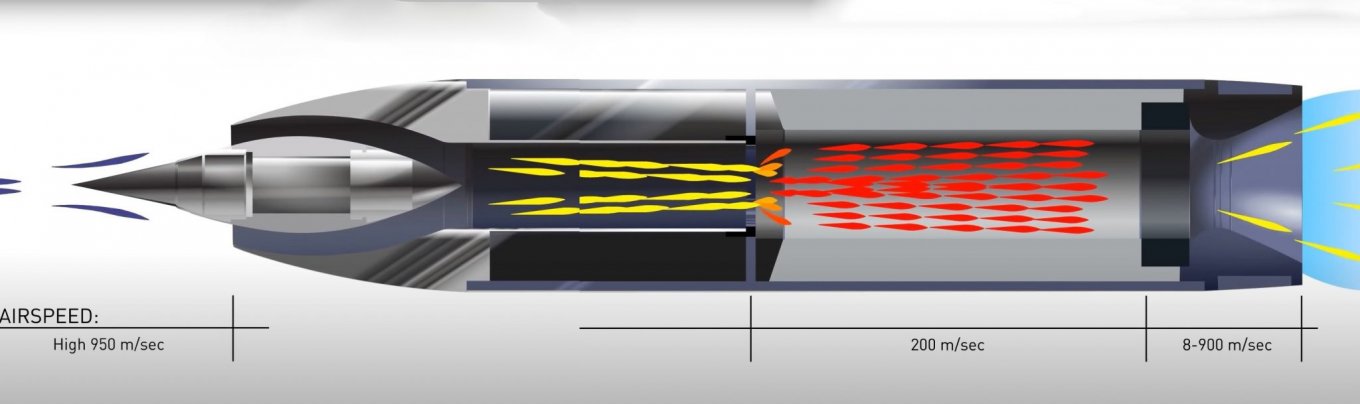
However, the reduced explosive payload can largely be offset by accuracy, as the projectile is equipped with an inertial navigation system and GPS guidance. In addition, its extremely high velocity further enhances its destructive potential against certain categories of targets. As a result, such shells are particularly well suited for engaging air defense systems, electronic warfare assets, ammunition depots, and airfields.
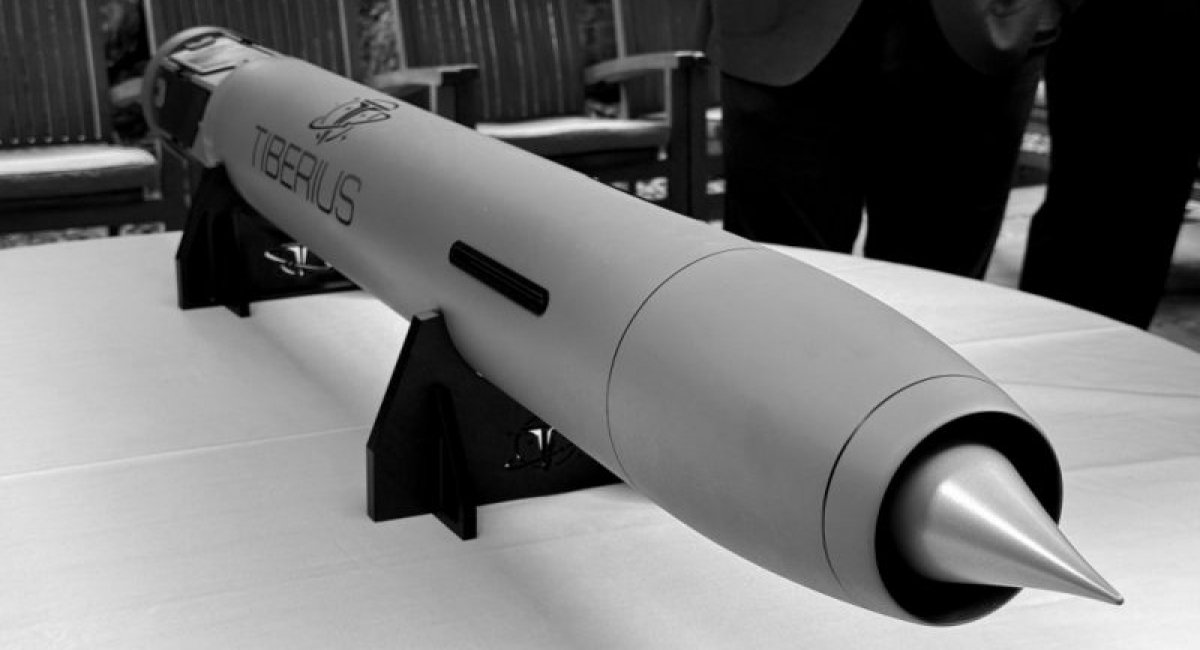
Despite India's claims that it may become the first in the world, the United Kingdom could realistically outpace it with its own 1.5-meter-long diesel-powered TRBM 155HG SCEPTRE projectiles. The company Tiberius Aerospace has already received a contract from the UK Ministry of Defence for their development and testing. Moreover, there is a possibility that these shells could eventually be supplied to Ukraine.
At the same time, the Ramjet 155 itself is also in the final stages of development and is reportedly nearing operational deployment. The original deadline for the program was set for last year, although no recent updates have been made public.
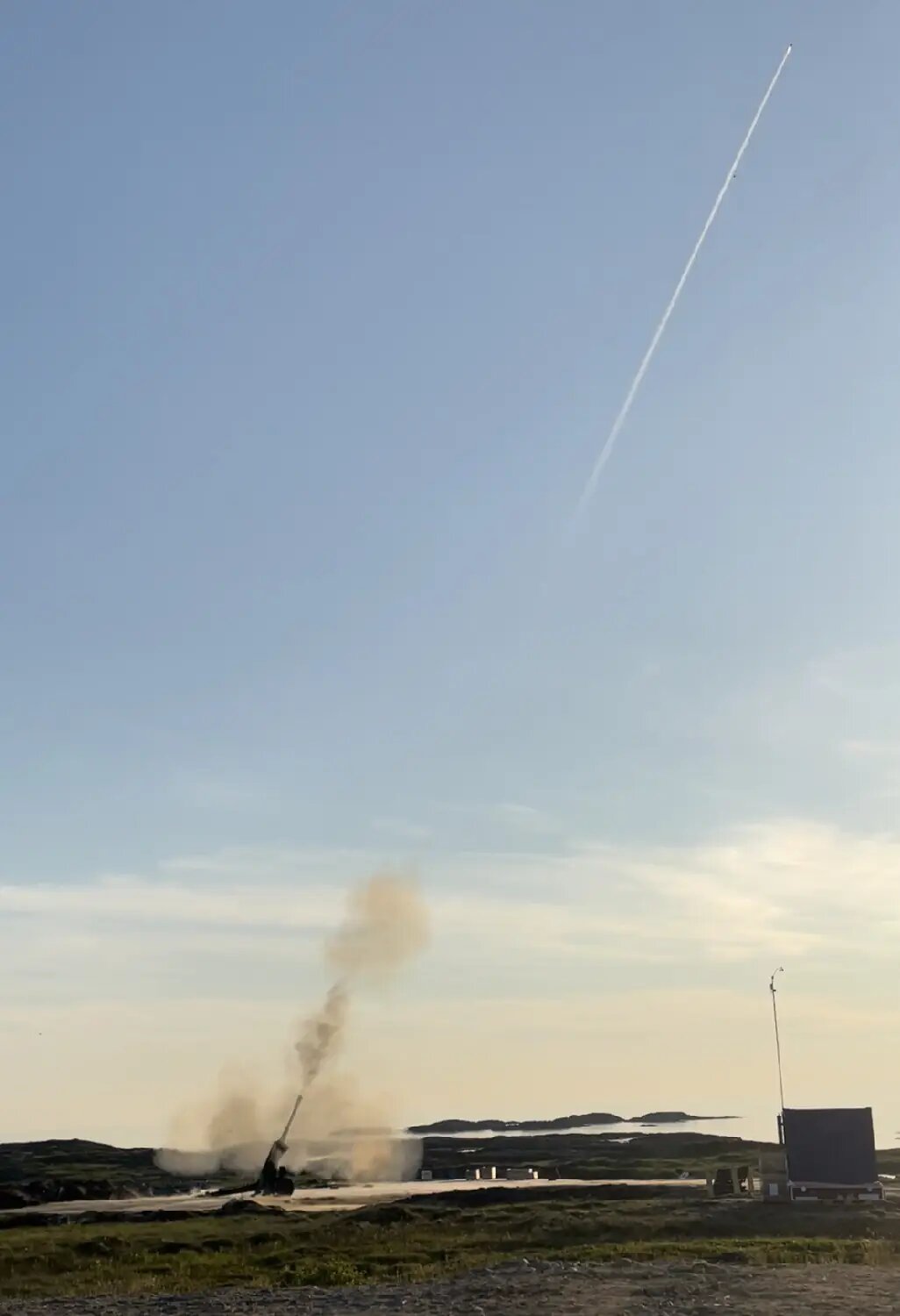
Türkiye should also be mentioned, as it is developing similar ramjet-powered artillery projectiles. Turkish programs are likewise approaching the final stages and nearing operational readiness. Taken together, this suggests that India may not be as far ahead of the rest of the world as claimed when it comes to developing and fielding such advanced artillery ammunition.
Read more: Why India Plans to Convert Civilian Boeing 767s into Tankers Instead of Relying on russian Il-78s