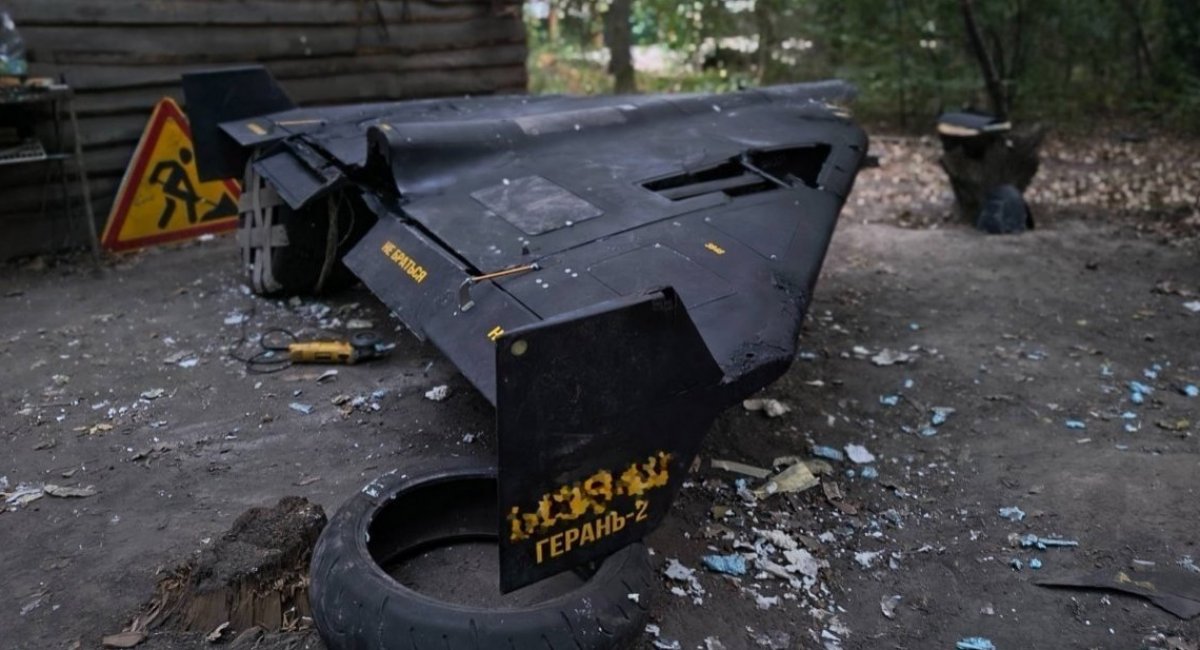
American defense company AeroVironment announced release of its new Locust laser system iteration, which received already third generation — X3, and is designed for combating primarily unmanned aerial vehicles from first to third class inclusive (weighing up to 600 kg), thus should intercept long-range kamikaze drones like Shahed/Geran.
The company states that Locust X3 sets a new standard for modular drone defense with artificial intelligence support, providing unprecedented precision, scalability and operational flexibility for countering existing and emerging aerial threats, including aerial and maritime drones.
Read more: UK Ministry of Defence: British Forces Intercept Iranian Drone, RAF Surpasses 850 Hours as Hormuz Security Talks Continue
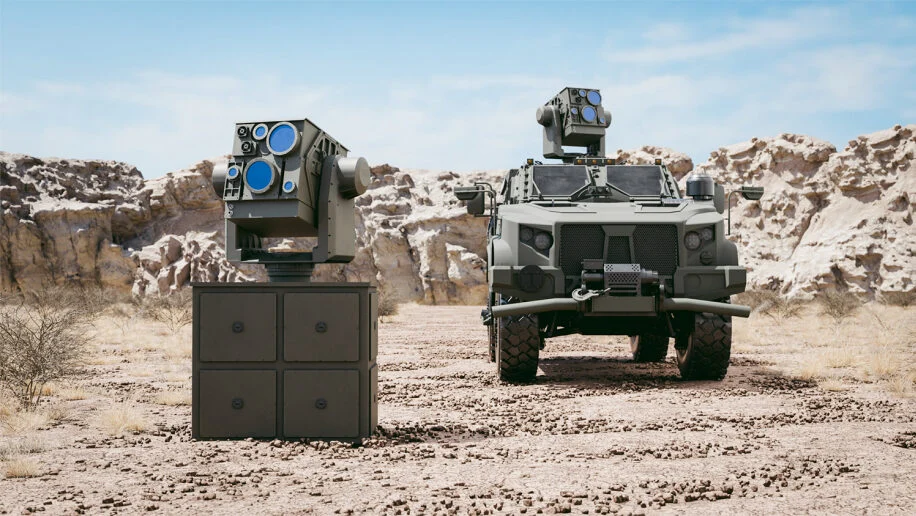
As AeroVironment notes in its official press release, Locust X3 laser system is already ready for serial production. At the same time, in comment to Breaking Defense, Senior Director of Business Development Aaron Westman admitted X3 upgrade has not yet been tested as integrated system — testing is expected over the next several months, while all subsystems comprising the system have already been tested separately.
According to Westman, the new system modification was created considering real needs and based on data received from military personnel who operated early Locust laser weapon versions. For example, late last year we reported that the U.S. Army received two JLTV vehicles with LOCUST LWS systems, this being the second batch of Locust prototypes delivered to troops, with the Army receiving the first back in 2022 and operating it for four years now.
This means Locust appears to have demonstrated certain results in countering drones, and AeroVironment has opportunity to improve it based on real results rather than proving ground tests — as this is the most painful place in creating laser systems, when during tests they demonstrate supposedly good results but fail in real combat conditions.
The company emphasizes that shooting down one drone using Locust X3 laser system costs only five dollars, with undeniable advantage being absence of reloading need, enabling its use over extended period.
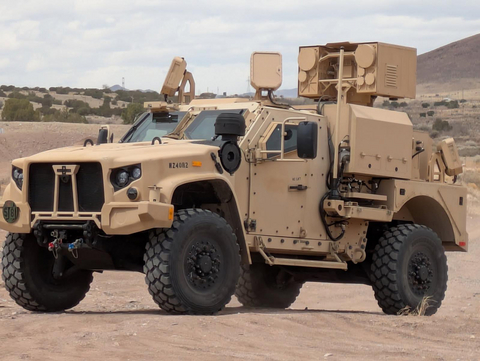
Locust X3 can be equipped with 20 kW to 35 kW and higher power laser and has improved target detection and tracking system equipped with artificial intelligence.
Has high field repairability given lessons learned during previous Locust system iteration deployment, this enhances system productivity and ease of field maintenance, especially in dynamic high-threat-density environment.
Read more: U.S. to Expand Production of 500-km PrSM Missiles for HIMARS Following Their Combat Debut in Iran