


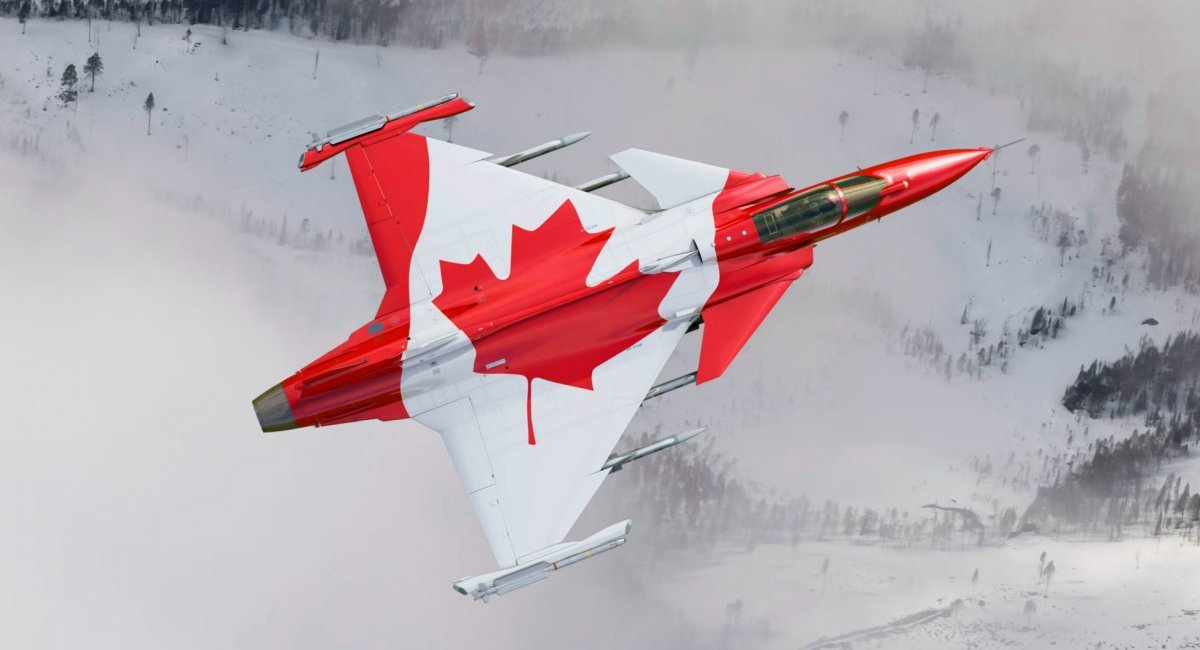
Sweden has dramatically intensified its Gripen campaign in Canada at the highest political level. This week's delegation includes the Deputy Prime Minister, the Minister of Defense, and members of the Swedish royal family, with a series of meetings focused on security and defense-industrial cooperation.
The possibility that Canada could purchase the Gripen instead of fully executing its F-35 contract became a central topic in Swedish Defense Minister Pål Jonson's interview with CBC.
Read more: What Rafale Can Do That Gripen Cannot and What the Swedish Fighter Can Do That the French Jet Can Only Dream Of
One of Sweden's long-standing selling points for the Gripen is extensive local production. For Canada, this is already appealing — especially given the deep industrial ties between Saab and Bombardier, whose business jets form the basis of Saab's GlobalEye AEW&C aircraft. Should Canada select the Gripen, broad industrial localization on Canadian soil is virtually guaranteed.
But in Canada's case, the offer goes even further — including the prospect of participating in fighter-jet production for third countries, primarily Ukraine. Discussions on this theoretical option were already underway back in October at the Canadian government level.
"What we are looking for — especially if we reach an agreement together with Ukraine for Gripen to become the backbone of its air force — is expanded production capacity. That is why I talk about partnership. I know Canada has a strong aviation sector, and that's why we are very interested in deepening our cooperation and expanding it globally," Jonson said.
He added that this idea is also part of discussions with Ukraine, which is well aware of Canada's powerful Ukrainian diaspora — something that reinforces political unity around strengthening Ukraine.
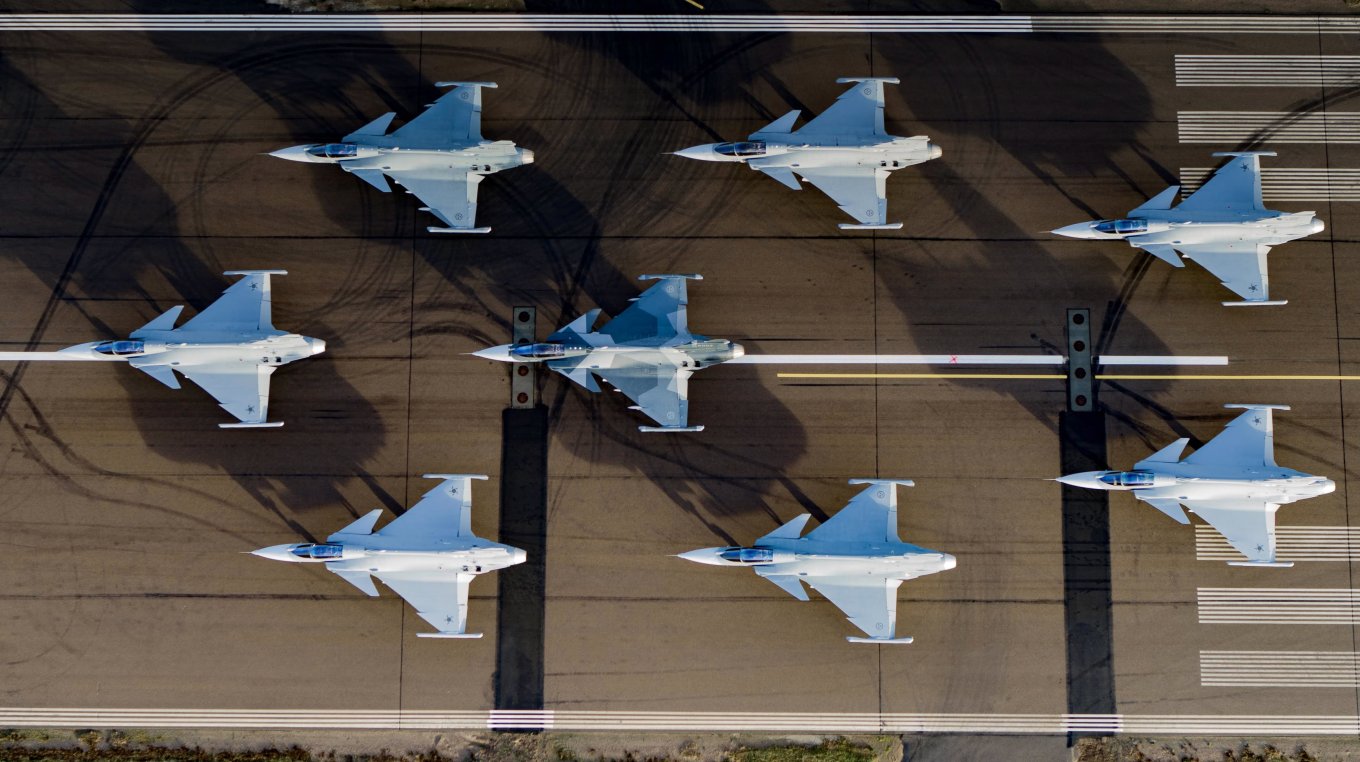
"I think we could produce an additional 100–150 Gripens on top of what we currently manufacture in Sweden. Colombia has joined in, we have Brazil, and there are other countries that need increased production — which could take place in Sweden or elsewhere. But I think it will be difficult to do everything in Sweden," the minister noted.
From Defense Express' perspective, Sweden's proposal looks more "promotional" than "practical," as persuading Canada to switch to the Gripen will be extremely challenging — which explains why Stockholm appears to be using every argument available.
It is also essential to understand that, under any scenario, deliveries of new Gripen E/F aircraft to Ukraine or Canada would only occur in the medium term — more realistically in the 2030s. Therefore, for Ukraine, the top priority must be securing the highest possible level of local production inside Ukraine.
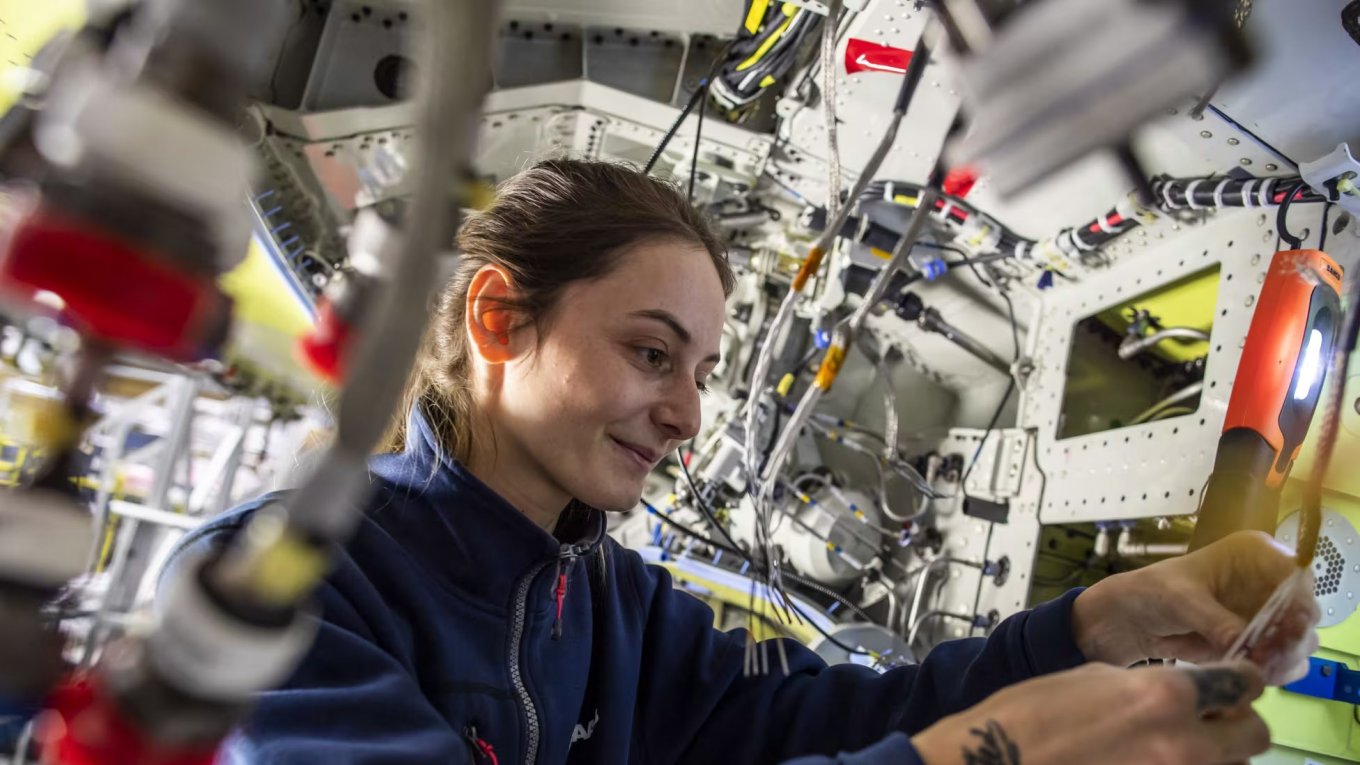
This would ensure that at least a portion of the funds from this enormous procurement remains within the Ukrainian economy; it would create new jobs, new industrial facilities, new competencies, and the ability to service and upgrade the aircraft domestically. This is vital — and also explains why Canada may be so eager to "help" build Gripens for Ukraine.
At the same time, Sweden may have another motive. Saab may be realistically assessing its scalability limits. If the company lands firm orders for 100–150 aircraft for Ukraine, possibly another 50–100 for Canada, and Brazil expands its fleet, fulfilling all these orders in a reasonable timeframe without major restructuring will become impossible.
In that case, one of the few practical, and likely optimal, solutions would be to create a tightly integrated multinational production network with shared capacity across Sweden, Brazil, Ukraine, and Canada, where additional foreign lines would complement rather than compete with one another.
Read more: Ukraine to Start Assembling Gripen Jets in 2033: How Long Will It Take to Produce 150 Fighters?