


The annexation of Greenland by the United States, despite the island being a sovereign territory of Denmark, is currently beginning to look like a fairly realistic development. This is driven both by openly aggressive official rhetoric coming from Washington and by the helpless calls of European politicians for "measured negotiations."
Regardless of how the White House might attempt to justify aggression against an ally, which would effectively mark the final collapse of the 77-year-old North Atlantic partnership, it is highly unlikely that the United States could take control of Greenland without conducting a full-scale military operation. Moreover, preparations for seizing the island may already be underway.
Read more: Why Trump's Golden Dome Justification For Seizing Greenland Does Not Stand Up to Any Criticism
Why Preparations for the Annexation of Greenland Cannot Be Hidden
There is a widespread belief that the United States would not need significant forces to seize Greenland. After all, Denmark maintains virtually no substantial garrison on the island, leading to the assumption that Greenland could be taken by little more than a platoon of Marines. Indeed, Denmark's actual military presence is minimal: the Danish Armed Forces' Arctic Command (Arktisk Kommando) in the island's capital, Nuuk, numbers around 150 personnel, none of them equipped with heavy weapons.
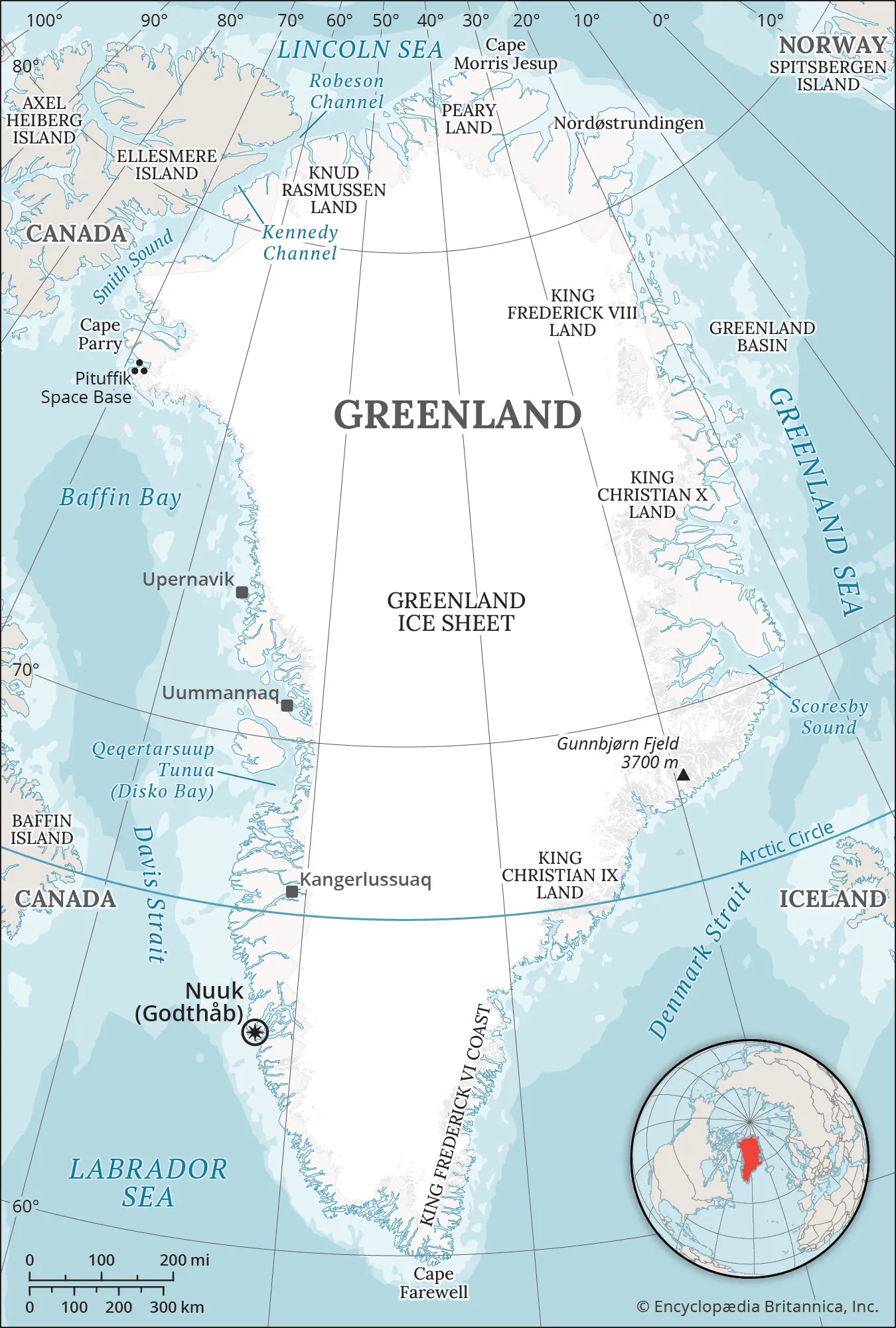
However, the main challenge of such an operation would not be military resistance. It would be geography. Greenland covers an area of 2.16 million square kilometers, roughly 2,700 km by 1,300 km. For comparison, this is about 3.6 times larger than the territory of Ukraine.
To annex Greenland, U.S. forces would have to conduct an amphibious operation at distances exceeding 2,300 km from the U.S. mainland to reach the island's western coast, where most of its roughly 57,000 inhabitants live, and around 3,000 km to the eastern coast, which has only one small settlement and a handful of polar stations.
Given such distances, the United States would have no alternative but to concentrate sizable forces, largely to support and sustain the operation. In practice, this would resemble past U.S. operations where large naval formations were deployed to enable comparatively small landings. For example, in an operation aimed at abducting Venezuelan President Nicolás Maduro, the United States reportedly deployed both a carrier strike group and an amphibious ready group, including a nuclear-powered aircraft carrier, two guided-missile cruisers, and five destroyers, even though only about 150 troops were involved in the landing itself.
How Greenland Could Be Seized
If one assumes a classic operation to seize Greenland and establish real control over an island larger than Mexico, it would not require occupying its entire territory. Instead, control would need to be established over key facilities, airfields and ports, which are usually located close to one another. Control over these nodes would effectively guarantee dominance over the island as a whole.
In total, Greenland has only nine civilian airstrips with hard surfaces capable of accommodating large military transport aircraft. Of these, only three have runways longer than 1 km—Kangerlussuaq, Nuuk, and Narsarsuaq—and all are located along the island's southwest and southern coasts. The rest are small, sometimes seasonal airstrips suitable only for light aircraft or helicopters.
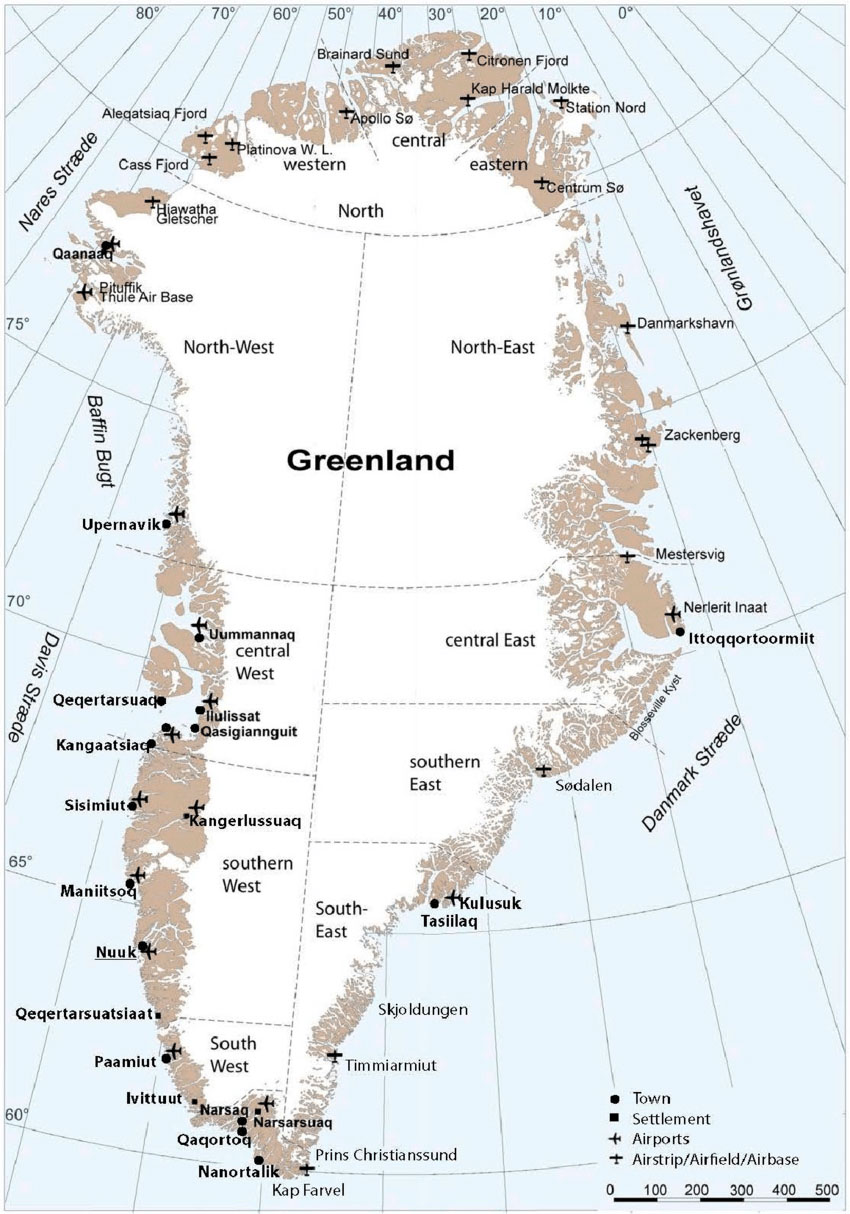
In the eastern part of the island, there are just three airstrips, all with gravel surfaces. Only one of them can be considered truly critical: Kulusuk, located near Tasiilaq, the main town of eastern Greenland with a population of over 1,800. This facility would almost certainly be taken under U.S. military control, not least because Tasiilaq hosts the only port on Greenland's eastern coast.
All other ports, more than ten in total, as well as all six container terminals capable of handling deep-draft vessels and equipped with the necessary logistics infrastructure, are concentrated along the western and southern coasts. The most important of these is the port of Nuuk, the capital of Greenland, which would almost certainly become the primary landing site for U.S. forces.
Thus, to establish full control over Greenland, it would be sufficient to seize only around a dozen logistical hubs. Doing so would allow complete control over the island’s life, which is entirely dependent on logistical connections with the outside world.
The First Marker of Preparation for the Annexation of Greenland
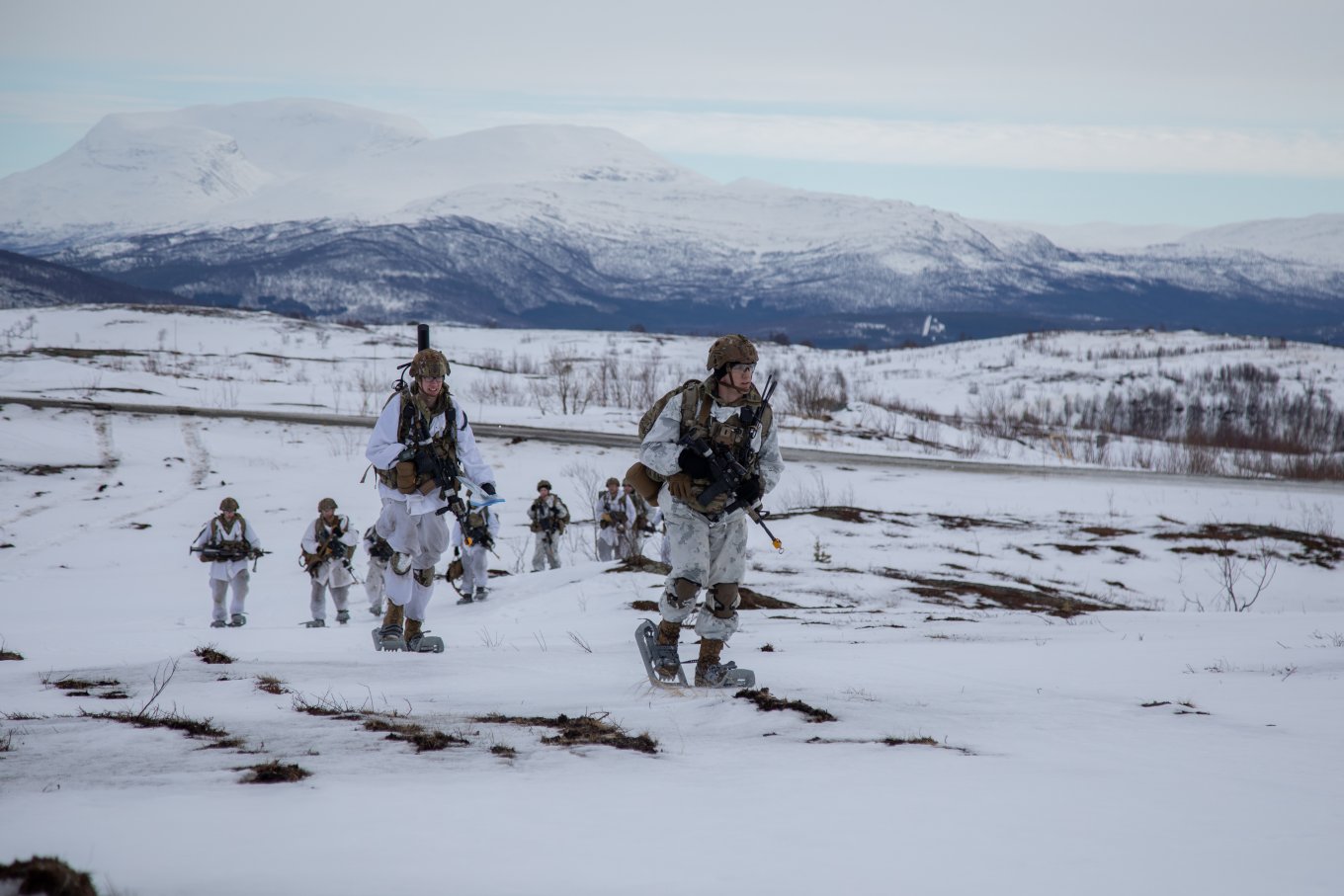
Conducting an operation in Greenland's harsh winter climate would require troops that have undergone specialized training and are equipped accordingly. The activation of such forces would therefore be an unequivocal sign of preparations to annex the island.
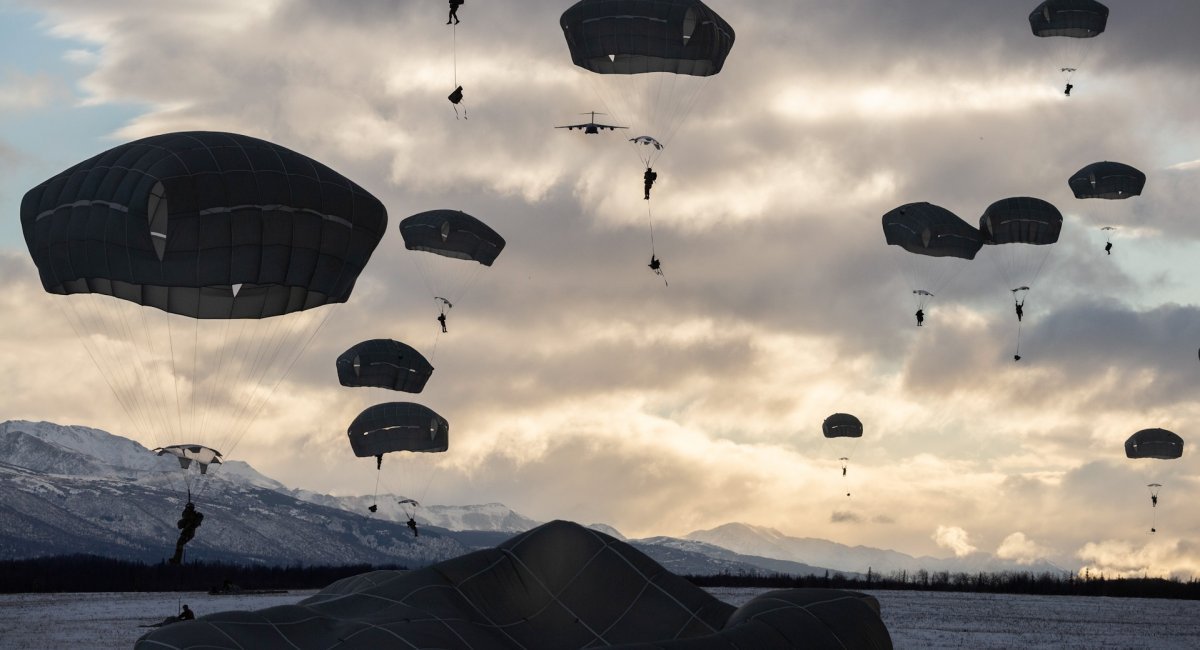
And just recently, the Pentagon began deploying two battalions (with other sources citing around 1,500 personnel) of the 11th Airborne Division, also known as the Arctic Angels, a unit with a narrow specialization in Arctic operations. The official reason given was to ensure public order in Minneapolis, where protests are ongoing against U.S. Immigration and Customs Enforcement (ICE) following the fatal shooting of a civilian by an ICE officer.
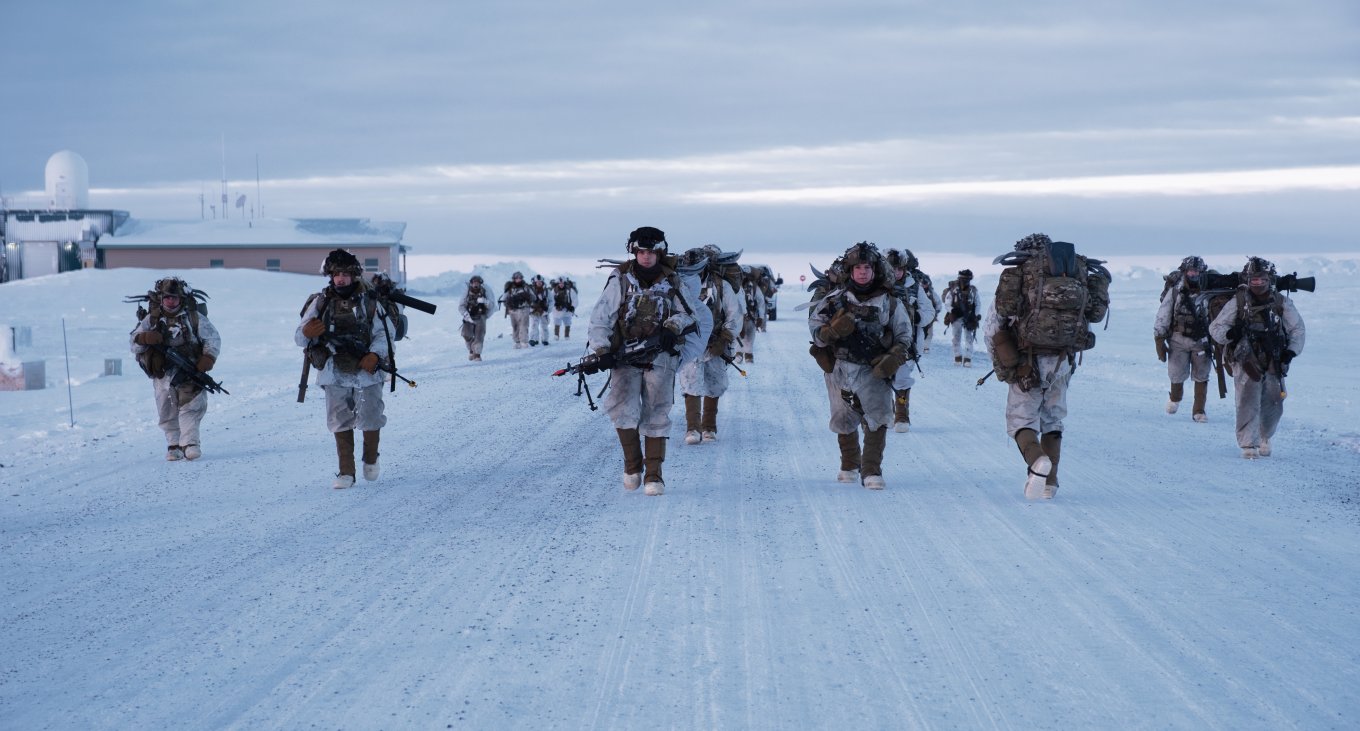
The very activation of regular army units for this task is odd for several reasons. Normally, National Guard units are used to maintain public order, yet to deploy airborne troops Donald Trump chose to dust off a very old law dating back to 1807. Another noteworthy aspect is that the 11th Airborne Division is based in Alaska, some 4,000 kilometers away from Minneapolis.
At the same time, it would be a mistake to assume that an airborne operation in Greenland would necessarily take place in extreme subzero temperatures. For context, in Greenland's capital, Nuuk, it is currently even slightly warmer than in Kyiv: –7°C in the morning versus –8°C during the day.
"The Enemy Is Already Inside," and Nothing Can Be Fully Hidden
From the standpoint of military planning, the seizure of Greenland would largely resemble russia's annexation of Crimea in 2014. And beyond the imitation of russian tactics, the key point is that "the enemy is already inside."
Just as russia maintained military bases in Ukraine's Crimea, the United States also has forces stationed in Danish Greenland. This refers to Pituffik Space Base, known until 2023 as Thule Air Base. It is a U.S. Space Force installation in northwestern Greenland that plays a critical role in the missile early-warning system. However, only about 150 personnel are permanently stationed there. As a result, the transfer of additional units to the base, along with a buildup of military transport aviation, could itself serve as a clear indicator of preparations for an operation.
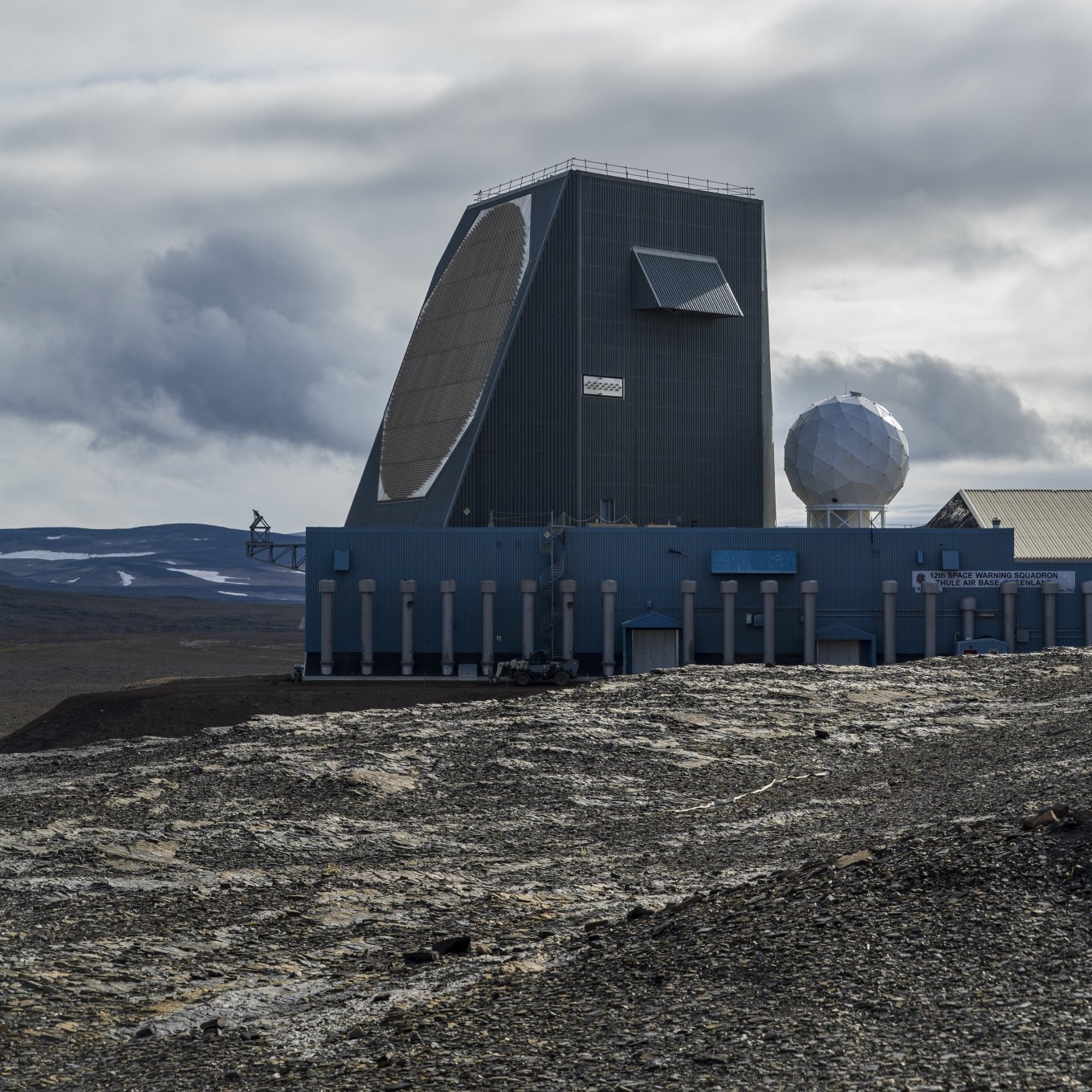
In addition, supporting an airborne operation at distances exceeding 2,000 kilometers and across roughly a dozen key sites would require a substantial concentration of military transport aircraft and aerial refueling tankers. It would also be reasonable to expect the deployment of an amphibious Marine Corps grouping in the Greenland area.
Finally, if the Pentagon were to act in accordance with its own doctrines, it would ensure the establishment of an access-denial zone around Greenland. This would require the deployment of naval forces between Europe and the island, potentially including a carrier strike group. In other words, due to the geographic complexity of such an annexation, the force package required to support it would be far larger than the number of U.S. troops actually landing on the ground. And activity on that scale would be extremely difficult to conceal.
For example, even preparations to seize the shadow-fleet russian Marinera tanker were detected due to the deployment of elite U.S. special forces units in the United Kingdom. Although that operation was conducted covertly, it still became known.
Read more: Greenland Row Doesn't Stop U.S. Arms Sales Denmark Gets Green Light for $1.8B Poseidon Deal