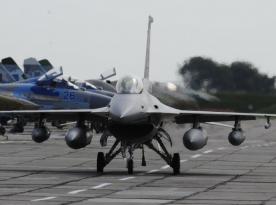

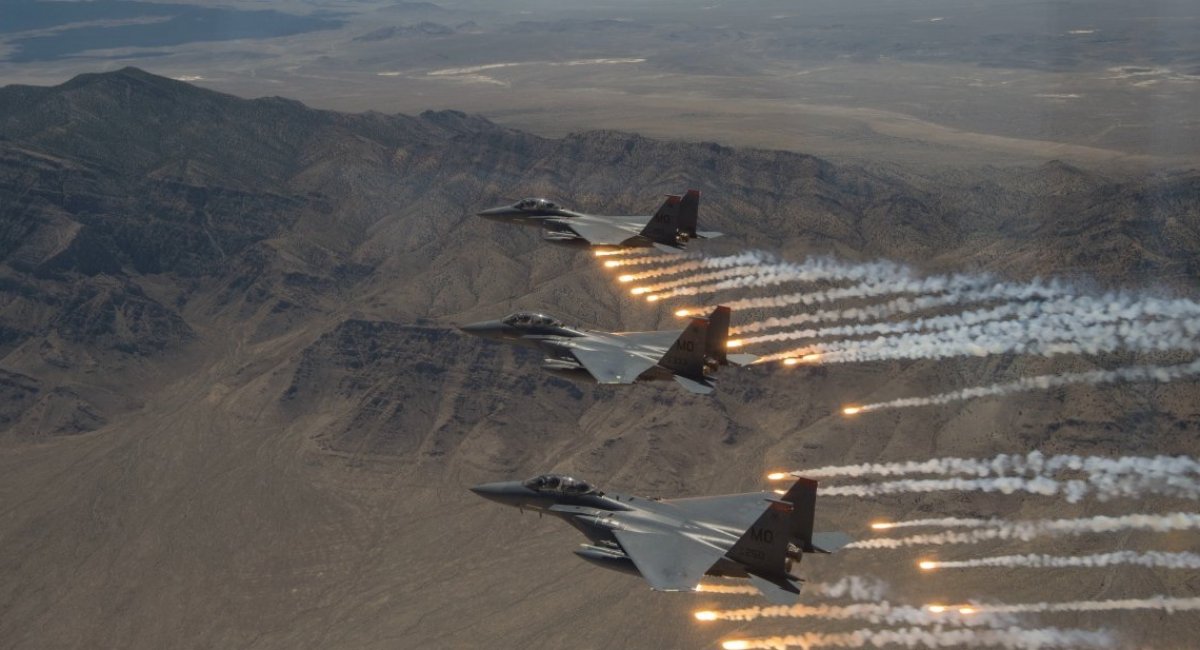
The incident in the skies over Kuwait on March 2, 2026, where a single F/A-18 Hornet "downed" three American F-15E Strike Eagles, will go down in history as the costliest case of modern friendly fire. Yet, setting aside the shock and the staggering losses of $300–400 million, a fundamental question remains: why, after decades of stealth and AI development, have we still not learned how to avoid shooting our own?
From Desert Storm to Epic Fury
The challenge of friendly fire has plagued aviation since its inception. During World War II, thousands of pilots were lost to their own air defenses and wingmen. To deconflict the British skies, the first Identification Friend or Foe (IFF Mark I) system was introduced in 1939. Yet even decades later, despite the shift to digital standards, the core issue persists: the human factor and the sheer speed of combat remain decisive.
Read more: New Details on History's Most Expensive Friendly Fire: One F/A-18 Hornet Defeats Three U.S. F-15E Strike Eagles, Setting New Record
During Operation Desert Storm (1991), roughly 17% of all U.S. combat losses were caused by friendly fire. This failure forced the Pentagon to radically overhaul IFF protocols and implement advanced digital battlefield management tools.
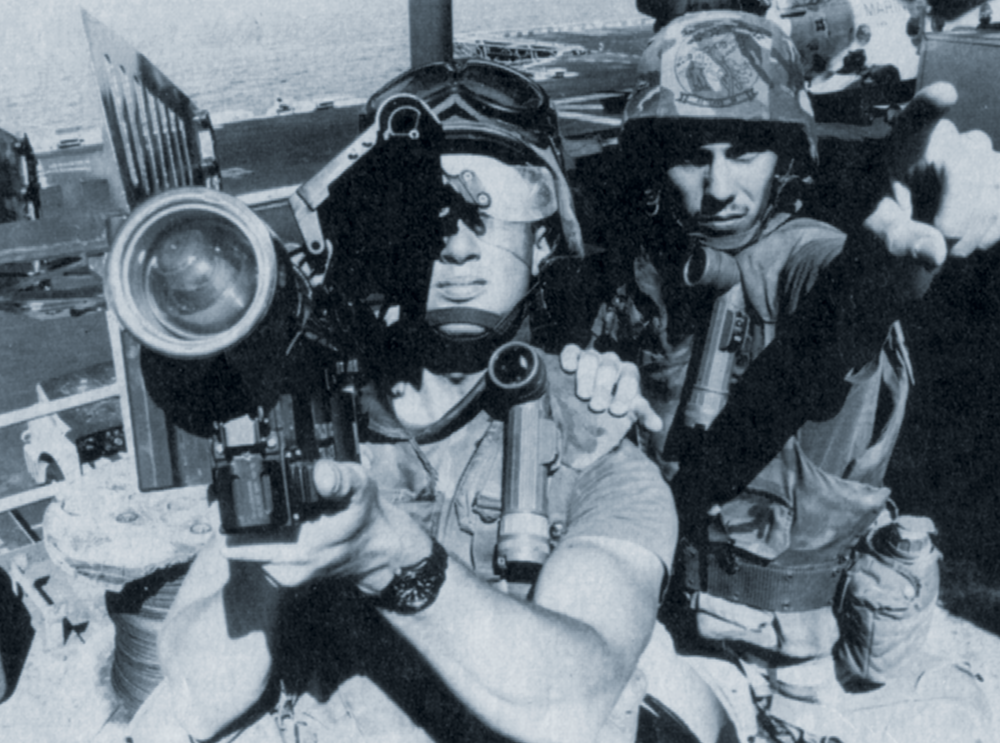
In 2003, during the Iraq War, U.S. Patriot systems mistakenly shot down a British Tornado and an American F/A-18.
The 2026 Kuwait disaster during Operation Epic Fury demonstrated that even in a network-centric environment, a single pilot can decimate an entire allied flight in a matter of seconds.
Cognitive Overload: The Digital Fog
Carl von Clausewitz famously described war as the realm of "friction" and "fog." By 2026, that fog has turned digital. The problem is no longer a lack of information but an overload. Operators face sensor saturation, compressed decision cycles, and only milliseconds to act.
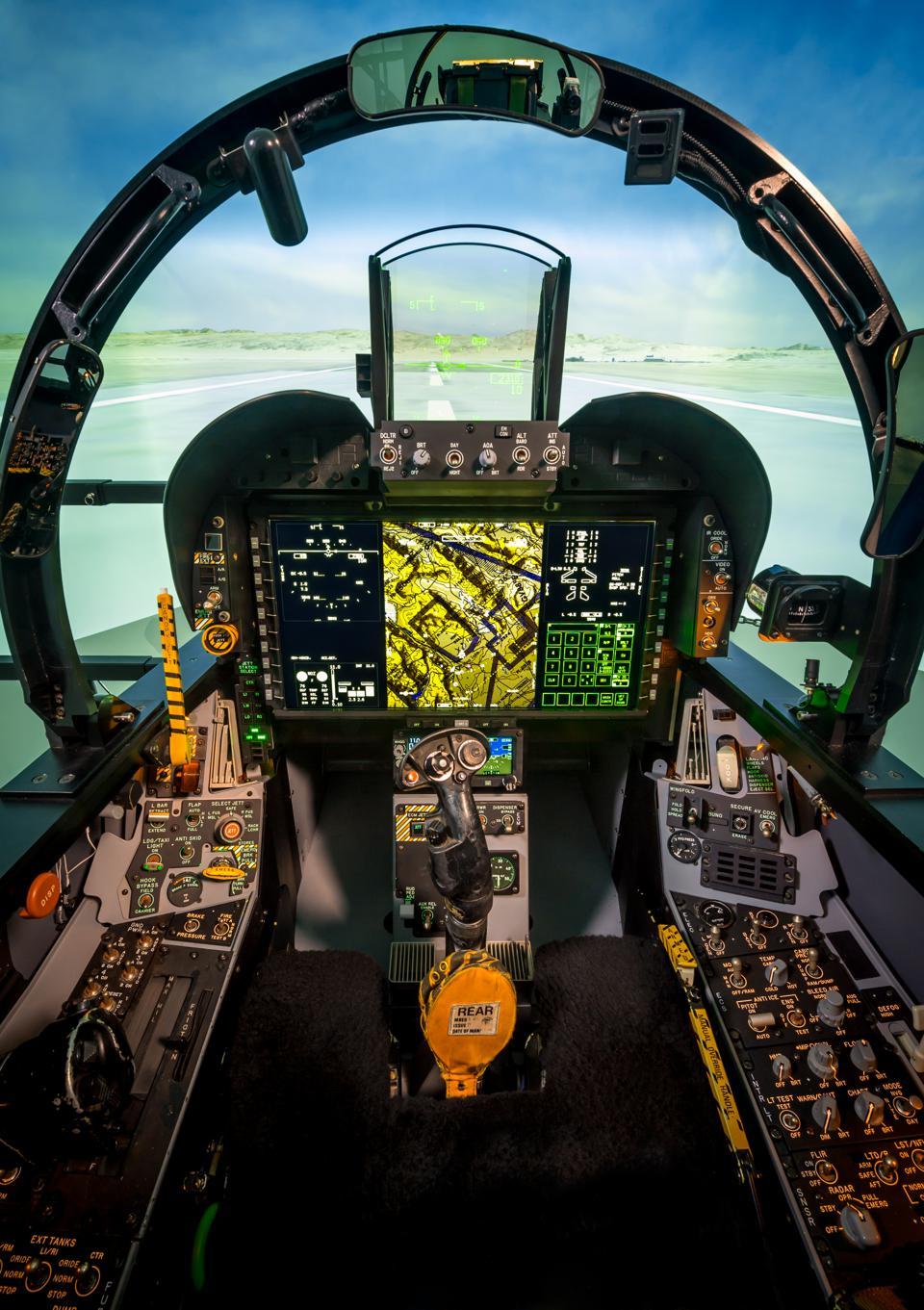
The modern cockpit presents a large amount of information from radars, satellites, AWACS, and ground stations. In high-intensity combat, with skies cluttered by Iranian or russian drones, cruise missiles, and decoys, the human brain ceases to be an analyst and reverts to a "hunter" mindset. If an IFF system glitches or lags, survival instinct pushes the pilot to pull the trigger before a positive ID can be confirmed.
The Vulnerabilities of IFF Systems
IFF (Identification Friend or Foe) is a radio signal, making it inherently susceptible to several critical failure modes:
- Electronic Warfare (EW): An enemy can jam the signal or trick the system by sending a fake "friendly" response.
- Physical Interference: Lost due to terrain or maneuvering.
- Sync Issues: Cryptographic codes may fail to update across all platforms due to technical glitches or bureaucratic friction.
Military expert Dave Grossman (On Killing) and RAND Corporation analysts emphasize that the core vulnerability of IFF is operator psychology. Under extreme combat stress, the human brain tends to interpret the absence of a "friendly" signal as proof of an "enemy" presence.
Because of this, IFF is not a 100% guarantee of safety; it is just one data point in a complex decision matrix. This is why modern militaries are shifting toward multimodal systems like Blue Force Tracking (BFT). These systems use GPS and satellite data to show the real-time position of all friendly forces on a digital map.
Choosing Without Choice
Any air defense or interception system operates within a delicate balance:
- Cautious settings (Positive Identification - PID): minimize friendly fire risk but allow enemy missiles to reach targets.
- Aggressive settings (Automatic Engagement Mode): create an impenetrable shield, but pilots become "statistical casualties."
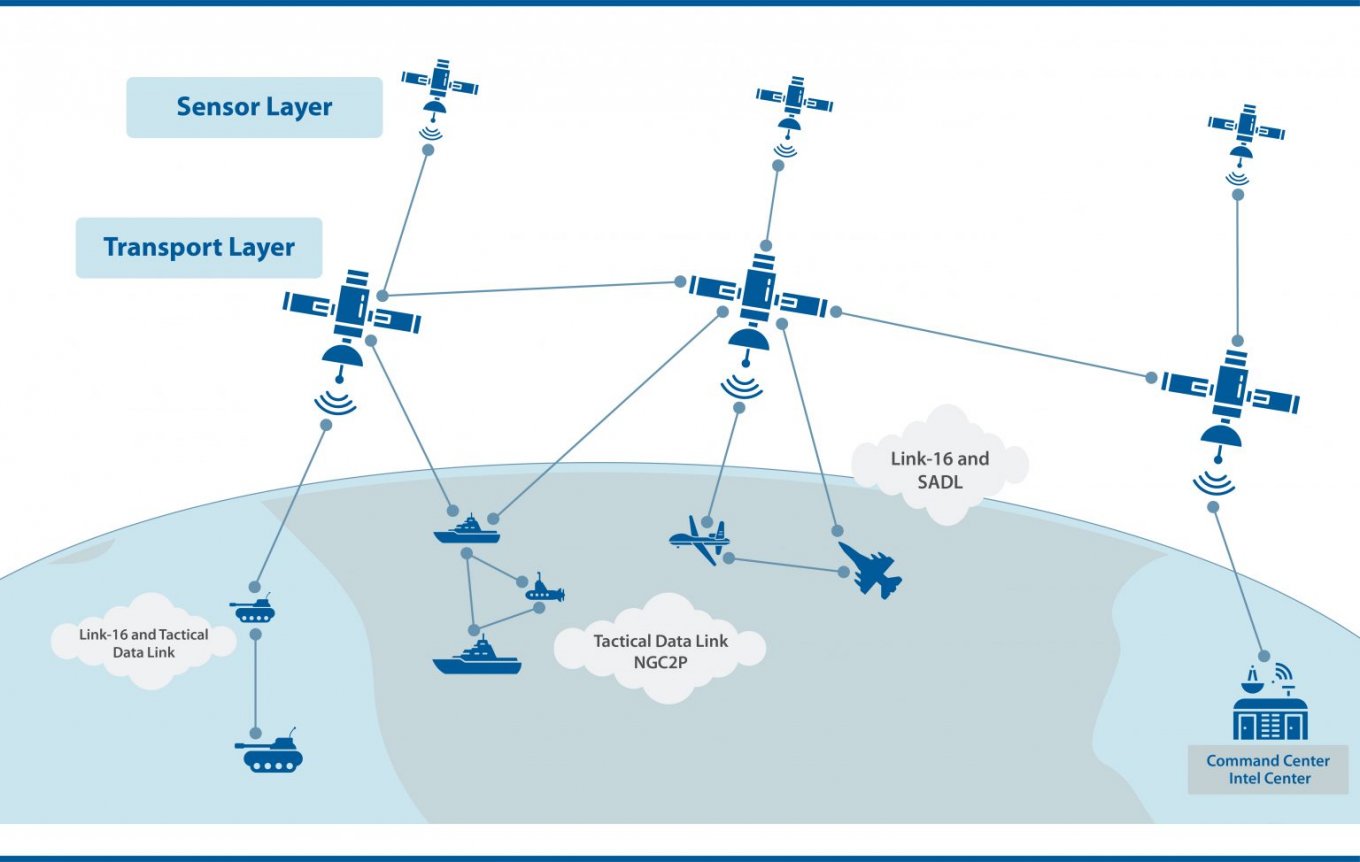
To fix this, modern militaries are pursuing a "third way" through Sensor Fusion. In this model, decisions are driven not by a single radar, but by a network that synthesizes data from satellites, ground sensors, and AWACS aircraft simultaneously. This allows forces to remain aggressive toward the enemy without losing caution toward their own.
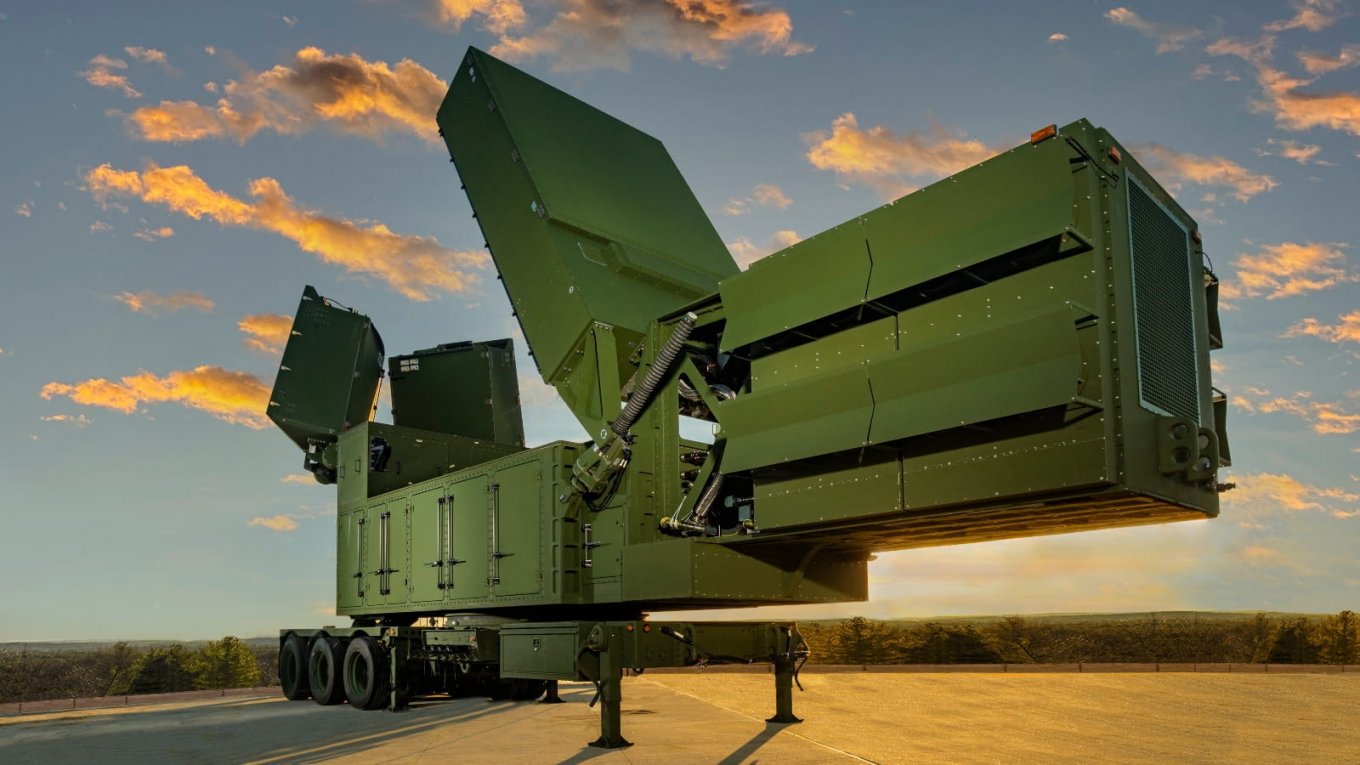
Defense industry leaders are developing algorithms designed to outpace human reaction times. Lockheed Martin is pioneering Cognitive EW systems, while Raytheon utilizes neural networks for AI-Driven Track Classification.
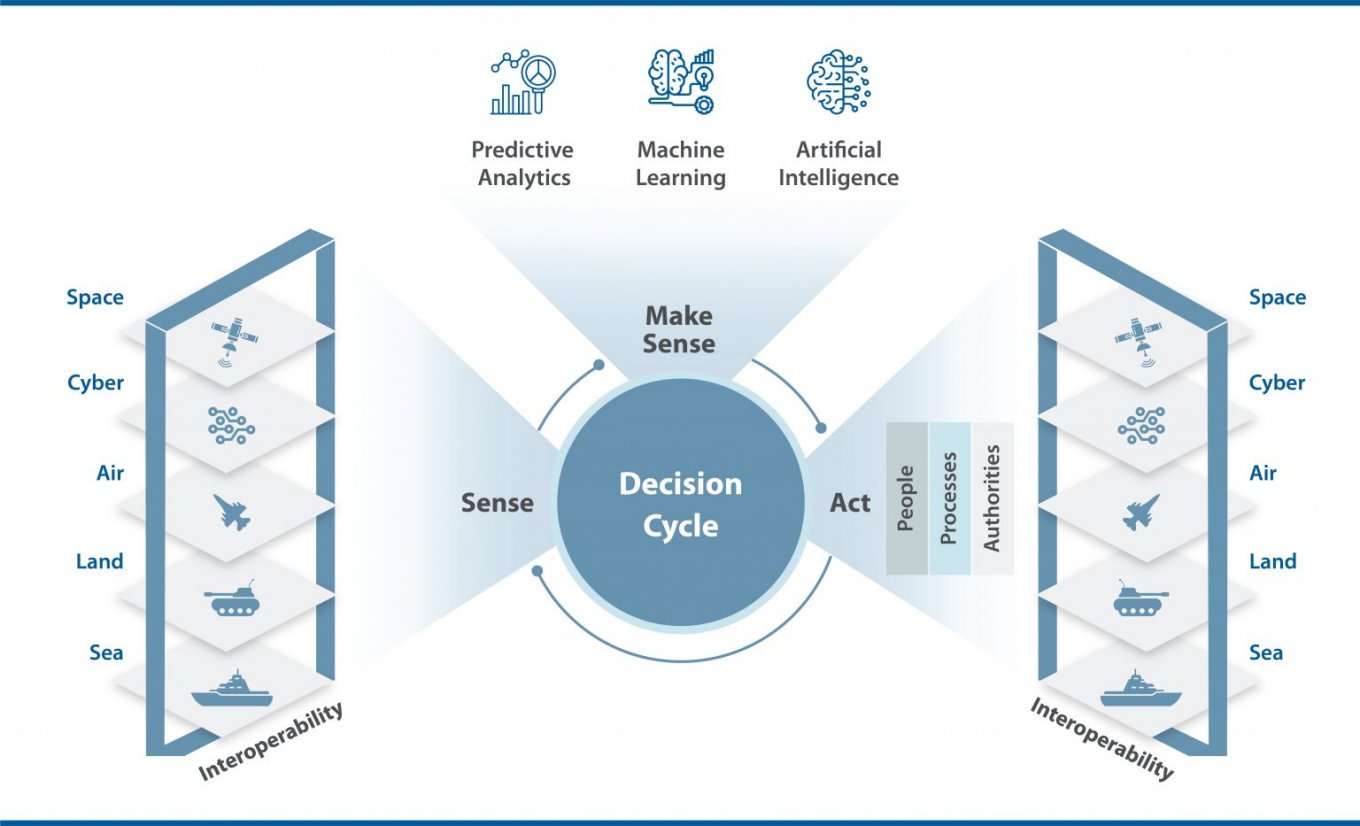
The ultimate objective is Guardian AI- an autonomous assistant capable of real-time risk assessment and empowered to override a missile launch. However, this raises the question of accountability: who is responsible if the AI blocks fire against a real enemy, mistaking it for a friendly target?
The Ukrainian Takeaway: Living With Risk
For Ukraine, these dangers are not theoretical. The "technological mix" of Soviet legacy and cutting-edge NATO hardware creates additional risks of misidentification.
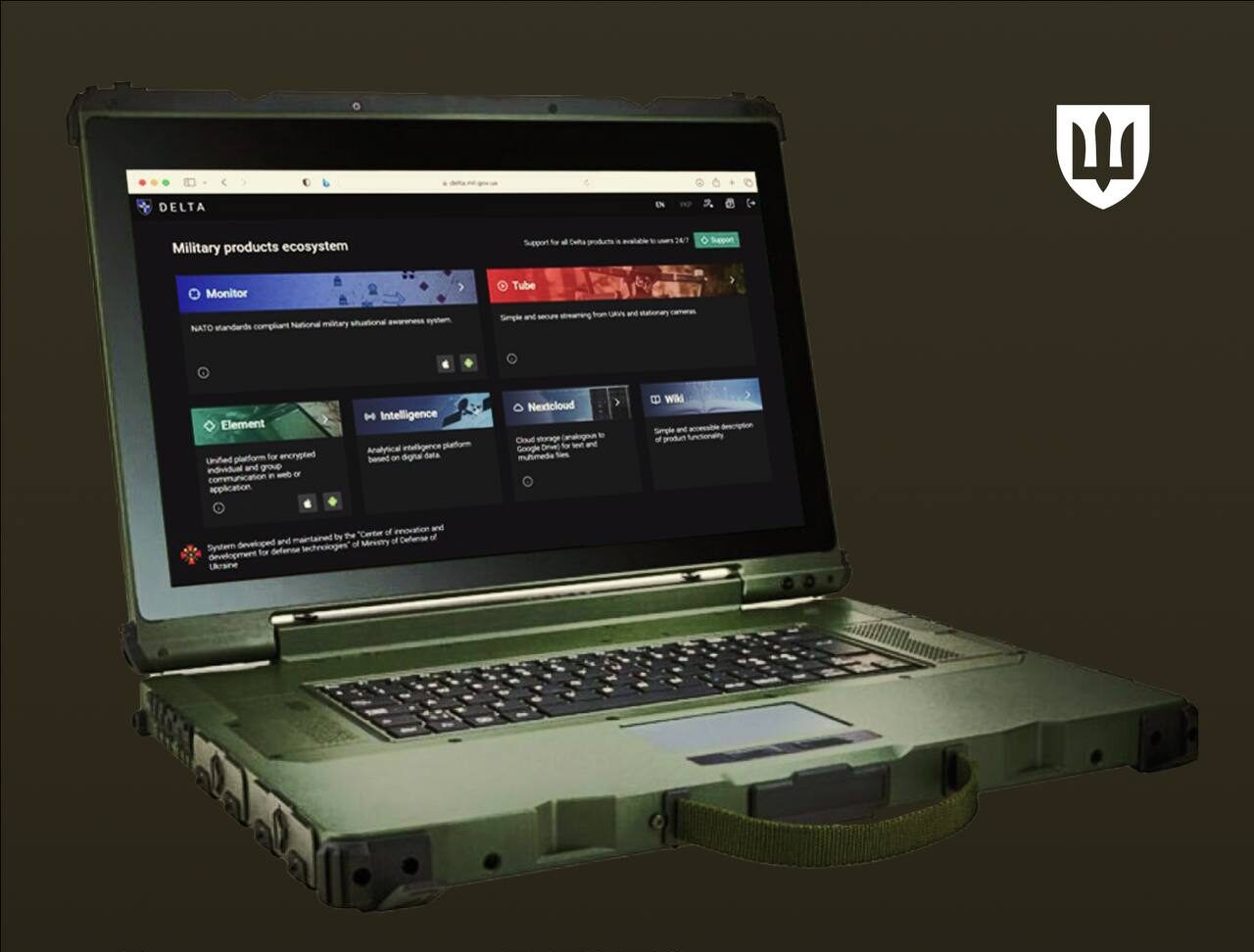
Completely eliminating friendly fire is impossible — it is effectively a war axiom. The real task is to continually reduce its probability through digital integration of all strike and command systems into a single network (Delta, Virazh-Tablet) under the JADC2 (Joint All-Domain Command and Control) concept.
In 21st-century warfare, the decisive factor is no longer just missile range but the speed and accuracy of information exchange among all elements of the combat system.
Modern warfare serves as a stark reminder: even billion-dollar defense budgets cannot replace clear coordination and a unified identification code.
Read more: Three F-15E Strike Eagles Lost in One Morning: Analyzing Strategic, Financial Impact of Costliest Friendly Fire Incident