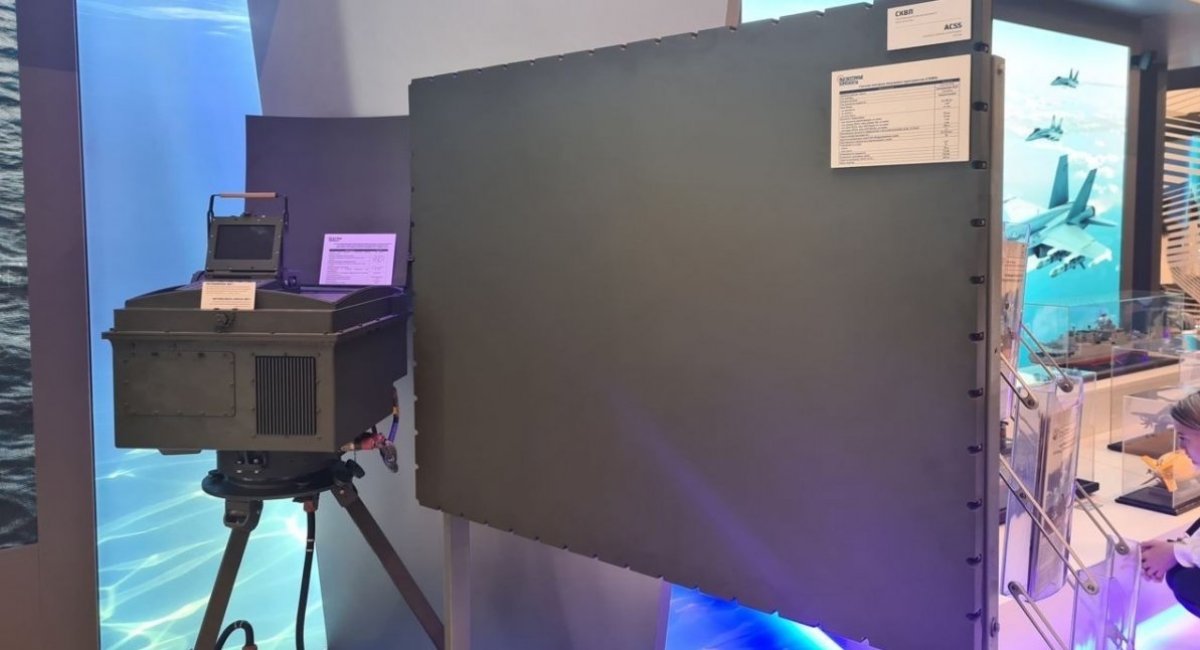
Fighters of the Raid Regiment have identified and destroyed several compact russian radar systems, including Garmon and SKVP units, during frontline operations. These systems are considered highly valuable and relatively rare targets, as they play a critical role in detecting and countering Ukrainian unmanned aerial vehicles.
Each successful strike against Garmon and SKVP radars directly expands Ukraine's operational freedom in the air domain. By degrading the enemy's ability to detect UAVs, such actions create more favorable conditions for a wide range of drone missions, including long-range deep-strike operations. These radar systems are specifically optimized to detect and enable the destruction of Ukrainian drones, making them priority targets.
Read more: What Weapons Should Ukraine Receive For the First Time in 2026 (Fighters, Ballistic Missiles etc)
Beyond their immediate tactical impact, the destruction of these radars also illustrates a broader shift in how Ukrainian forces suppress russian air defense and surveillance assets. In practice, Ukrainian strike UAVs have begun to partially replace U.S.-supplied AGM-88 HARM anti-radiation missiles as a tool for engaging russian radars of various classes, especially closer to the front line.
SKVP radar, whose name translates as "airspace control system", is capable of detecting UAVs at distances of up to 20 kilometers. To reduce their vulnerability, russian forces typically deploy these systems no closer than 5-7 kilometers from the front line, often positioning them in low terrain to improve concealment. However, their reliance on generators or external power sources can create detectable signatures, which Ukrainian forces have learned to exploit.
SKVP radars operate in close coordination with russian anti-aircraft drone operators, effectively serving as the core sensor element of the enemy's counter-UAV network. This makes each destroyed SKVP system disproportionately valuable, as it weakens not just a single sensor, but an entire segment of the layered defense against Ukrainian drones.
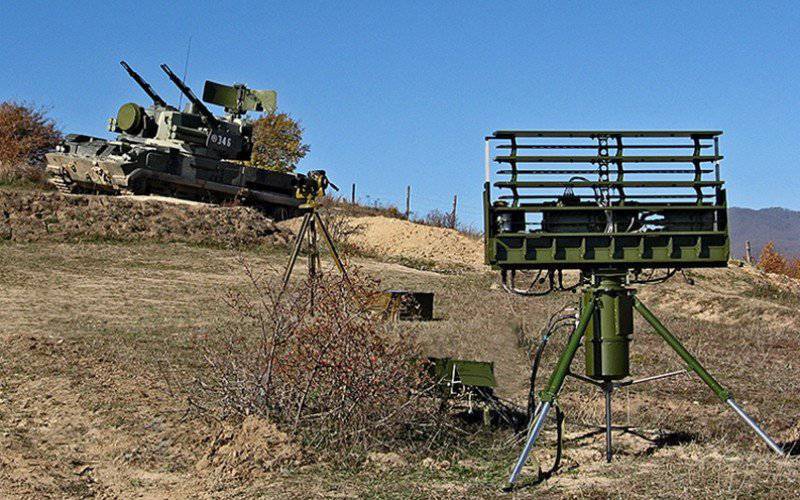
The Garmon radars destroyed by the Raid Regiment belonged to the portable 1L122E-1 variant. This system has a detection range of up to 40 kilometers and can track targets at altitudes of up to 10 kilometers. Each radar requires a three-person crew and an independent power unit, further increasing its logistical footprint and vulnerability once located.
In the broader context of the war, publicly available information indicates that during 2022-2023, AGM-88 HARM missiles launched from modified MiG-29 and Su-27 fighters were the primary means of suppressing russian radar systems. Over time, however, russian forces adapted their tactics and countermeasures, reducing the effectiveness and opportunities for HARM employment.
As a result, Ukrainian strike UAVs have emerged as an increasingly important alternative for targeting enemy radars, as demonstrated by the recent operations of the 413th Raid Regiment. While AGM-88 HARM missiles may still be used when available, their employment is constrained by supply limitations and remaining stockpiles, making drones a more flexible and scalable solution in the ongoing contest for control of the electromagnetic and aerial domains.
Read more: russia Tests New Shahed Drone Defense: Infrared Blinding Device Detected