


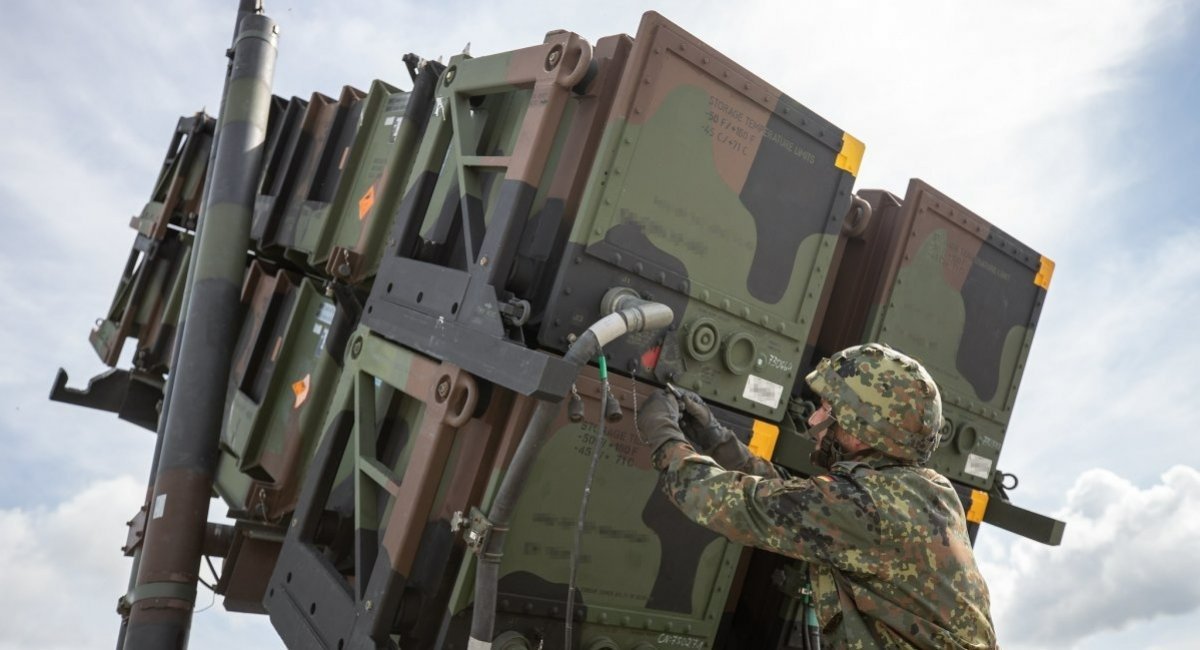
Ukraine can no longer count on receiving additional Patriot air defense systems from Germany, which has already transferred five such systems. This was officially confirmed by German Defense Minister Boris Pistorius, who emphasized that Berlin has become the largest donor of Patriot systems, despite not being a producer of these systems itself.
Objectively, Germany has done significantly more than many other countries to strengthen Ukraine's air and missile defense. In addition to U.S.-made Patriot systems, Berlin has supplied its domestically produced IRIS-T air defense systems, having already delivered 50 percent of the planned number. Germany has also provided other air defense assets, including Gepard self-propelled anti-aircraft guns and Skyranger systems.
Read more: Two More Patriot Batteries Improve Ukraine's Defense Against Ballistic Missiles
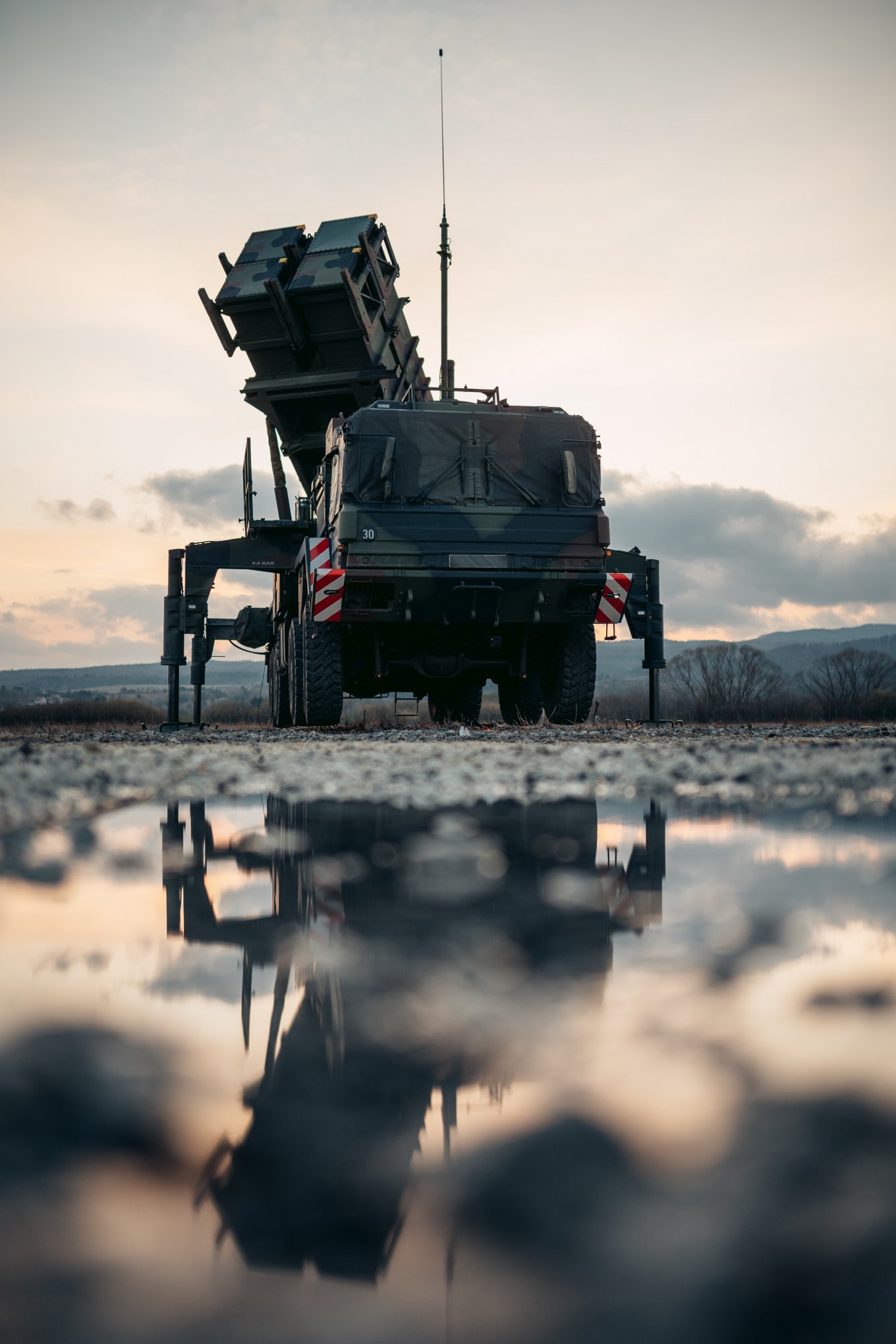
However, this does not change the fact that Ukraine's officially stated requirement for 24 Patriot systems remains unmet.
How Many Patriot Systems Does Ukraine Have?
According to official sources, Ukraine has received 7.5 Patriot systems from its European partners. An additional three Patriot systems were provided by the United States. In 2025, it was also confirmed that Israel agreed, via the United States, to transfer decommissioned PAC-2 Patriot systems, of which it had four in service.
This brings the estimated total to 14.5 Patriot systems. However, this figure remains approximate and does not account for any undisclosed or classified deliveries. The "half system" originates from the Netherlands, which was unable to find a partner for a joint transfer and therefore supplied only a radar and three launchers.
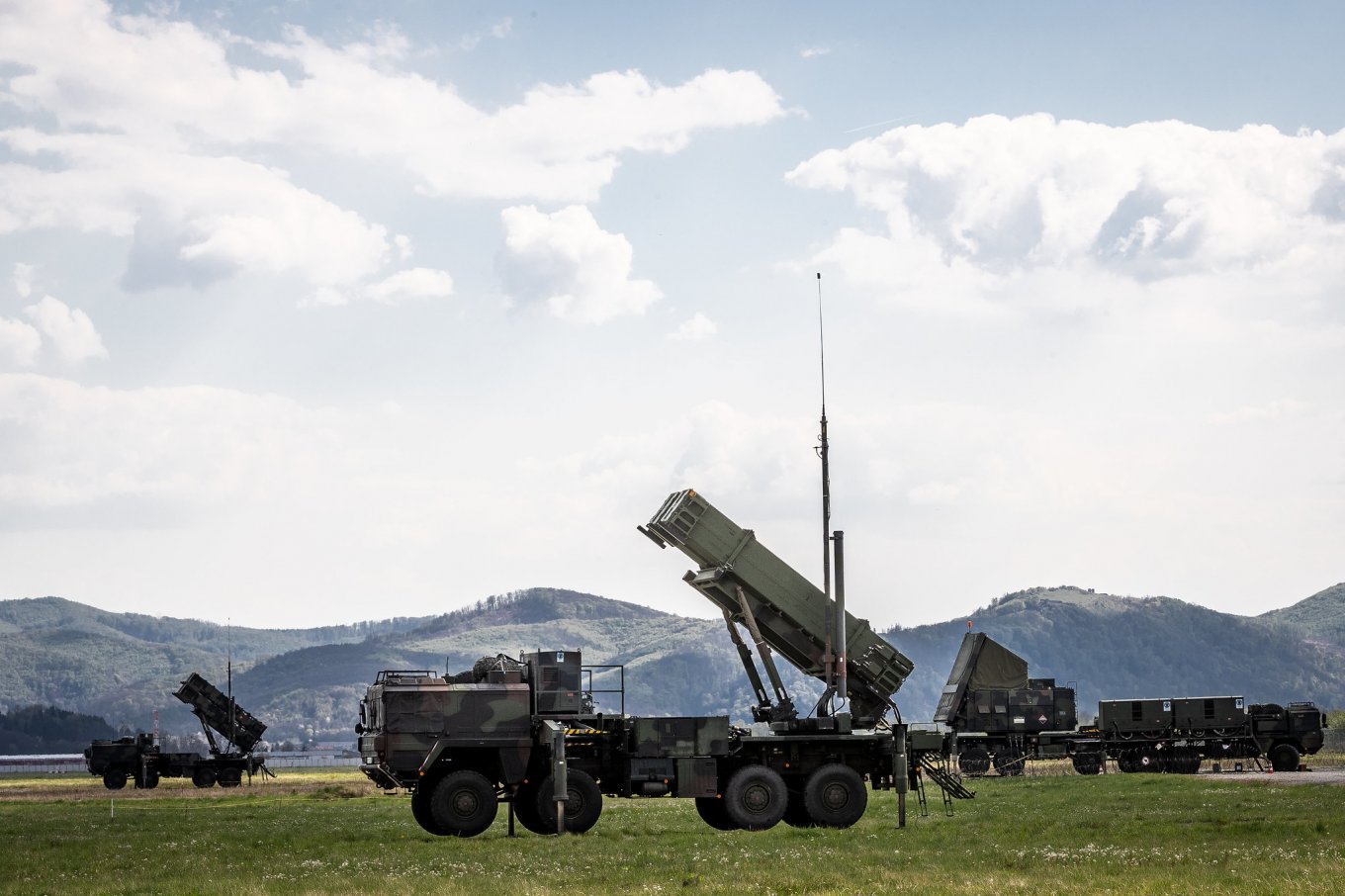
How Many Patriot Systems Exist Worldwide?
The question of where to source additional Patriot systems has been raised repeatedly. Defense Express previously assessed global Patriot inventories in April 2024, making it possible to update the picture for the European NATO segment:
- Germany: approximately 7 Patriot PAC-3 batteries (5 transferred)
- Netherlands: fewer than 2 Patriot PAC-3 batteries (1.5 transferred)
- Sweden: in the process of receiving up to 4, currently more than 2 Patriot PAC-3 batteries
- Romania: in the process of receiving up to 7, currently up to 3 Patriot PAC-3 batteries (1 transferred)
- Poland: 2 Patriot batteries (enhanced configuration), with plans to expand to 12 PAC-3 batteries
- Greece: 6 Patriot PAC-2 batteries
- Spain: 3 Patriot PAC-2 batteries
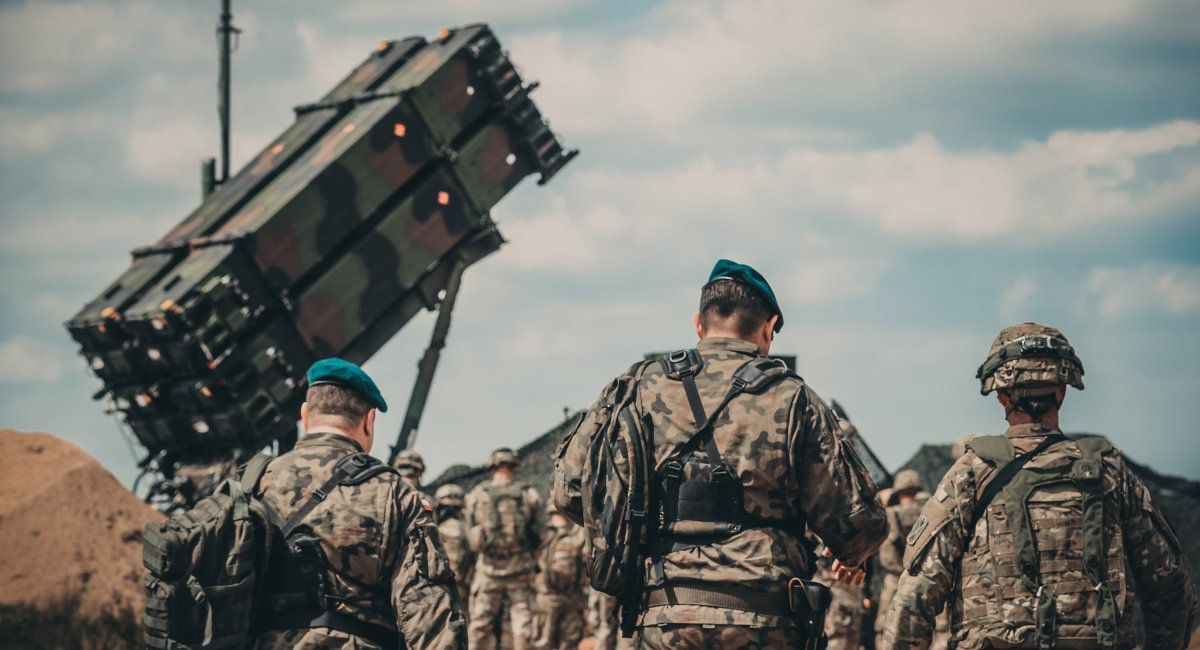
Objectively, identifying additional donors from this list was already difficult two years ago. For example, both Greece and Spain have categorically opposed such transfers. Athens has previously indicated that it would consider handing over its S-300 systems only in exchange for Patriot systems.
Asia and the Middle East: Limited Transfer Potential
Additional donors are also unlikely to emerge in East Asia, where the threat posed by China continues to grow. While Patriot inventories in the region look as follows, they offer little realistic potential for transfers:
- Japan: 24 Patriot PAC-3 batteries
- South Korea: 8 Patriot PAC-3 batteries
- Taiwan: 7 Patriot PAC-3 batteries
Meanwhile, the missile threat from Iran remains a significant deterrent even for hypothetical transfers via third parties from the Middle East. Available data, which remain approximate due to limited transparency, include:
- Kuwait: 7–8 batteries (possibly an additional 6 PAC-2)
- Qatar: 4–6 Patriot PAC-3 batteries
- Saudi Arabia: 18–25 batteries (combined PAC-2 and PAC-3)
- United Arab Emirates: 6–9 Patriot PAC-3 batteries, plus 2 PAC-2 batteries
- Bahrain: 1 Patriot PAC-3 battery, with another expected
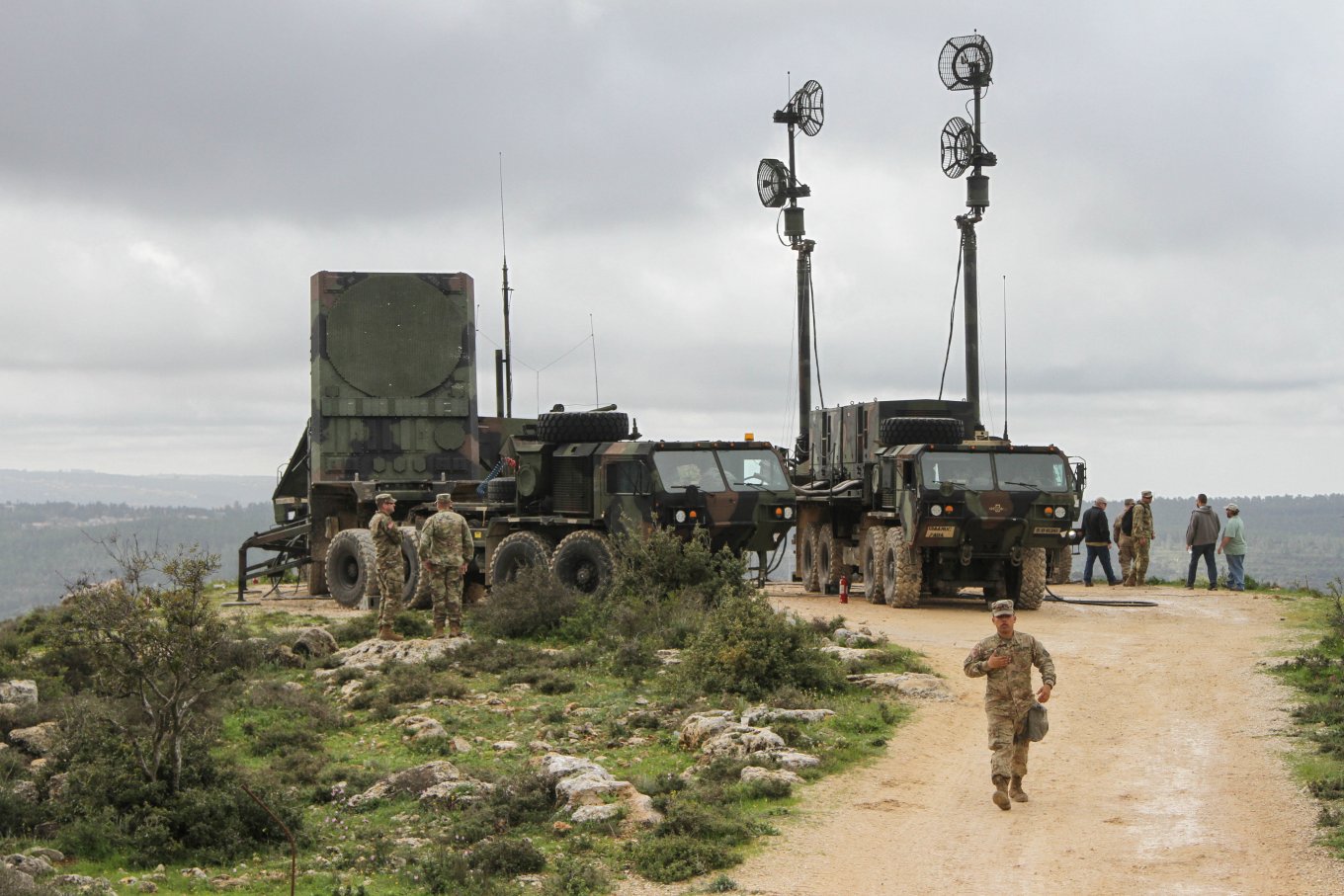
It should also be recalled that the United States operates around 60 Patriot batteries. However, under the current White House administration, any discussion of donor transfers appears highly unlikely.
A Bigger Challenge Than the Number of Batteries
As a result, the question of where to find additional Patriot systems has only become more complex over time. However, an even greater challenge for Ukraine's Armed Forces is the supply of interceptor missiles for the systems already in service.
Ukraine remains heavily dependent on the United States for missile deliveries, particularly PAC-3 MSE interceptors designed to counter ballistic targets. This challenge is driven not only by Washington's political position but also by production constraints. In 2025, Lockheed Martin produced approximately 620 PAC-3 MSE missiles for all customers worldwide, despite having ambitious plans to significantly increase output.
Read more: Ukraine to Receive Patriot Maintenance Equipment Under New $105 Million U.S. Approval