


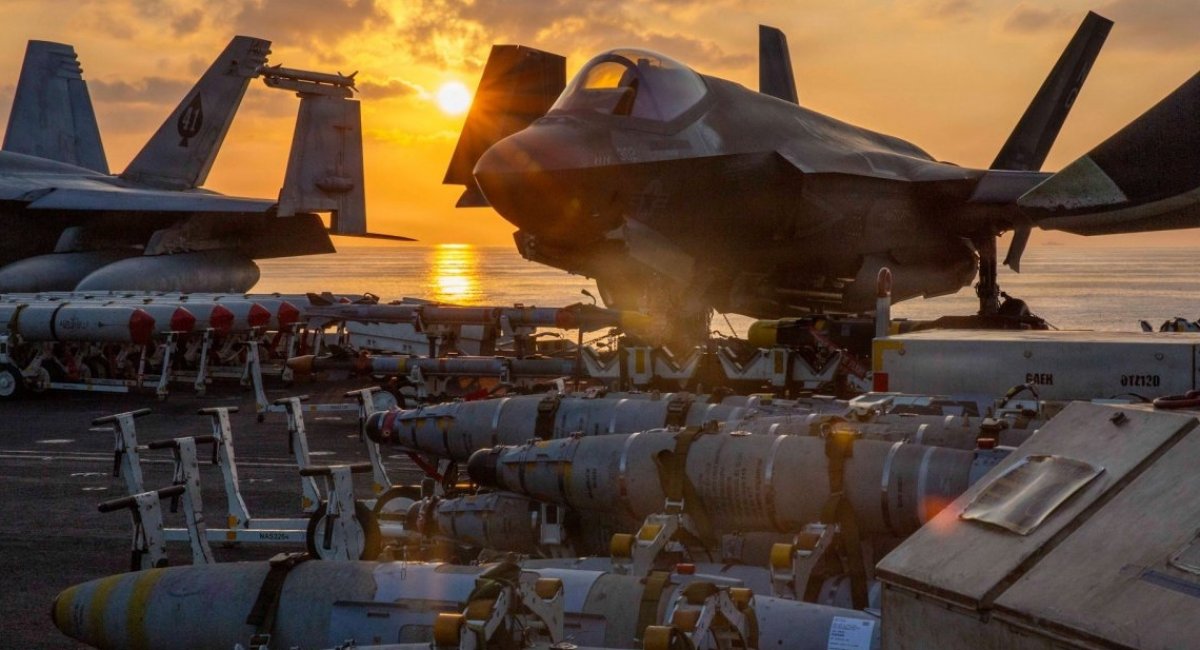
War against iran could cost the U.S. up to $95 billion in direct expenditures plus up to $210 billion in indirect economic losses under a scenario where war continues for up to two months.
These figures were published by the authoritative American publication Fortune, for which an assessment was prepared by one of the country's leading specialists, Kent Smetters. As noted, his forecasting models are actively used in Washington for analyzing macroeconomic processes. Additionally, he advises Congress on budget and tax initiatives as well as heads the world's oldest business school at the University of Pennsylvania.
Read more: Tested in Ukraine V-BAT Drone Could Monitor russia's Arctic Activity in Extreme Cold
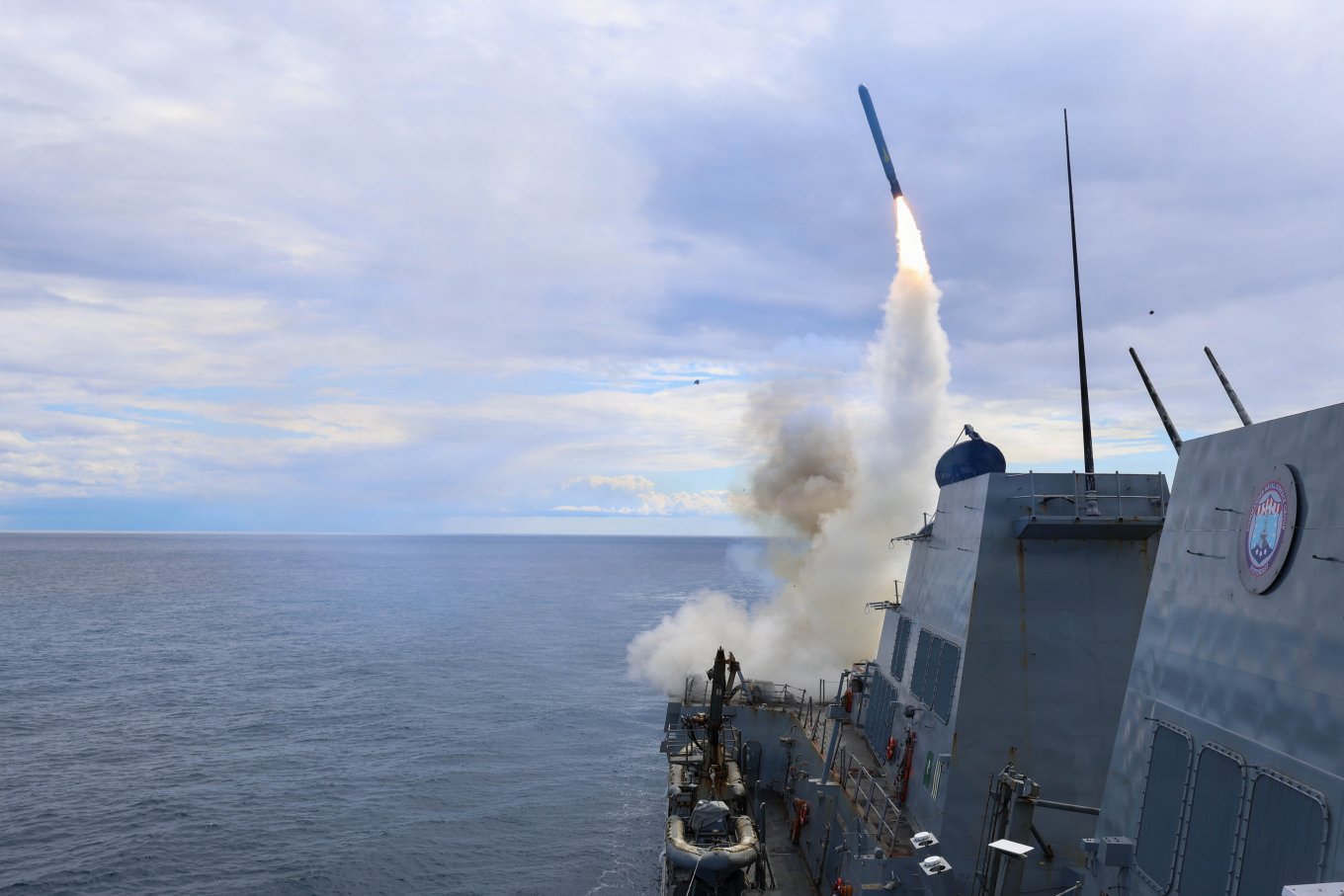
According to his assessment, the minimum operation price for the U.S. ranges from $40 billion to $95 billion in direct budget expenditures. The sum of approximately $65 billion is most probable. This will go toward conducting the strikes themselves as well as replenishing and replacing equipment, military vehicles, ammunition, and so on.
At the same time, if war continues beyond 60 days, figures will rapidly increase. It should also be recalled that the total U.S. defense budget for 2026 is $839 billion.
Beyond direct expenditures, any war brings economic losses. Their volume is estimated by the specialist at another $50 to $210 billion, with the most probable mark being $115 billion. For comparison, the negative impact of the tariffs Trump imposed on countries is estimated at $179 billion.
At the same time, Defense Express emphasizes that these figures concern only the U.S., though combat operations in the Persian Gulf area always have a global effect on the entire world economy. Moreover, Israel has already incurred direct war losses, having begun strikes synchronously and in coordination with the U.S. As well as all Arab countries of the Persian Gulf plus Jordan, which became targets of iranian strikes. Additionally, according to insider information, Qatar joined strikes on iran, with Saudi Arabia's participation expected.
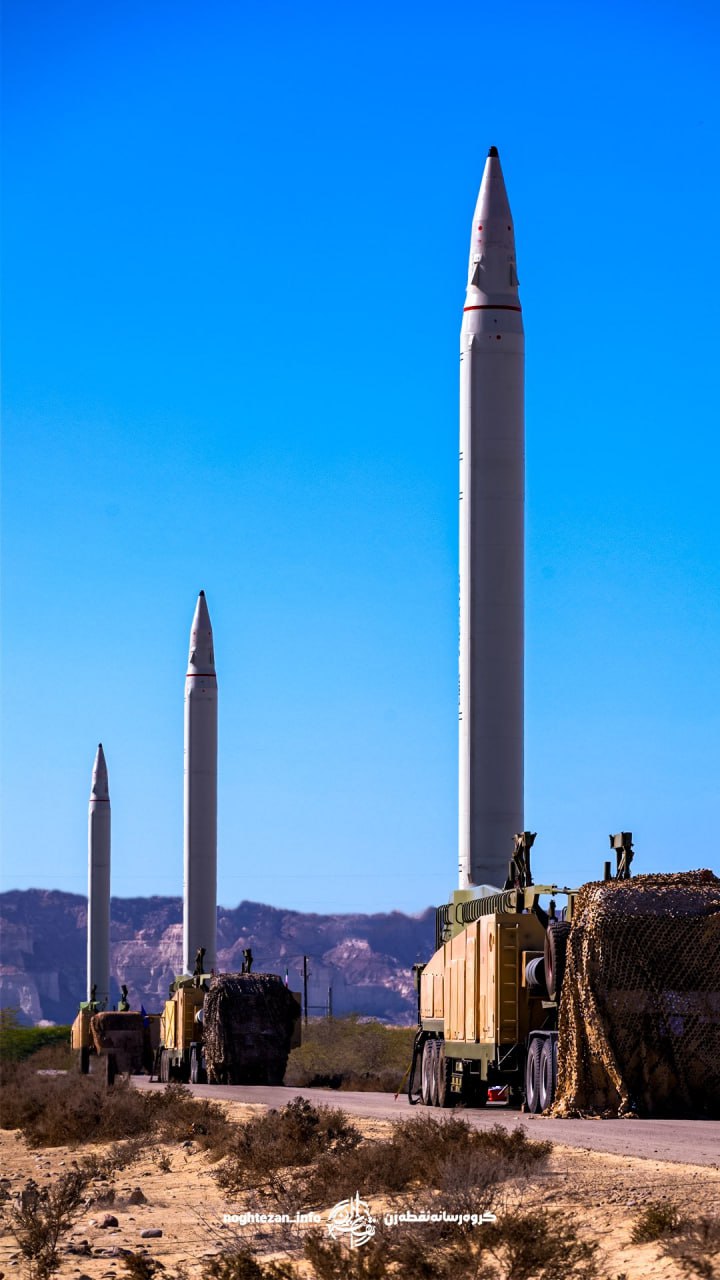
These countries also suffer losses from iranian strikes themselves, as iran pushes through their quite saturated air defense system with a quantity of strike assets. Overall, as of the evening of March 3, we could quite possibly be talking about approximately 1,000 ballistic missiles iran launched in recent days.
For example, as of Tuesday morning March 3, mentioned Qatar announced that 101 ballistic missiles were launched at it, of which 98 were shot down. Even repelling these attacks represents very expensive pleasure. Considering Qataris have only Patriot among anti-missile systems, over 200 interceptor missiles could quite possibly have been used by Qatar alone to intercept iranian missiles.
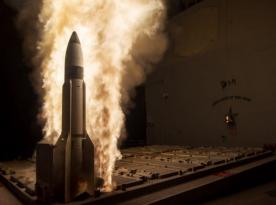
Even at Pentagon prices for MSE missiles at $5.17 million per unit, this is about $1 billion. Not to mention that they are offered to Arab countries for export at significantly higher prices, at $12 million per unit.
Read more: Did Iran Destroy Two AN/TPY-2 Radars for THAAD System? If So, It's a Total Fiasco