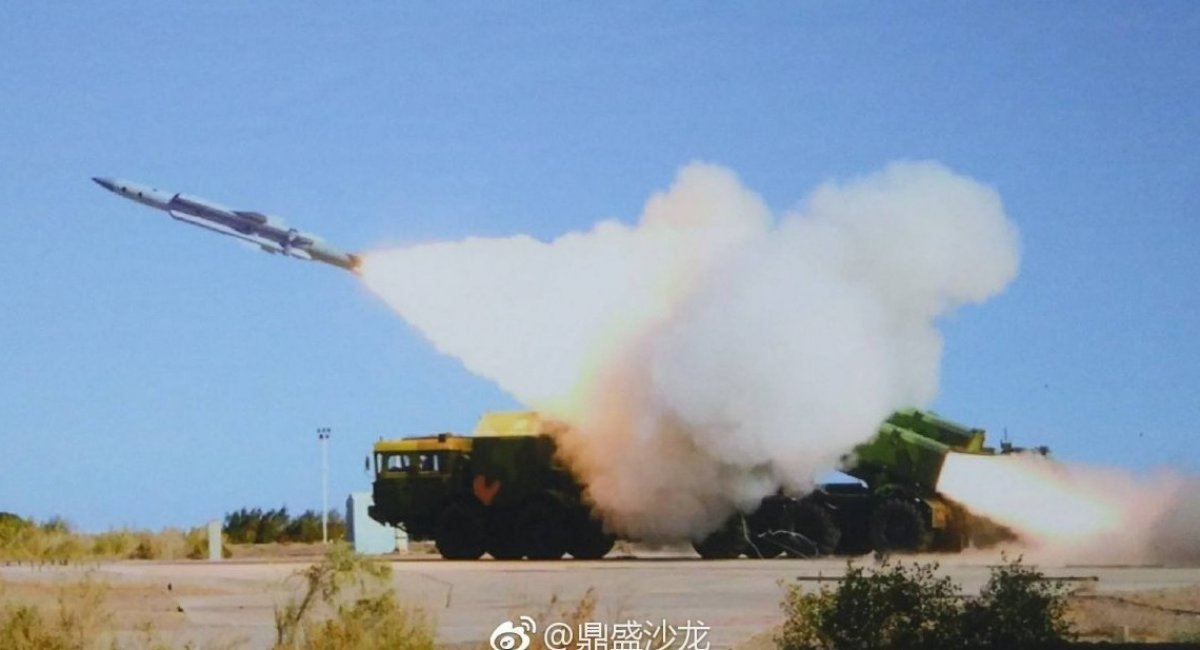
Possible missile quantity, contract value, and delivery timelines remain unknown. Reuters reports this citing six sources familiar with these negotiations.
Defense Express adds that these anti-ship missiles would significantly strengthen iran's naval strike capabilities.
Read more: France Began Modernizing Anti-Submarine Patrol Aircraft in 2013, Only Finishing Now So They Can Fly Into 2030s
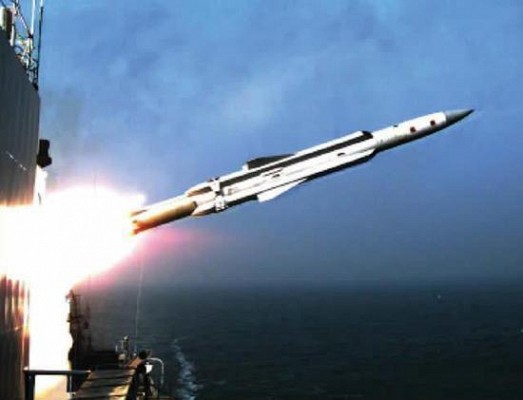
CM-302 is the export version of YJ-12 missiles developed in the 2000s. Their maximum speed is estimated from Mach 2.5 to 4 (approximately 3,000 to 4,900 km/h).
Maximum range is estimated at 250-280 km, with a 250kg warhead. The type is not disclosed, but likely penetrating high-explosive fragmentation.
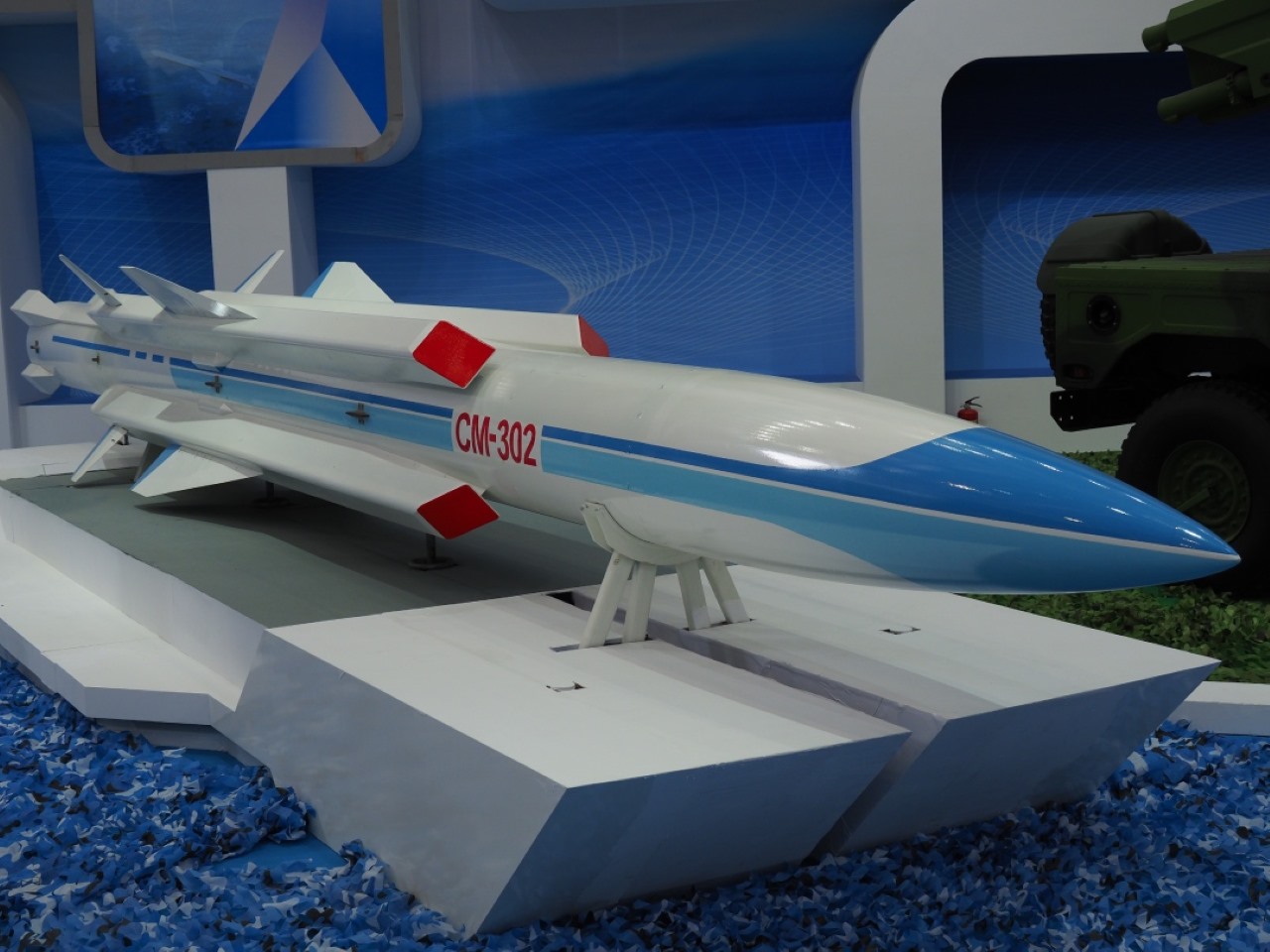
For guidance, it has satellite navigation and an inertial system, with a radar seeker activating on the terminal phase.
CM-302 also has a data transmission channel, allowing target data to be updated during flight. Launch can be conducted from ships or ground-based complexes, which will likely be supplied to iran under the future contract.
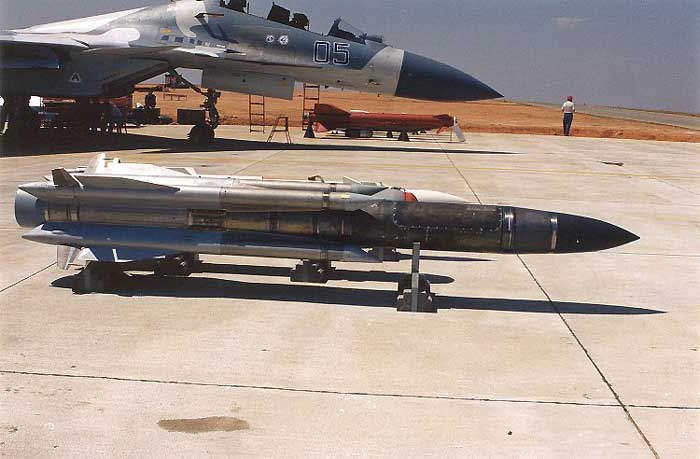
Overall, CM-302 in its capabilities and design resembles the russian Kh-31 supersonic anti-ship missile. This missile, incidentally, was in Venezuelan service, where they attempted to intimidate the American fleet. However, this did not help them, and the U.S. conducted the audacious and successful Operation Absolute Resolve.
As in Venezuela's case, CM-302 missile deliveries are unlikely to help Iran significantly. The American fleet may not even enter its engagement zone, conducting all operations at much greater distances.
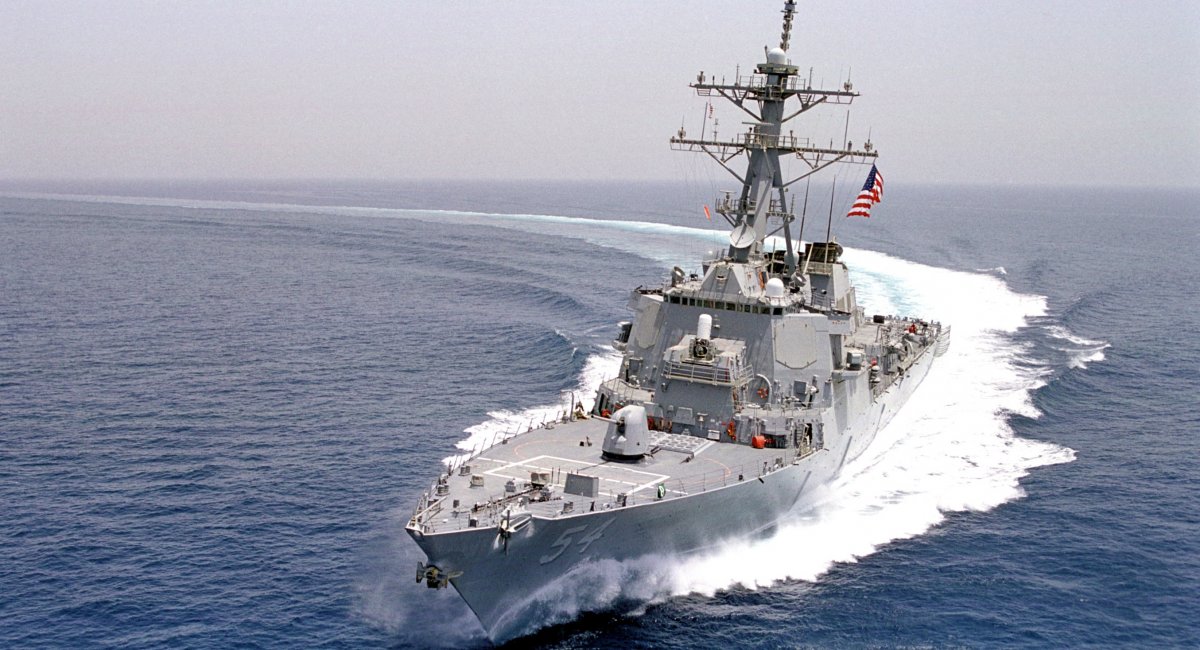
However, if Americans must operate within their reach, it should be considered that CM-302 will be forced to operate under extremely difficult electronic warfare conditions, as the U.S. has concentrated a large number of aircraft with electronic warfare systems aboard in the region.
Ships themselves are also equipped with electronic warfare systems that will directly target the missile's seeker head. This is in addition to powerful surface-to-air missile systems and countermeasures aboard American ships. Therefore, iranians are unlikely to stop the U.S. fleet thanks to CM-302.
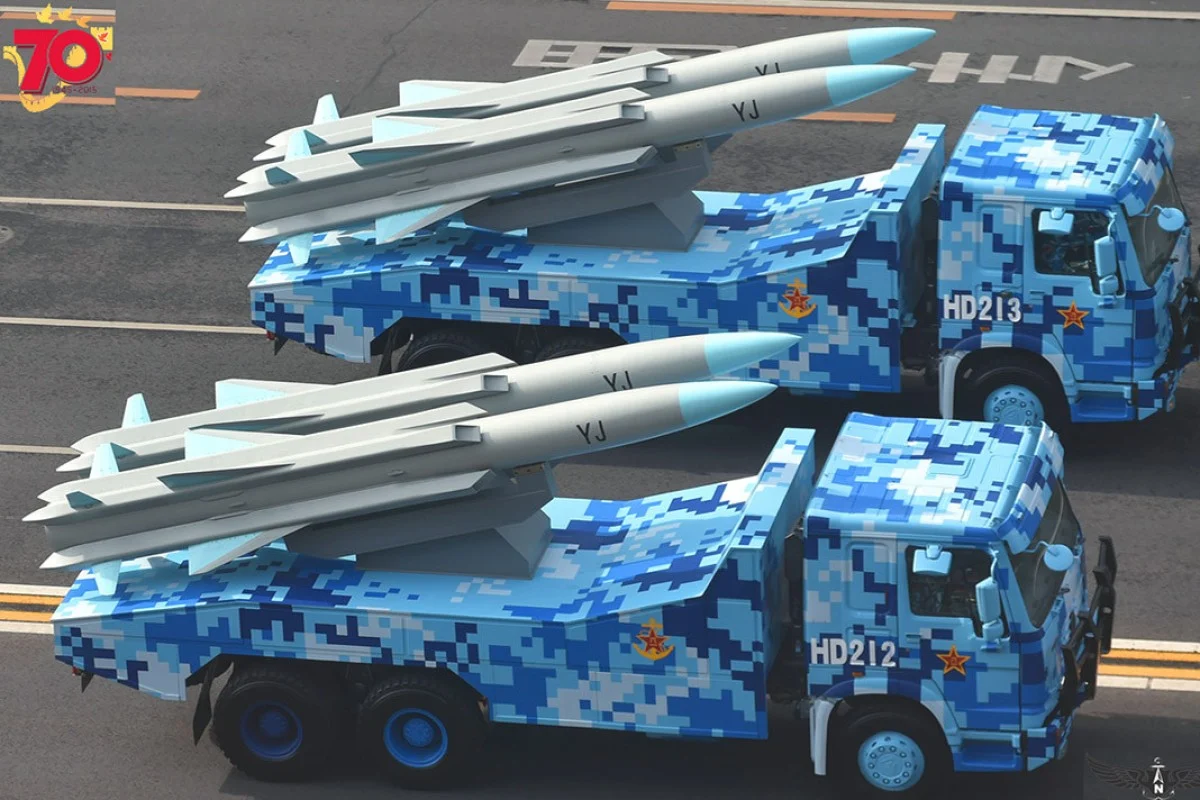
Instead, these missiles' engagement range is quite sufficient to bring the entire Gulf of Oman and Persian Gulf under control, creating a blockade. This is one of the most important regions for civilian and commercial shipping in the Middle East.
Therefore, Chinese CM-302 procurement should be viewed not as a threat to the American fleet but as a threat to all civilian shipping in the region. This, in turn, will severely affect oil prices, as tankers exporting oil from the region pass through these gulfs. This could benefit russia through increased demand for its products and rising prices.
However, it should be noted that if Iran signs a contract with China now for delivery of these systems, even if the Chinese supply them from their own stocks, this will take time, as they must be delivered there and crews trained. This is while ran needs them yesterday, as an attack could begin in days or even hours.
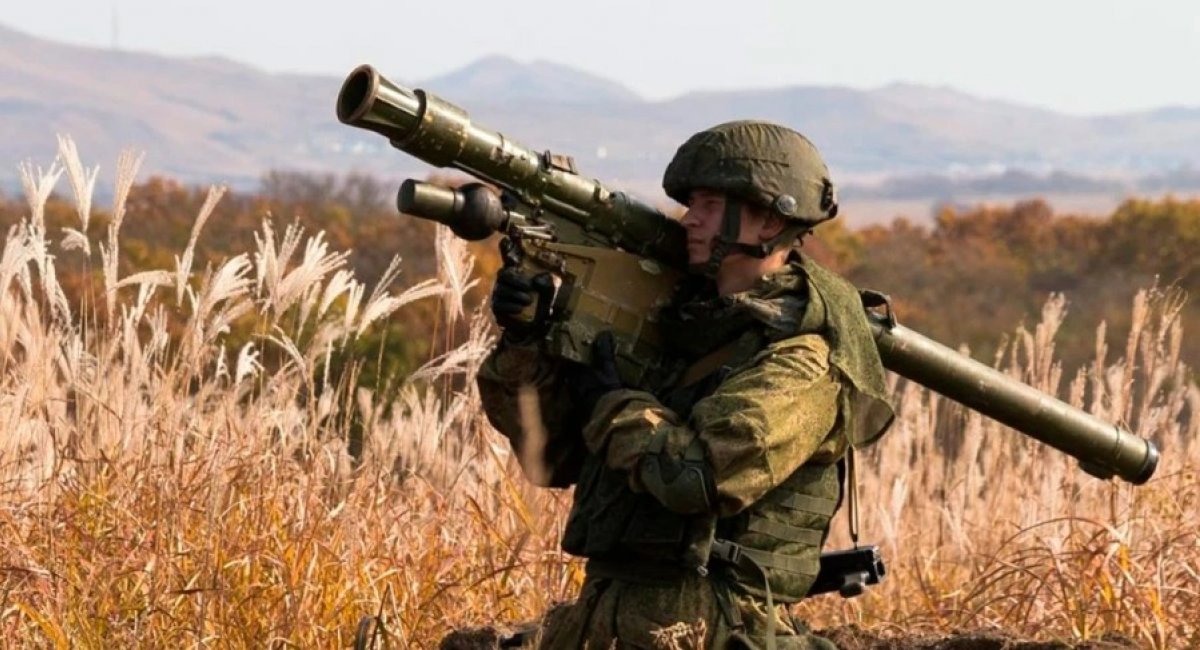
Recalling iranian weapons procurement amid a possible U.S. attack, it is worth remembering the contract with russia for delivery of Verba man-portable air defense systems, which revealed their actual cost, though even this will not save them from American aviation.
Read more: British Skyperion "Shahed Detector" Tested in Ukraine, Cannot Detect Autonomous, Radio-Silent Variants