


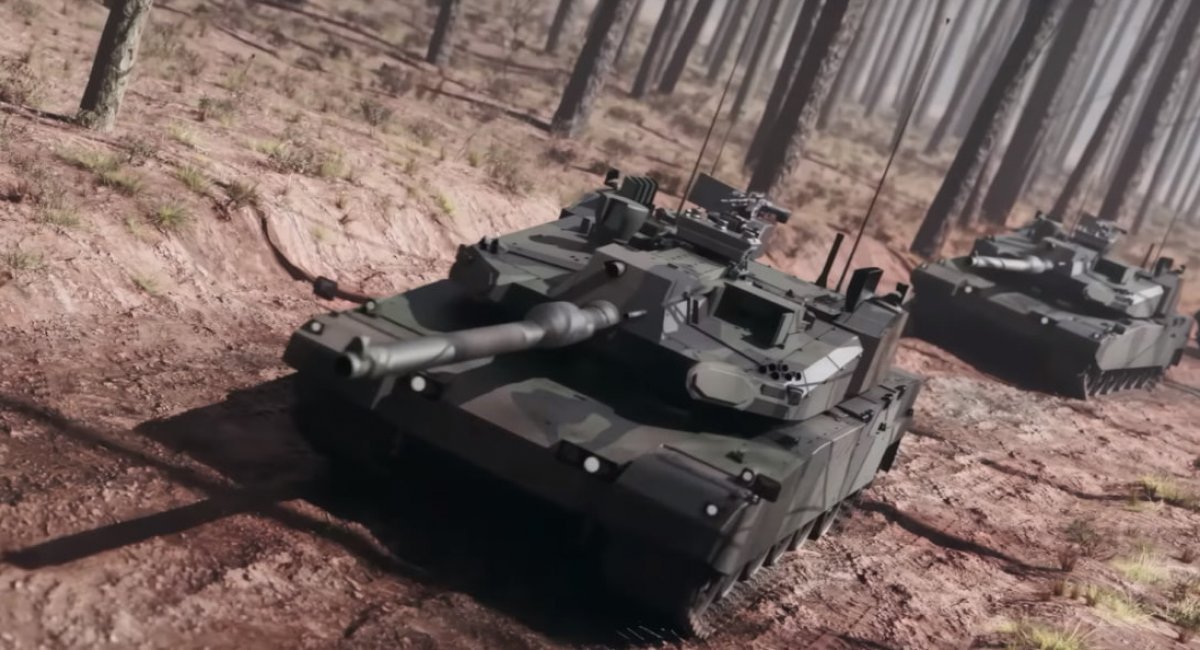
On average, the destruction of a single K2PL tank would require approximately 38 FPV drones. Although the combined employment of electronic warfare (EW) systems and an active protection system (APS) produces fairly solid results, effectiveness drops sharply once fiber-optic-controlled drones are introduced.
The drone attack simulations were conducted by Paweł Makowiec, a researcher at the General Tadeusz Kościuszko Military University of Land Forces in Poland. The results were obtained using a proprietary model based on the Monte Carlo method.
Read more: Poland Pitches Its Rosomak APC to Europe Including Finland, Where It Bought License
One scenario simulated an attack on a platoon of four K2PL tanks equipped with standard EW systems and APS, using ten FPV drones. The modeling involved a large number of iterations—1,000 simulated engagements in total.
Across these simulations, 4,000 tank instances were attacked by 10,000 FPV drones armed with PG-7 anti-tank grenade warheads. Of these, 87 tanks were damaged and 264 were destroyed, resulting in losses of approximately 6.6%. Statistically, average platoon survivability stood at 3.65 out of 4 tanks, which can be considered a strong outcome.
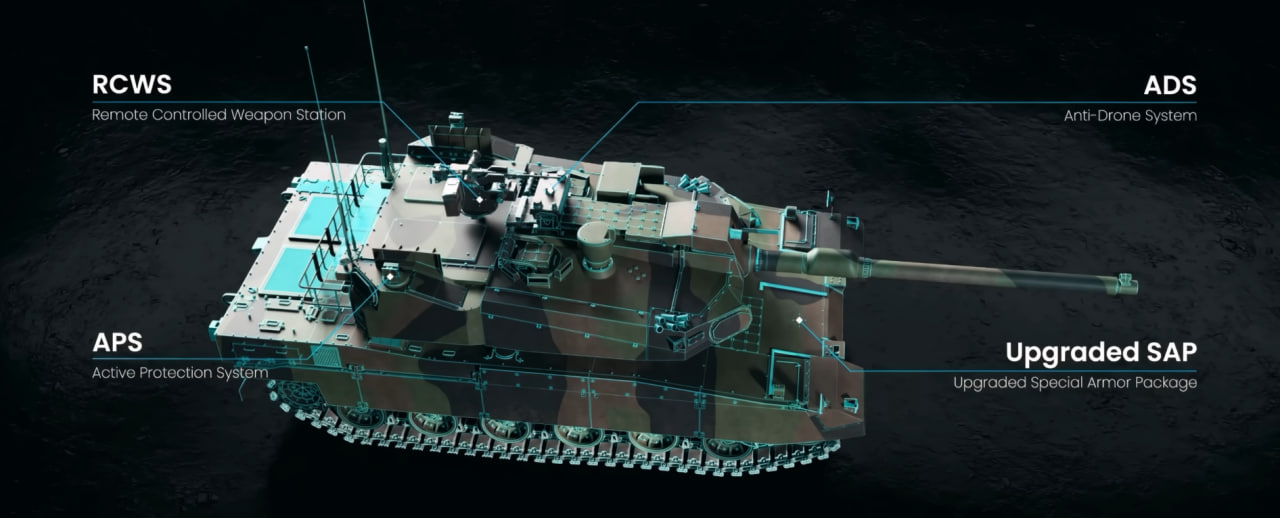
Electronic warfare proved to be a key contributor to survivability, neutralizing 49% of all UAVs, or roughly 4,900 drones across all iterations. Another 1,718 drones (17.18%) were intercepted by the APS, while 789 were stopped by the Pangolin explosive reactive armor (ERA). In total, nearly 26% of drones reached the tanks. Even so, overall destruction rates remained relatively low, potentially reflecting effective internal layout and vehicle design.
As expected, when the simulation switched to fiber-optic FPV drones, average post-attack survivability fell to 2.65 out of 4 tanks per platoon. Moreover, 19.6% of hits resulted in tank destruction, clearly illustrating the problem of APS saturation, one of the main vulnerabilities associated with this type of protection.
The researcher then increased lethality further by replacing the warhead with the PG-7VR, which offers greater armor penetration and is specifically designed to defeat reactive armor. Under these conditions, average combat effectiveness dropped to just 1.55 out of 4 vehicles, highlighting the critical importance of both the performance and placement of ERA.
From Defense Express' perspective, it must be emphasized that these findings are based solely on computer modeling, and real combat conditions involve far more variables. Warhead quality may vary, attacks can be isolated or coordinated, and battlefield dynamics are far more complex.
Nevertheless, even this statistical analysis provides valuable insight into the relative importance of different protection layers against what has become the most dangerous anti-tank threat on the modern battlefield. These findings are highly relevant for shaping tactics and guiding future vehicle design.
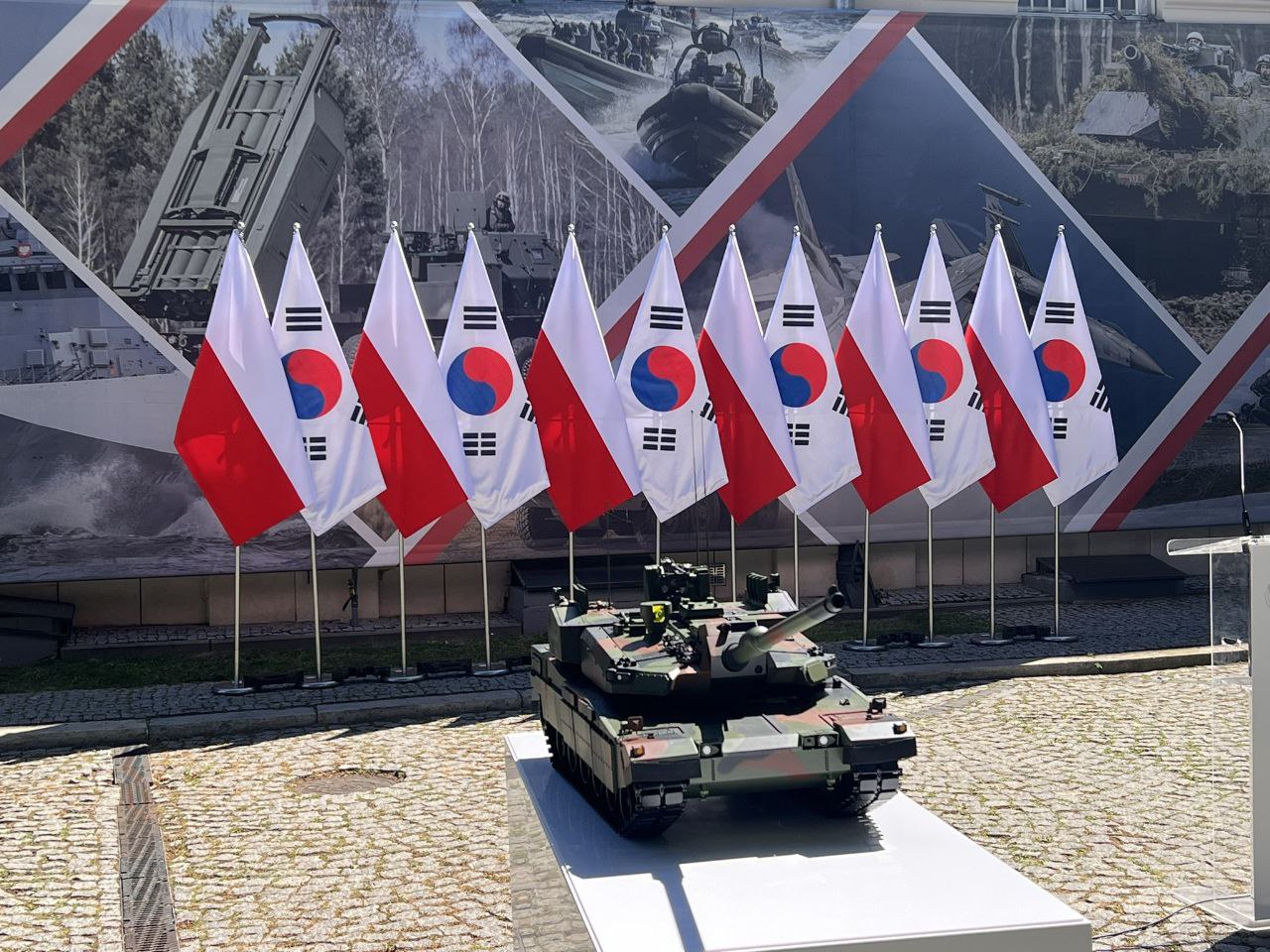
It should also be recalled that the K2PL will be a Poland-localized version of the South Korean K2 tank, with deliveries expected to begin in 2028. Earlier renders, which do not reflect the final configuration, have already drawn criticism for insufficient protection and for placing excessive reliance on the APS.
Read more: Poland to Build 10,000 HIMARS-Style Rockets But Won't See Them Until 2030