Since World War II, the United States has adhered to the concept of achieving total air superiority over the enemy, believing that once control of the skies is secured, ground operations become far easier. The Pentagon has traditionally devoted massive resources to this goal, translating into both technological and numerical dominance in aircraft.
Now, however, all signs point to the U.S. losing that advantage simply because it is retiring aircraft faster than it can replace them. Despite growing awareness, the trend continues, and experts are warning that the situation is becoming critical. Among them is Douglas Birkey, head of the Mitchell Institute for Aerospace Studies, who voiced his concerns in Defense News.
Read more: From Crop Duster to Combat Aircraft: How Sky Warden Is Turning Into Battlefield Weapon
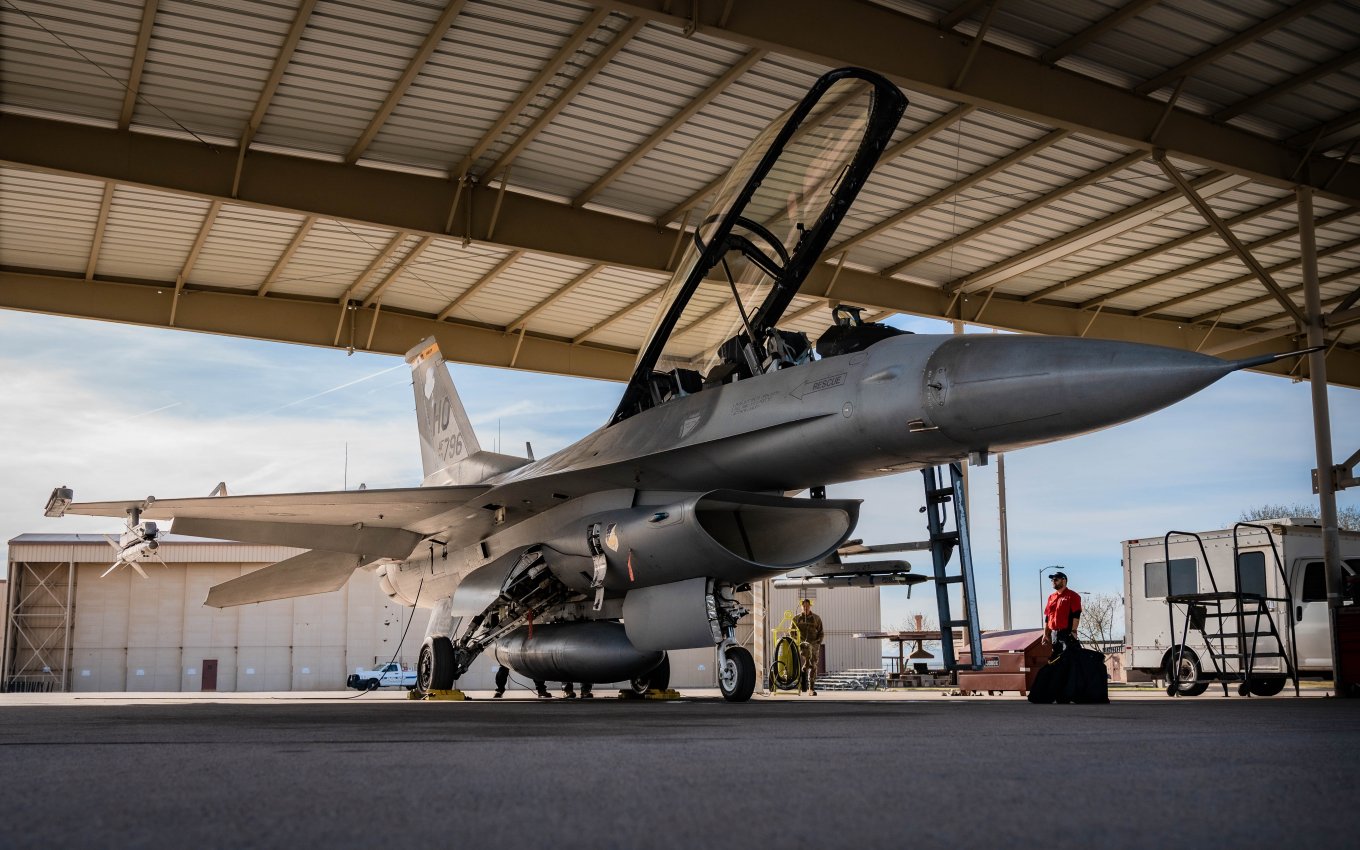
A stark symbol of this decline came just a month ago, when the U.S. National Guard disbanded the 103rd Fighter Squadron making Maryland the first U.S. state without an air unit in its National Guard. While not a death sentence on its own, the reason behind the move budget cuts for new aircraft procurement is a deeply troubling sign.
In fiscal year 2025, the U.S. planned to retire 250 aircraft while acquiring only 91. In 2026, the gap widens even further: 340 aircraft retired versus just 76 delivered a 4.5-to-1 ratio. And the situation will only worsen as the Air Force phases out planes originally procured during the Reagan era of the 1980s.
As of today, the total number of U.S. military aircraft stands at roughly half of what it was at the end of the Cold War. Yet the challenges America faces now are no smaller with China, russia, North Korea, and iran all posing potential threats that demand a strong and numerous air fleet.
Moreover, even operations like Midnight Hammerthe strike on iran's nuclear program are being compared by experts to the famous Doolittle Raidon Tokyo in 1942: a bold but symbolic show of capability rather than proof of overwhelming power.
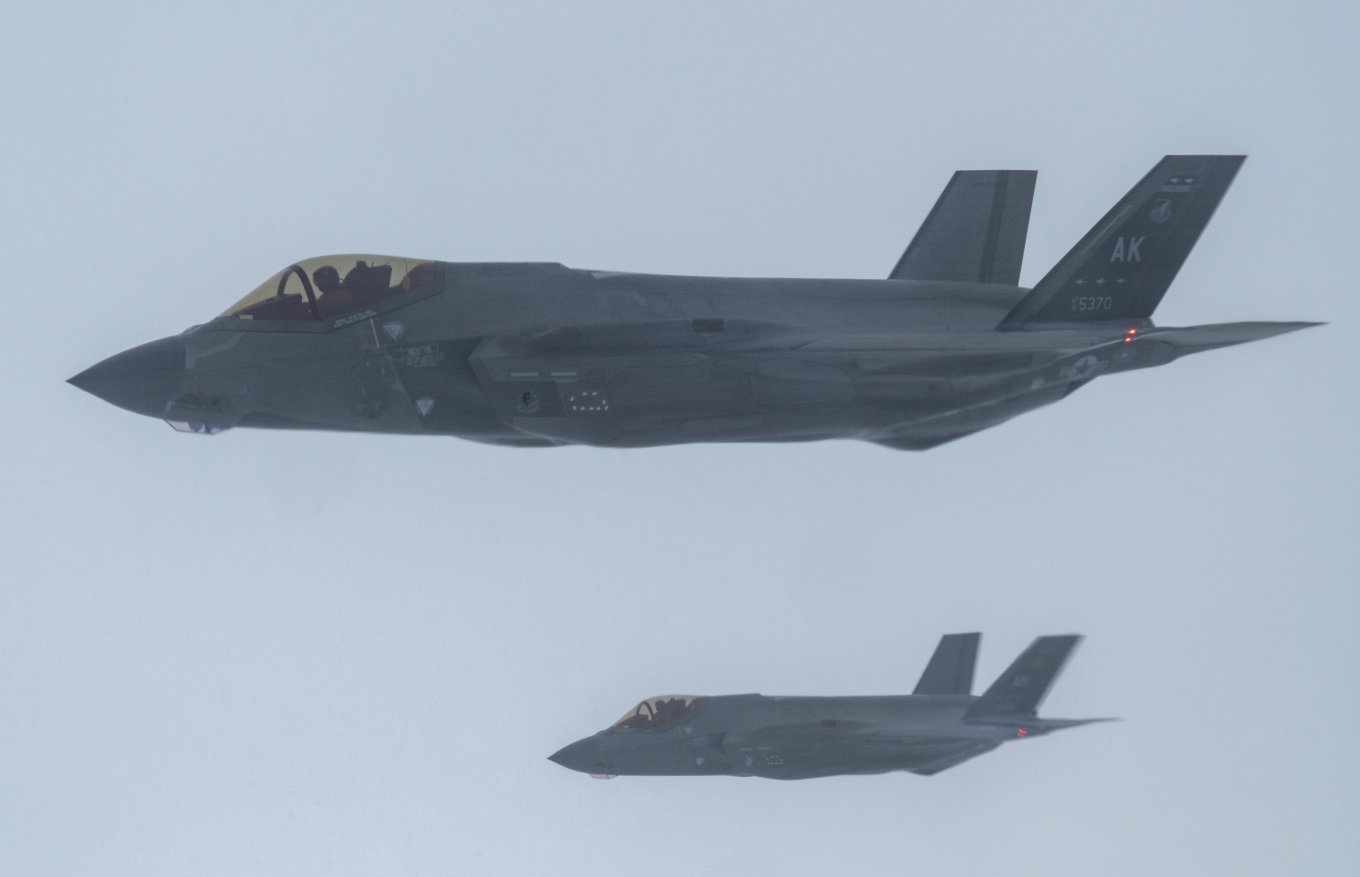
America's adversaries know that the U.S. Air Force is stretched to its limits, the analyst concludes. And they are factoring that into their strategic calculations when deciding how to challenge U.S. interests around the world.
From Defense Express, it's worth adding another critical factor technological superiority. Alongside quantity, this has always been the cornerstone of U.S. air dominance. Yet China is rapidly closing the gap, not only through its work on sixth-generation fighters but also by accelerating production of fifth-generation jets. This trend is strikingly clear in one of the ten CSIS charts on China's growing military power and it's genuinely alarming.
The outdated image of China's air force as a vast fleet of MiG-19s and MiG-21s is now completely wrong. The Peoples Liberation Army Air Force currently fields about 2,200 fighters half of which are of the 4+ generation. The number of obsolete aircraft is below 330, while the share of fifth-generation fighters is rising fast. By contrast, the U.S. has roughly the same 2,200 fighters in service but with a steadily declining trend.
Read more: By Pouring 95% of Funds Into One Caliber, U.S. Undermines Its Own Munitions Policy