


Ukrainian reconnaissance drones equipped with evasion systems designed to counter enemy FPV interceptor drones are already being used on the front line, underscoring how rapidly both sides are adapting to new countermeasures that have become widespread on the battlefield.
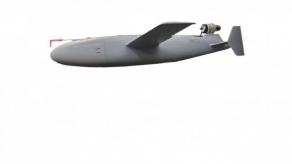
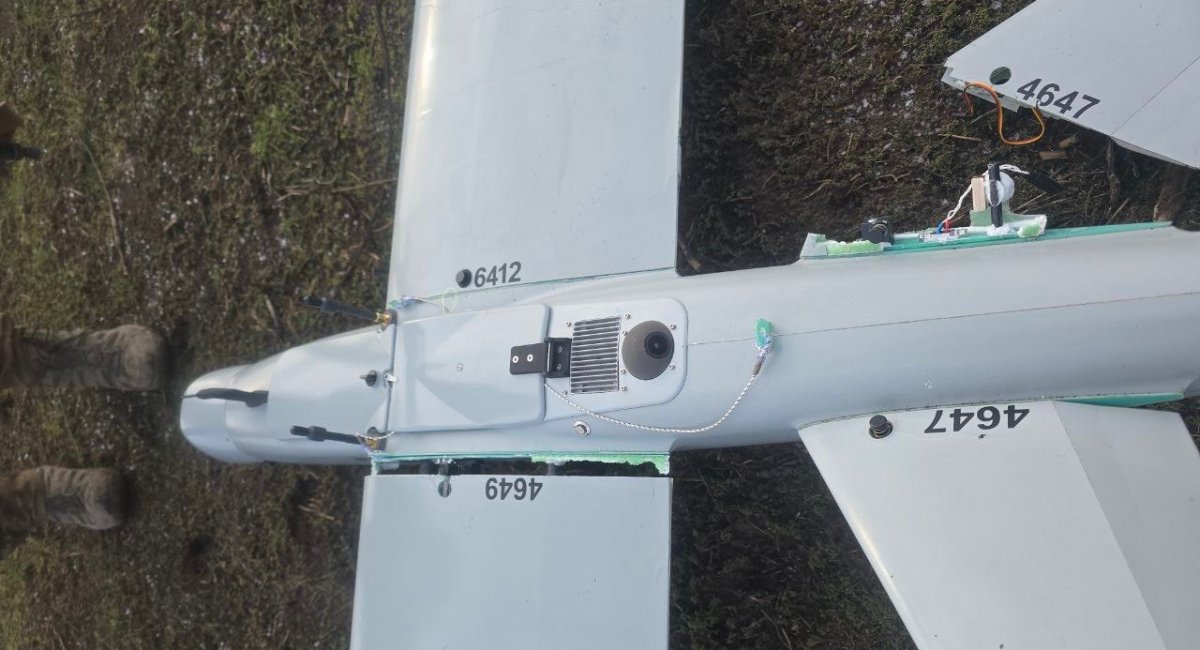
Evidence of this emerged after the OSINT channel Potuzhnyi informator published images of Ukrainian Leleka-100 reconnaissance UAV shot down by russian forces. The drone was fitted with the standard Snich evasion system, which is intended to complicate interception by hostile FPV drones rather than guarantee absolute protection.
Read more: Ukrainian Drones Take Out 120-mm Mortar and Supply Depot Near Border (Video)
While no such system can be considered "100 percent effective", these solutions significantly increase the difficulty of targeting for enemy operators. By forcing interceptors to constantly adjust their approach, evasion systems reduce the probability of a successful hit and, consequently, overall drone losses.
russia has been moving in a similar direction since the second half of 2024, when comparable evasion systems began appearing on its reconnaissance UAVs. Over time, these features transitioned from ad hoc field modifications into factory-installed equipment, contributing to the emergence of what operators increasingly describe as aerial "dogfights" between drones.
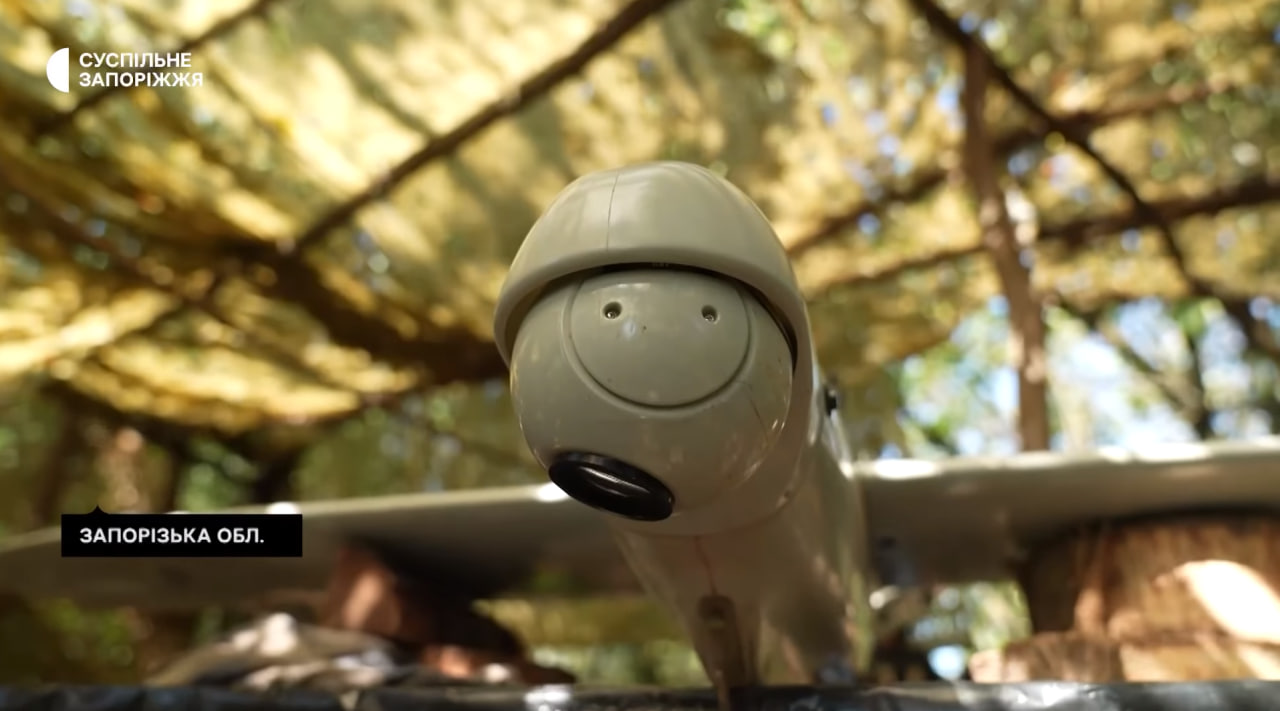
Snich system, developed for Leleka-100 drone by Deviro, is conceptually similar to russian solutions. It is designed to detect approaching interceptor drones and assist the UAV in performing evasive maneuvers to break an enemy's attack trajectory.
Snich system was first publicly disclosed in September 2025, when an early version relying on an onboard camera was undergoing testing. That configuration reportedly suffered from blind zones, prompting parallel development of variants incorporating signals intelligence detection and potentially even electronic warfare elements. The photographed downed Leleka-100 system clearly shows a camera, but it remains unclear whether other detection or countermeasure methods were integrated into that specific modification.
Without detailed information on the circumstances of the shootdown, it is also impossible to determine whether the evasion system functioned as intended, partially mitigated the attack, or failed to activate in time. Such uncertainty reflects the experimental nature of this rapidly evolving technological contest.
Overall, FPV interceptor drones have become a mass-produced, low-cost tool for countering both strike and reconnaissance UAVs. As they are now widely used by both Ukrainian forces and russian troops, the development of evasion, detection, and counter-interceptor technologies is likely to continue escalating on both sides, further transforming the dynamics of aerial warfare at the tactical level.
Read more: Ukraine's 200+ H-10 Poseidon Drones Now Going to Cyprus, Combat-Proven System Transferred Free by Manufacturer