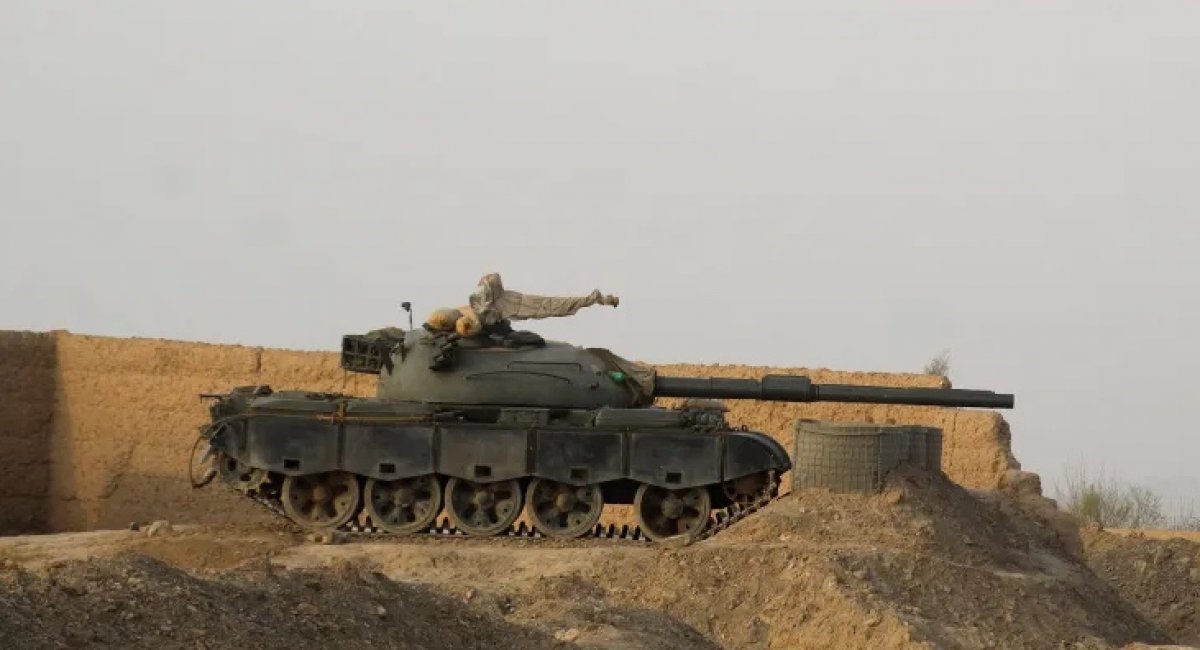
Pakistan's Defense Minister Khawaja Asif in his post on X declared an open war with Afghanistan following a sharp escalation along the Durand Line border. In the early hours of February 27, Pakistan struck targets across Afghan territory, including Kabul and several other cities.
The strikes came after Taliban government spokesman Zabihullah Mujahid announced large-scale offensive operations against Pakistani forces along the disputed border. hen claimed it had successfully carried out drone strikes on military targets inside Pakistan. Islamabad confirmed drone attacks on three cities Abbottabad, Swabi, and Nowshera, but insisted all drones were small, shot down, and caused no damage.
Read more: $15 Million Pantsir-S1 System Destroyed by Ukrainian Middle Strike Drone at Azovstal (Video)
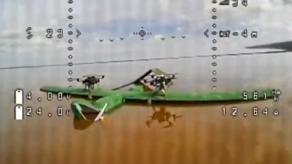
The exchange already reflects the technological asymmetry between the two sides. Afghan forces rely primarily on commercial quadcopters for reconnaissance and improvised strikes, sometimes assembled from improvised components.
Pakistan, by contrast, operates dedicated military drone systems the Shahpar I/II/III and Burraq as well as Turkish-made Bayraktar TB2s. Islamabad is developing domestic production capacity in cooperation with China and has an established industrial base to scale these capabilities further.
The broader military balance makes the disparity even starker. Pakistan fields approximately 654,000 active-duty personnel, 550,000 reservists, and totaling around 1.3 mln army personnel.
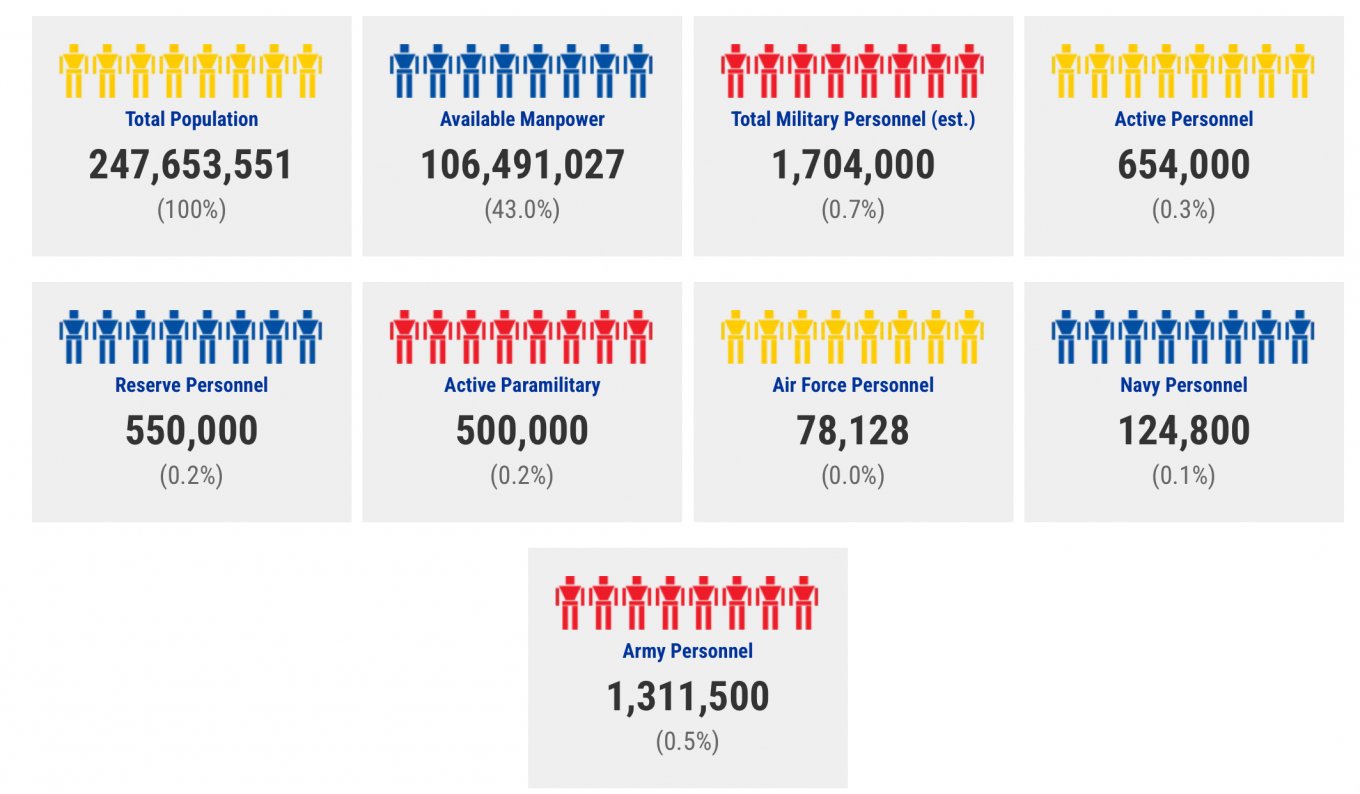
Taliban-controlled Afghanistan has between 160,000 and 170,000 fighters, including local units, and approximately 80,000 paramilitary forces. The numerical advantage alone is substantial, but equipment and force structure compound it further.
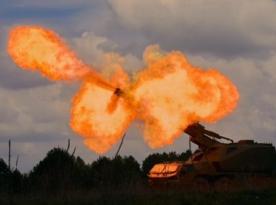
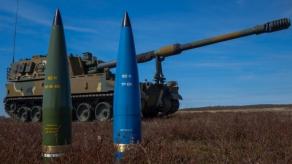
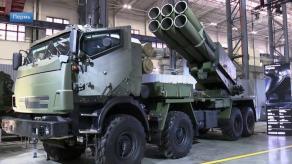
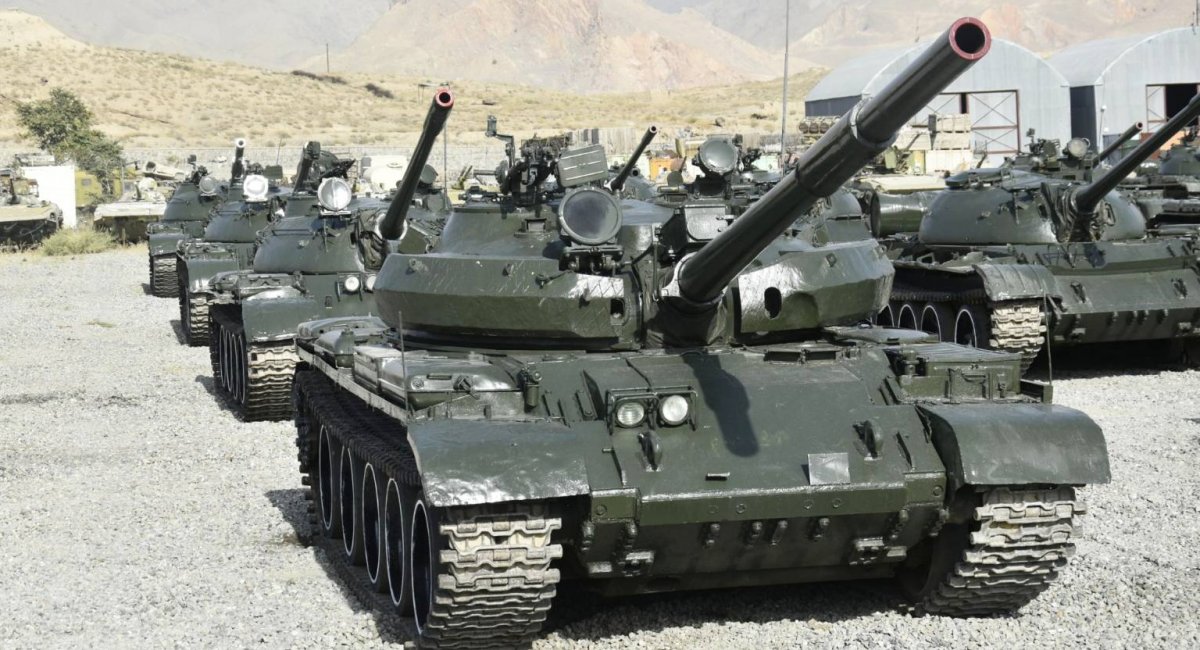
Pakistan maintains roughly 2,600 main battle tanks, including the Al-Khalid, Al-Zarrar, T-80UD, and Chinese Type-59/69 models. Self-propelled artillery stands at around 660 units, towed artillery at up to 2,600, and multiple-launch rocket systems at approximately 600. This allows Pakistan to form full-scale strike formations with deep fire support and armored maneuver capability. Afghanistan effectively lost its functional tank fleet after 2021; most Soviet-era equipment has since been destroyed or rendered unserviceable. Taliban forces rely mainly on light armored vehicles, captured vehicles, and pickup trucks, with no systematic heavy artillery.
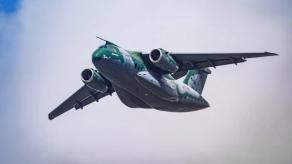
The air gap is even more pronounced. Pakistan's air force operates a total fleet of approximately 1,400 aircraft, including roughly 330 combat aircraft, 90 strike aircraft, around 370 helicopters more than 50 of them attack variants and four aerial refueling tankers. Core platforms include the F-16, JF-17 Thunder, Mirage III/V, and the newer J-10C. Afghanistan has fewer than 10 aircraft mostly Mi-17s, UH-60 Black Hawks, and MD-530s and no functional combat jets. In any major escalation, Pakistani air superiority would be total.
One further factor sits in the background. According to SIPRI estimates as of January 2024, Pakistan holds approximately 170 nuclear warheads and is modernizing its land- and sea-based delivery systems. Afghanistan has no nuclear capability. Yet the world already has a working example of nuclear stockpiles failing to decide a conflict's outcome: russia's arsenal the world's largest, has not stopped Ukraine from systematically destroying russian military and economic infrastructure for four years running. Warheads set ceilings on escalation. They do not determine who fights, or how.
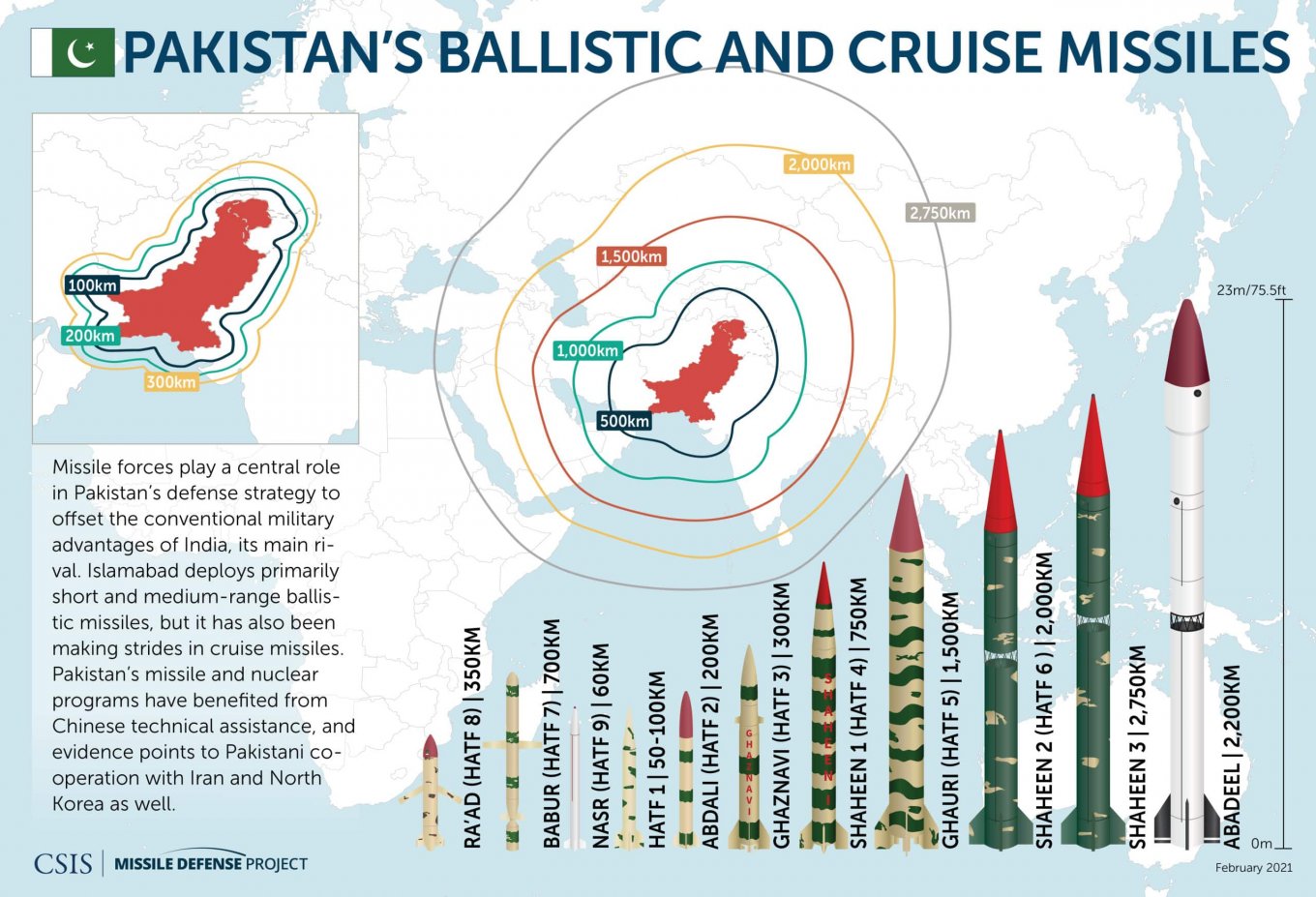
Defense Express previously reported that Pakistan conducted the first test of its Taimoor cruise missile, with a reported range of 600 km, positioning it as a counterpart to India's Storm Shadow/SCALP systems.
Yet despite Pakistan's formidable military strength and technology, against Afghanistan it may not be enough. The terrain, cross-border tribal networks, and the costs of prolonged occupation have historically prevented decisive outcomes, lessons learned by Soviet and American troops over the past half-century. For now, Islamabad holds every conventional advantage. What the coming weeks will show remains to be seen, but one thing is already clear: the World got new bleeding wound.
Read more: Ukrainian Naval Aviation Helicopter Downs Eight Shahed and Gerbera Drones Over Sea (Video)