The Ground Forces of Iran's Islamic Revolutionary Guard Corps are beginning to field a new jet-powered stealth loitering munition, the Hadid-110, a system that could be of particular interest to russia. First unveiled in early 2025 and later employed during summer exercises, the drone represents a notable step forward in Iran's strike UAV capabilities.
Read more: Close-Quarters Combat and Drone Warfare: Ukraine's 6th Special Operations Detachment in Action (Video)
One of the Hadid-110 system's defining features is its jet engine, which allows the drone to reach speeds of up to 510 km/h. Combined with a specially shaped airframe designed to reduce radar cross-section, this significantly complicates detection by conventional radar systems and shortens the reaction time available to air defenses.
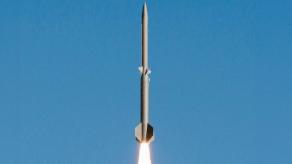
The drone is launched using a solid-fuel booster, which accelerates it to the required speed and altitude before the main jet engine ignites. This launch method enables rapid deployment while preserving the drone's compact size and aerodynamic efficiency during cruise flight.
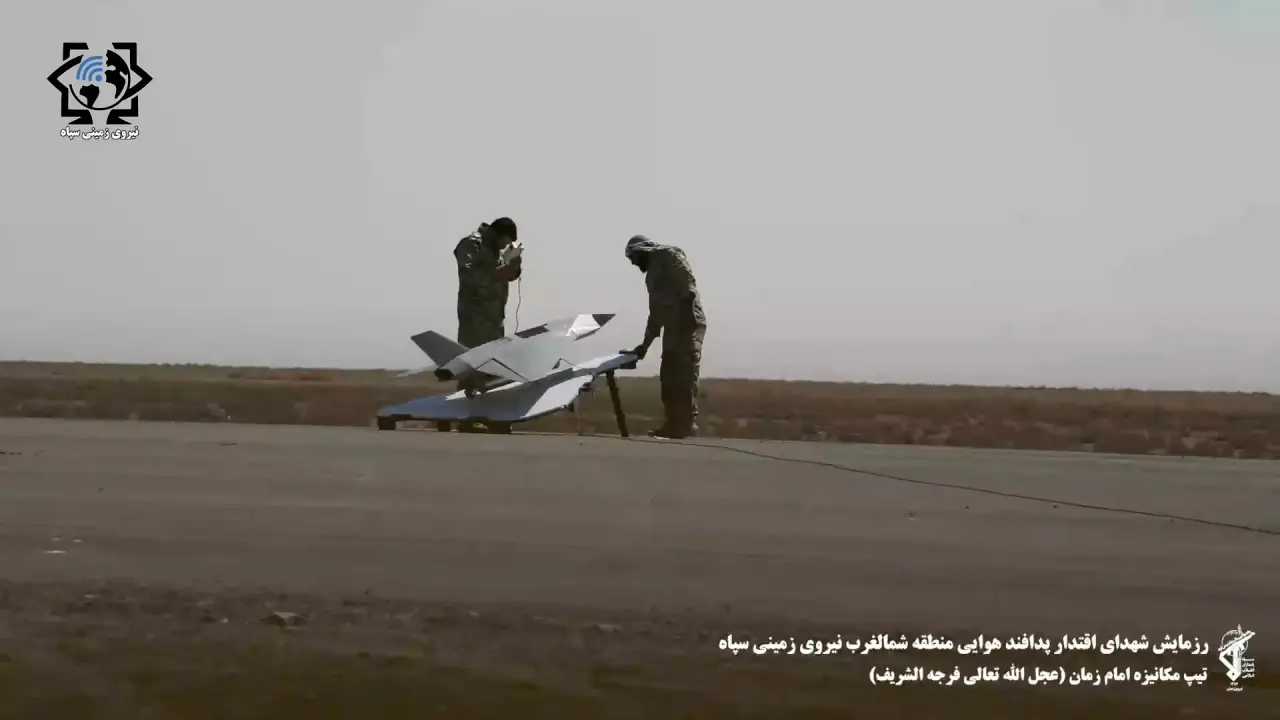
Despite its relatively small dimensions, the Hadid-110 drone carries a 30-kg warhead and has a declared strike range of up to 350 km. Iran also claims a maximum operational altitude exceeding 9,000 meters, placing the drone well beyond the reach of mobile fire groups, anti-aircraft artillery, and most short-range air defense systems.
At such altitudes, interception becomes a serious challenge. The majority of drone interceptors operate effectively only up to around 5 km, and only a limited number of FPV interceptor drones are capable of reaching 9 km, let alone overtaking a target moving at jet speeds. As a result, engaging the Hadid-110 drone would likely require fighter aircraft, long-range surface-to-air missile systems, or larger and more expensive interceptor drones.
This combination of speed, altitude, reduced observability, and a relatively heavy warhead places the Hadid-110 system in the category of a "middle strike" UAV, an area where russia currently faces a significant capability gap. To address this shortfall, russian forces have recently procured the Shahed-107 loitering munitions, also of Iranian origin.
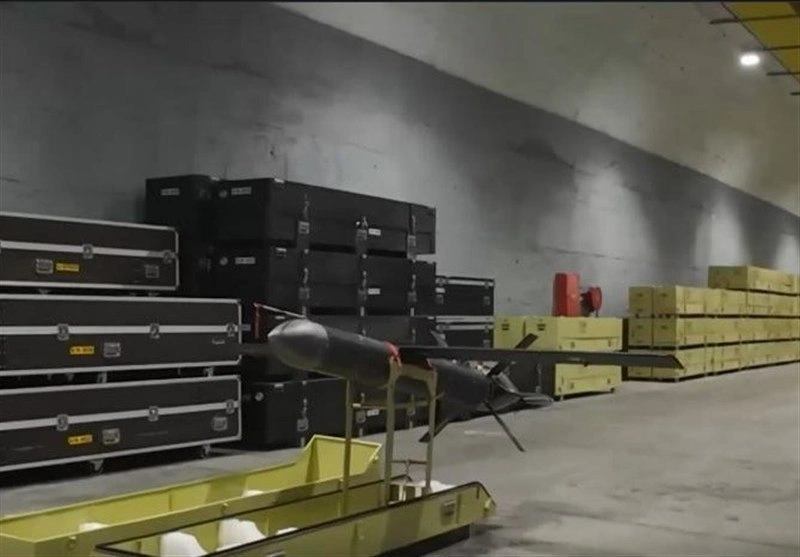
However, when comparing the two systems, the Hadid-110 system offers clear performance advantages. The Shahed-107 drone uses an internal combustion engine, has a lower maximum speed of around 180 km/h, a shorter range of up to 300 km, and carries a warhead weighing approximately 15 kg, half that of the Hadid-110 drone. While the jet-powered drone would almost certainly be more expensive, its combat effectiveness would be substantially higher.
In addition, systems of this class could theoretically be equipped with relay-based communication antennas or mesh-network modems, enabling real-time control rather than purely autonomous operation. If transferred or adapted for russian use, the Hadid-110 system could significantly complicate air defense planning and further escalate the technological dimension of long-range drone warfare.
Read more: Why russia Launches Five Tu-95MS Bombers from the Ukrainka Air Base to Simulate Kh-101 Strikes on Japan