Following the capture of Venezuelan President Nicolás Maduro in the country's capital, Caracas, on the night of January 3, U.S. officials announced plans to assume direct control of the country until a secure transfer of power can be carried out. They also declared intentions to restore U.S. control over Venezuela's oil industry, which holds the world’s largest proven oil reserves.
Ultimately, in line with the Monroe Doctrine, if the United States succeeds in bringing to power a new government loyal to Washington, American specialists would gain access to the entire arsenal of the Venezuelan armed forces, including weapon systems recently supplied by russia.
Read more: What Forces U.S. Deployed for Operation Against Venezuela
This would include several systems whose detailed examination would undoubtedly be of significant interest to the Pentagon, even considering that a large number of captured russian weapon samples have most likely already been transferred to Ukraine.
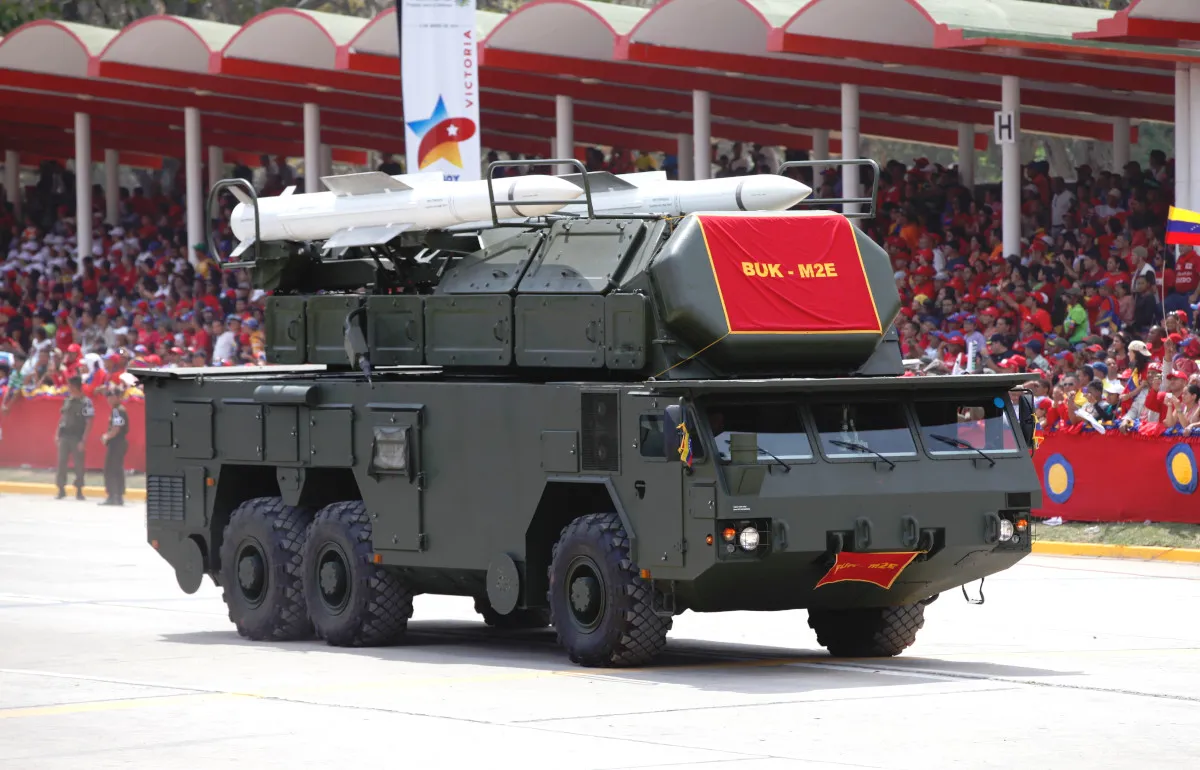
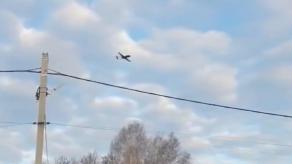
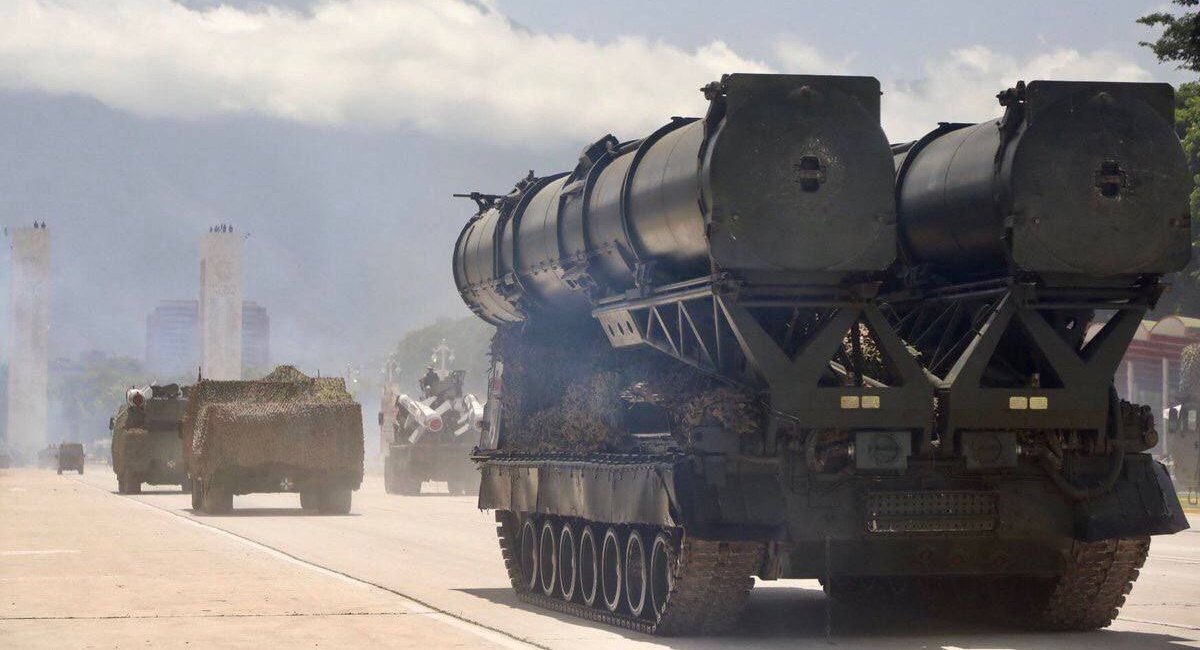
Among the most notable assets for the United States are the S-300VM air defense systems, two battalion sets of which were delivered to Venezuela by russia in 2013. In addition, in October 2025 Russia reportedly transferred an undisclosed number of Pantsir missile-gun air defense systems and Buk-M2 surface-to-air missile systems to the country via several Il-76TD flights.
Buk systems were also supplied to Venezuela earlier, between 2009 and 2015. Given that russia has actively exported, and continues to supply, its air defense systems to a number of countries, including Iran, detailed technical data on russian SAM systems is undoubtedly of value. This, however, assumes that these systems were not destroyed, as U.S. forces would have needed to neutralize all air defense assets in the Caracas area during the operation. Video footage has already confirmed the destruction of at least one Buk-M2 system.
JUST IN:Venezuela’s state TV shows heavy damage at La Carlota Air Base in Caracas, with BUK air defense systems reportedly destroyed after the strikes. pic.twitter.com/MYbVw2D7n3— Frost (@FrostArxtic) January 3, 2026
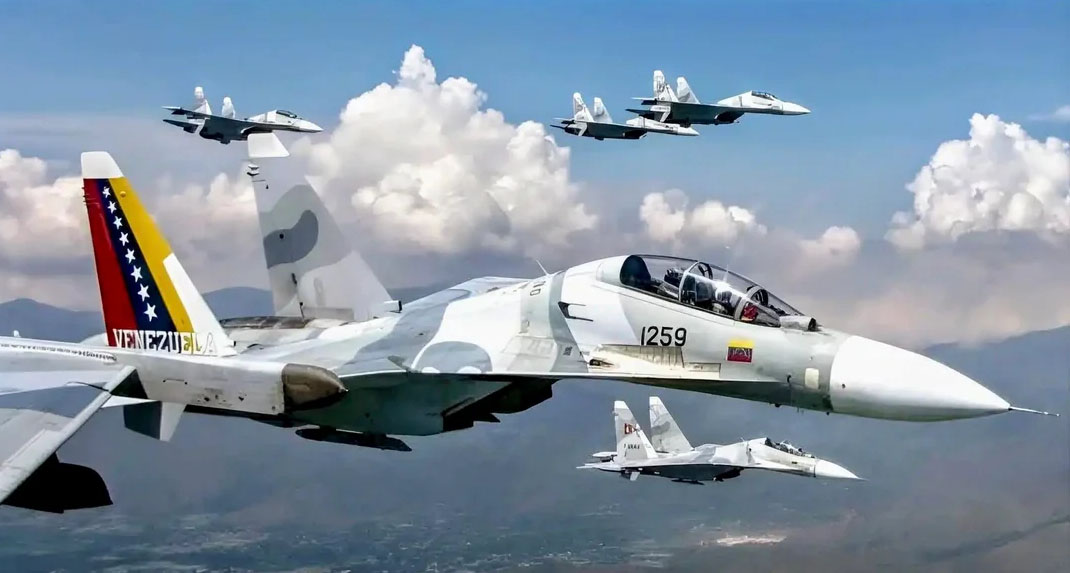
The Su-30MKV fighter aircraft may also be of particular interest to U.S. specialists. Venezuela began receiving these aircraft as early as 2006 and currently operates 21 fighters, having lost three over the years. Of even greater value, however, may be the R-77 air-to-air missiles, which remain among russia’s most advanced medium-range air combat missiles.
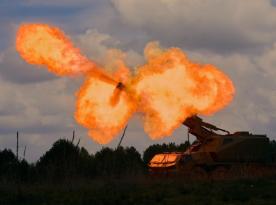
Additional interest could extend to the 300 mm Smerch multiple launch rocket system, 12 units of which were delivered to Venezuela by russia in 2009 alongside the S-300VM. Furthermore, while not russian-made, U.S. analysts may also focus on the Iranian Mohajer-6 reconnaissance and strike UAVs, an undisclosed number of which Venezuela received no later than 2020, as well as Chinese VN-16 (Type 05 / ZBD-05) amphibious infantry fighting vehicles.
Beyond these potentially valuable systems, a new Venezuelan government would inevitably face the challenge of replacing other russian-made weapons with U.S. equipment. Washington would clearly be interested both in disarming one of South America’s strongest armed forces and in pushing Caracas toward a transition to American weaponry.
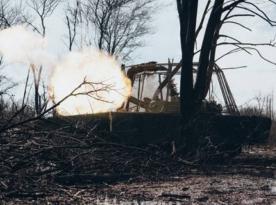
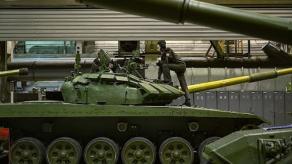
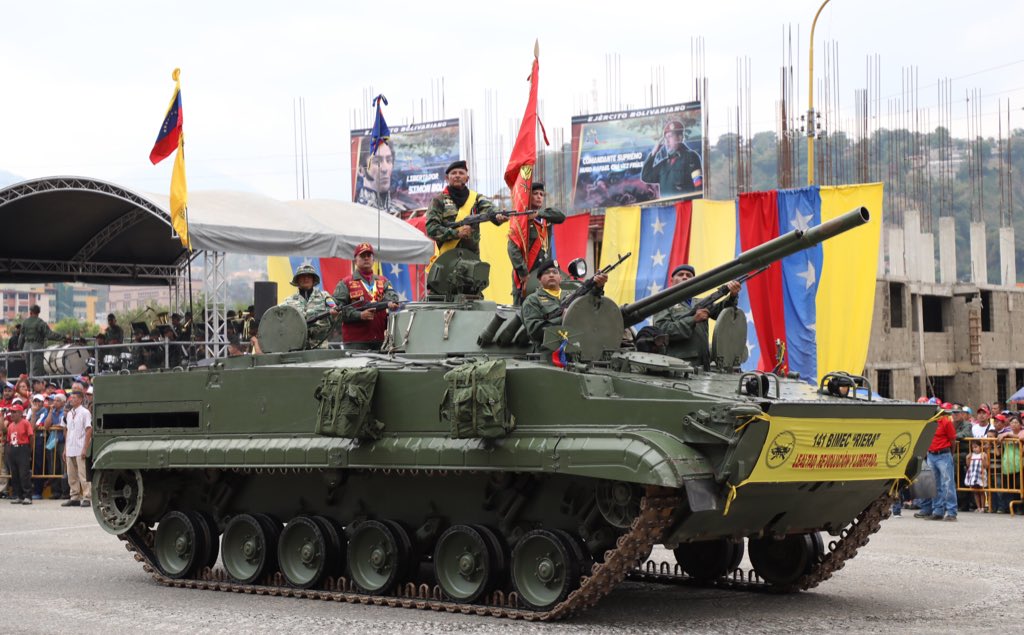
As a result, over time, not only the fighters, air defense systems, and other assets mentioned above could be offered for sale or simply left to decay in the Venezuelan jungles. The Venezuelan armed forces also operate 92 T-72B main battle tanks, 123 BMP-3 infantry fighting vehicles, 114 BTR-80A armored personnel carriers, 48 2S19 Msta-S self-propelled howitzers, 13 2S23 Nona-SVK systems, and 24 Grad multiple launch rocket systems. In addition, they operate around a dozen Mi-17, Ka-29, and Ka-31 helicopters, all of which are impossible to properly maintain without russian involvement.
Read more: How U.S. Carried Out Daring Operation to Kidnap Maduro and Why This Is New Level of Combat Operations