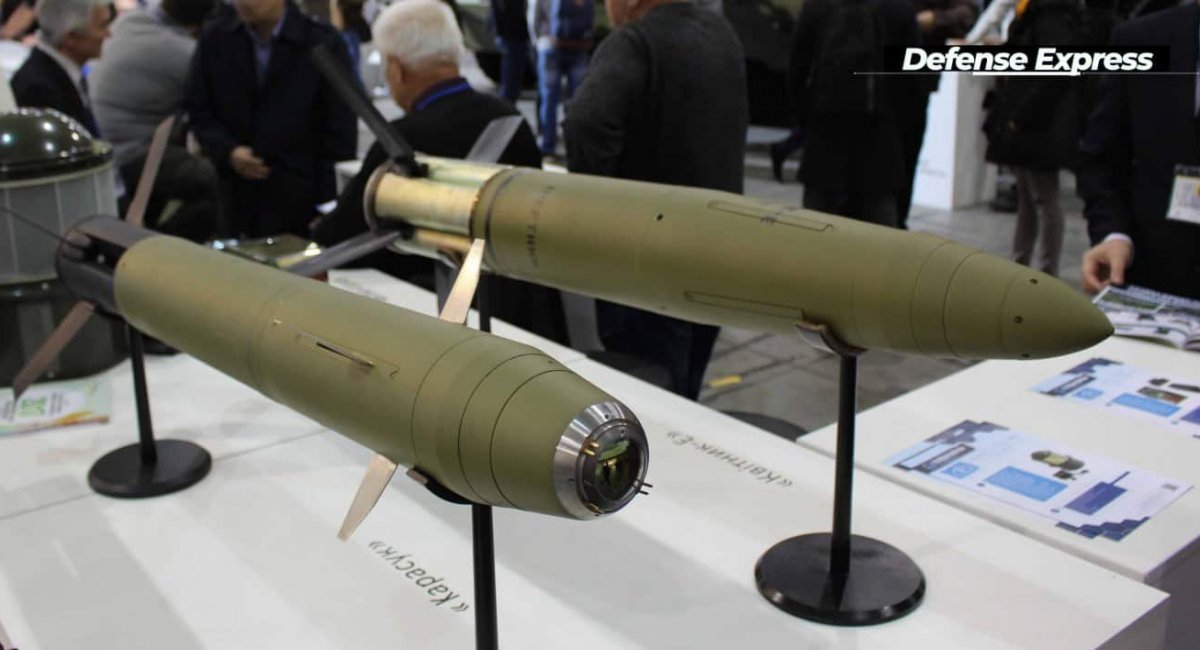
Ukraine has already begun testing the Barvinok-K precision-guided artillery round. If successful, this could pave the way for serial production in Ukraine of laser-guided shells, a class of munitions that has gained renewed relevance on the modern battlefield thanks to the widespread use of UAVs and the evolution of electronic warfare.
This was disclosed by Colonel Andrii Zhuravlov, Deputy Chief of Staff of the Missile Forces and Artillery Command of the Ukrainian Ground Forces, in an interview with RBC-Ukraine. He noted that the development must now confirm its stated technical and performance characteristics.
Read more: Ukraine Is Working on Its Own HIMARS Analog: Development of a Domestic Missile System Announced
From Defense Express, we would add that the success of this project would allow Ukraine's Defense Forces to field a domestically produced munition capable of precise first-shot engagement of enemy vehicles, artillery systems, and fortified positions. At the same time, it would be largely immune to russian countermeasures, while target designation could be provided by modern UAVs.
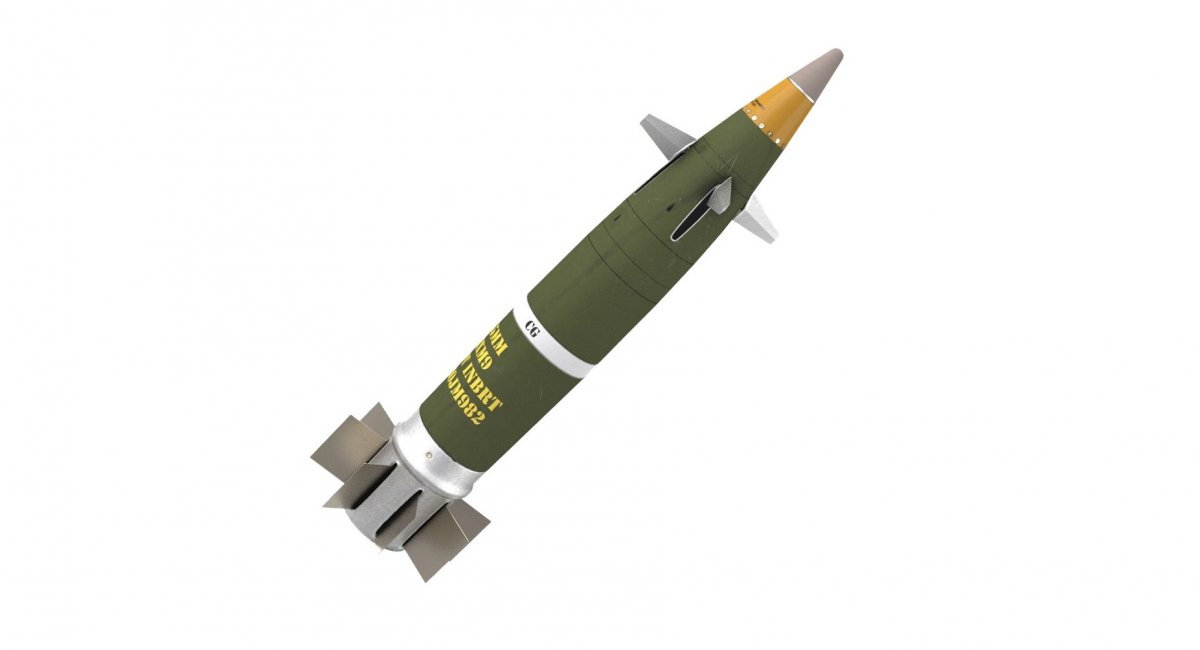
In 2022, Ukraine received US-supplied 155 mm M982A1 Excalibur rounds, which were capable of performing similar missions. However, their effectiveness has since declined due to the widespread use of russian electronic warfare systems that interfered with GPS-based guidance. We have previously examined this issue in detail.
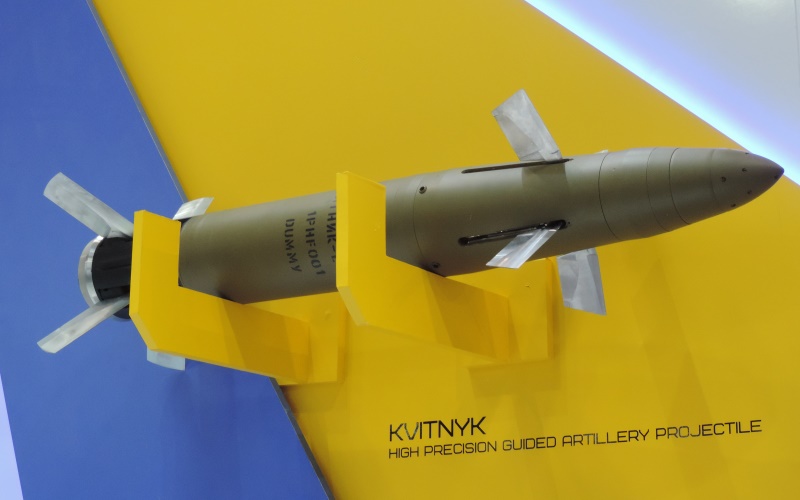
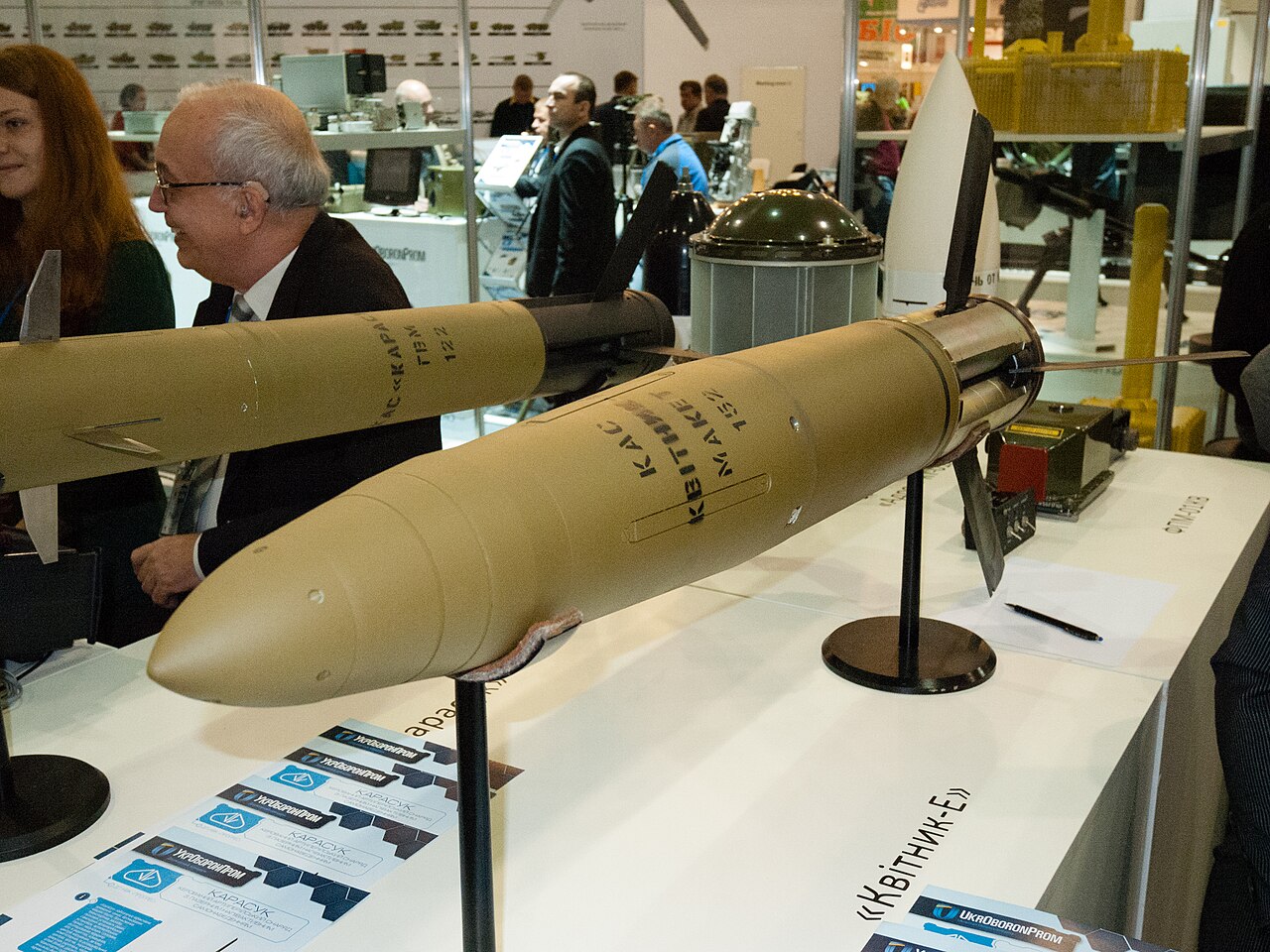
That said, despite all the potential advantages of laser guidance, Barvinok-K should still be approached with a degree of caution. The munition is a continuation of the Kvitnyk project, which was officially adopted by the Ukrainian Armed Forces back in 2012 but never entered serial production.
After the start of the war in 2014, the program ran into problems related to the use of russian components. A version without those components was only presented in 2017. In 2020, it was announced that work would be accelerated, the system would be renamed Barvinok, and preparations for testing would begin. However, no serial production followed.
Of course, the lengthy development can be attributed to a lack of interest and limited funding in previous years, and today the pace is likely to be much faster. Nevertheless, questions remain regarding the scale of future production, the availability of funding for a state procurement order, and the readiness of howitzers and UAVs capable of providing the necessary laser target designation.
Barvinok has been presented as a solution for both Soviet-caliber 152 mm artillery and NATO-standard 155 mm systems, which are becoming the primary caliber within Ukraine's Defense Forces, including through domestically produced Bohdana howitzers. From this perspective, it may make sense to prioritize refinement of the more relevant 155 mm version, while the other could be finalized later, for example for export.
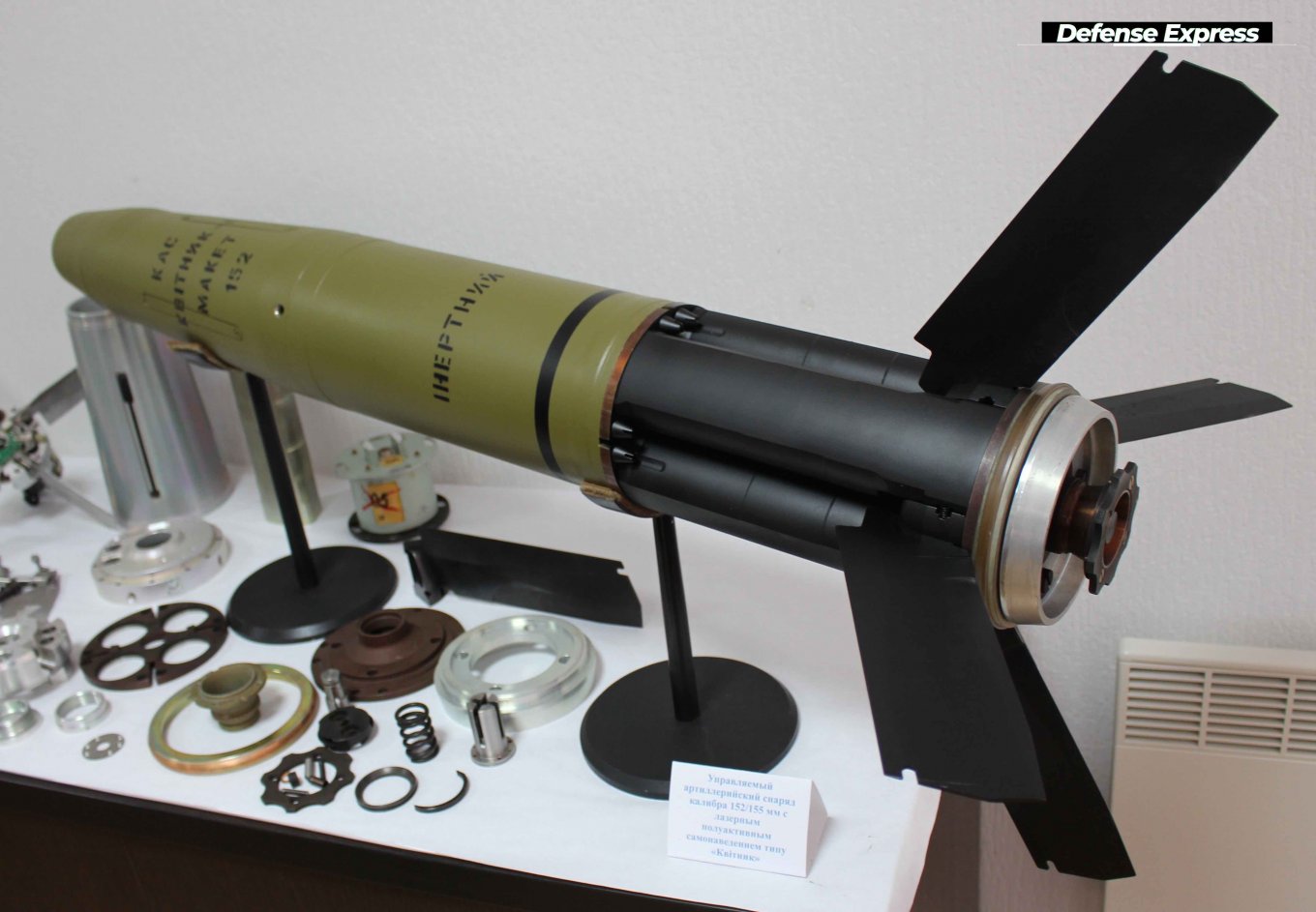
Among the stated characteristics is the ability to engage moving targets traveling at speeds of up to 10 m/s (36 km/h) with a reported 90% probability of hit. The total mass does not exceed 48 kg, with the warhead accounting for 8 kg.
In summary, this is a weapon with strong potential, capable of carving out a niche both within Ukraine's Armed Forces and on the global market, where interest in such munitions is growing. However, to achieve this, the system must successfully complete testing and then be produced in sufficient quantities.
Read more: Ukrainian Bohdana Howitzer Could Become the Single Artillery Platform of Ukraine's Armed Forces in the Future