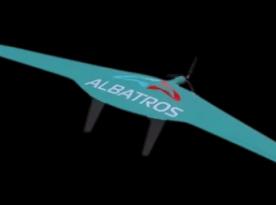



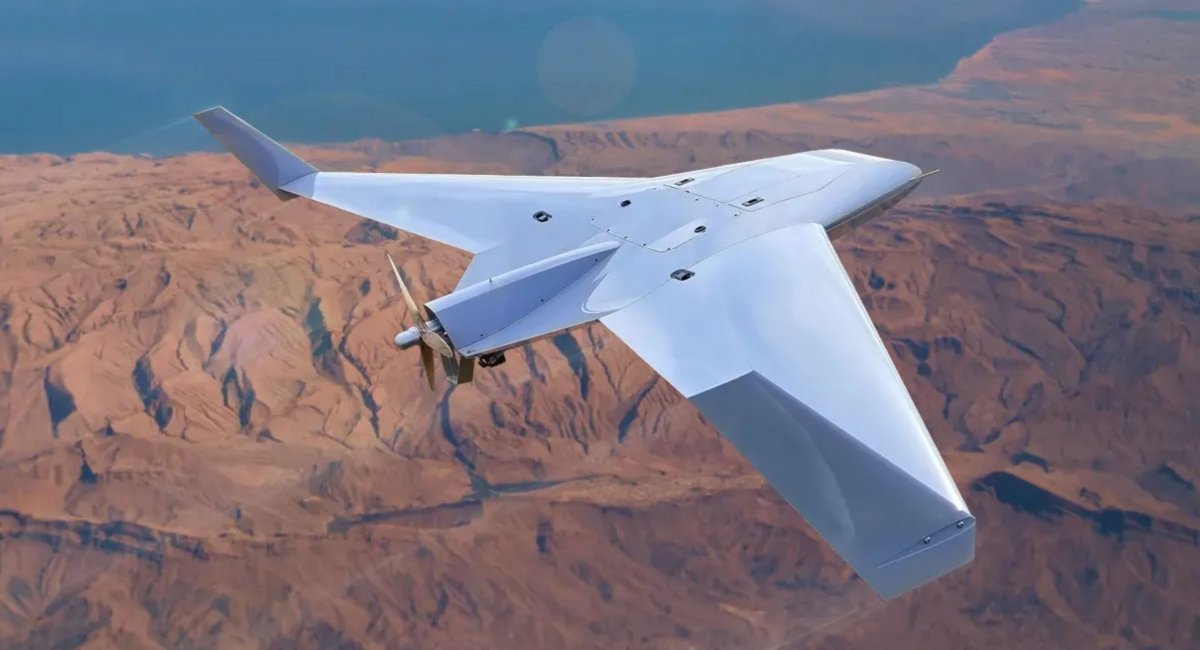
Ukraine's Defense Forces have received Rodeur 330 unmanned aerial vehicles (UAVs) from the French EOS Technologie group. According to available information, "some units" have already been delivered to Ukraine. As emphasized by company president Jean-Marc Zuliani, while the platform is capable of conducting reconnaissance missions, it is most likely to be used primarily as a strike UAV by the Armed Forces of Ukraine.
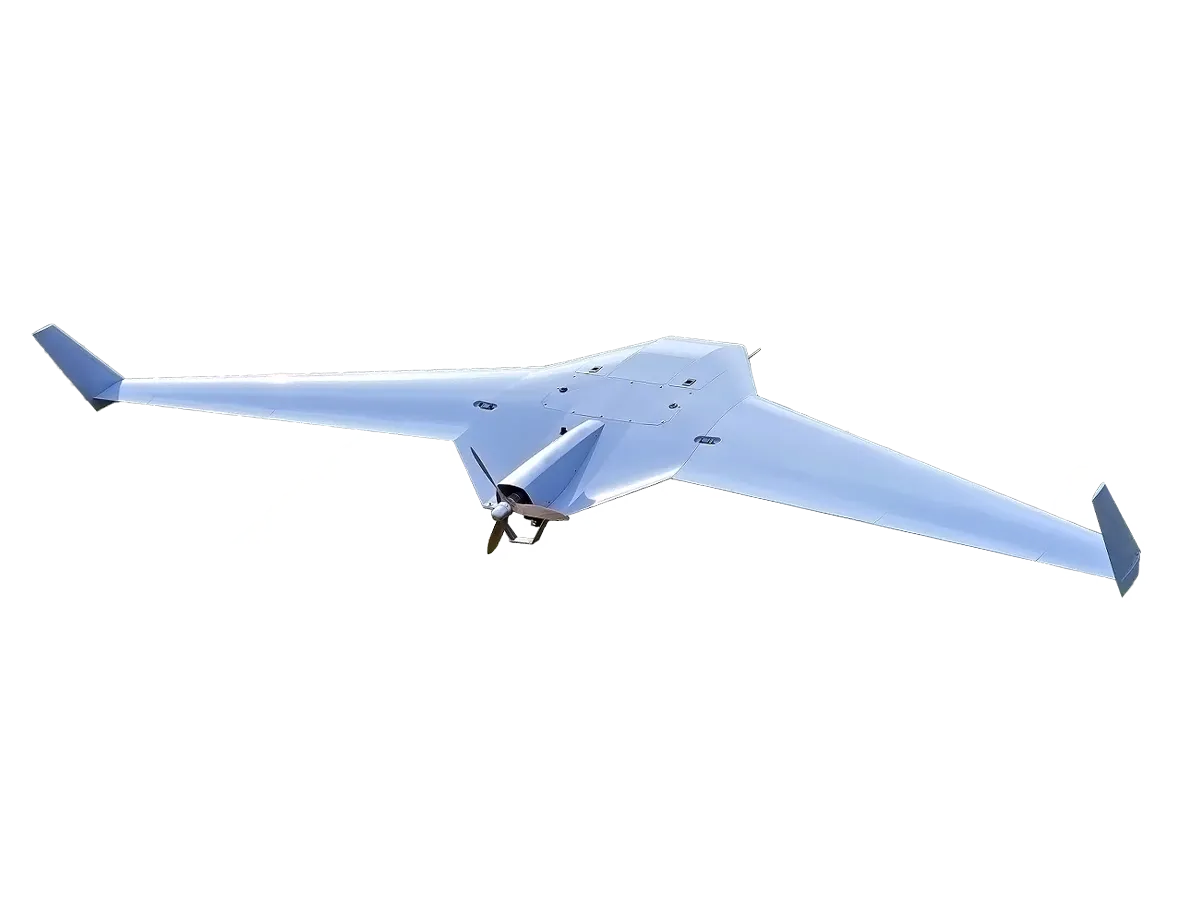
This was reported by France 24. No details have been disclosed regarding the exact number of drones delivered or whether additional shipments are planned. However, it is reasonable to assume a familiar pattern: an initial batch is supplied for operational testing, followed by refinement of the system based on feedback from Ukrainian forces before further deliveries.
Read more: KNDS and Rheinmetall Launch Leopard 3 Tank Development for Germany as MGCS Is Planned for the 2040s
EOS Technologie's intention to supply its drones to Ukraine for testing was first reported in December last year. At the time, it was stated that deliveries would take place "soon" and that, alongside the Rodeur 330, the company also planned to provide Veloce 330 UAVs.
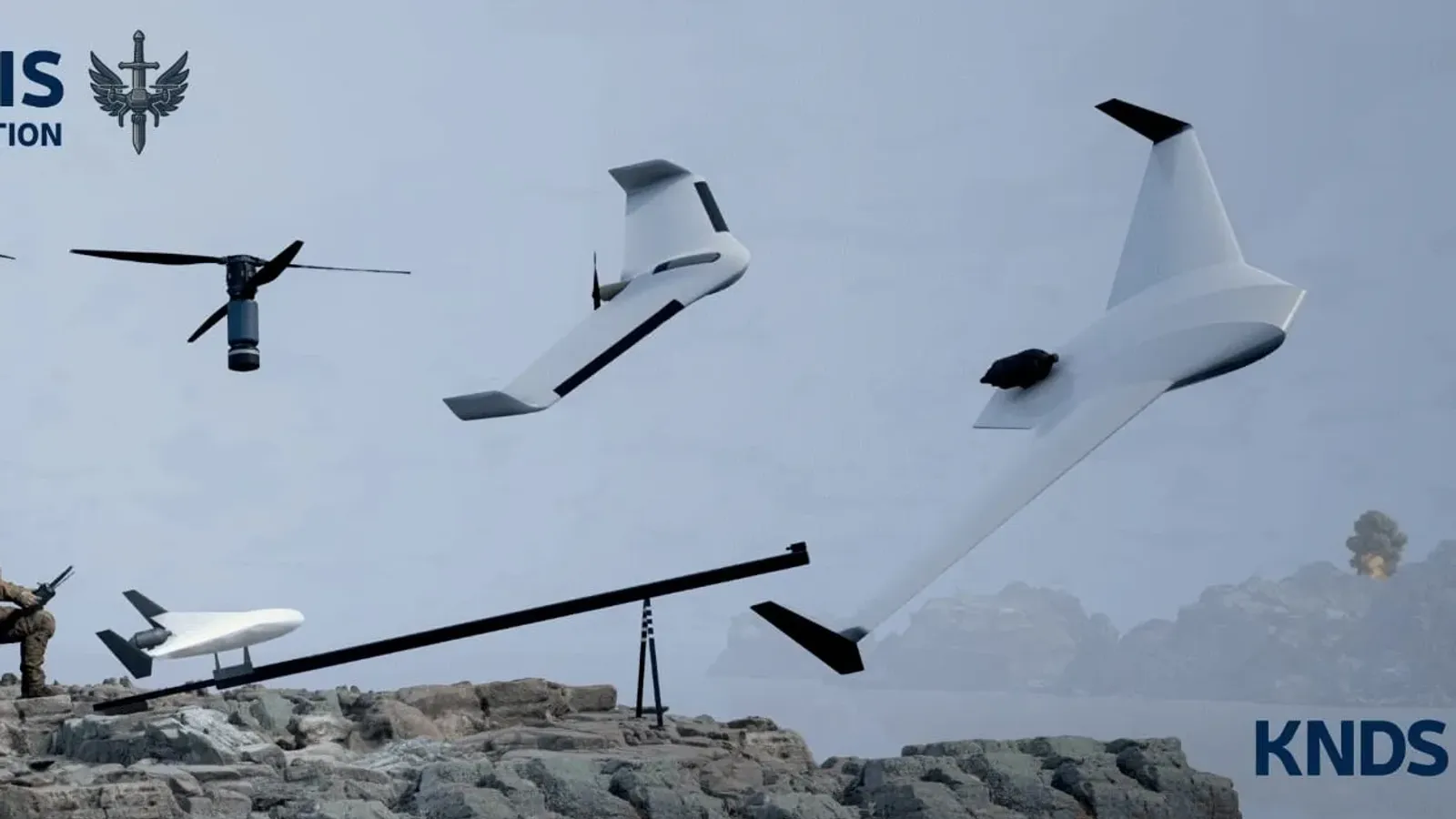
Both drones belong to the MV-100 series and are the result of cooperation between EOS Technologie, KNDS France, and Delair. Moreover, the MV-100 platforms are part of a broader family of unmanned aerial systems developed under the Mataris program, which was presented earlier this year at the IDEX-2025 defense exhibition in the United Arab Emirates.
The MV-100 Rodeur 330 is a propeller-driven UAV powered by an internal combustion engine. It can carry a payload of up to 4 kg, has a cruising speed of 80–120 km/h, and a maximum range of up to 500 km. The drone is launched via a catapult and is relatively easy to prepare for operation, requiring fewer than 10 minutes and just two operators.
The Veloce 330, by contrast, is a jet-powered UAV capable of reaching a maximum speed of up to 400 km/h, with a declared cruising speed of around 200 km/h. It carries a comparable 4 kg warhead, while its radio control range is limited to up to 100 km.
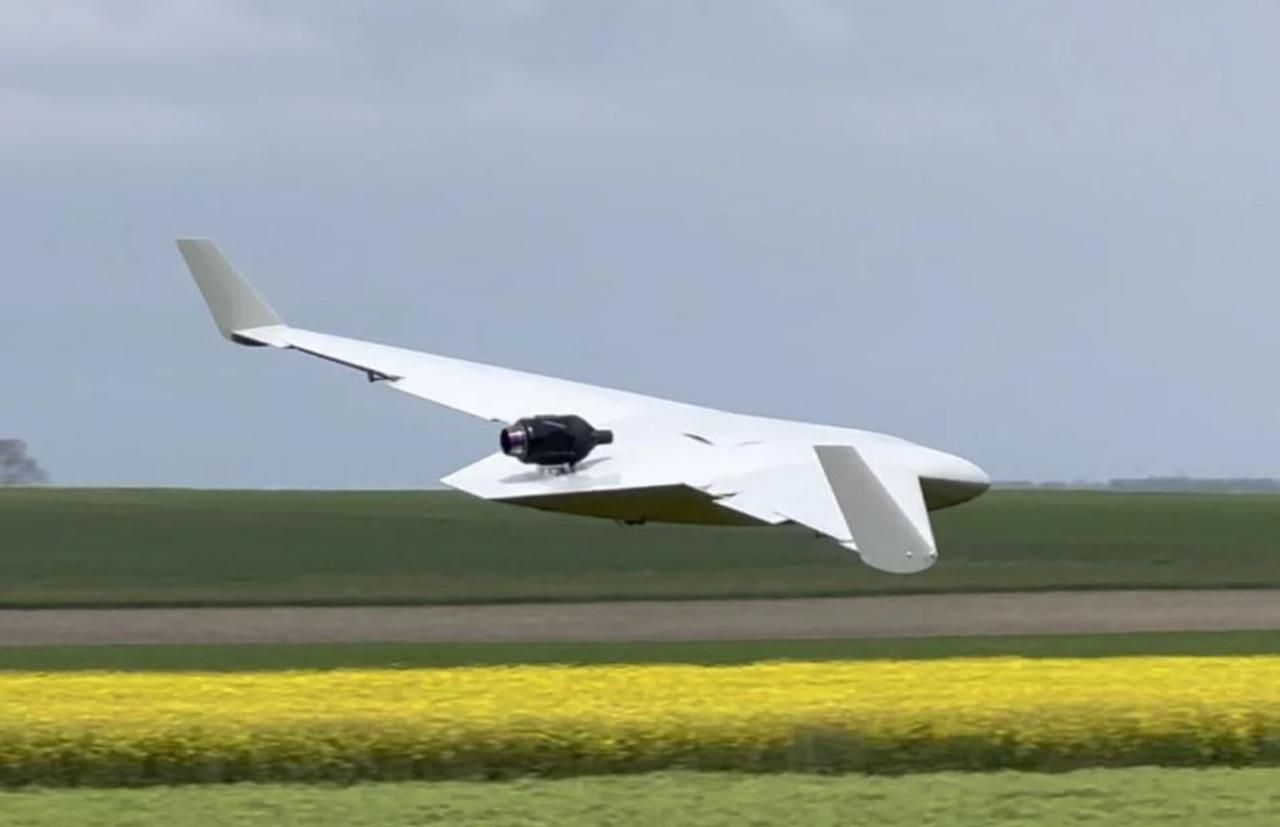
It is likely that Ukraine may later also receive the Veloce 330 drones. As of last year, France's Ministry of Defense had ordered only slightly more than two dozen of these UAVs. For this year, the manufacturer announced the start of low-rate production, initially limited to around 100 units annually, with plans to scale up to 1,000 per year.
Particular attention should be paid to the Arceus warhead developed by KNDS for these drones. This warhead could prove especially effective against armored vehicles fitted with so-called "cope cages." The Arceus warhead is derived from submunitions used in the 155 mm BONUS artillery round, employs an explosively formed penetrator (EFP), and has a mass of approximately 2.5 kg.
Earlier, Defense Express reported that France had ordered a jet-powered analog of the Shahed-type drone, the One-Way Effector developed by MBDA, with plans to manufacture up to 1,000 units per month.
From the Defense Express side, we urges you to join a fundraising for what is already working: One United Fundraiser: Fundraising by the Serhiy Prytula Charity Foundation for interceptor drones.

Read more: KNDS France Completes Developing the Mataris Line of Suicide Drones: Ordering Just 1,800 Was a Paradoxically Good Call