


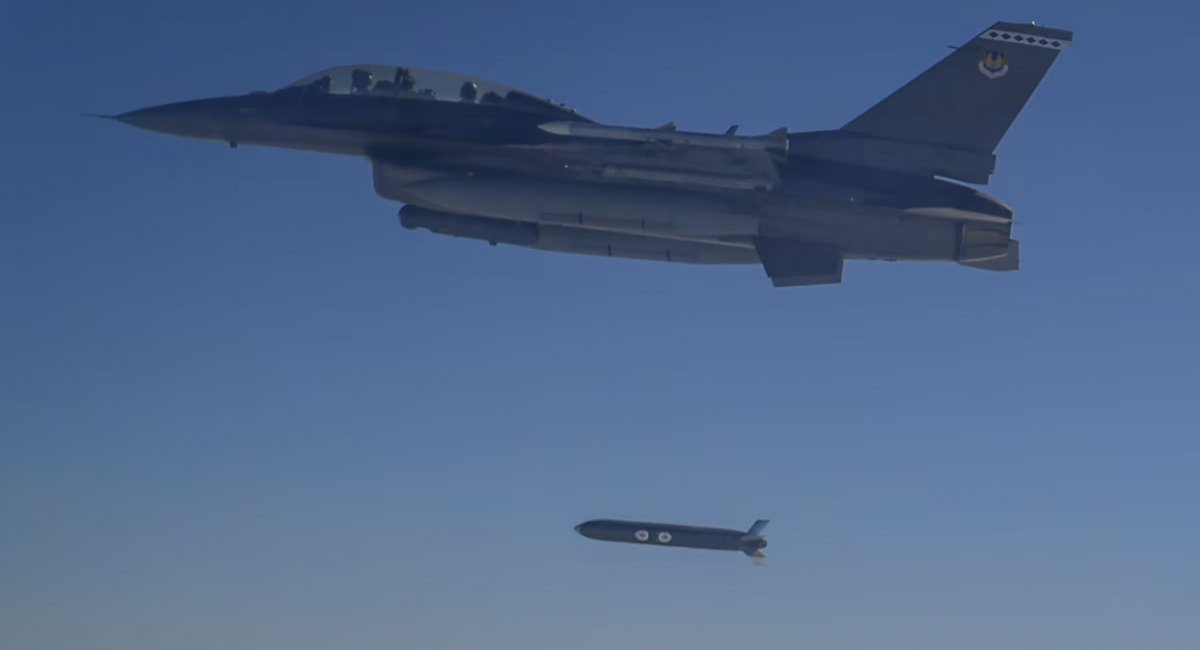
All available indications suggest that Ukraine may have already received and employed cruise missiles developed under the U.S. Extended Range Attack Munition (ERAM) program. The assessment is based on photographs published by russian sources showing debris recovered from the site of a reported strike.
Among the recovered components is an eight-element Controlled Reception Pattern Antenna (CRPA) used for navigation. After examining the markings, russian observers concluded that the antenna was manufactured by Zone 5 Technologies.
Read more: Ukrainian MiG-29 Fighter Jets Adapt to Western ERAM Missiles to Stay Effective at Least Until 2030
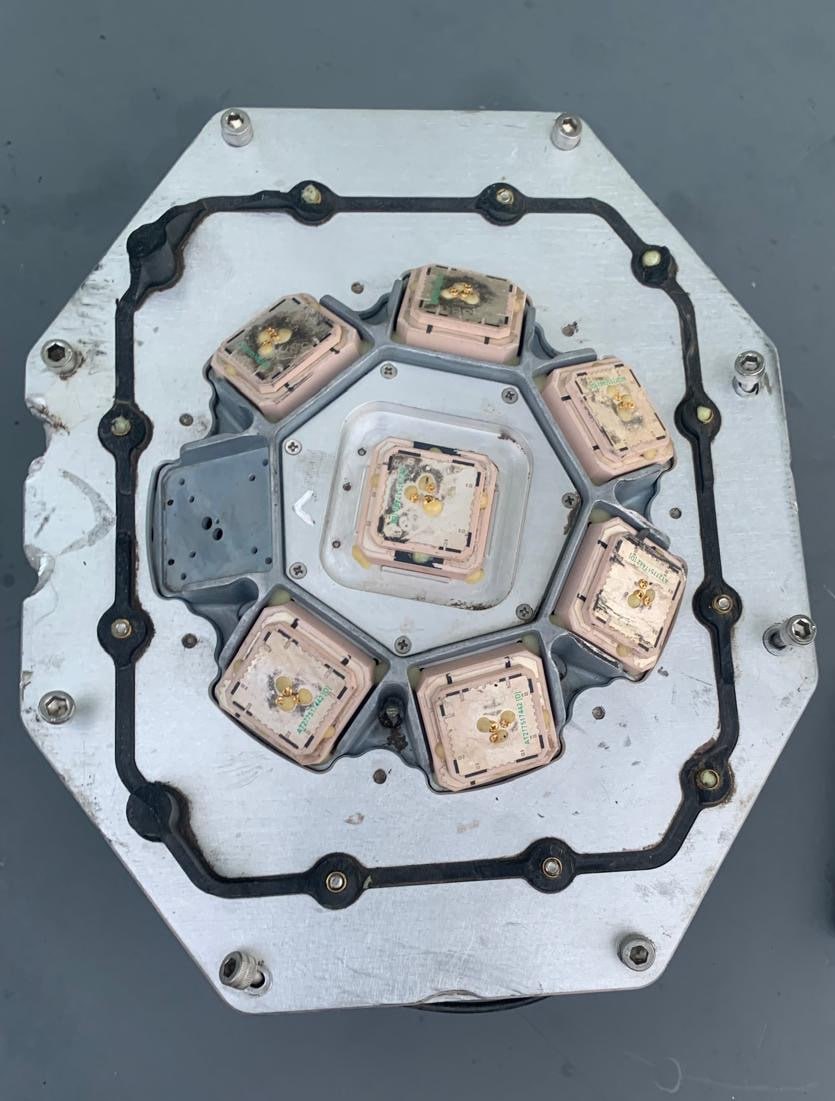
That detail is particularly noteworthy because the company is developing and producing one of the two cruise missiles created under the ERAM program, which was launched in 2024 specifically to address Ukraine's long-range strike requirements. The missile in question is the AGM-188A Rusty Dagger.
This could indicate that Ukraine has already received and begun employing ERAM cruise missiles, specifically the AGM-188A Rusty Dagger. However, no official confirmation has been issued, so the claim should be treated with caution.
If confirmed, the missile would represent a significant addition to Ukraine's strike capabilities. Although the ERAM requirement called for a minimum range of 460 km, Zone 5 Technologies appears to have exceeded that threshold substantially. The AGM-188A Rusty Dagger is reported to have a range of more than 930 km, more than double the original requirement.
An important feature of the ERAM program is that participating missiles were designed within the size and weight envelope of a 500-pound (227 kg) Mk 82 bomb. As a result, the AGM-188A Rusty Dagger reportedly weighs only about 200 kg, including a 45-kg warhead.

At first glance, a 45-kg warhead may appear relatively small. However, it is worth noting that many russian Shahed-136 drones carry warheads of roughly 50 kg and still inflict significant damage on targets.
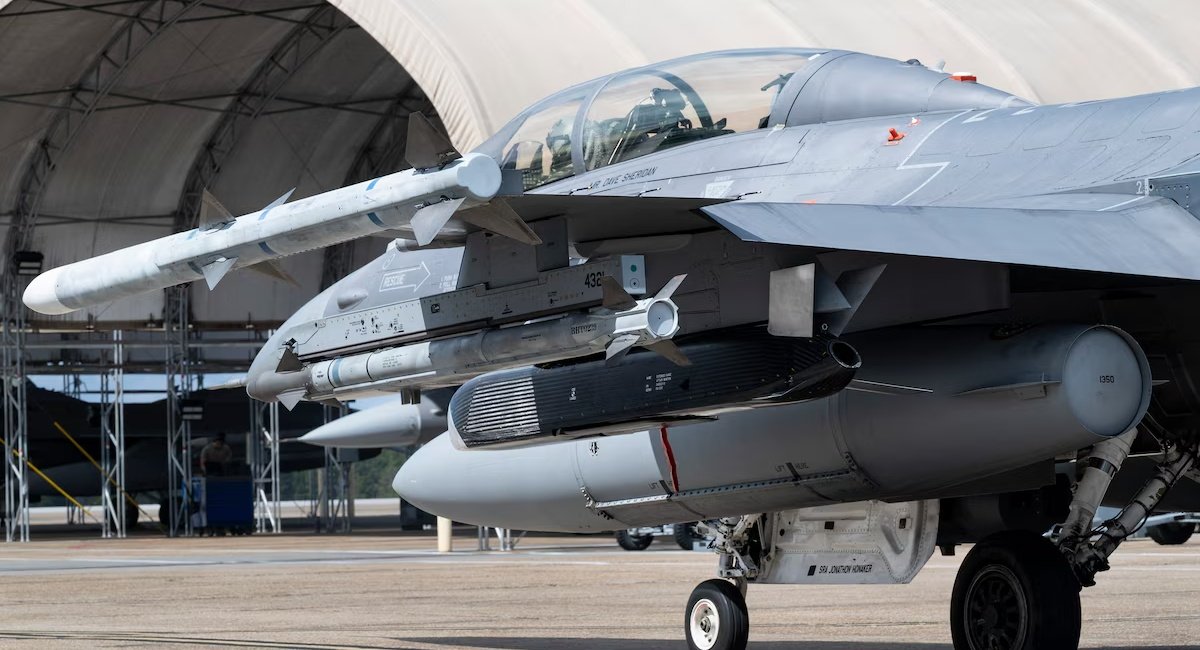
The missile's low weight also creates interesting operational possibilities. Because it can reportedly be launched from any aircraft capable of employing JDAM-guided munitions, a squadron of 12 F-16 Fighting Falcon fighters could theoretically launch as many as 144 ERAM cruise missiles in a single sortie.
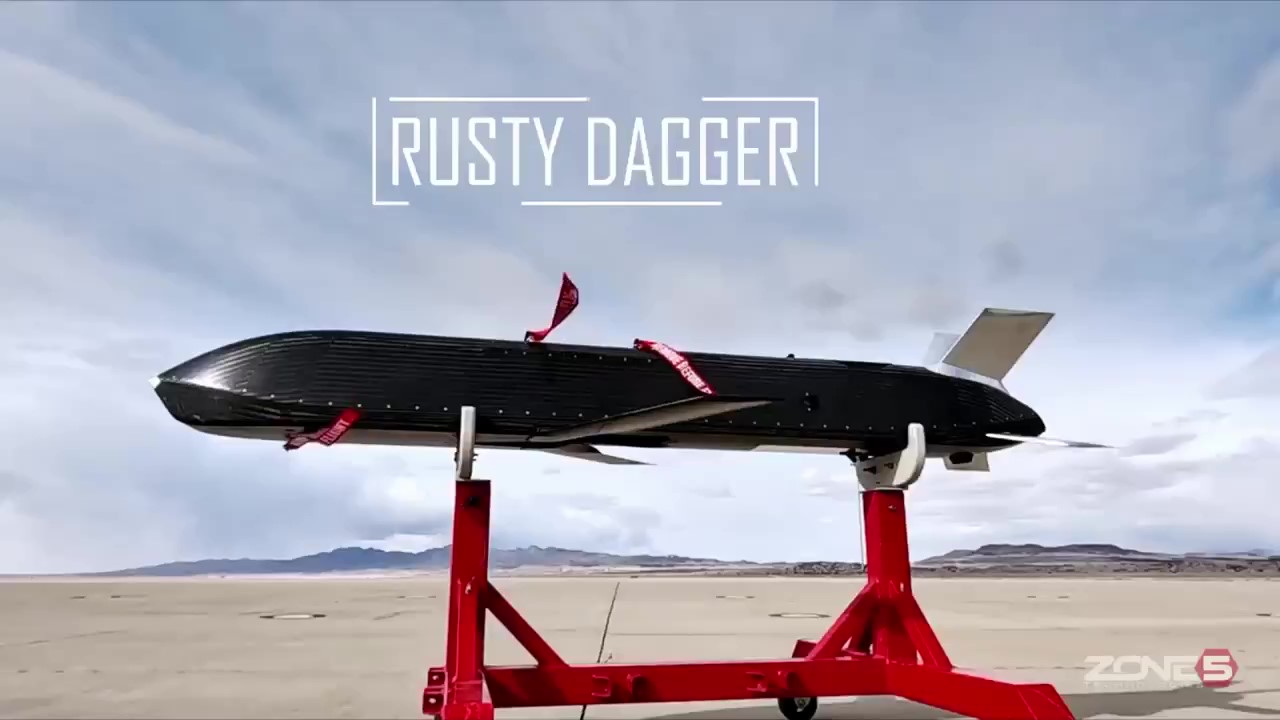
The AGM-188A Rusty Dagger is powered by a turbojet engine that enables sustained high-subsonic flight. Combined with its compact dimensions and what is believed to be a reduced radar signature, these characteristics could make interception particularly difficult.
In terms of guidance, the missile reportedly combines an inertial navigation system with GPS navigation supported by the eight-element CRPA antenna identified in the recovered debris. In addition, Rusty Dagger is advertised as having an autonomous visual-navigation capability, allowing it to operate even in environments where satellite navigation is contested.
It is worth remembering that the AGM-188A Rusty Dagger is not the only missile being developed under the ERAM program. Another contender is the RAACM, developed by CoAspire.
Reports published in 2025 indicated that the United States had approved the sale of up to 3,350 ERAM cruise missiles to Ukraine. Initial deliveries were expected to begin in October of that year. If those plans proceeded as scheduled, it would not be surprising if Rusty Dagger missiles are already being used in combat operations.
Read more: ERAM Missile Built for Ukraine to Power Development of a New Low-Cost Air-Defense Missile