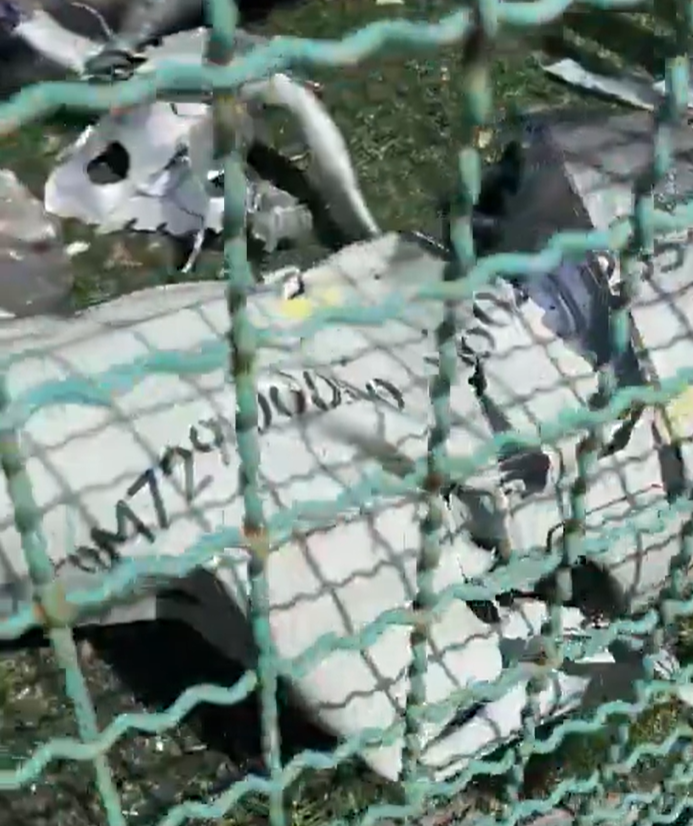
Residents published images of missile debris from the night of May 24, when a mass strike hit the territory of a school in Kyiv. A closer examination of the fragments reportedly revealed markings consistent with the 9M729 designation.
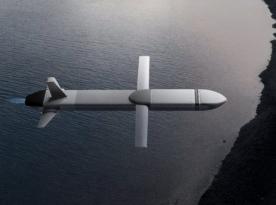
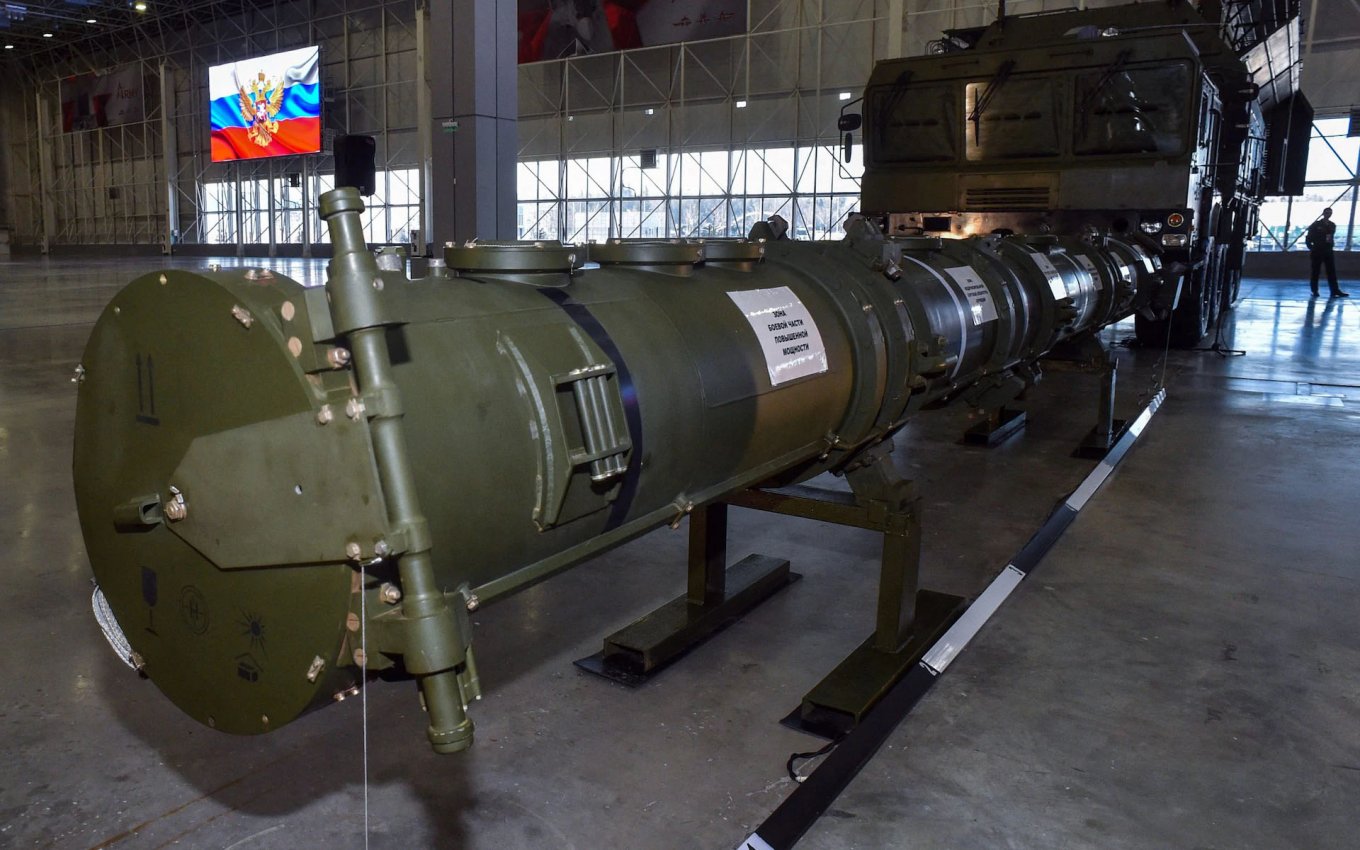
The 9M729 is a ground-launched cruise missile developed by the Novator design bureau and is widely regarded as the land-based counterpart of the 3M14 Kalibr missile. Depending on estimates, its range varies from 1,500 km to as much as 2,600 km. This extended range was one of the key reasons it previously became associated with violations of the INF Treaty.
Read more: russian Airstrike on Ukraine Includes Oreshnik, Kinzhal, Zircon, Ballistic, Cruise Missiles and Shahed UAV Swarms
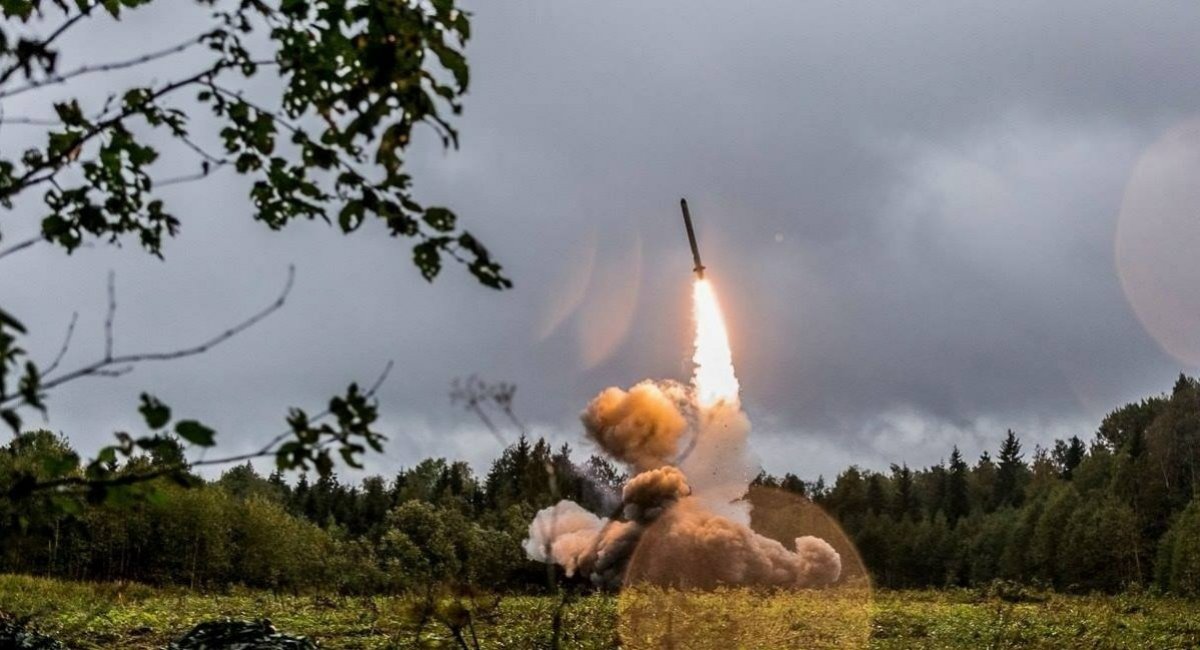
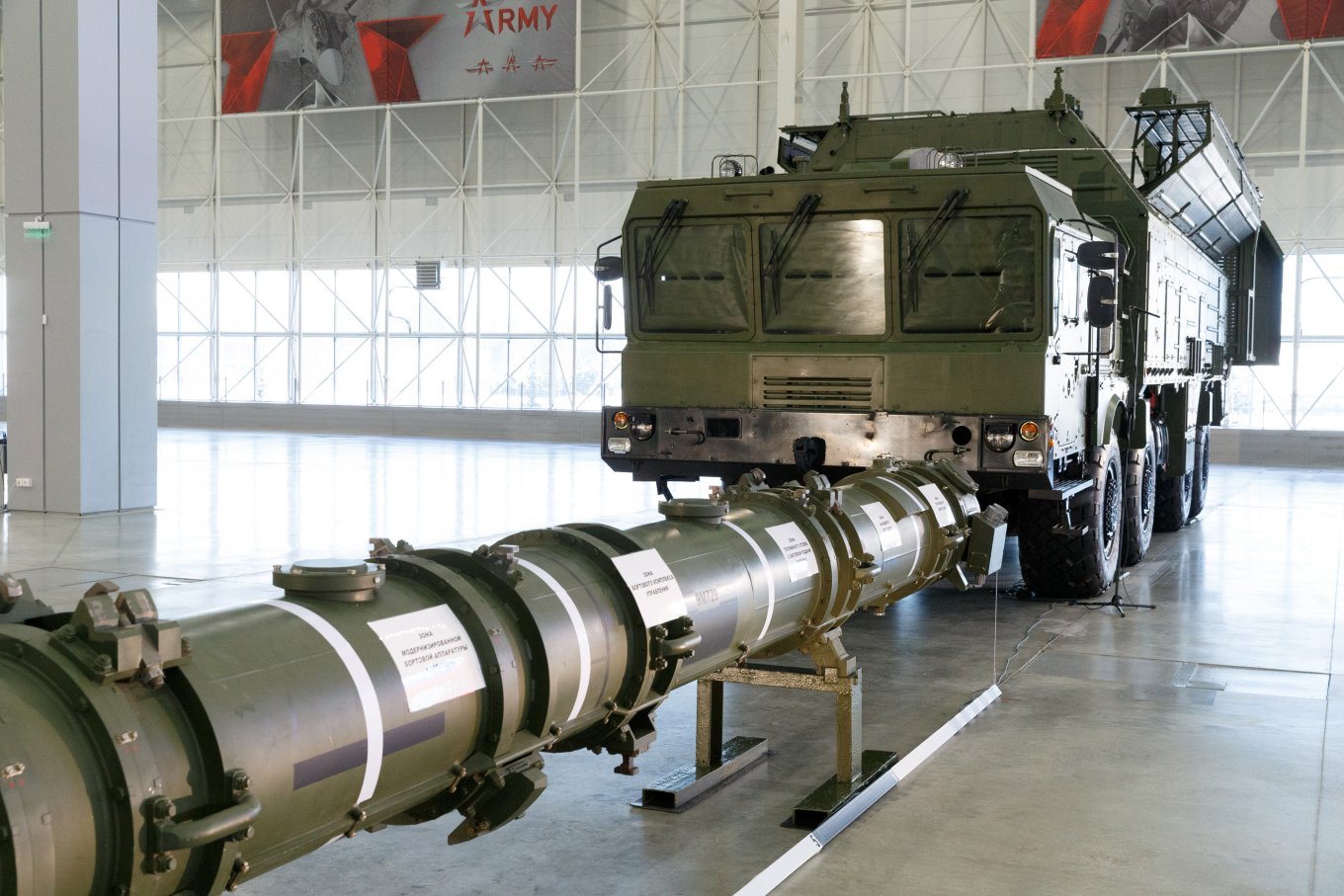
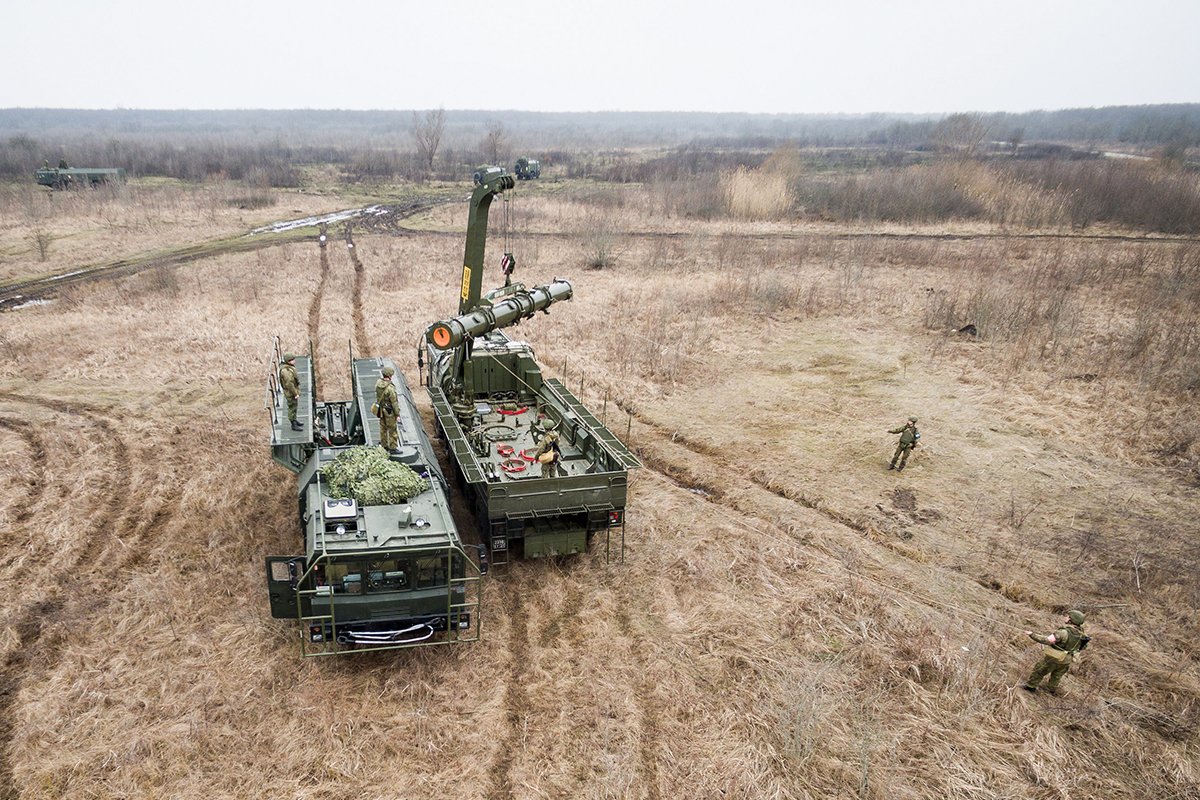
The missile is launched using the Iskander operational-tactical missile system. However, the 9M729 is significantly longer than the standard 9M728 cruise missile, measuring 7.94 meters compared to 7.4 meters. The 9M728, also known as the R-500, has a much shorter range of around 500 km. This size difference reportedly makes the 9M729 incompatible with the standard Iskander-K launcher.
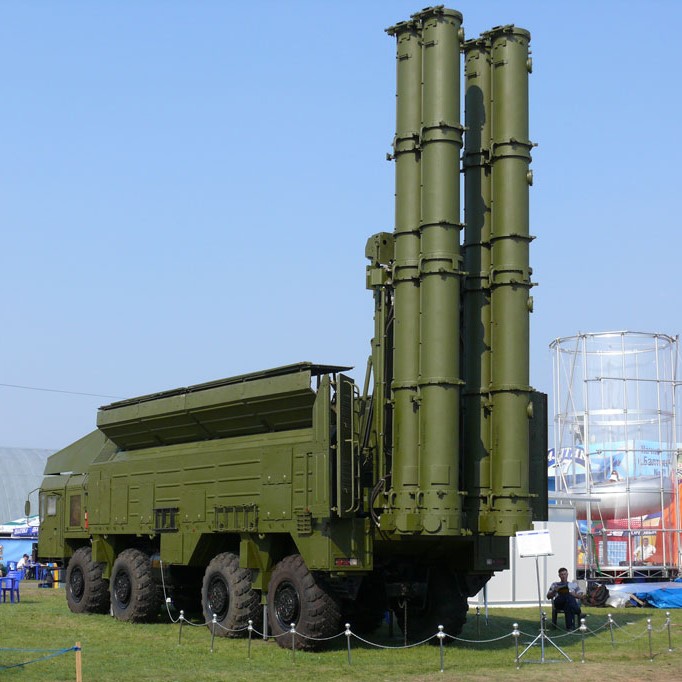
As a result, the 9M729 requires a larger dedicated launcher, the 9P701 system, part of the 9K720 Iskander-M configuration known as Iskander-M1. Each launcher can reportedly carry four missiles. Deliveries to the russian armed forces began around 2021. Under earlier procurement plans from 2019, russia intended to field up to 60 such launchers, although the current operational number is likely lower.
Overall, only 23 confirmed uses of the 9M729 cruise missile have been recorded since the start of the full-scale invasion as of October 2025. According to Ukraine's Defense Intelligence, russia’s stockpile of these missiles was estimated at around 50 units as of November 2025. Earlier reports suggested a total production order of approximately 95 missiles.
This makes the 9M729 a genuinely rare and limited-availability weapon in the russian arsenal.
Despite its scarcity, russia appears to have used it in a strike on Kyiv, raising questions about the rationale behind employing such a high-value, long-range missile for this target. In principle, more widely available 9M728 missiles from the Iskander-K system could have been used instead, preserving the longer-range 9M729 for targets in western Ukraine.
One possible explanation is a shortage of standard 9M728 missiles. However, this remains unconfirmed, and there is currently no reliable evidence regarding stock levels or operational constraints that would explain the use of the 9M729 in this case.
Read more: Impact Site Analysis Challenges russian Claims About Oreshnik's "Kinetic Superweapon"