


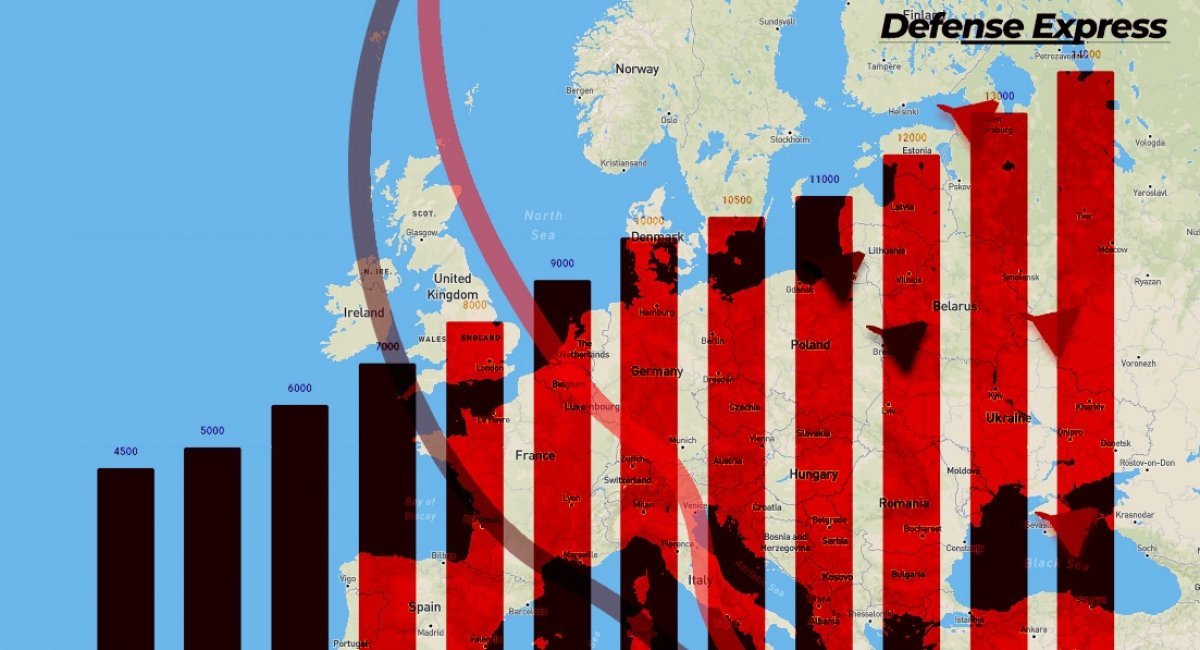
For Europe, russia's planned long-range drone production in 2026 should serve as a direct warning and a strong argument for increasing pressure on Moscow while accelerating military and industrial support for Ukraine.
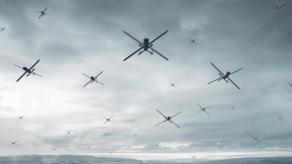
The key question for every European country is simple: could it repel a concentrated attack involving roughly 1,000 long-range drones every two days for an entire month? And that calculation does not even include cruise missiles, ballistic missiles, or other strike systems.
Read more: NATO Conducts Eastern Phoenix 26 Exercise Incorporating Ukrainian Counter-Drone Combat Experience
According to Ukraine's Defense Intelligence (HUR), russia plans to produce around 110,000 Shahed-type drones, decoys, and other long-range UAVs in 2026.
Assuming production continues to grow at a roughly linear pace, russia could already be manufacturing around 350 drones per day by September 2026. By the end of the year, output could rise to approximately 450 drones per day, while early 2027 could see production reach around 500 long-range UAVs daily, including decoys.
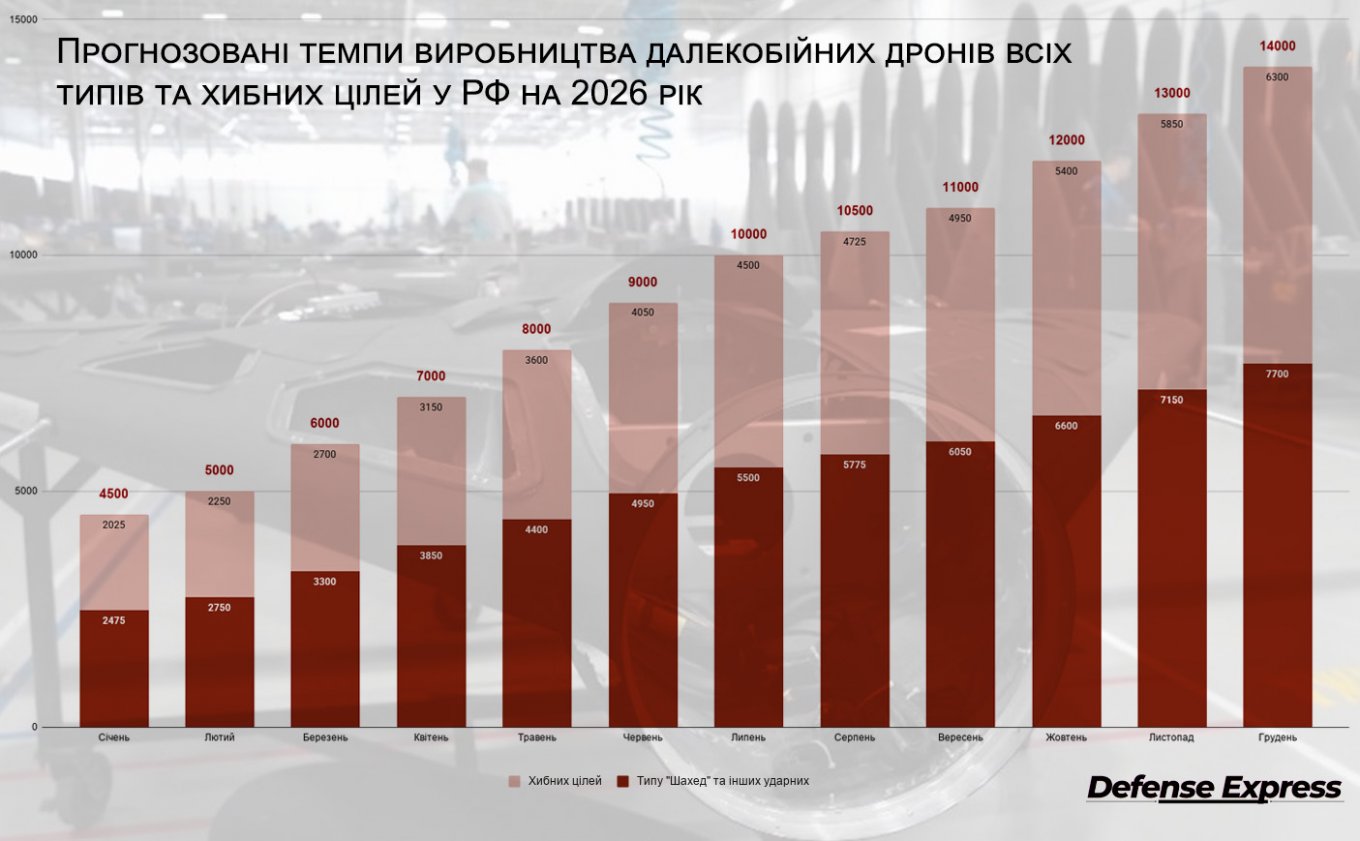
The currently observed ratio between Shahed strike drones and decoys is approximately 55 percent to 45 percent.
If russia meets these production targets, it could produce around 7,700 Shahed-type strike drones and another 6,300 decoys, such as the foam-based Gerbera, in December alone.
Even at current production rates, russia already appears capable of accumulating enough drones to sustain attacks involving more than 1,400 UAVs in a single day.
Ukraine, however, has demonstrated interception rates of around 95 percent. This success is the result of more than four years of full-scale war, during which Ukraine built an extensive counter-drone network combining acoustic, radar, and electronic surveillance systems with mobile fire groups, interceptor drones, specialized anti-Shahed aircraft, and personnel with unique combat experience.
The situation in much of Europe looks significantly different.
A notable example occurred on September 10, 2025, when russian Gerbera decoy drones reportedly entered Polish airspace. Out of roughly 20 targets, only about four were reportedly intercepted.
For the Kremlin, such incidents likely provide valuable insight into the real readiness of European air defense systems, as well as the available stockpiles of air-to-air and surface-to-air missiles across NATO's European members.
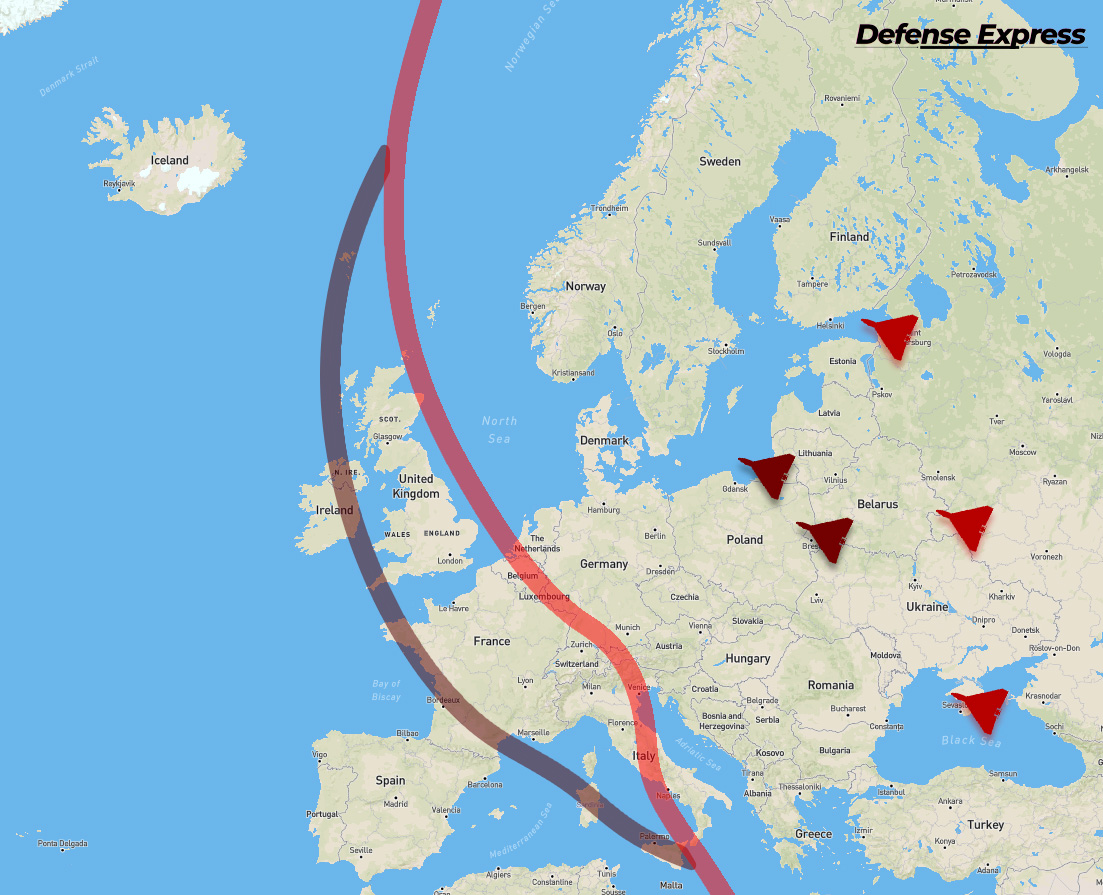
The range of the Shahed drone further amplifies the threat. Even conservative estimates place its operational range at around 1,800 kilometers. From russian territory and occupied Crimea, this would allow strikes against targets in Germany and Italy. If launched from Kaliningrad or Belarus, such drones could potentially reach most of France and the United Kingdom.
At higher-end estimates of up to 2,500 kilometers, nearly all of Europe falls within range except Portugal.
The cost of defending against such a threat is also becoming increasingly clear.
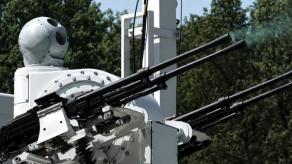
Previous estimates based on deployment of Rheinmetall Skynex air defense systems suggest that protecting Germany's critical infrastructure alone could cost around €81 billion, with each protected site requiring systems valued at roughly $42 million.
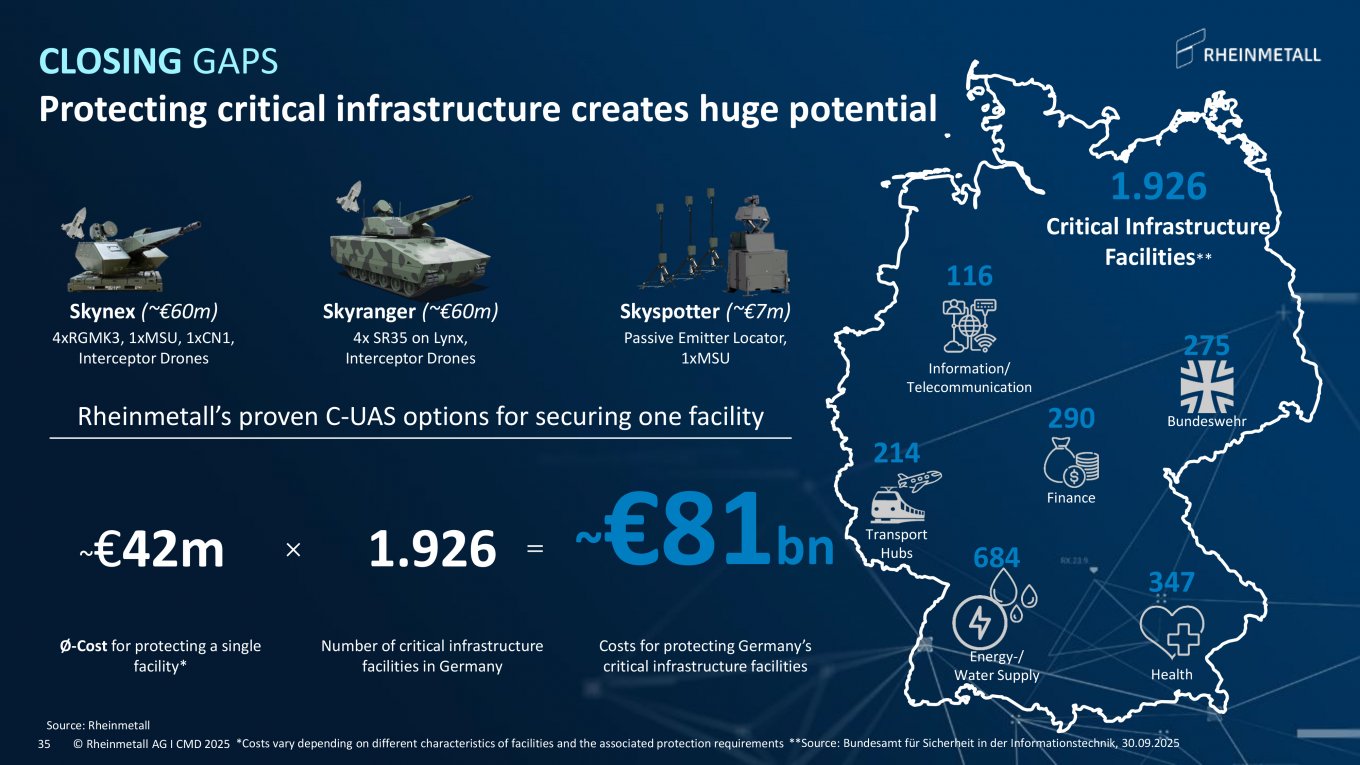
Combined solutions involving interceptor drones and other lower-cost layered defenses would reduce expenses significantly. However, the total would still likely reach tens of billions of euros.
More importantly, the biggest challenge may not be cost, but time. Building a continent-wide counter-drone defense architecture would take years.
For this reason, the only truly effective long-term solution for Europe may be preventing russia from sustaining large-scale production of long-range strike weapons in the first place.
From the Defense Express side, we urge readers to join a fundraiser for a solution that is already proving effective: the One United Fundraiser, organized by the Serhiy Prytula Charity Foundation to support interceptor drones.

Read more: Defending Against russia: Poles Test Pirania Underwater Drone Prototype in Baltic Sea for First Time