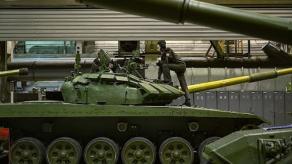



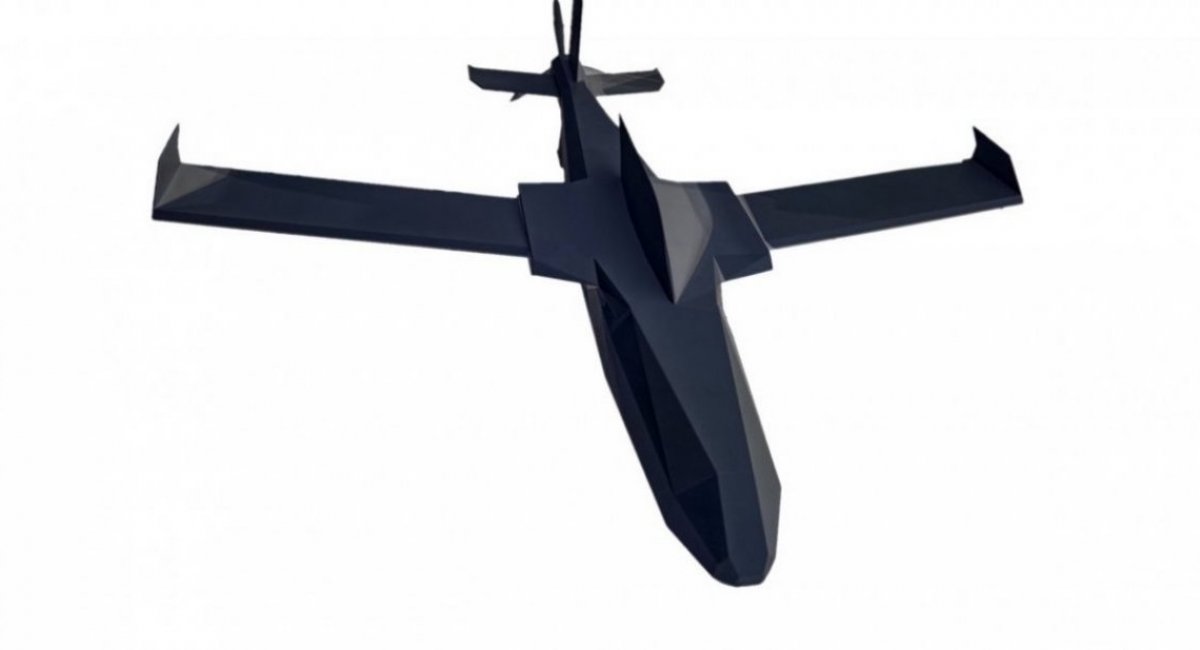
Germany's Ministry of Defence plans to conclude several new contracts in February for supplying loitering munitions from several defense companies, including two tech startups Helsing with HX-2 drone and STARK with Virtus, plus German defense giant Rheinmetall moreover, while the first two seem guaranteed to receive contracts, questions remain about the latter.
This information is reported by Hartpunkt, but first let's recall this situation's backstory in October 2025, German military conducted secret strike drone testing, with samples from Helsing and STARK present at trials, while Rheinmetall didn't show up at all.
Read more: UK Defense Intelligence Reveals russia Tests Mine-Laying USVs on Dnipro as Ukraine Dominates Maritime Drones
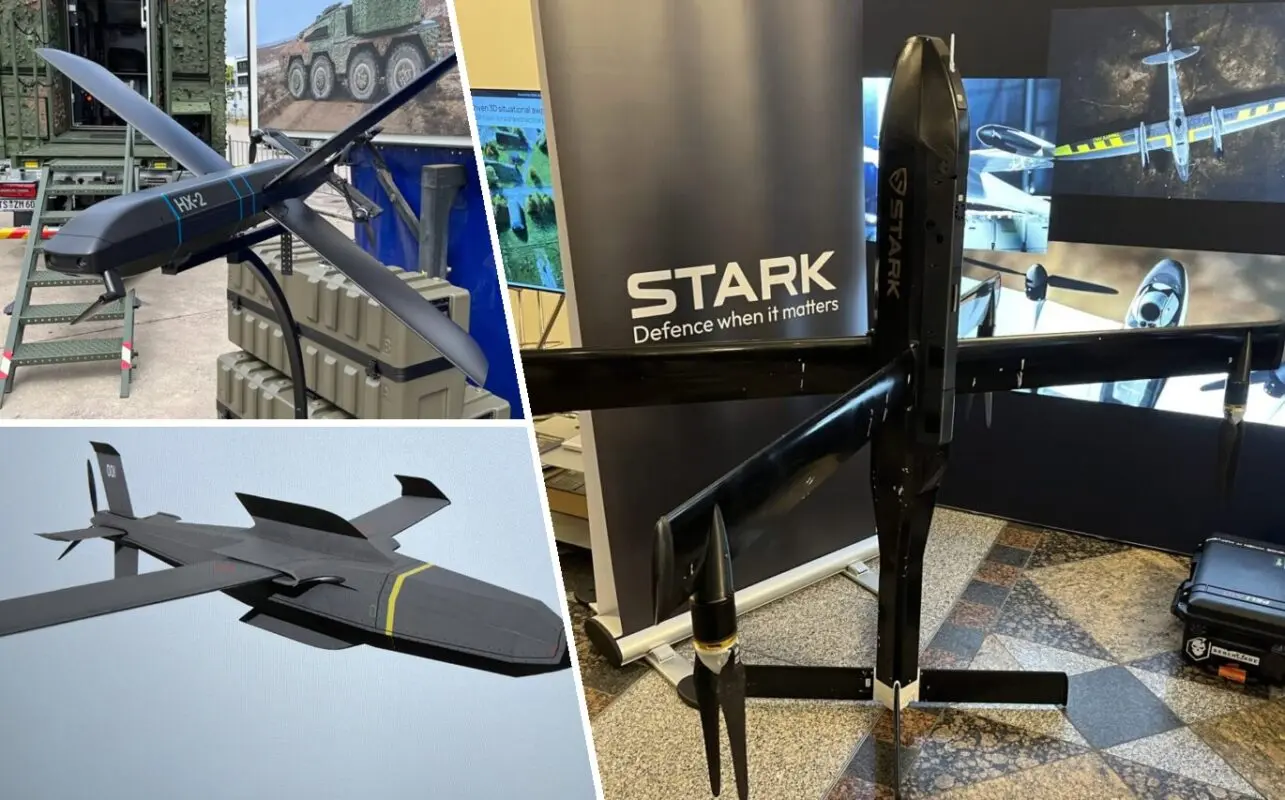
Despite this, it was then reported that all three manufacturers received contracts totaling €300 million, creating corruption risks as one company wasn’t at trials at all.
Additionally, a contract was also received by STARK's drone, which at those same trials couldn't hit the target even once however, Bundeswehr later refuted this information and demonstrated video of their Virtus drone hitting target, though possibly this was already at some other additional trials.
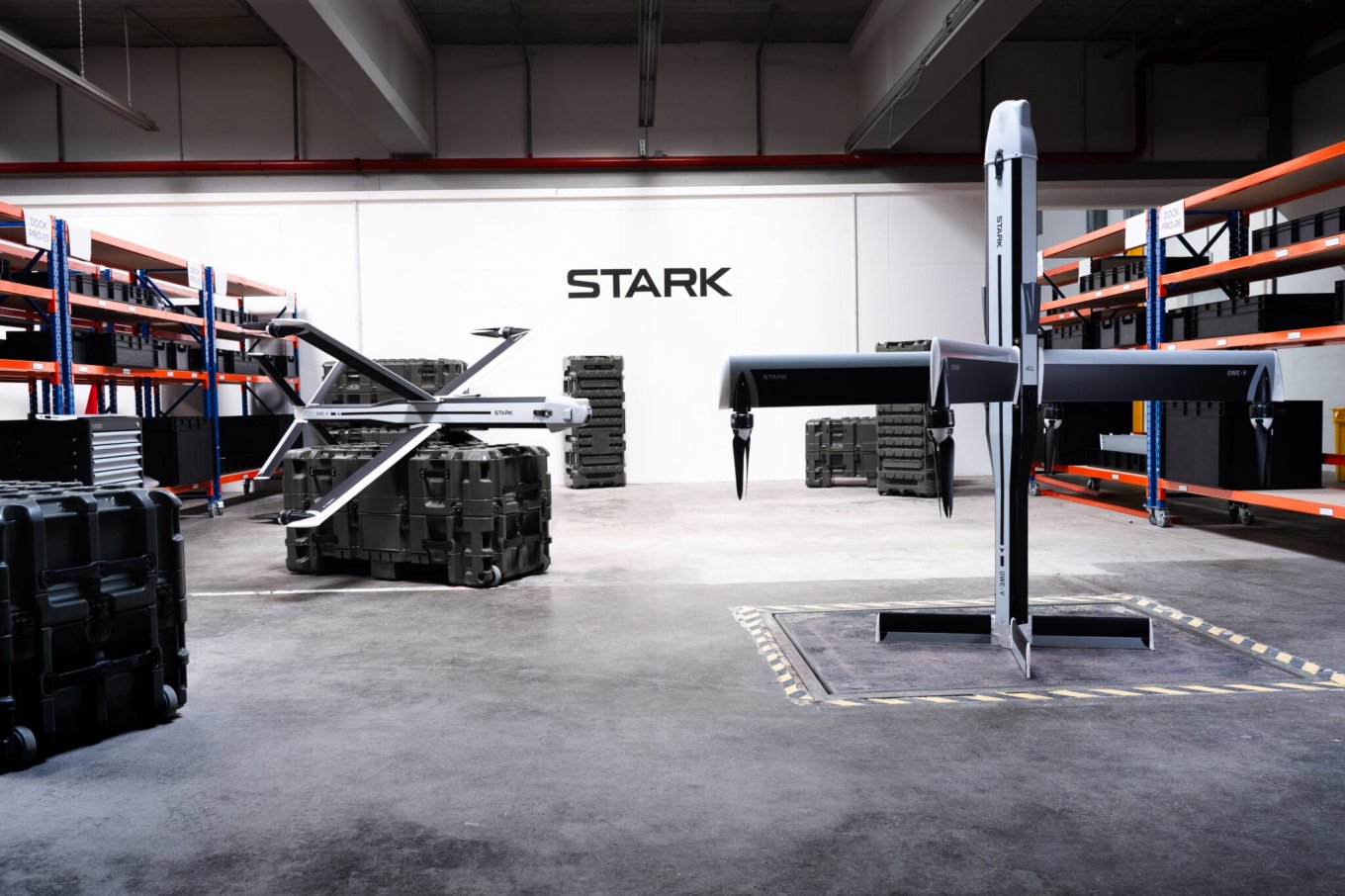
And reportedly, deals were indeed concluded with all three manufacturers. But it seems additional contracts should have been concluded by end of last year however, deadlines were failed because not all companies could timely show necessary maturity level of their samples.
And it seems the main stone in this case flies precisely at Rheinmetall company particularly, SPD parliamentary group rapporteur on defense procurement Andreas Schwarz emphasized that one drone manufacturer still couldn't ensure proper quality, so considering this fact two faster suppliers shouldn't wait for the slowest. Only goods that actually work will be purchased, he summarized.
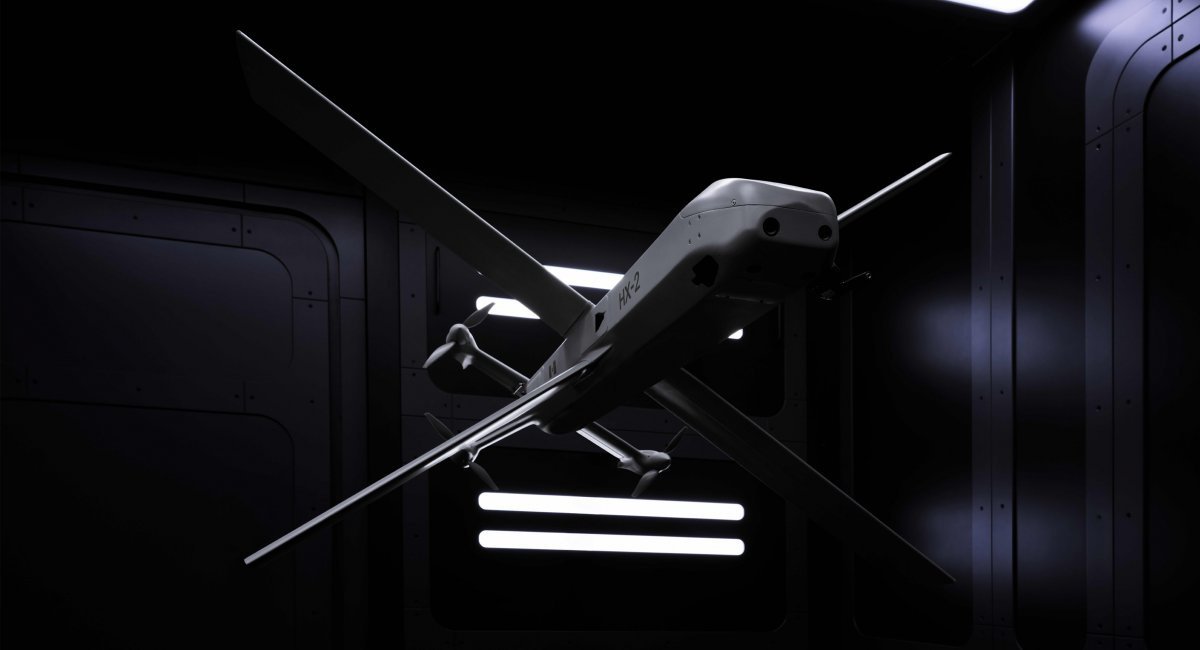
As the publication reports, precisely Rheinmetall is that manufacturer not keeping pace with two others however, the company will soon have a chance to prove otherwise and demonstrate its drone's readiness, as another additional trial is planned, and if Rheinmetall successfully passes it, it will also receive a contract.
As a reminder, drones discussed in materials are analogues of Ukrainian Bulava or russian Lancet, and Bundeswehr isn't actually rushing with them very much the first battery should be combat-ready in 2027, and by 2029 plans were announced to have six Lancet-level drone batteries plus one more for deep strike.
Also worth noting: of all three drones, only Helsing's HX-2 has full operational experience in Ukraine. Defense Express previously reported about the scandal around supplying Ukraine with German analogues of russian Lancet HX-2 and parties' positions. Also regarding STARK’s Virtus, the company previously stated it underwent months of testing in Ukraine's challenging conditions.
Read more: Spain Considers Leopard 2 Contract to Mitigate GDELS Litigation Over Artillery Dispute