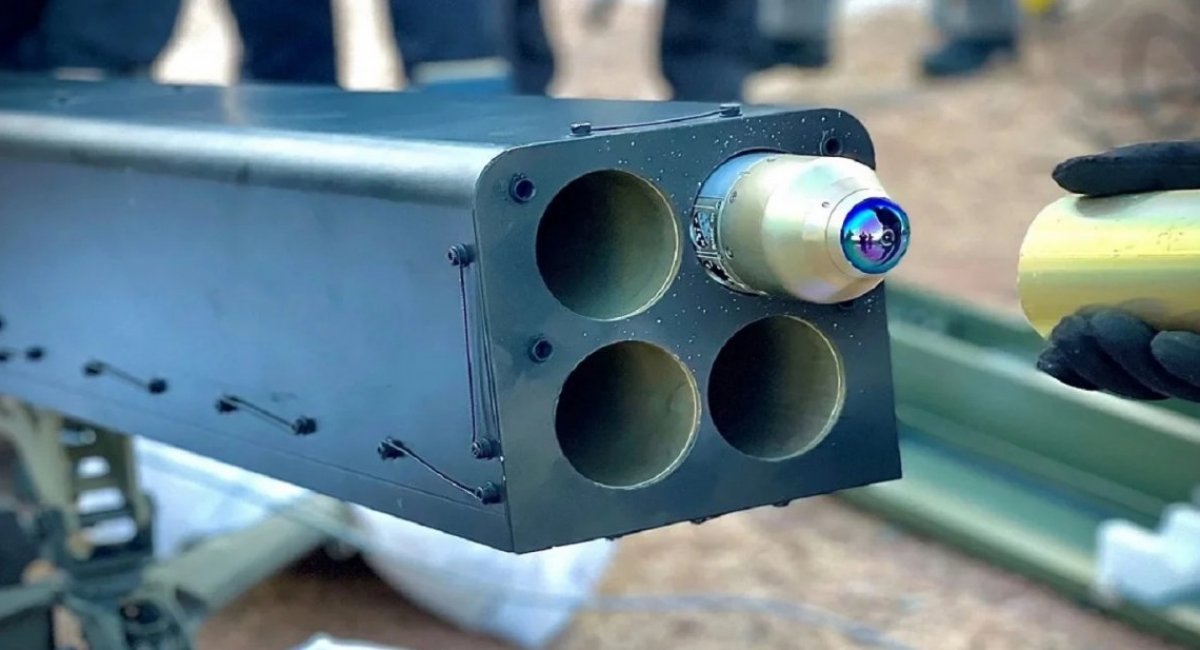
Belgium has reiterated that it will produce its Shahed-killing rockets in Ukraine, and has added that it is aiming for a total output of 100,000 rounds per year by 2028, a figure that could be pushed even higher, were it not for a shortage of propellant.
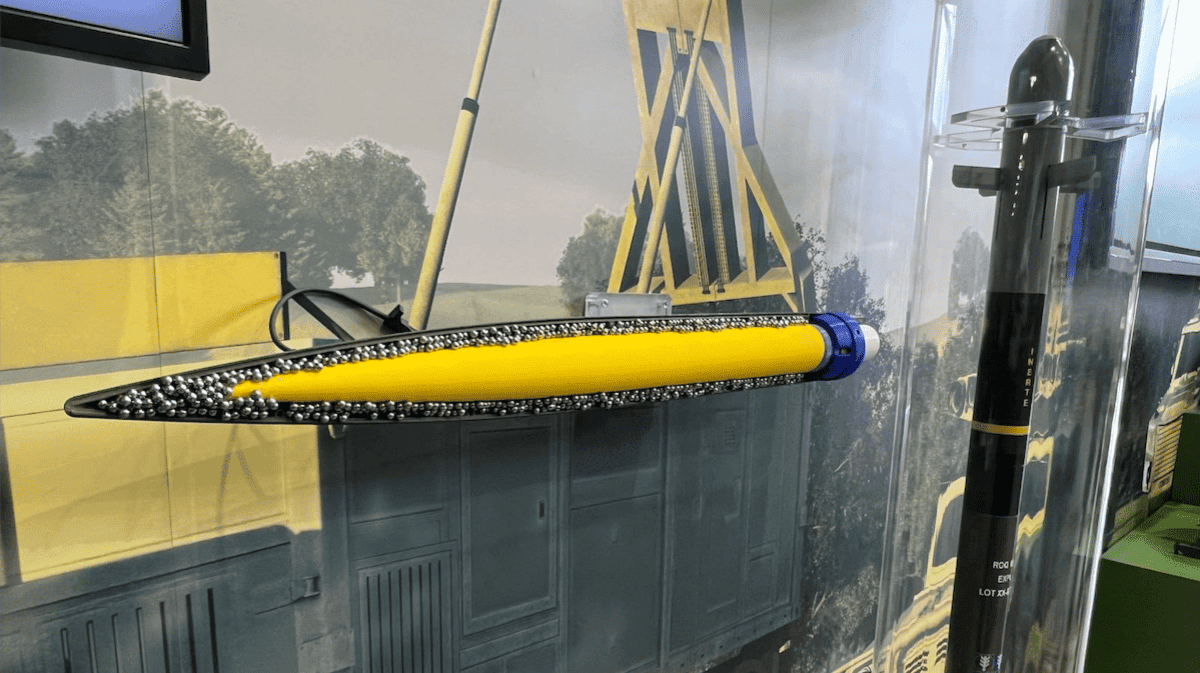
This comes from SVT, citing representatives of Thales Belgium, who also reconfirmed Ukrainian military use of the FZ123, a warhead packed with 6,500–7,500 steel balls to create a fragmentation cloud against drones.
Read more: India Eyes Five More S-400 Batteries While russia Prioritises Export Revenue Over Its Own Frontline Needs
The company notes that developing the specialised anti-drone variant took just 12 months and received substantial EU funding. Feedback from Ukraine is actively incorporated into continuous product improvement.
Defense Express notes that the figure of 100,000 rockets in 2028 may seem surprising at first glance, particularly against the backdrop of plans to produce 10,000 units in 2026 and a target of 1,300 for 2025.
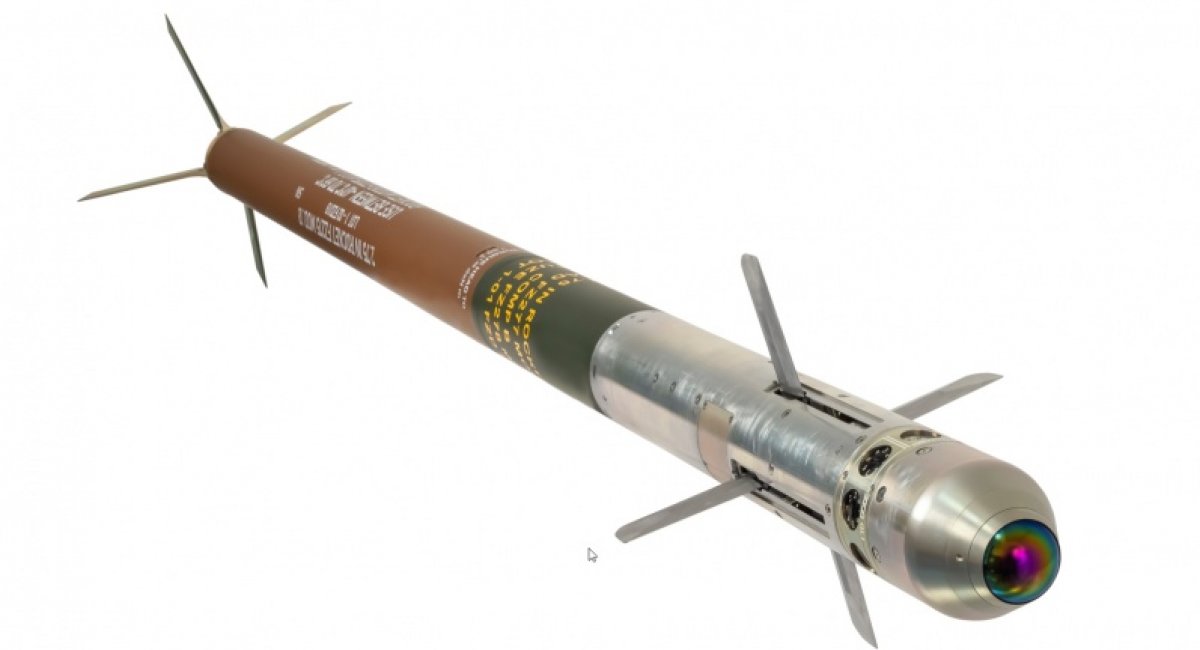
It is reasonable to assume, however, that the headline figure covers not only the guided 70mm rockets that come to mind first, but unguided variants as well. Unguided production currently stands at around 30,000 units annually and could be raised to 60,000 with two-shift operations.
Based on previously available information, Thales plans to produce 20,000 guided rockets in 2028, meaning the remaining 80,000 would consist of unguided rounds. The company intends to supply its products not only to Ukraine and Europe but to the Middle East as well.

On the localisation of production in Ukraine: a memorandum of intent was signed in autumn 2024, and the establishment of a joint venture between UOP and Thales Belgium was announced in February 2025. No further public details have emerged since.
Read more: russians Admit Ukrainian Drones Are Successfully Hitting Concrete Aircraft Shelters Built to Protect Against ATACMS