
One of Europe's alternatives to the DSMAC navigation system used on cruise missiles and strike drones is already undergoing active testing in Ukraine. The system in question is the Osiris module developed by defense technology company Delian Alliance Industries, whose equipment has already accumulated more than 3,000 km of flight testing aboard Ukrainian drones.
The story also serves as another vivid example of how cooperation with Ukraine and its military specialists benefits Western defense companies by allowing new technologies to be tested under real battlefield conditions rather than controlled laboratory environments.
Read more: 17 Fuel Tanks in the Crosshairs: Ukraine Strikes Major Oil Facility Near Simferopol
This follows from comments made by Mark Melhorn, a representative of Delian Alliance Industries, who shared details on LinkedIn about how the company tested its Osiris navigation module in Ukraine.
After completing initial testing in Europe, which included 15 test flights, Melhorn and three Delian specialists traveled to Ukraine to evaluate how well the Osiris module would perform in real operational conditions. Their goal was to test the system at longer ranges and in more demanding environments than those available at conventional test sites.
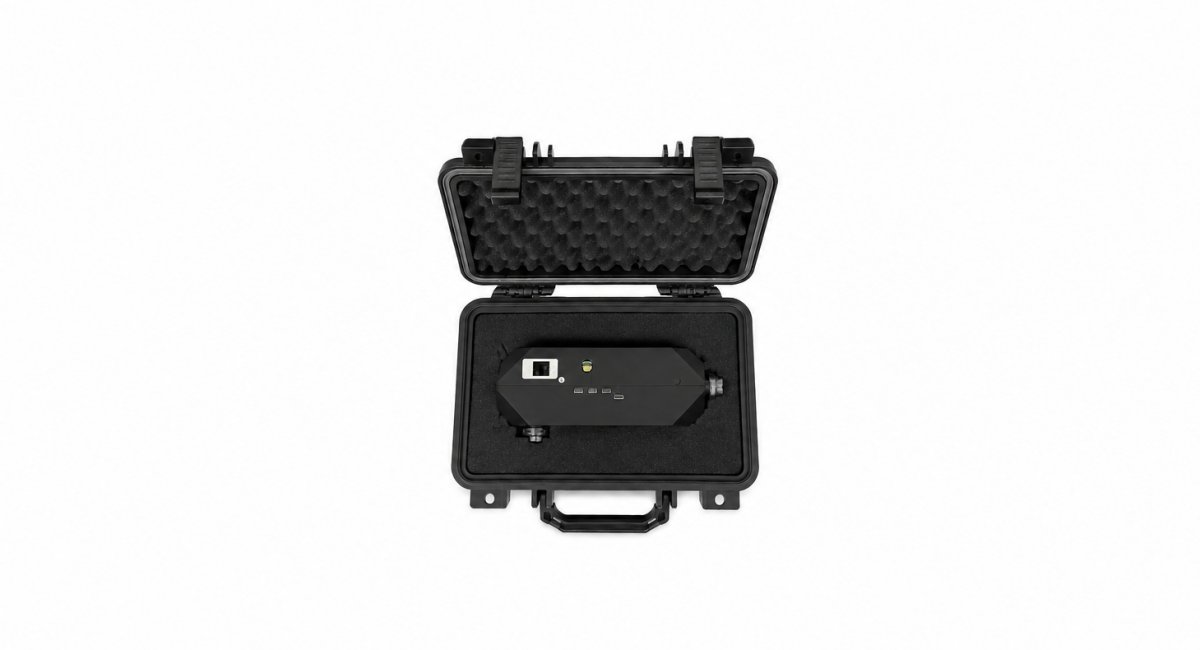
Arriving in Ukraine in early March, the team quickly encountered the realities of wartime development: 18-hour workdays and continuous feedback from Ukrainian military personnel, who provided detailed assessments of the Osiris module's performance.
According to Melhorn, the team achieved more progress in a single week in Ukraine than during the previous three months of development at home. The mission evolved into an effort to move the system from Technology Readiness Level 6 (TRL-6), a tested prototype, to TRL-9, representing a fully validated and operationally proven system.
In total, Delian's Osiris-equipped drones accumulated more than 3,000 km of flight testing in Ukraine.
The company has not disclosed which drone platforms were used during the trials. However, Melhorn did provide several notable performance figures.
The system was tested at altitudes ranging from 70 to 2,000 meters. Low-altitude flight is particularly important because it reduces the likelihood of detection by radar systems.
The company also conducted dozens of autonomous missions at ranges exceeding 50 km, indicating that the trials involved what Ukraine commonly refers to as "middle-strike" drones.
Average navigation error was reported to be less than 20 meters compared to civilian GPS references.
Following the tests, Delian expanded the team working on the Osiris program. The company is also establishing a Ukrainian subsidiary and has already partnered with a local manufacturer to support production.
Earlier, Defense Express reported that the AI-enabled Anubis strike drone had reached Ukraine and entered combat operations against russian targets just two weeks after being ordered.
Read more: Hitting St. Petersburg with HIMARS: U.S. Advances PrSM Increment 4 Engine Toward 1000 km-Class Range