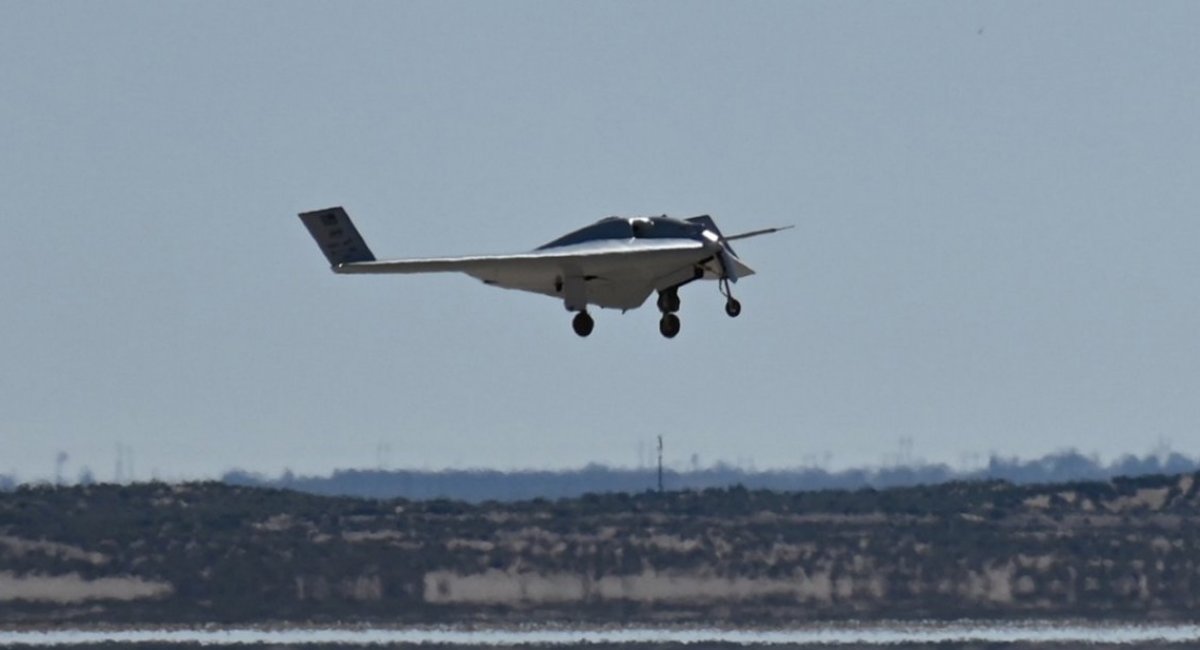
DARPA, the U.S. Air Force Research Laboratory, and Northrop Grumman conducted the first flight of the new XRQ-73 experimental hybrid-electric drone at Edwards Air Force Base in April, under the SHEPARD (Series Hybrid Electric Propulsion Aircraft) program.
As DARPA's press release emphasizes, the flight was focused on demonstrating the military utility of such propulsion systems, which are expected to positively influence the development of revolutionary new aircraft designs.
Read more: Sudan Shoots Down Ethiopian Akinci With Another Akinci — Brand-New AI Loitering Munition
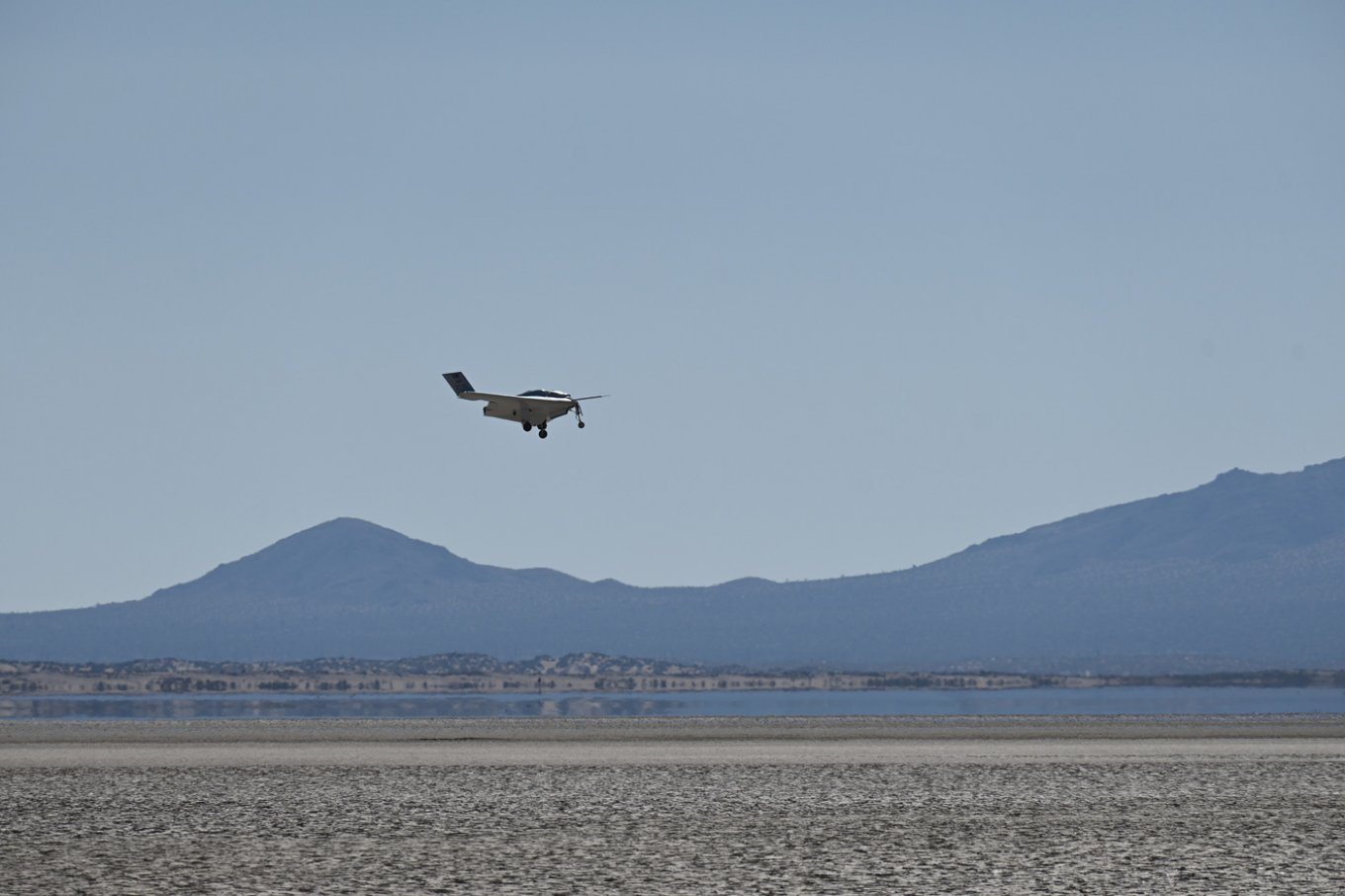
The War Zone notes that the XRQ-73's first flight had originally been planned for two years earlier, in 2024, when the first photos of the UAV with its fan arrays appeared.
The reason for the delay is straightforward. As SHEPARD program manager Lieutenant Colonel Clark McGehee of the U.S. Air Force explained, because the XRQ-73 is an experimental drone, it involves the integration of completely unproven concepts and revolutionary designs. Developers consequently had to work through a number of difficult challenges and unforeseen technical problems during ground testing and integration.
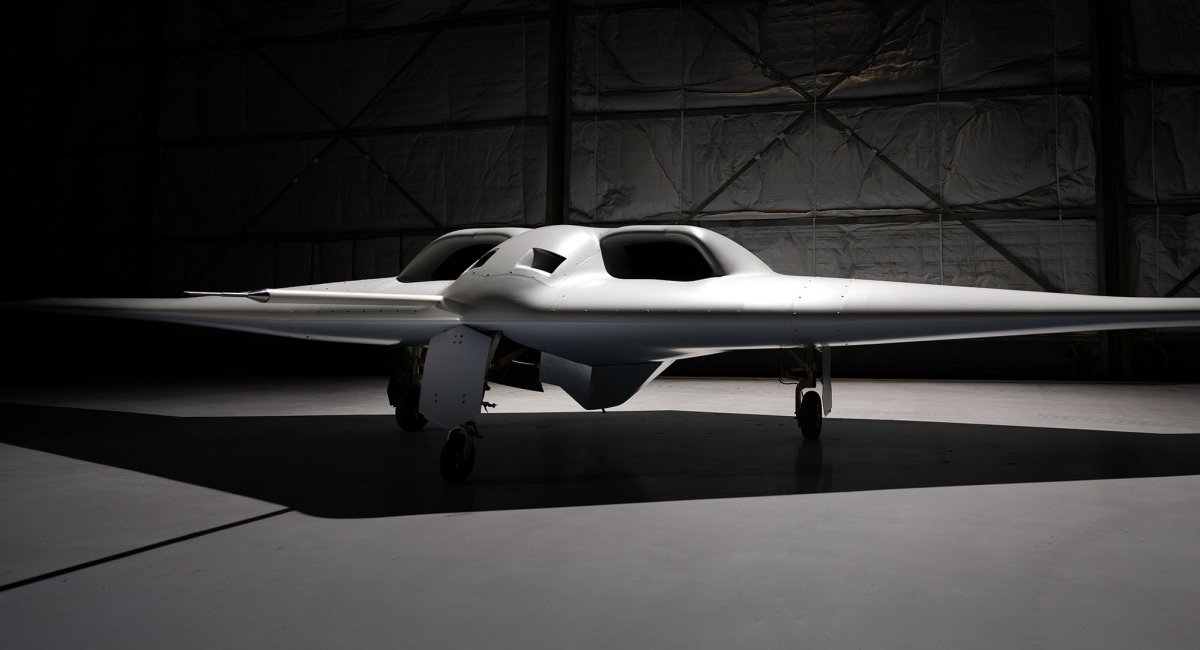
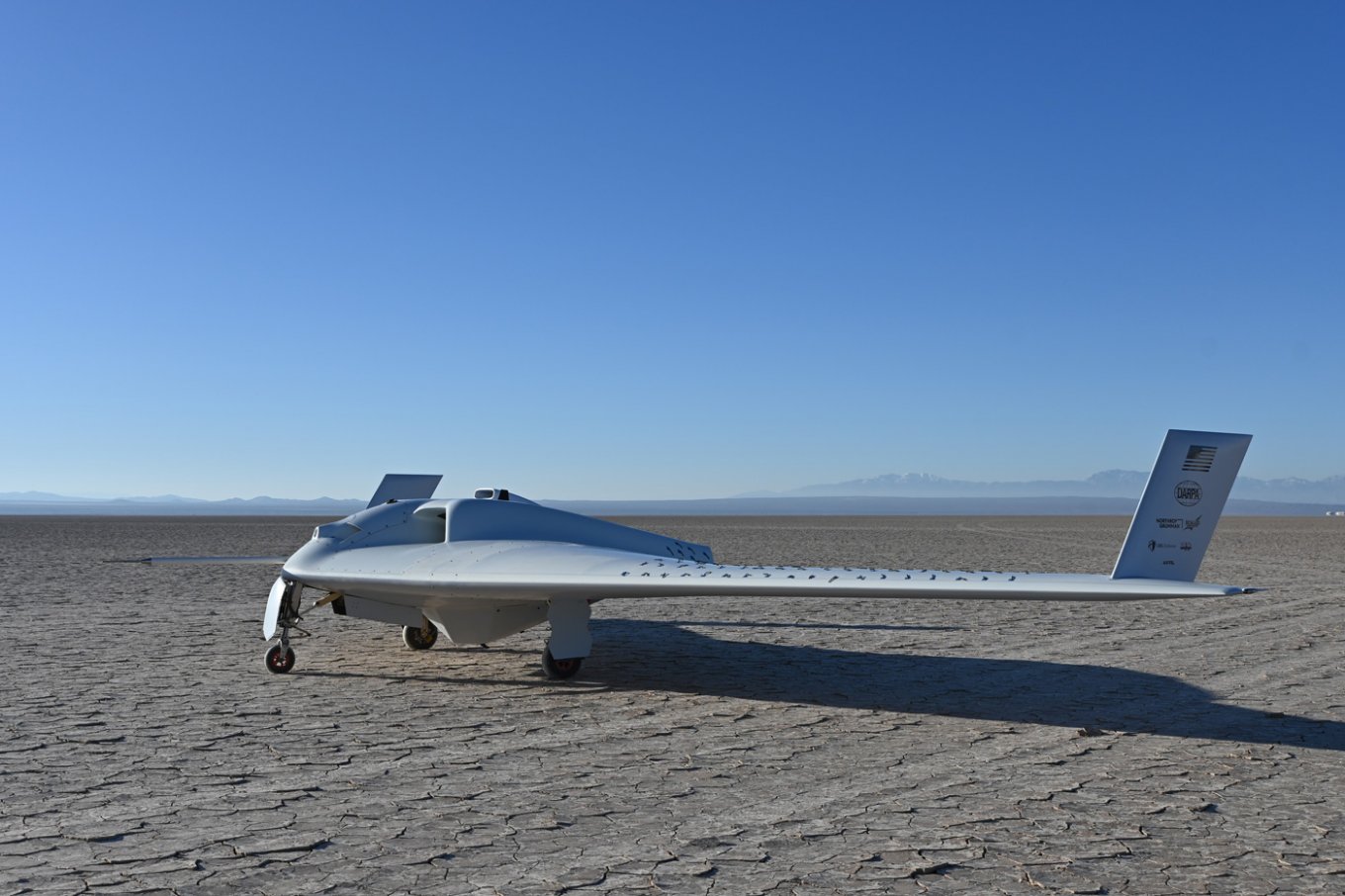
New photographs of the XRQ-73 show that a number of design changes have been introduced. The flying wing configuration has been retained, but the aircraft has gained vertical stabilizers on the wings, an additional air intake in the central fuselage section, new blade antennas, a fairing with a camera system, and other modifications.
The XRQ-73's full technical specifications have not been disclosed; previously only its weight had been reported, at approximately 1,250 pounds just under 567 kg.
The program's future also remains uncertain. As the publication notes, the next year's budget request includes no funding for the project, though it is possible the work has been folded into another program or is continuing under a different designation.
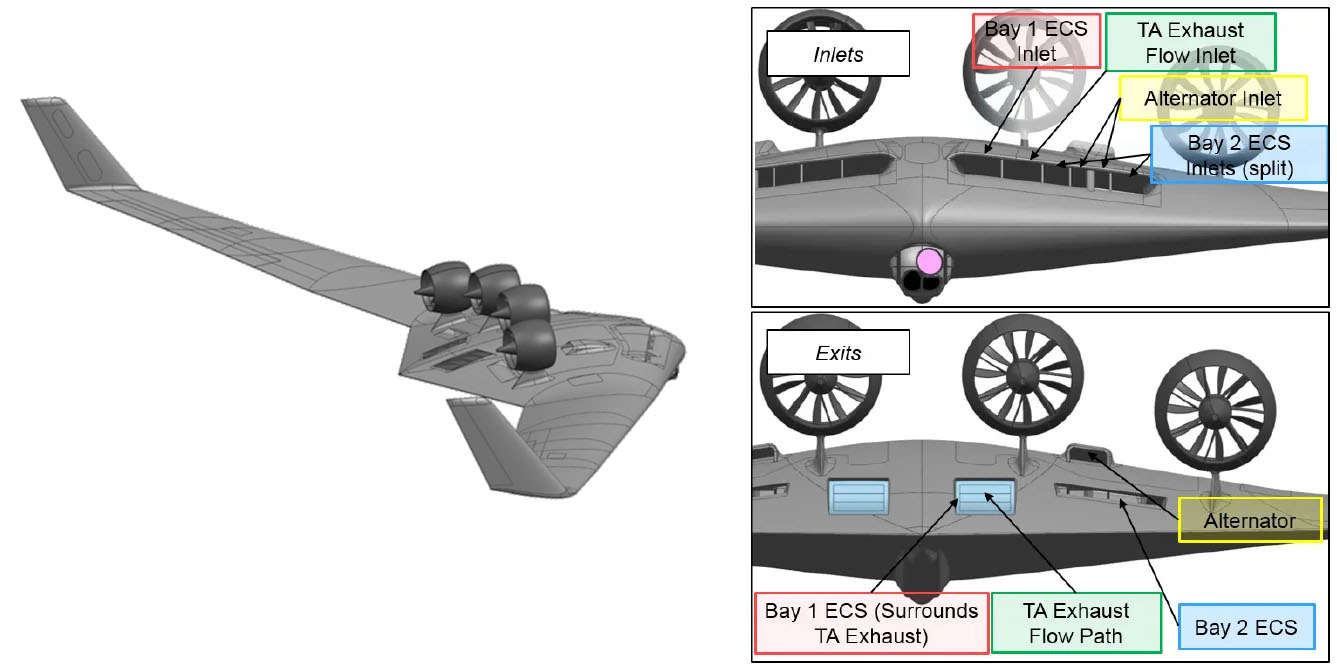
The XRQ-73 is effectively a continuation of the Great Horned Owl (GHO) project by Scaled Composites a Northrop Grumman subsidiary under which the XRQ-72A drone was developed, with work beginning in the early 2010s. Concept imagery of that earlier aircraft showed four fan engines mounted externally on the fuselage, whereas on the XRQ-73 they are integrated internally. The XRQ-72A was also considerably lighter, at an estimated 136–181 kg (300–400 pounds).
Defense Express previously reported that the United States exacted revenge on iran for the theft of the top-secret RQ-170 Sentinel stealth drone 15 years ago, destroying a copy of it bearing traces of russian involvement.
Read more: Is Turkiye Going Nuclear? New Yildirimhan ICBM May Be First Warning Sign