


russian sources claim new Sokol-I and Molniya-PVO interceptor drones designed to threaten Ukrainian UAVs, including Hornet-class systems.
The operational effectiveness of these systems remains unverified. However, the characteristics claimed by russian sources provide insight into the intended capabilities and potential limitations of these platforms.
Read more: Ukrainian Fighter Downs russian Molniya Drone Without Firing a Shot (Video)
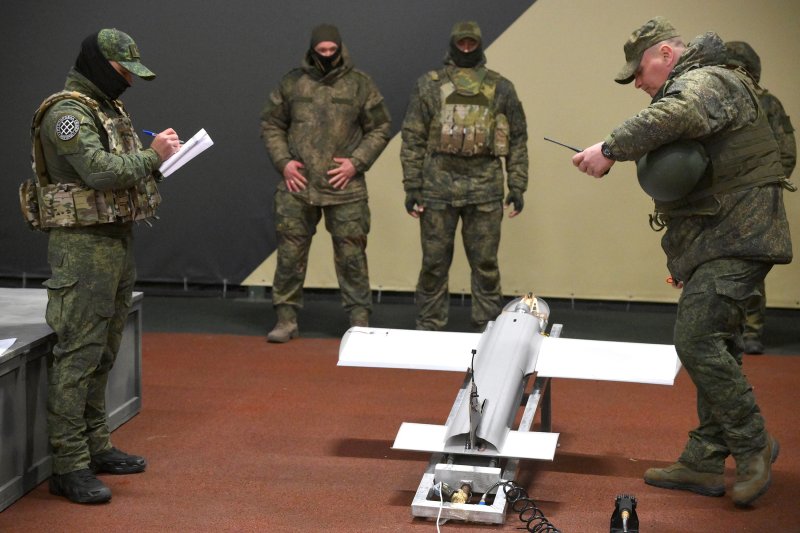
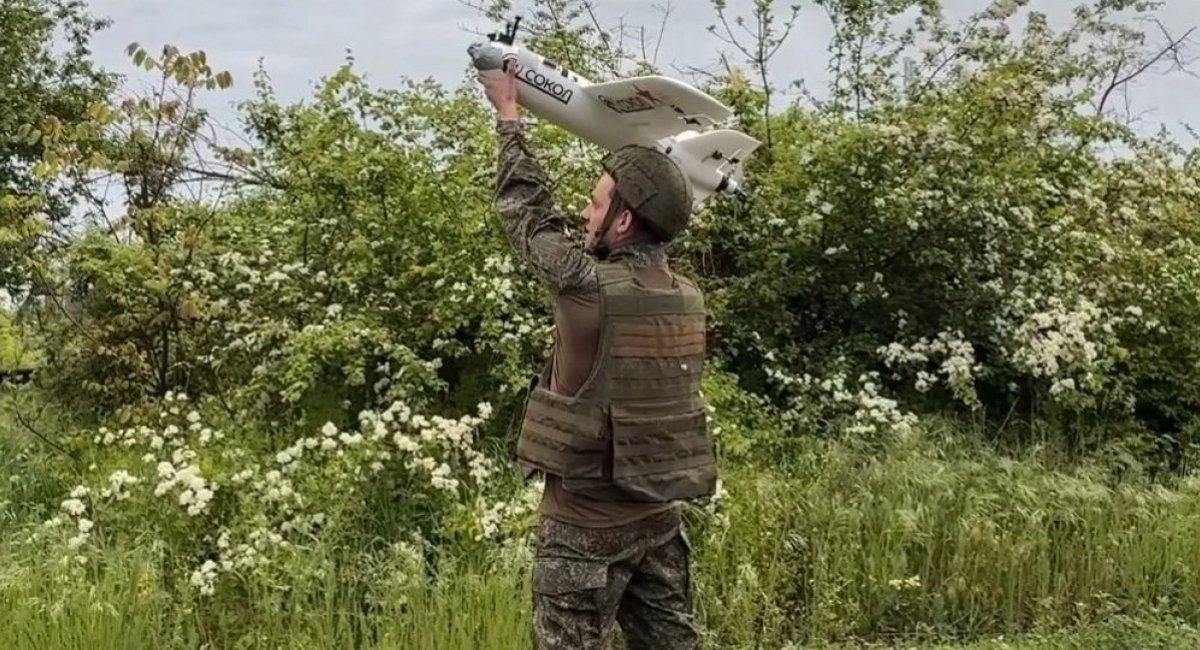
In the case of the Sokol-I interceptor drone, russian reports claim a maximum speed of up to 150 km/h, a service ceiling of up to 5,000 meters, and a foam-based airframe. Its warhead is described either as a proximity-fused explosive charge or a kinetic impact mechanism intended for direct ramming of the target.
The Sokol-I is also reportedly equipped with both daytime and thermal imaging cameras for visual target acquisition. Its stated mission is to engage fixed-wing strike and reconnaissance UAVs used by Ukraine, including the Leleka, Bulava, and Hornet platforms.
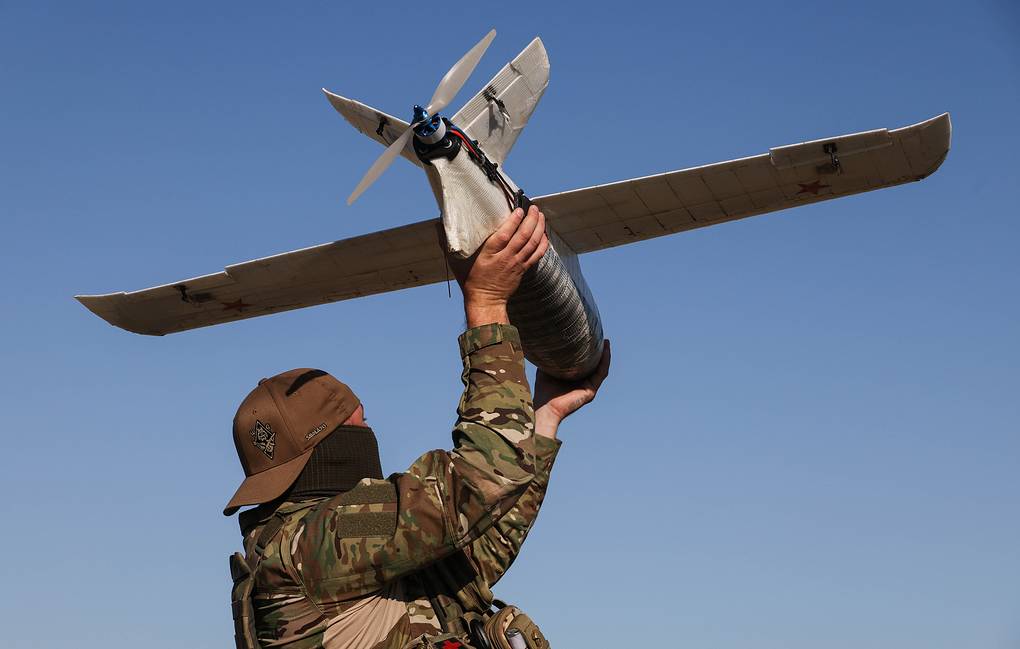
One of the most significant missing parameters in russian claims is endurance. This is a critical factor, as it determines how many interception attempts can be made before the drone exhausts its energy reserves and, ultimately, whether the system can function effectively in real operational conditions.
There is also a key performance inconsistency. The claimed maximum speed of the Sokol-I is around 150 km/h, while russian estimates place the cruise speed of the Hornet UAV at a similar level, with maximum speeds reaching up to 200 km/h during attack runs. This raises clear doubts about whether the Sokol-I can reliably intercept its intended targets.
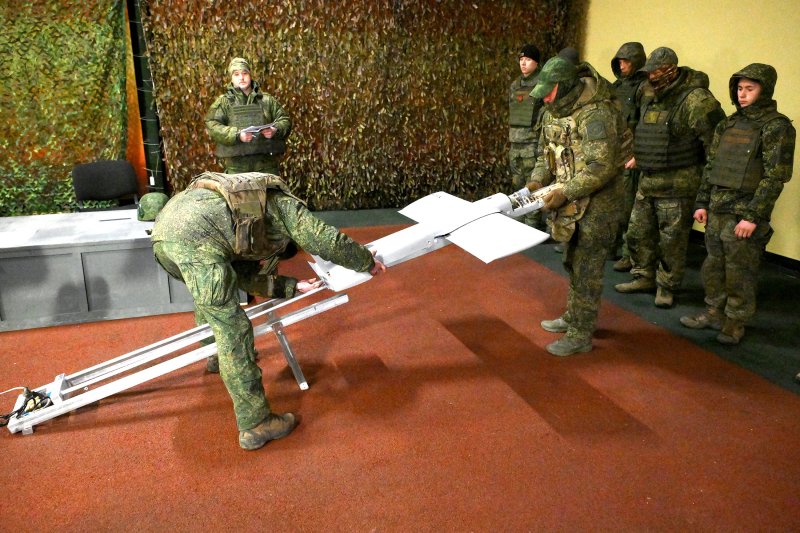
As for the Molniya-PVO, its designation strongly suggests it is based on the Molniya UAV family and appears visually similar to a reduced-scale version of the twin-engine configuration.
The Molniya-PVO is reported to carry a payload of up to 1 kilogram and can be launched either from a catapult system or manually. Its intended role is described as intercepting heavy bomber-type UAVs as well as other fixed-wing drones.
For this category of russian interceptor drones, similar questions remain regarding the number of engagement attempts required to achieve a successful hit, as well as the scale at which russia could realistically produce and deploy such systems.
Ivan Kyrychevskiy, serviceman of the 413th Raid Regiment of the Unmanned Systems Forces of Ukraine and weapons expert at Defense Express.
Read more: General Cherry Drones Shot Down Ka-52, Intercepted 44% of russian Molniya UAVs and Reached Top