


Fighting continues in Sudan between the Rapid Support Forces (RSF) and the Sudanese Armed Forces, with both sides actively deploying various types of medium- and heavy-class strike and reconnaissance drones.
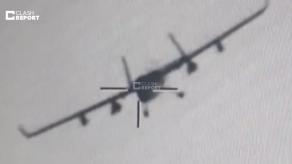
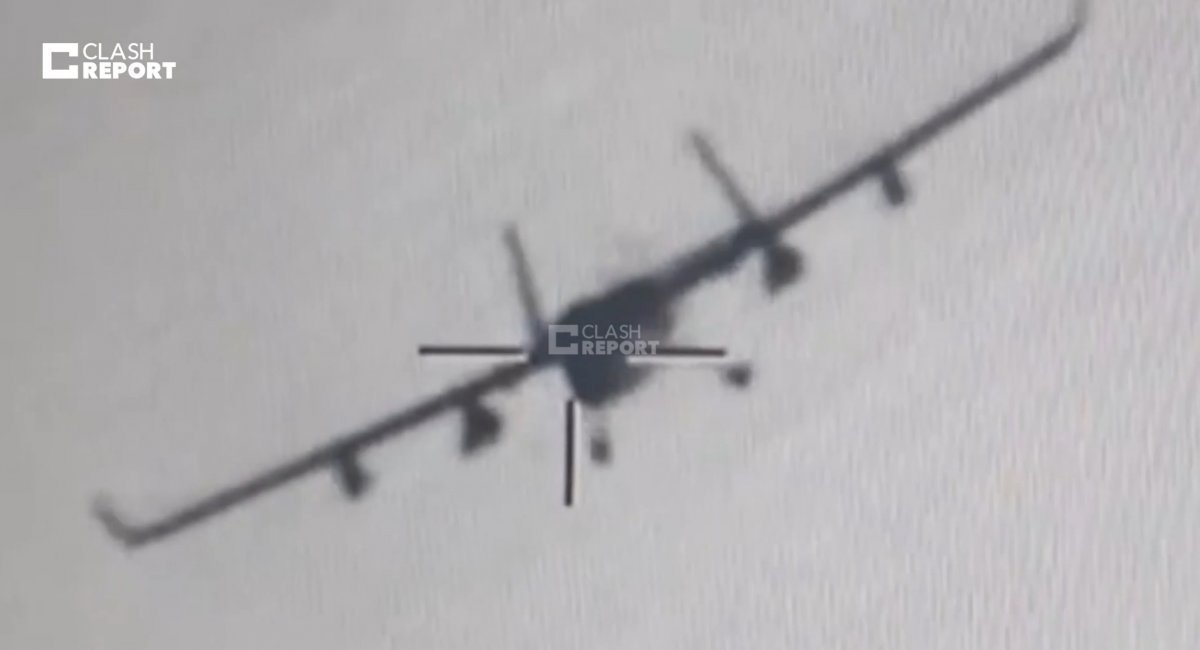
Throughout this year, and particularly over the past few months, videos of Chinese CH-95 drones—which are operated by the RSF—being shot down have become increasingly common online. In most cases, the CH-95s are shot down by Turkish Akinci drones.
Read more: russia Turns to World War I-Era Barrage Balloons to Protect Its Oil Refineries From Ukrainian Drones: Can They Actually Work?
According to available data, the CH-95 has never shot down a single Akinci, while Akinci drones have shot down an estimated six to eight CH-95s. This raises the question: why are Chinese CH-95s so frequently shot down by Akinci drones?
There is a fairly simple explanation. According to publicly available data, the CH-95 does not have any air-to-air weapons in its arsenal. Furthermore, it lacks specialized systems for detecting aerial targets.
The Akinci, on the other hand, can carry a wide range of weapons, from conventional and guided bombs to guided missiles and air-to-air missiles. However, it was often seen engaging aerial targets using Roketsan's Eren loitering munition.
In addition, the Akinci is equipped with an onboard radar system that allows it to detect not only ground and sea targets, but also aerial targets. This significantly simplifies the detection and destruction of the CH-95 and other drones.
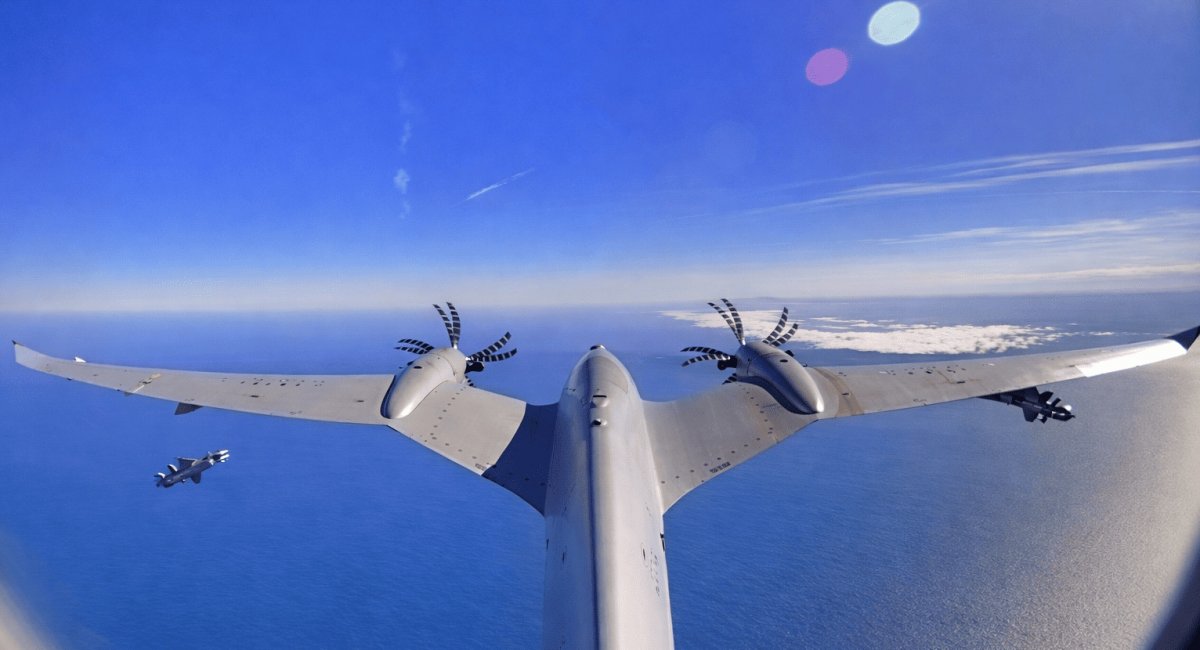
In other words, the Akinci is not limited to striking ground targets. It can also engage aerial targets, effectively serving as an unmanned fighter aircraft. This is how the Sudanese Armed Forces often employ it, taking advantage of the limited air defense capabilities and lack of fighter aircraft on both sides.
However, it would be misleading to directly compare the Akinci and the CH-95, as they belong to somewhat different weight classes. The Akinci has a maximum takeoff weight of up to six tons and can carry up to 1.5 tons of payload.
At the same time, the CH-95 has a maximum weight of around one ton and a payload capacity of up to 250 kilograms. In other words, the situation involving the Akinci and CH-95 in Sudan does not appear to demonstrate the overall superiority of Turkish drone technology over Chinese technology, but rather the ability of the heavier Akinci to overwhelm the smaller and largely defenseless CH-95.
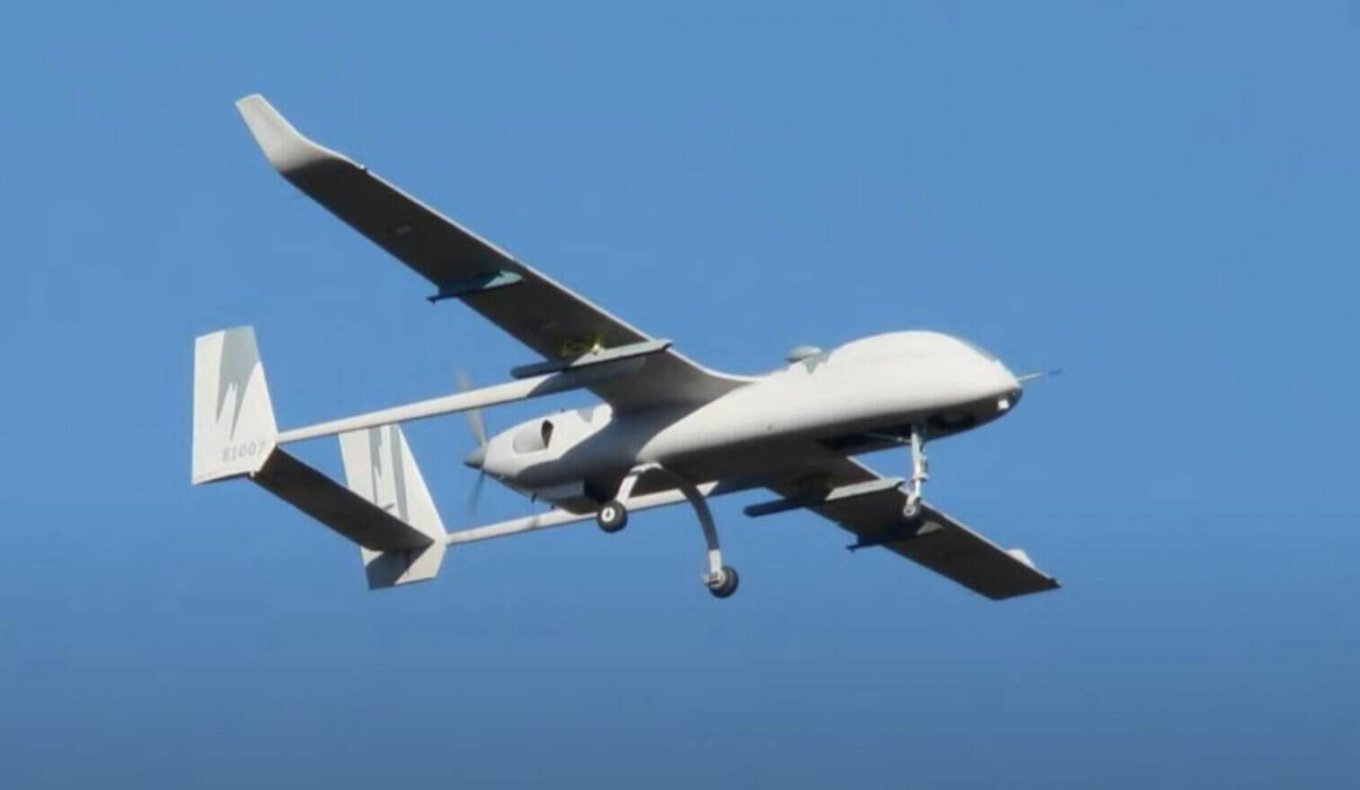
It is worth noting that Akinci drones are being used by both sides in the Sudanese conflict, with Turkey effectively supplying weapons to both sides, albeit indirectly. Earlier this spring, one Akinci even shot down another.
Read more: France’s M51.3 ICBM Сan Deliver Nuclear Warhead to Moscow—Significance of Launch from Le Vigilant Submarine