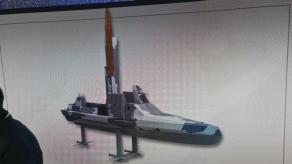
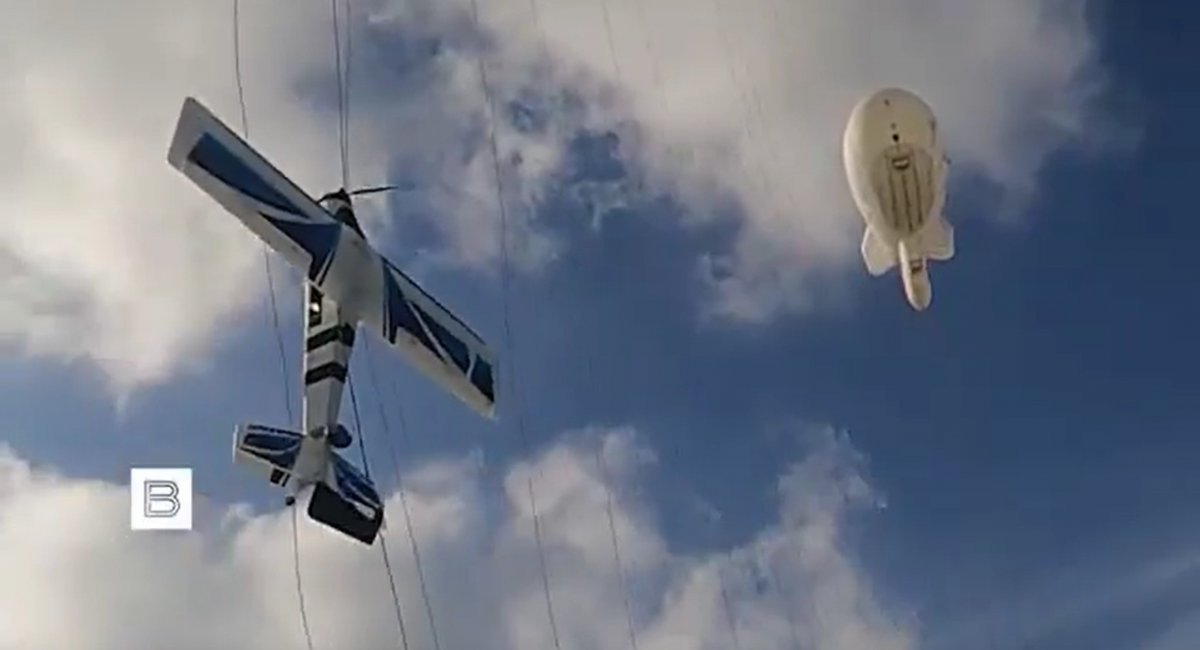
For russia, protecting its oil refineries has become an increasingly urgent issue, as Ukrainian drones regularly strike and set them on fire. To further strengthen the protection of its refineries, russia has decided to deploy barrage balloon barriers.
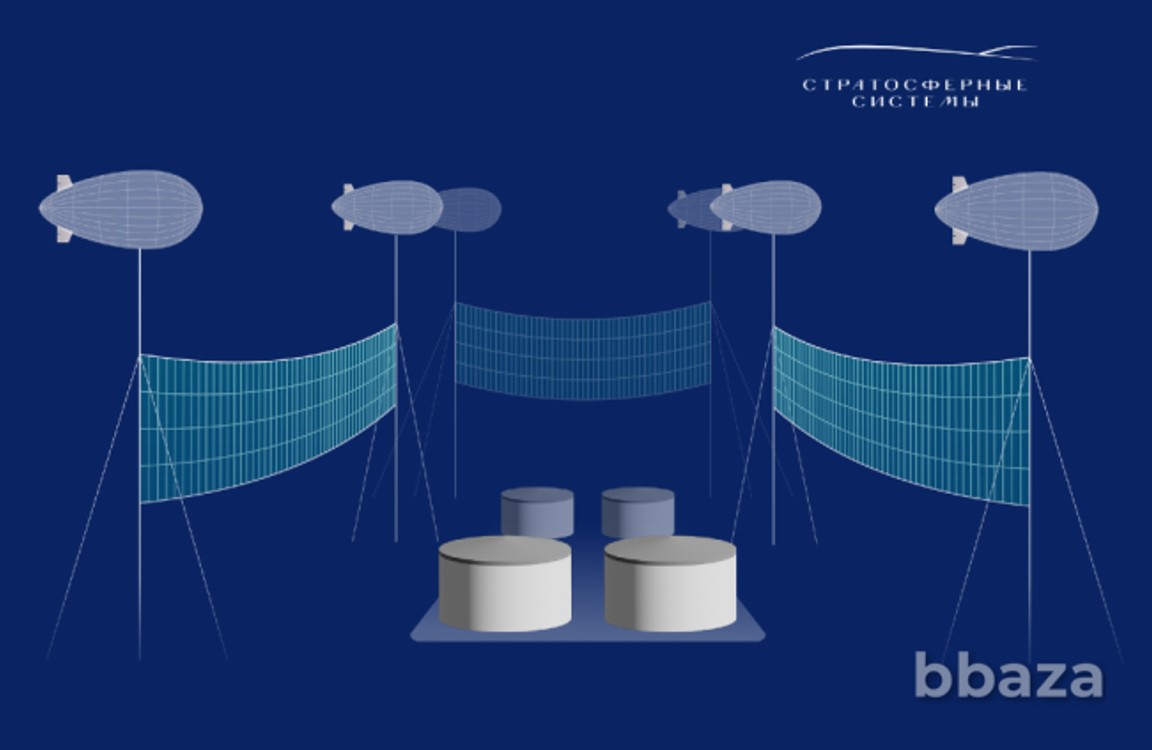
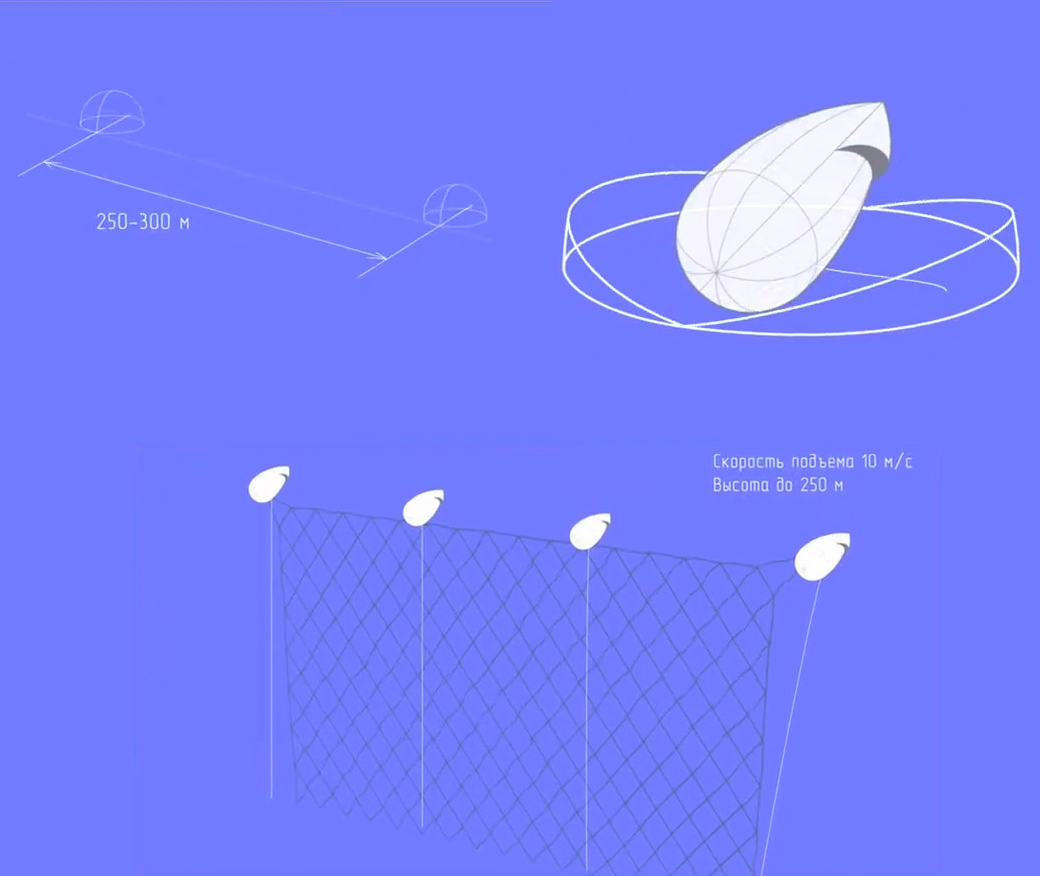
The barrier consists of two relatively small balloons connected by a net made of thin cables. The idea is to entangle or damage drones flying into the barrier. Such systems are intended to be deployed near or directly around critical facilities.
Read more: How russia Could Use Its Il-76s to Transport Weapons to Sudan for the UAE, How Gold May Help Finance War Against Ukraine
However, these anti-drone barriers have one major problem. Drones can simply fly over the net and reach an oil refinery or another critical facility that the system is supposed to protect.
To prevent this, russia has developed a system that uses radar data to determine a drone's flight altitude and automatically adjusts the altitude of the barrier through the cables in an attempt to intercept the drone.
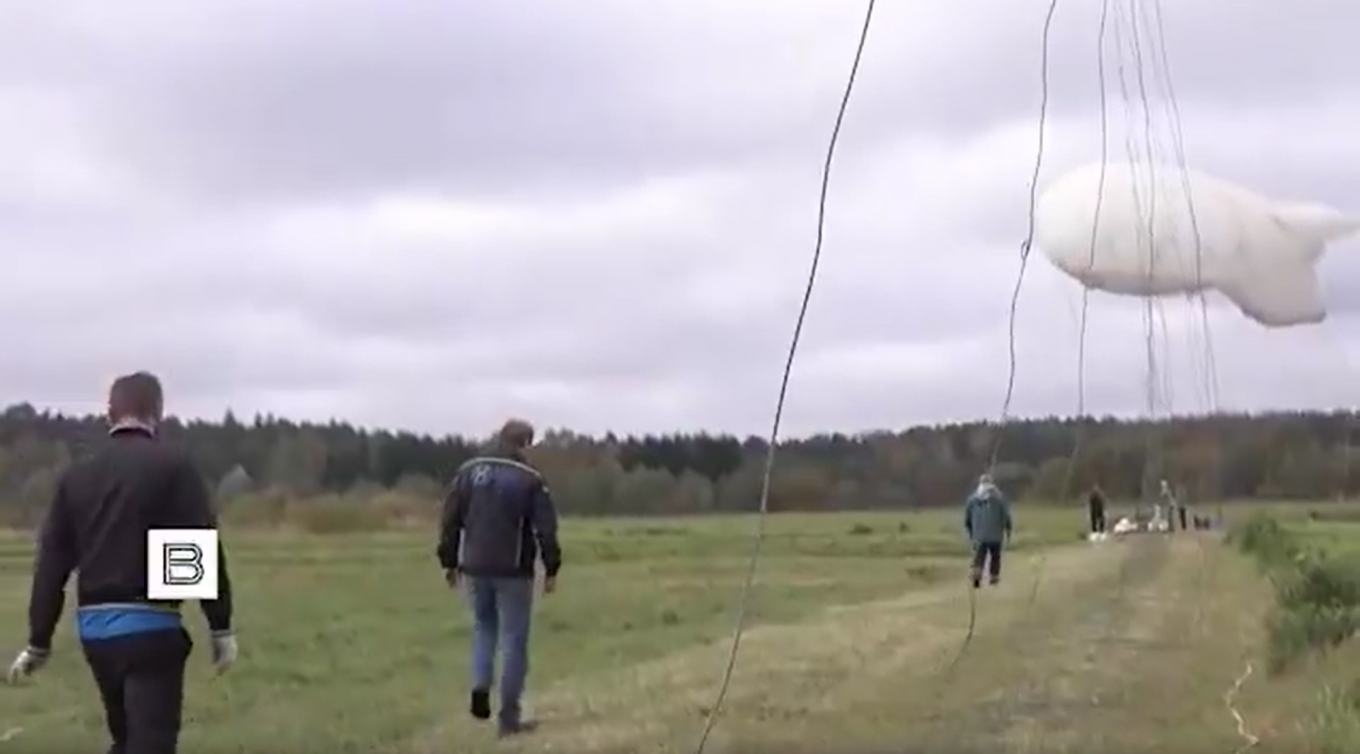
However, it remains unclear whether the system can change its altitude quickly enough to intercept a maneuvering drone. Moreover, if several drones approach the target from different altitudes, such a barrier would not be able to intercept all of them.
The net itself also raises questions. During testing, russia reportedly used a small, essentially toy-sized drone. It is nowhere near the size of even the smallest Ukrainian long-range UAVs.
For some reason, a larger drone was not used. This raises doubts about whether such a barrier could withstand a collision with a long-range UAV traveling at several hundred kilometers per hour and weighing several hundred kilograms, or whether it could stop such a drone at all.
These barriers also cannot operate effectively in bad weather with strong winds, which could simply tear them away from their positions. All of this raises doubts about whether such a system can be sufficiently effective.
russia currently has several parallel projects involving barrage balloon barriers. However, none of them has achieved any notable success so far, and all remain at the development stage.
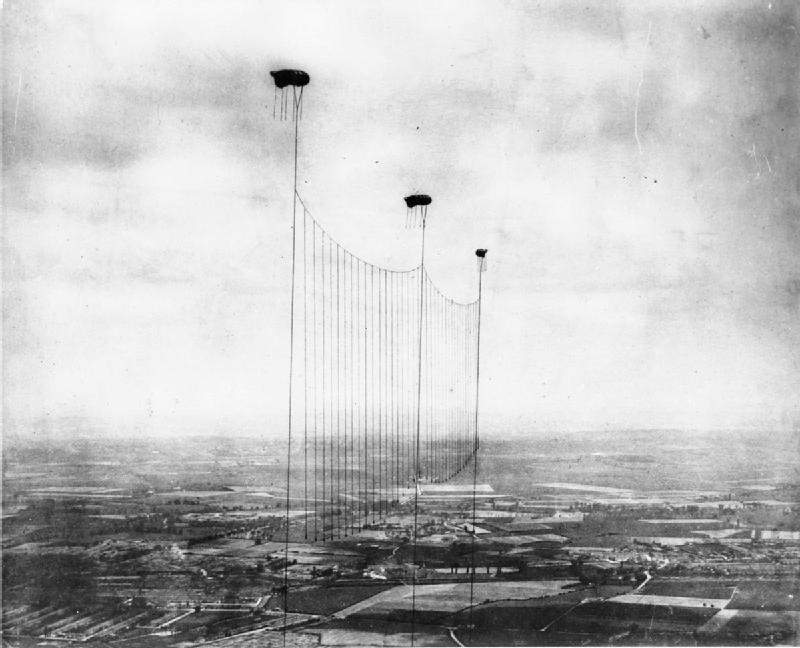
It is worth noting that such barriers are a direct reminder of World War I, when barrage balloons were first introduced. They became particularly widespread during World War II, when they were used extensively.
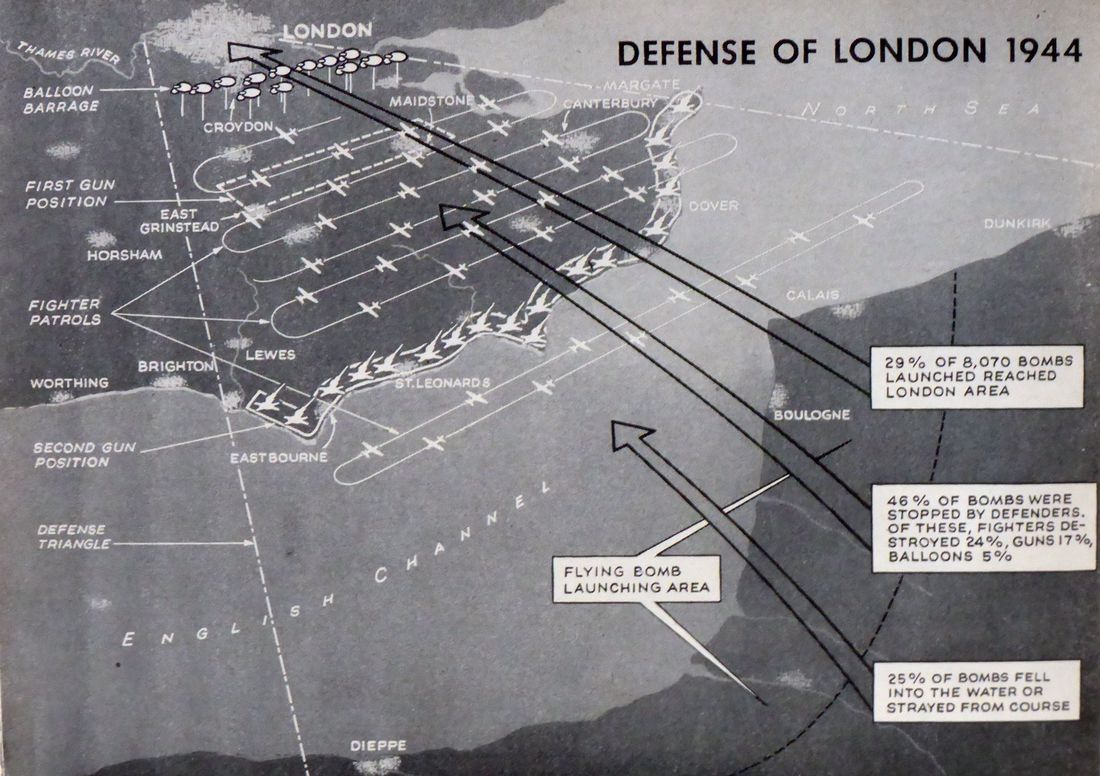
One notable example is the United Kingdom, where barrage balloons were actively used to protect London from German V-1 flying bombs. However, throughout the campaign, barrage balloons accounted for only about 5% of all V-1s destroyed.
From the Defense Express side, we urge readers to join a fundraiser for a solution that is already proving effective: the One United Fundraiser, organized by the Serhiy Prytula Charity Foundation to support interceptor drones.

Read more: russians Showcase Pantsir-S1M on Belarusian MZKT Chassis, One of Which Was Lost Near Temporarily Occupied Mariupol