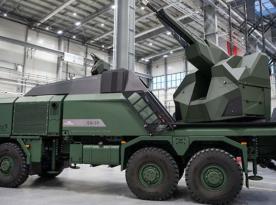
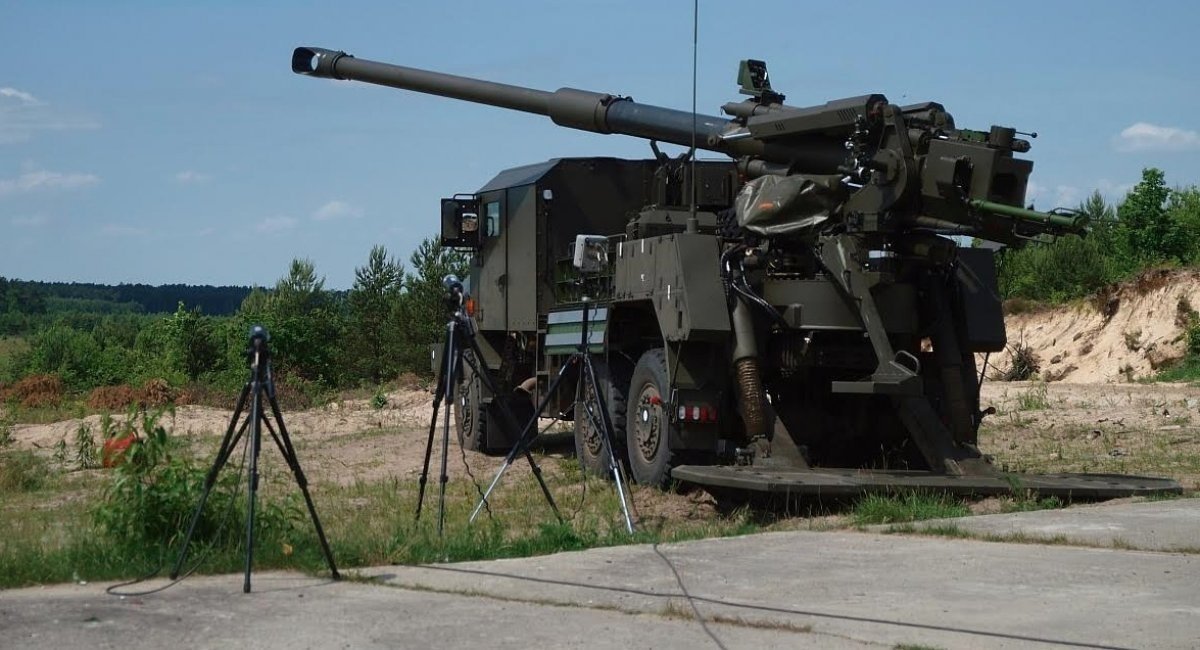
Poland is preparing to manufacture Ukrainian Bohdana wheeled self-propelled howitzers. This shows that considerable potential for defense cooperation between the two countries remains.
Against this backdrop, it is worth recalling that the Poles spent more than 10 years developing their own 155mm wheeled self-propelled howitzer under the Kryl program, but never managed to bring the project to completion. They therefore decided to rely on the Bohdana instead.
Read more: Ukraine's Bohdana Howitzers Make Up 70% of Its Artillery Arsenal, but Production May Be Halted—How Much Do They Cost?
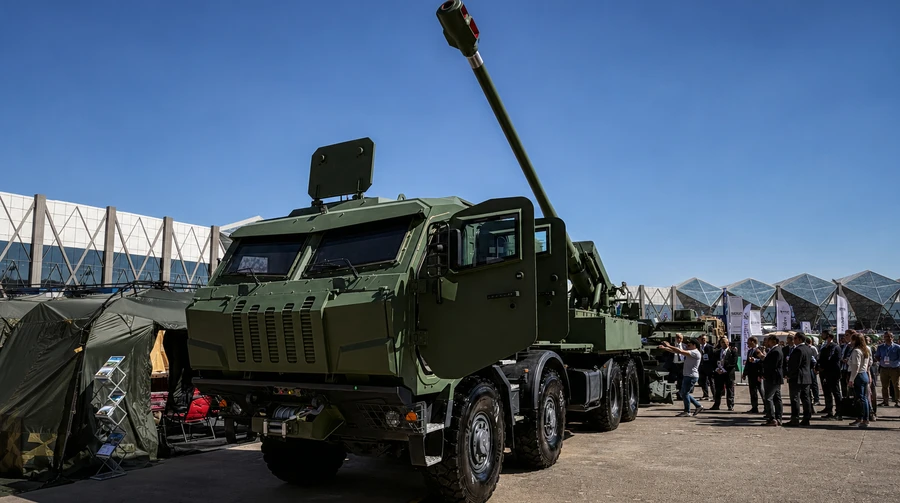
Based on information available in the media, the agreement to manufacture Bohdana howitzers was reached on the sidelines of the MSPO 2026 defense exhibition, which took place in the Polish city of Kielce in September this year.
The agreement was signed by Polish wheeled chassis manufacturer SZCZĘŚNIAK Pojazdy Specjalne and the Polish-Ukrainian joint venture PK MIL. Details regarding the expected launch date and planned production volume of Bohdana howitzers at the Polish facilities have not yet been disclosed. However, it is worth taking a closer look at the ownership structure of PK MIL.
The Kramatorsk Heavy Machine Tool Plant, which is part of NAUDI, holds a 49% stake in the joint venture, while the remaining 51% belongs to PONAR Wadowice, a Polish manufacturer of hydraulic systems.
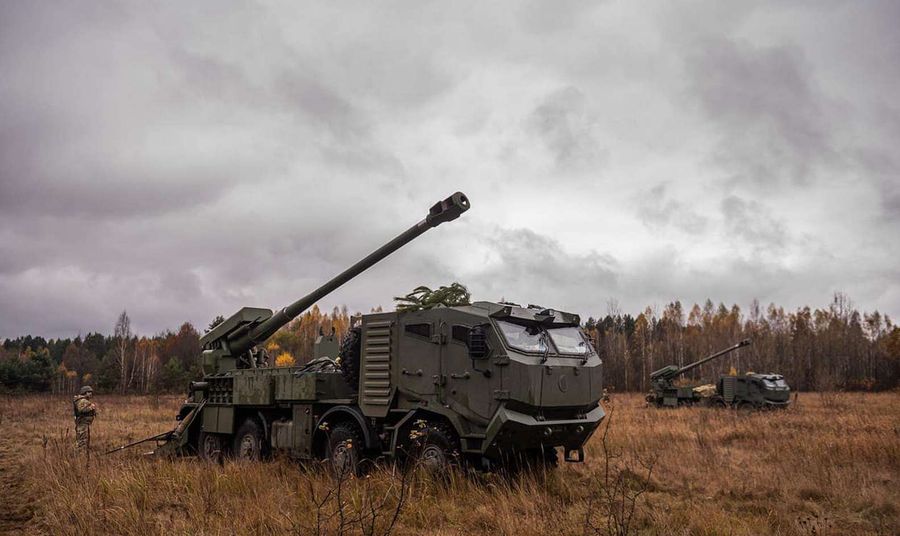
This suggests that, in its project to manufacture Ukraine's Bohdana, Poland intends to maximize the localization of the wheeled chassis and hydraulic components, while the artillery system and fire-control system will remain Ukrainian-made.
As for the Polish Kryl self-propelled howitzer program, here are some of its key details. The Poles essentially wanted to develop a wheeled version of the Krab self-propelled howitzer that would fit inside the cargo hold of a C-130 Hercules transport aircraft.
These size restrictions meant that the Kryl had to be limited to a weight of 21 tonnes. Crew protection was significantly reduced, and the vehicle carried just 18 rounds of ammunition.
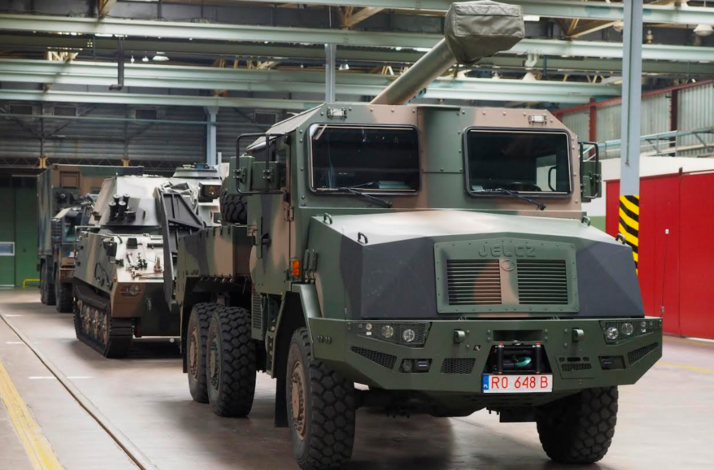
Due to its limited protection and small ammunition capacity, the design no longer met the requirements of the Polish military, particularly in light of the realities of russia's full-scale war against Ukraine. As a result, the Kryl program was quietly canceled in 2023.
Interestingly, there were hints in November 2024 that the project could be revived, although no details were provided. It is therefore quite possible that the Poles view the establishment of Bohdana production in their country simply as a way of resuming work on the Kryl.
Ivan Kyrychevskiy, serviceman of the 413th Raid Regiment of the Unmanned Systems Forces of Ukraine and weapons expert at Defense Express.
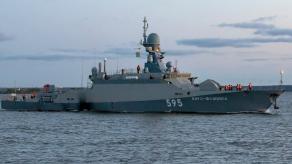
Read more: Polish Analysts Suspect russia Could Send New Kh-35-Armed Grozny Corvette to Baltic to Replace Ukraine's Destroyed Boykiy