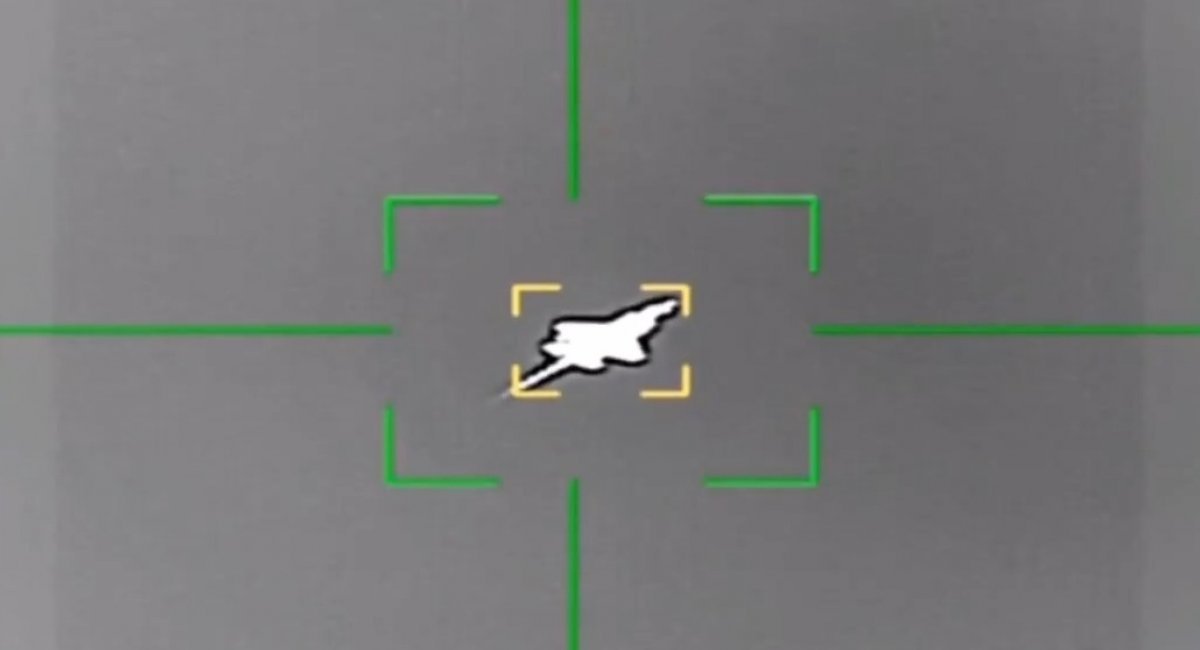
At this point, all available evidence indicates that Iran was able to hit a fifth‑generation American F‑35 fighter jet. Although the fighter sustained some damage as a result of the strike, it did not lose control and continued its flight.
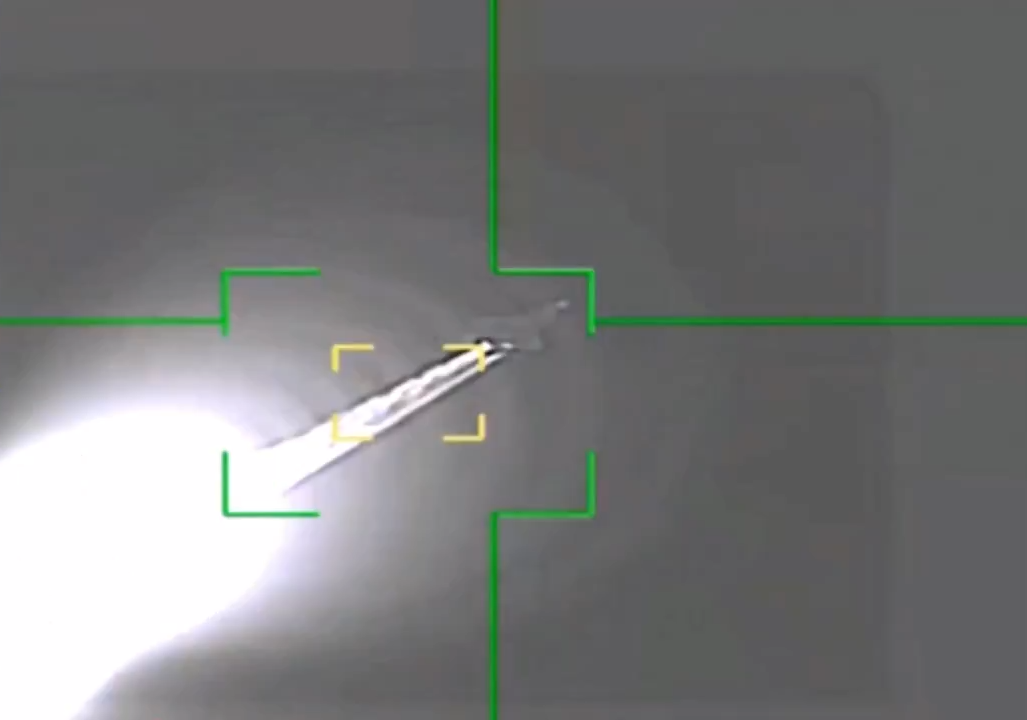
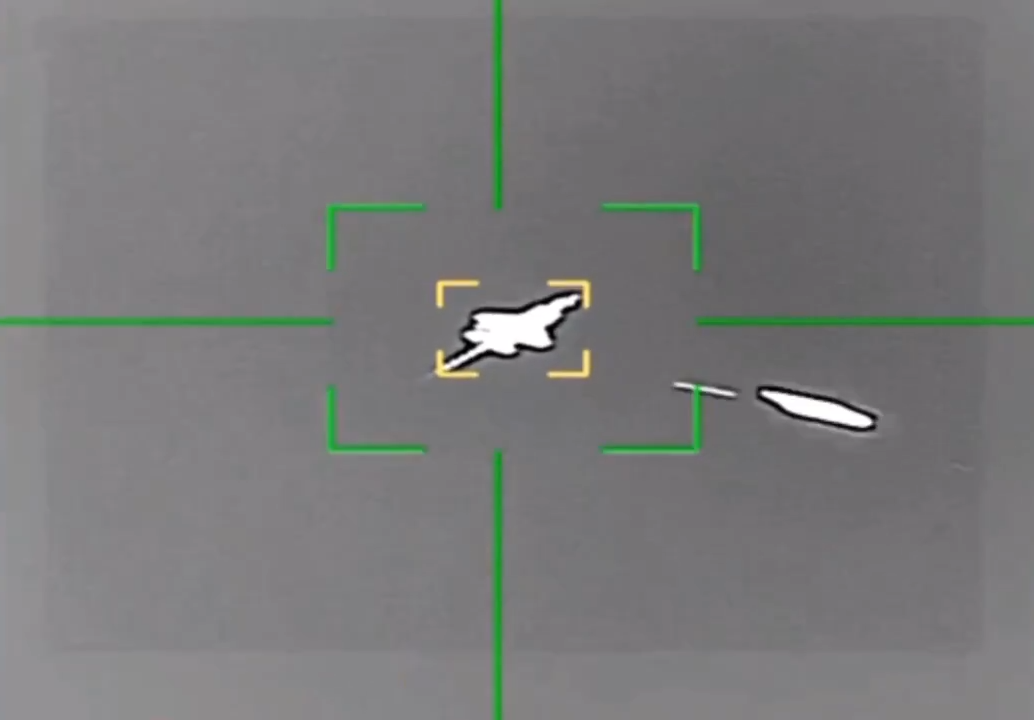
Initially, the IRGC released a thermal imaging video showing an F-35, a missile approaching it, and the missile detonating next to the fighter jet.
Read more: PrSM Increment 2 Completes 350km Test Flight With Multi-Mode Seeker Enabling Strikes on Moving Ships, Ground Targets
The U.S. Air Force has not yet officially commented on the incident. However, several U.S. media outlets have already received confirmation from their own sources that the F-35 sustained damage and made an emergency landing at a base in the Middle East.
In the video's final frame, a second heat signature emerges next to the engine's, possibly caused by leaking fuel.
In this situation, the key question must be what exactly Iran used to hit the F‑35. If confirmed, this would represent the first-ever incident involving the aircraft, which first flew in 2006.
At the same time, the fact that the Iranians managed to fire on a fifth-generation fighter jet demonstrates that their air defense system is still operational, 20 days into the war. With a bit of luck, it was able to detect the F-35 itself—a prerequisite for launching an anti-aircraft missile.
If the IRGC was responsible for firing on the F-35, the range of air defense systems that could have been used is considerably restricted. Excluding MANPADS, only two other systems are known.
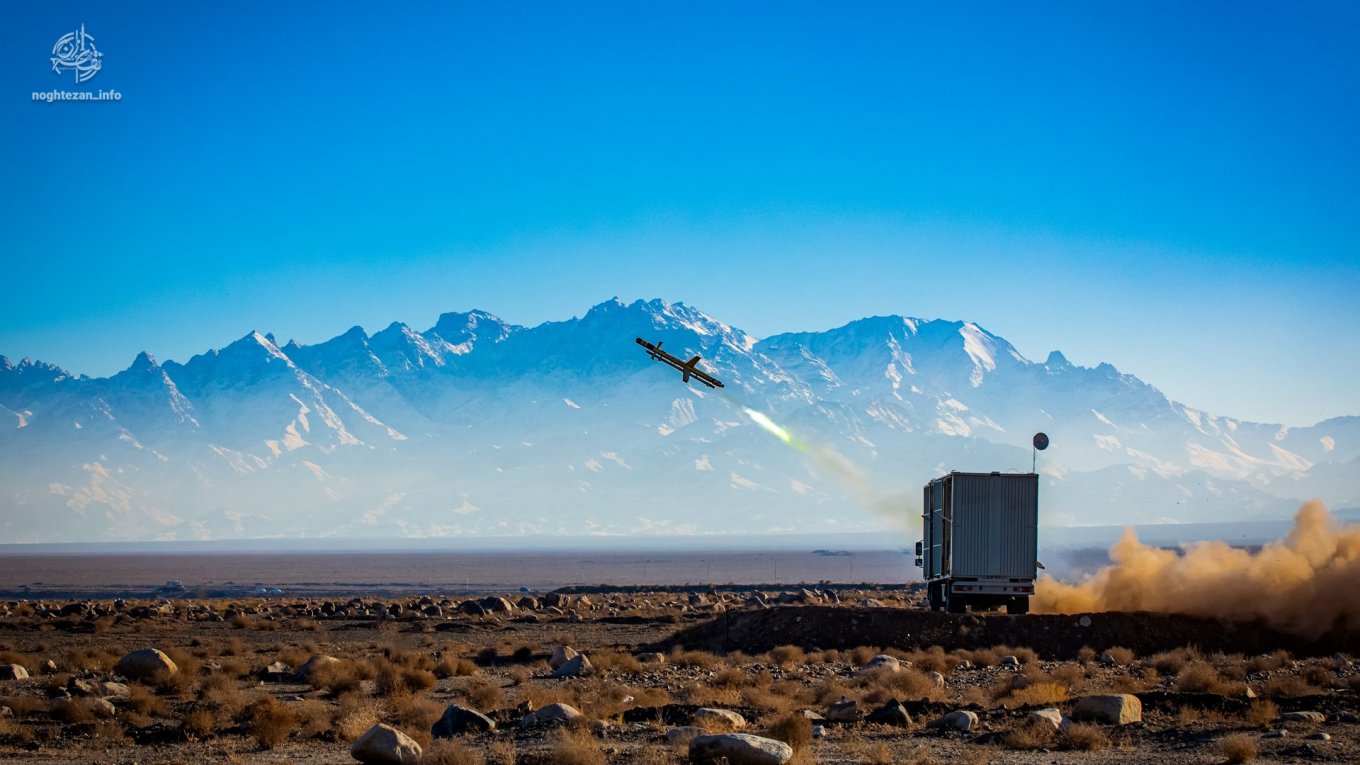
The first option is the 358 or 359 anti-drone missiles. Since they share a similar universal interface, these were immediately assumed to be the ones in question. In particular, the video below shows a drone being shot down using such a missile.
The 358 and 359 missiles are both small and subsonic, allowing them to be tracked over several frames, and their warheads are small. Moreover, because they employ a visual guidance system similar to FPV drones, successfully intercepting a fighter head-on with such missiles is highly unlikely.
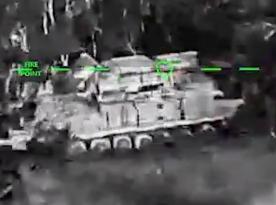
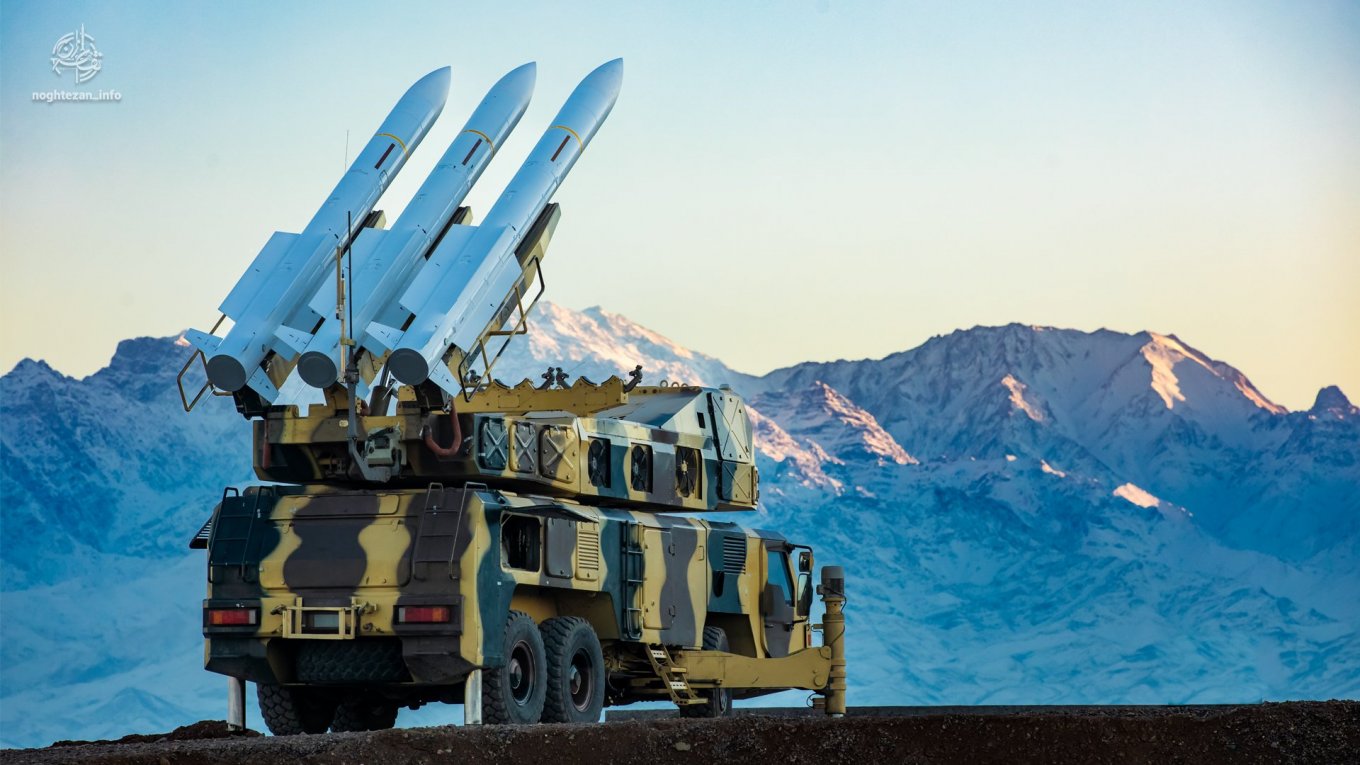
Instead, the F-35 was hit by some kind of high-speed, fairly large missile. At that time, the IRGC's arsenal included only the older Raad-type air defense systems and their upgraded Sevom Khordad variant. These closely resemble the russian Buk and Buk-2M systems.
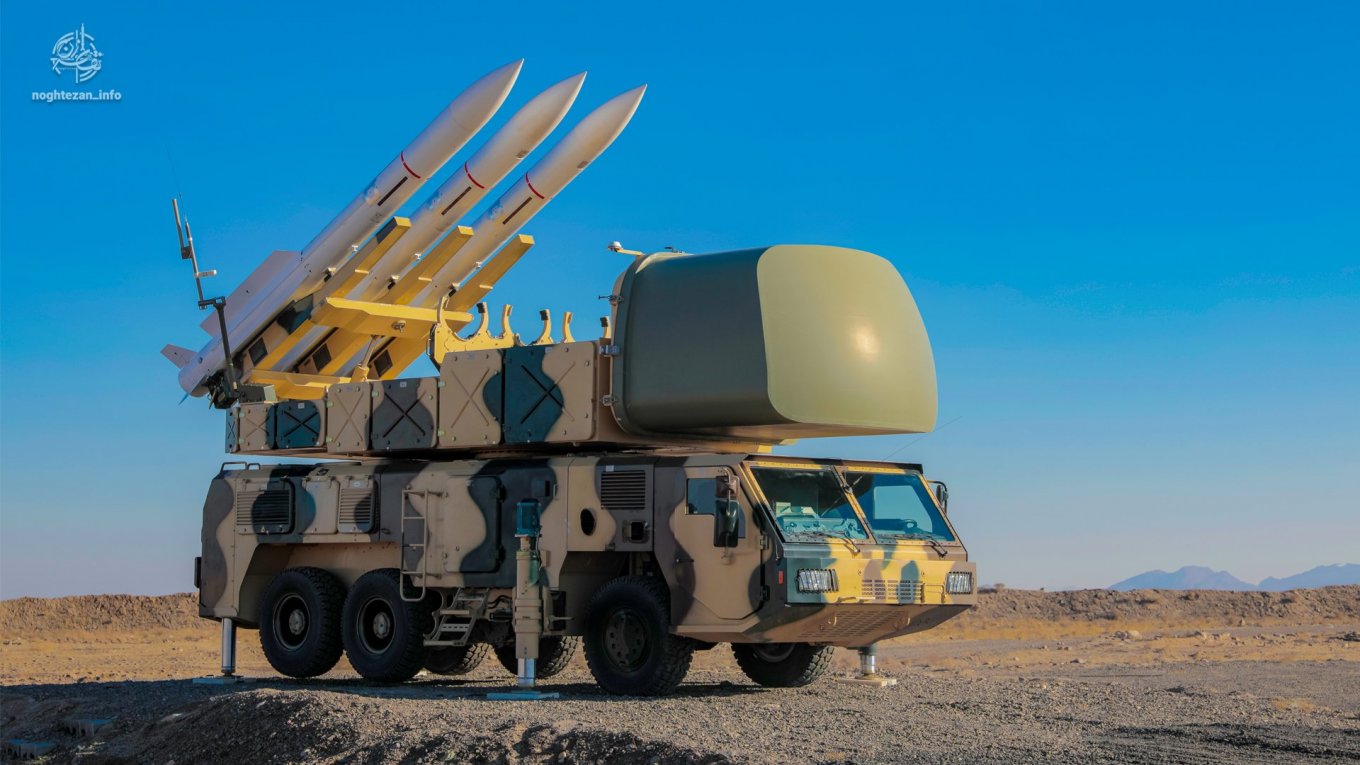
Nevertheless, Moscow denies transferring technology to Iran, while Tehran insists that it is their own development.
At the same time, other air defense systems that could theoretically target the F-35 are under the control of the Iranian Armed Forces, not the IRGC.
Read more: Ukraine to Test Leonardo's New Michelangelo Dome Air Defense Before NATO Trials