


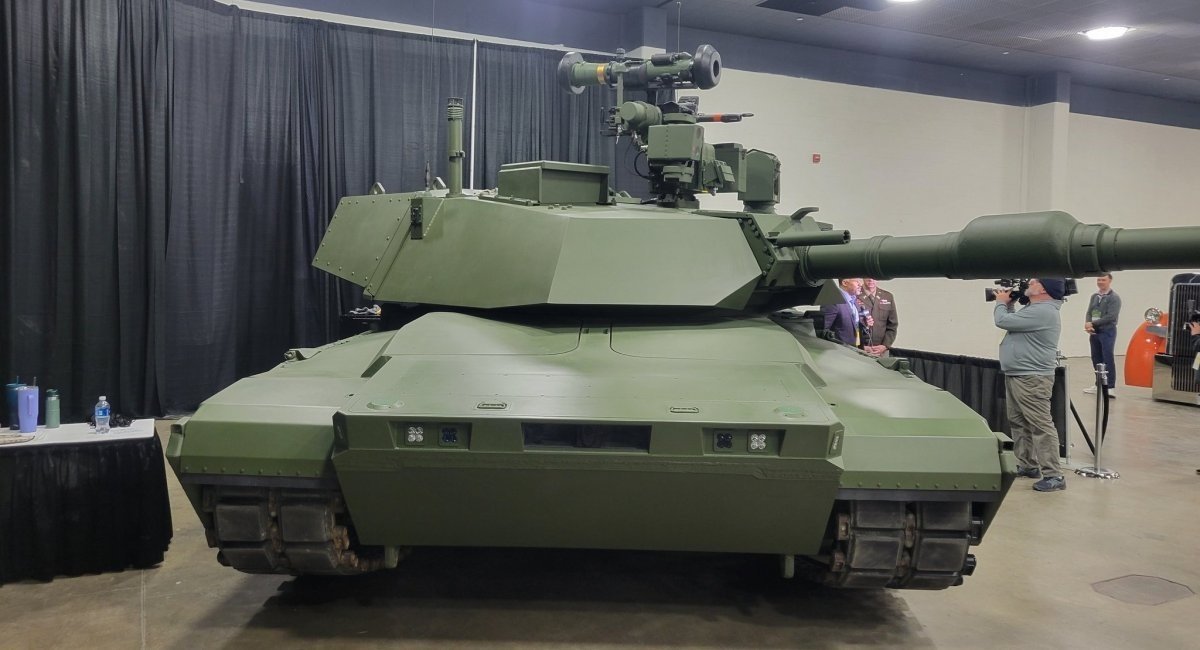
The new M1E3 Abrams main battle tank could enter production within the next 12 months. That is the U.S. Army's expectation, as it begins receiving prototypes of the M1E3 Abrams.
This was statet by Brent Ingraham, Assistant Secretary of the U.S. Army for Acquisition, Logistics, and Technology, according to TWZ. No timeline has been set yet, and everything will depend on the results of early prototype testing.
Read more: Elbit Touts 100% American SIGMA With Local Supply Chains, 10x10 Chassis Holds 40 Rounds for M109 Replacement
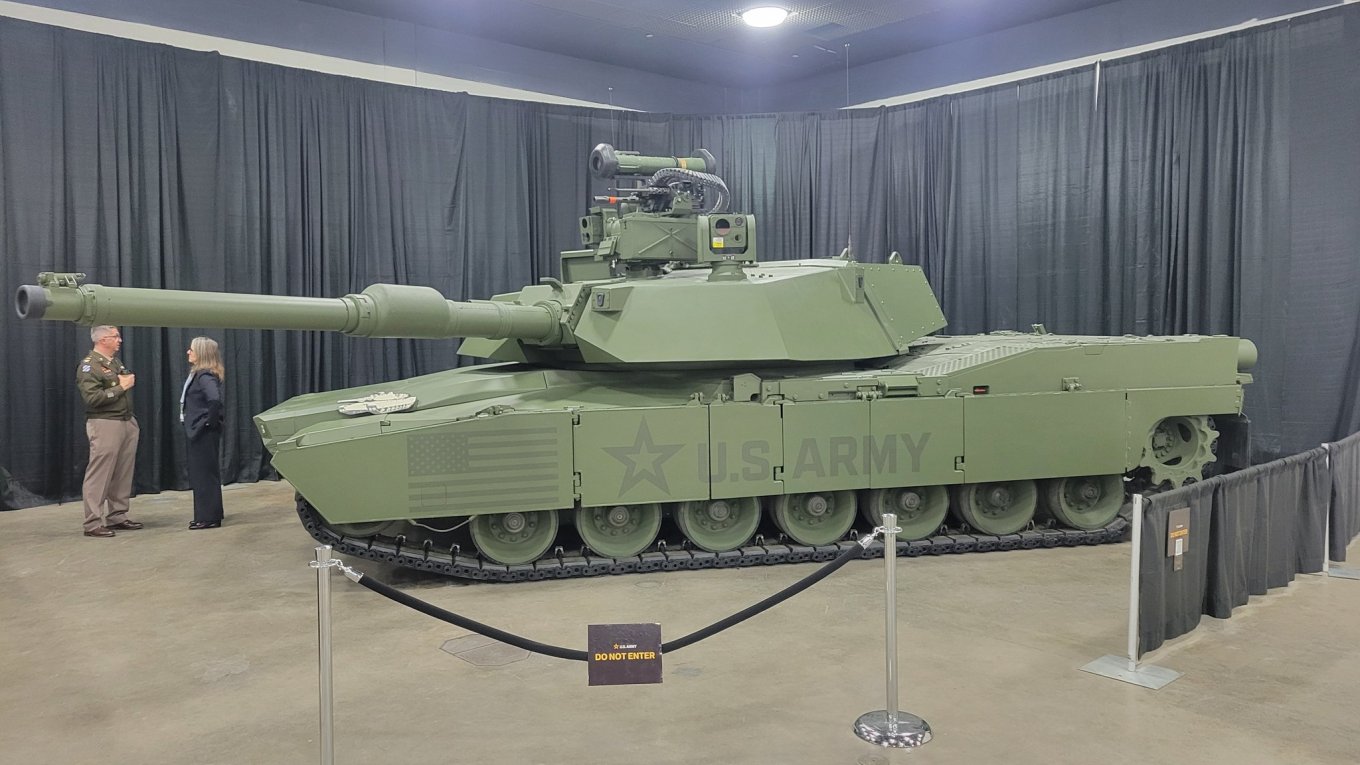
Additional tank prototypes are scheduled to be delivered to the U.S. military this summer and early fall. The program is currently focused on moving into mass production as quickly as possible.
From Defense Express we would like to note that If everything goes according to plan and testing proves successful, the new M1E3s could begin rolling off the assembly line as early as 2027. That would be just over a year after its initial presentation in January 2026 and up to two years after the prototype was unveiled, which is an ambitious and exceptionally fast timeline.
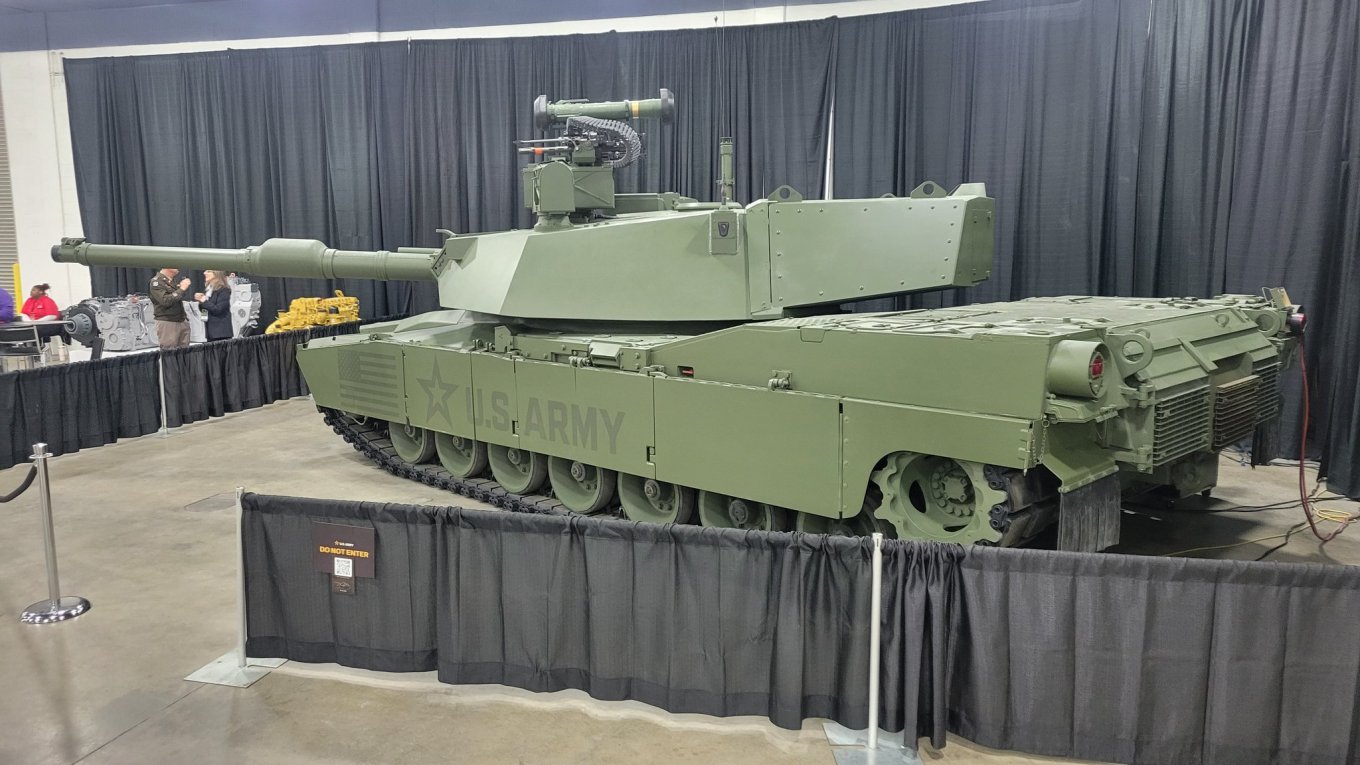
However, the final production model could differ from the concept, as development and prototype refinement are still ongoing. However, early details are starting to come to light.
One key difference in the M1E3 is the crew's placement at the front of the hull and the addition of an autoloader. SAPA's ACT 1075 transmission for 55–70-ton vehicles and an internal combustion engine from CAT were displayed.
The first prototype was delivered to the U.S. Army in early December 2025, with a full-scale test expected by the end of 2026. The schedule has been advanced by seven years, with the first prototype originally planned for 2032.
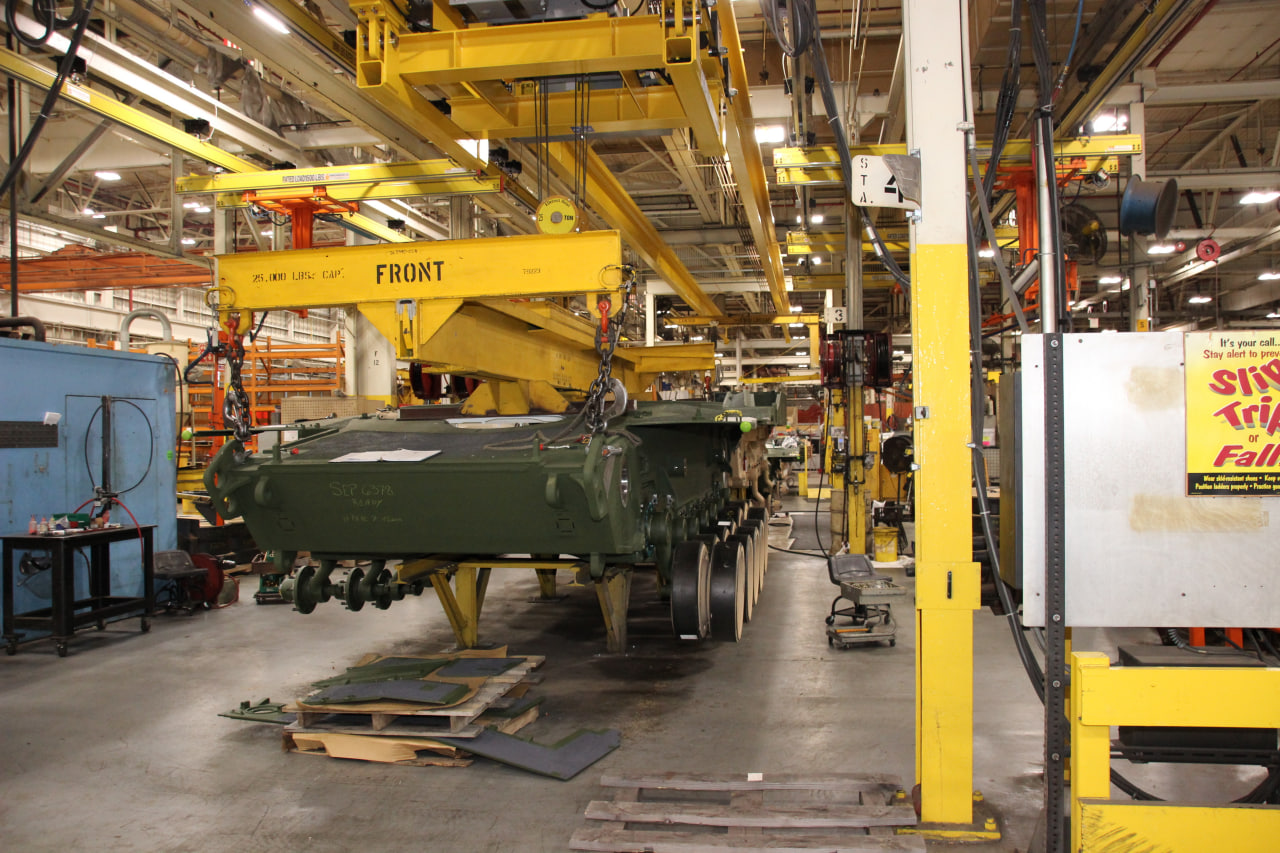
However, since the U.S. hasn't built Abrams tanks from scratch for years, ensuring prototype success will also require addressing production capacity and scaling up. To support this, studies have already begun to assess the industry's capabilities.
Read more: Elbit Wins U.S. Contract for Aircraft Laser Weapons After Claiming Breakthrough in Size Constraints