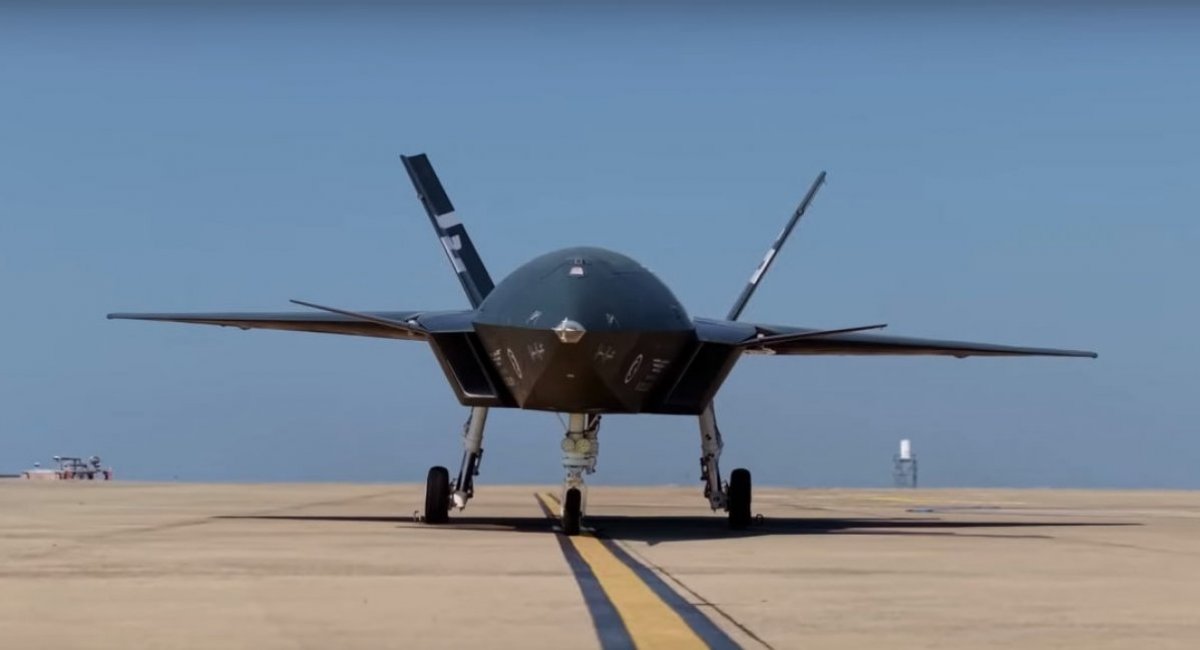
Turkish defense company Baykar plans to deliver the first two Kizilelma unmanned fighter aircraft to the Turkish Armed Forces in the near future, with the handover expected in the first quarter of 2026. This timeline suggests that the transition from testing to initial military service is now only months away, marking a significant milestone for the program.
The announcement was made by Halil Akar, head of Baykar's flight training and test center, in comments to IHA. According to him, two serial-production Kizilelma aircraft have already been completed, alongside five prototypes that continue to support the testing and development process. He also revealed that pilot training is expected to take around five months, while technical personnel can be trained in approximately four months, with military training activities likely to begin in 2026.
Read more: Lockheed Martin Plans Massive Surge in Patriot PAC-3 MSE Production to 2,000 Missiles a Year
The very fact that aircraft are being transferred to the armed forces effectively signals the start of operational adoption of unmanned fighter jets. While full combat readiness is still a long way off, this step can already be considered historic, as it represents one of the first real-world introductions of a jet-powered unmanned combat aircraft into a national air force. Early deliveries typically focus on familiarization, doctrine development, and infrastructure adaptation rather than immediate combat use.
At the same time, the capabilities of the first production aircraft are expected to be limited. Weapons integration and flight testing are still ongoing, and it remains unclear which propulsion configuration the initial aircraft will use. Baykar has tested Kizilelma drone with the Ukrainian AI-25TLT engine without an afterburner, while a later prototype has already flown with the more powerful AI-322F engine featuring an afterburner, which would significantly expand performance envelopes.
An interesting nuance is that even if operator training were to begin immediately, it would not be completed by the end of the first quarter of the year. This suggests that initial deliveries will likely occur while personnel training is still underway, with responsibility gradually shifting from Baykar's facilities to the Turkish military's own training and support infrastructure.
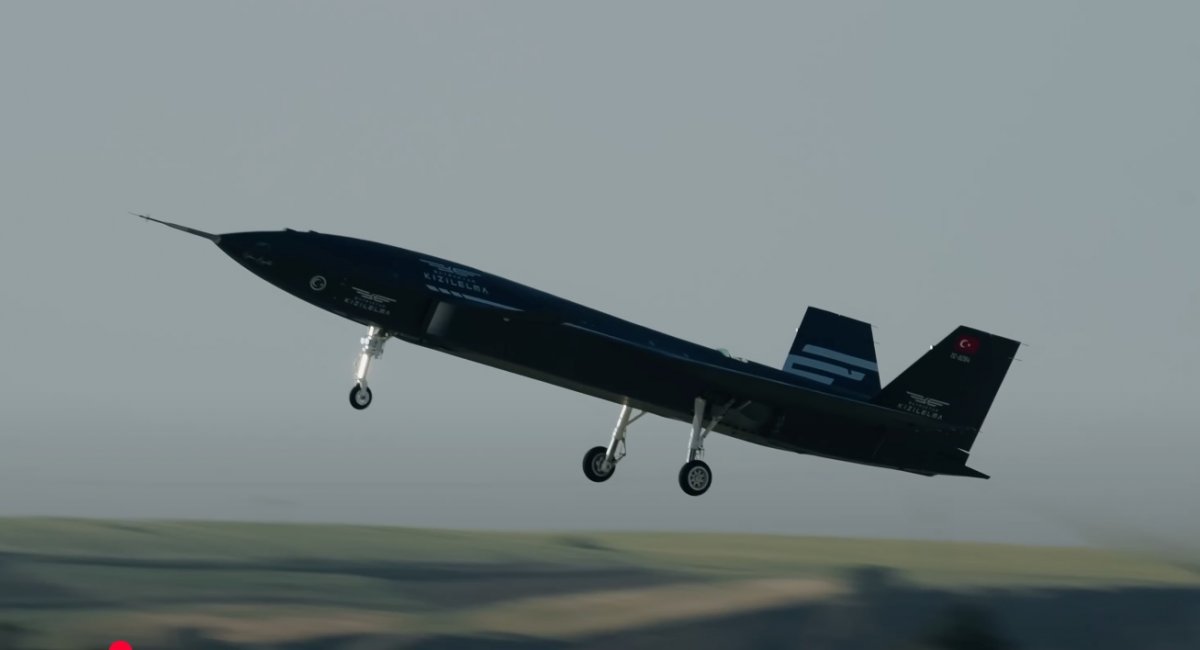
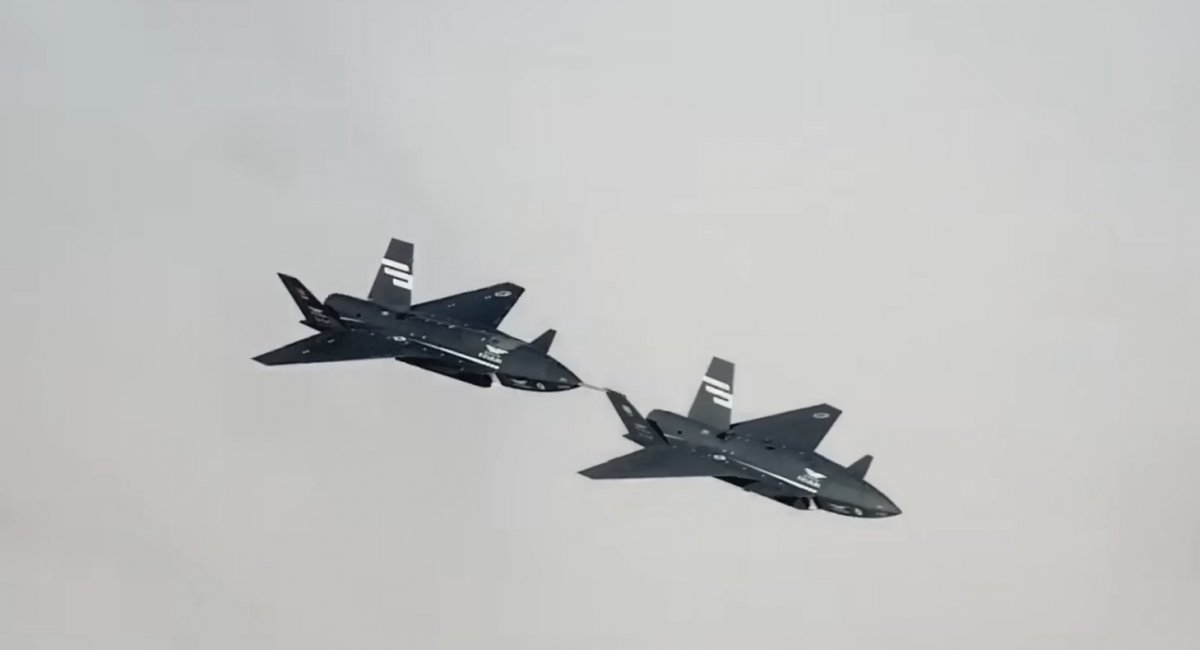
Meanwhile, the Kizilelma program continues to demonstrate increasingly advanced capabilities. Recent tests have included autonomous formation flight supported by specialized artificial intelligence algorithms, highlighting progress toward coordinated operations with other aircraft, both manned and unmanned. Such features are essential for integrating unmanned fighters into complex air combat and air policing scenarios.
As these capabilities mature, Kizilelma system is moving closer to performing sustained patrol and air defense missions, approaching the functional role of a traditional fighter aircraft. In practical terms, this could prove especially valuable for countering threats such as long-range attack drones, including systems similar to Shahed. If successful, Turkey may become one of the first countries to field unmanned fighters as a routine element of its air defense posture, potentially reshaping how air power is employed in the years ahead.
Read more: Ukraine's Mirage 2000-5 Jets Receive Long-Awaited MICA Missiles or an Alternative Option