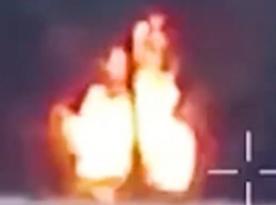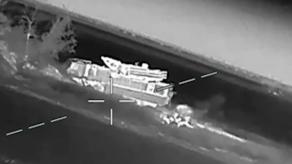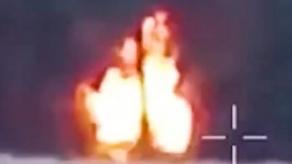
On the night of November 24-25, the Armed Forces of Ukraine struck the PJSC Beriev Aircraft Companyin Taganrog, russia. Strike drones were likely used to carry out the attack. According to the published videos, a unique experimental aircraft, the A-60 1A2, was hit.
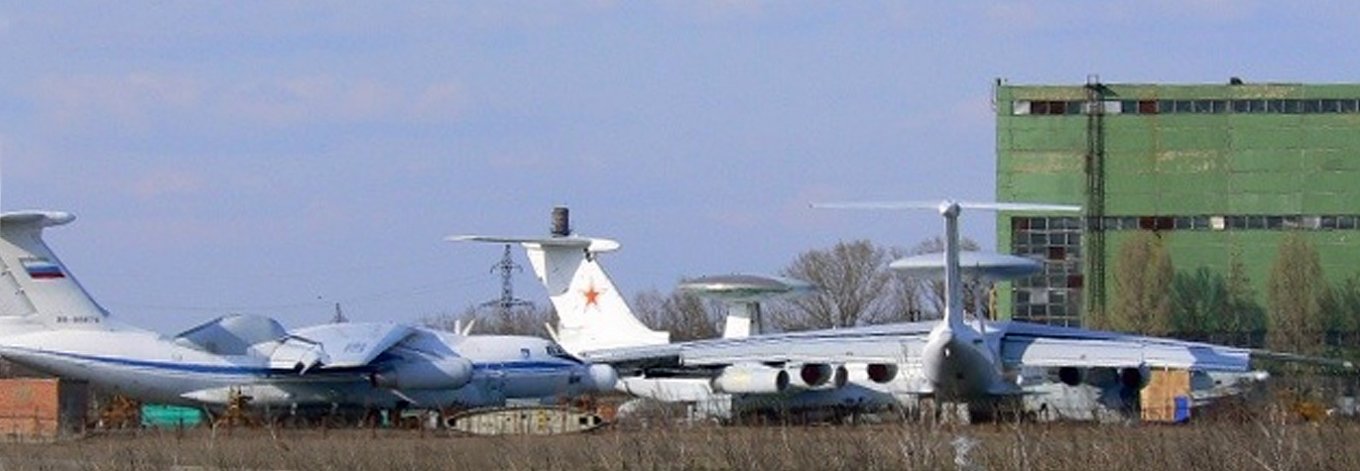
Moreover, the A-60 1A2 has remained at the Taganrog aircraft factory for about 20 years, with occasional movements around the facility observable in satellite imagery. The last known location of the A-60 1A2 on the grounds coincides with the location of the aircraft that was hit in the video.
Read more: Why Ukraine's Fire Point FP-7 and FP-9 Ballistic Missiles Resemble russia's 48N6 from the S-400 System
Since it was based on the Il-76MD, it retains the same overall shape. However, the A-60 1A2 can be recognized by its distinctive nose and a small structure on top toward the back of the aircraft, as seen in the video.
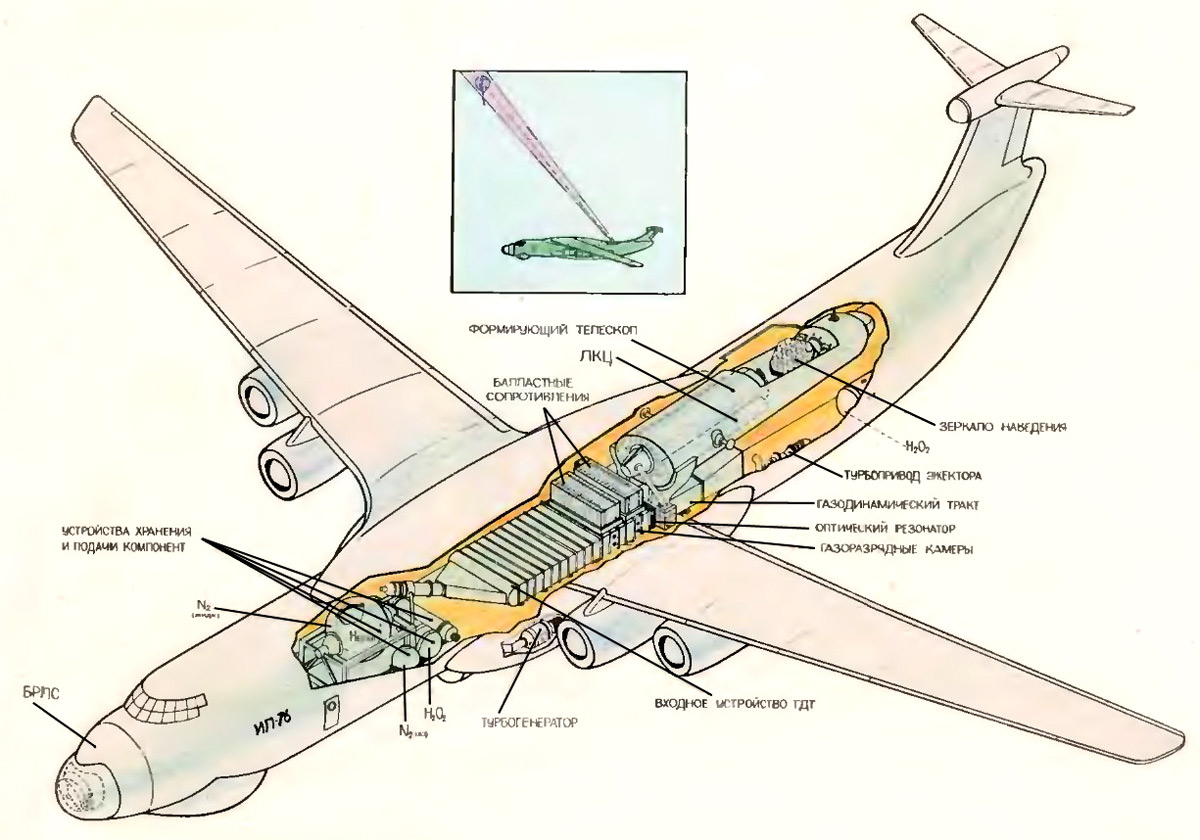
This aircraft was an experimental airborne laboratory for testing airborne laser weapons. It was intended that such a laser could shoot down aircraft, aerostats, and disable satellite sensors.
The A-60 1A2 was equipped with a 1 MW combat laser at the rear of the fuselage, with the rooftop superstructure between the wings and tail featuring special sliding doors for the laser's operation.
To detect and lock onto targets, the aircraft was equipped with a radar housed in its nose. Operating such a laser demanded a high-capacity power system.
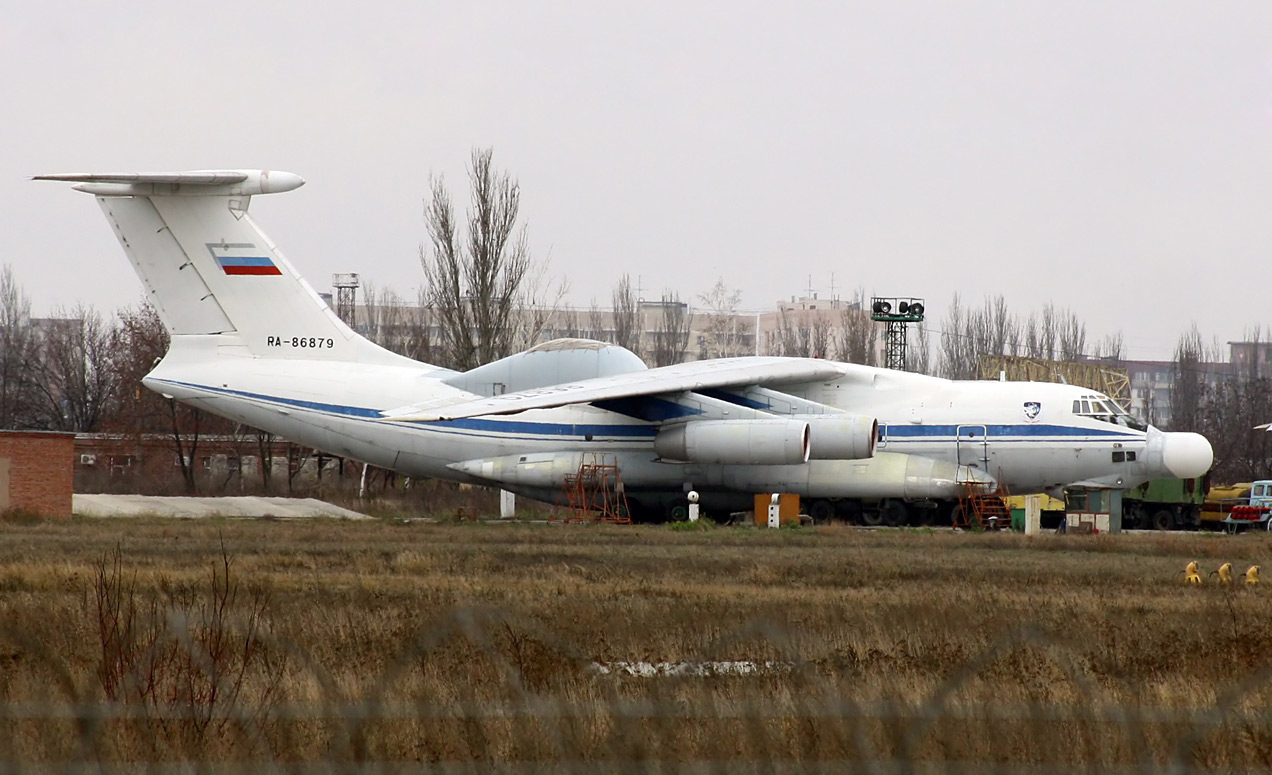
It was additionally equipped with two 2.1 MW turbogenerators. They were located near the rear landing gear struts, making the A-60 1A2 easy to distinguish from standard Il-76s. Development of this aircraft began back in 1975. The first flight of the first A-60 1A prototype took place in 1981.
The A-60 1A first fired at an aerial target in 1984, striking a stratostat, and later conducted dozens of sorties against stratostats and La-17 target aircraft. However, the A-60 1A burned down in 1989.
To replace it, construction began on the new A-60 1A2, with a similar but slightly modernized design. In 1991, the new A-60 1A2 made its first flight, but after two years of work, the project was halted.
In 2009, testing of the A-60 1A2 was resumed. In the same year, the aircraft aimed its laser at the Japanese AJISAI satellite at 1,500 km altitude, and the reflected beam was detected.
Although russians described the flights as purely peaceful, it was obvious they were testing methods to "blind" enemy reconnaissance satellites. The project's status today is unclear. However, since 2009, the aircraft has undergone upgrades and maintenance at the factory, suggesting it was not entirely abandoned.
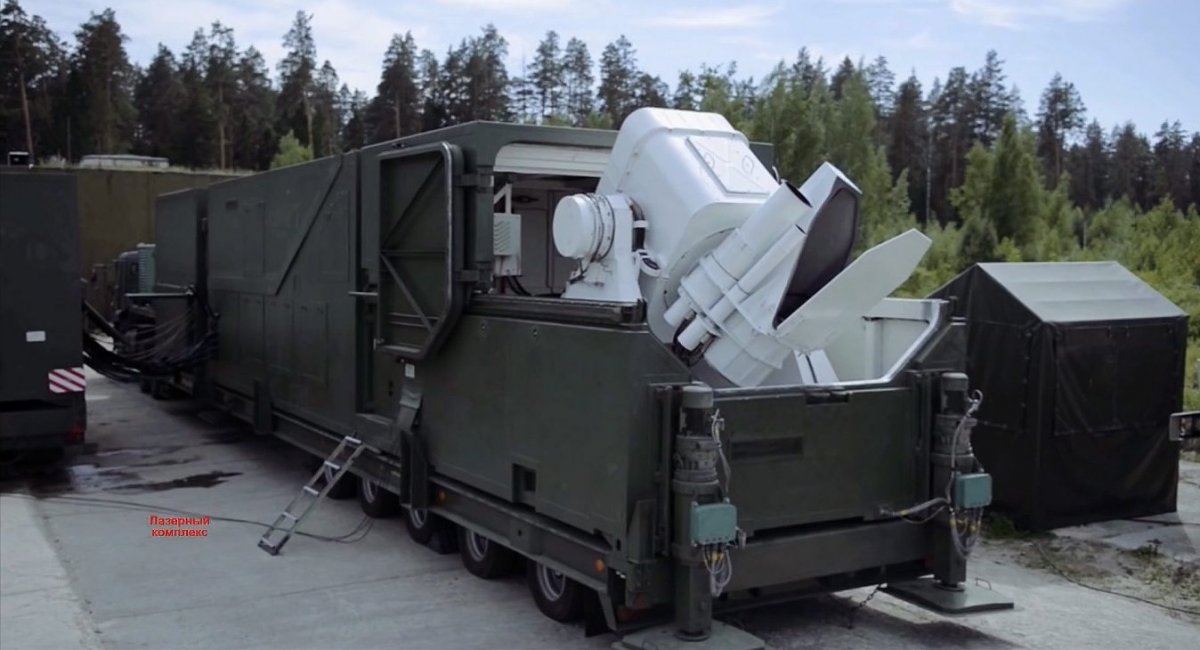
It is likely that the developments from this project were used, or even served as the basis, for the creation of the russian Peresvet ground-based laser designed to counter satellites.
Read more: Photos and New Details Emerge on How Ukraine Fitted a FAB Bomb to a Tochka-U Ballistic Missile