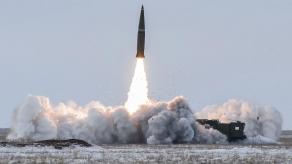



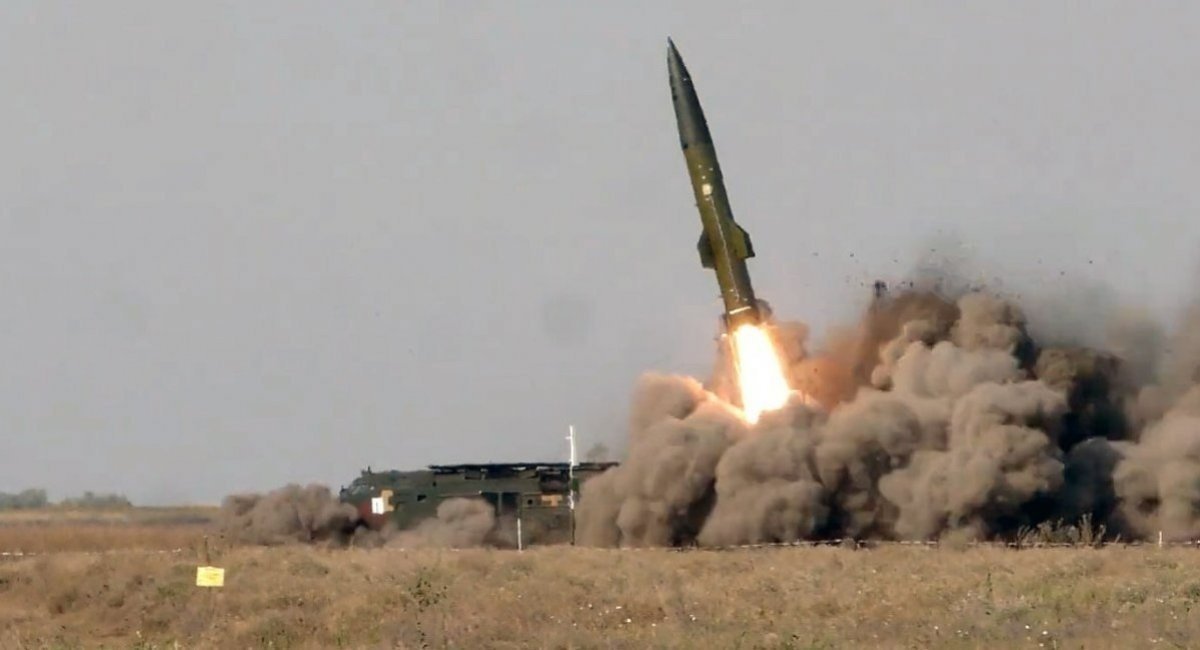
russian sources have published photos of an unexploded Tochka-U ballistic missile carrying an aerial bomb in place of the regular warhead. Judging by its condition, the missile has been buried in the ground for quite some time. This suggests it was not used recently but likely several years ago, when stockpiles were still available.
It is worth recalling that the 19th Missile Brigade St. Barbara of the Ukrainian Ground Forces recently explained how they overcame the missile shortage for Tochka-U systems back in 2022. They took empty warhead casings, installed an aerial bomb inside, and connected them to surplus rocket motor sections.
Read more: Night Witches 2.0 of the Drone Age: Ukrainian UAVs Drop FAB-250 on russian Targets
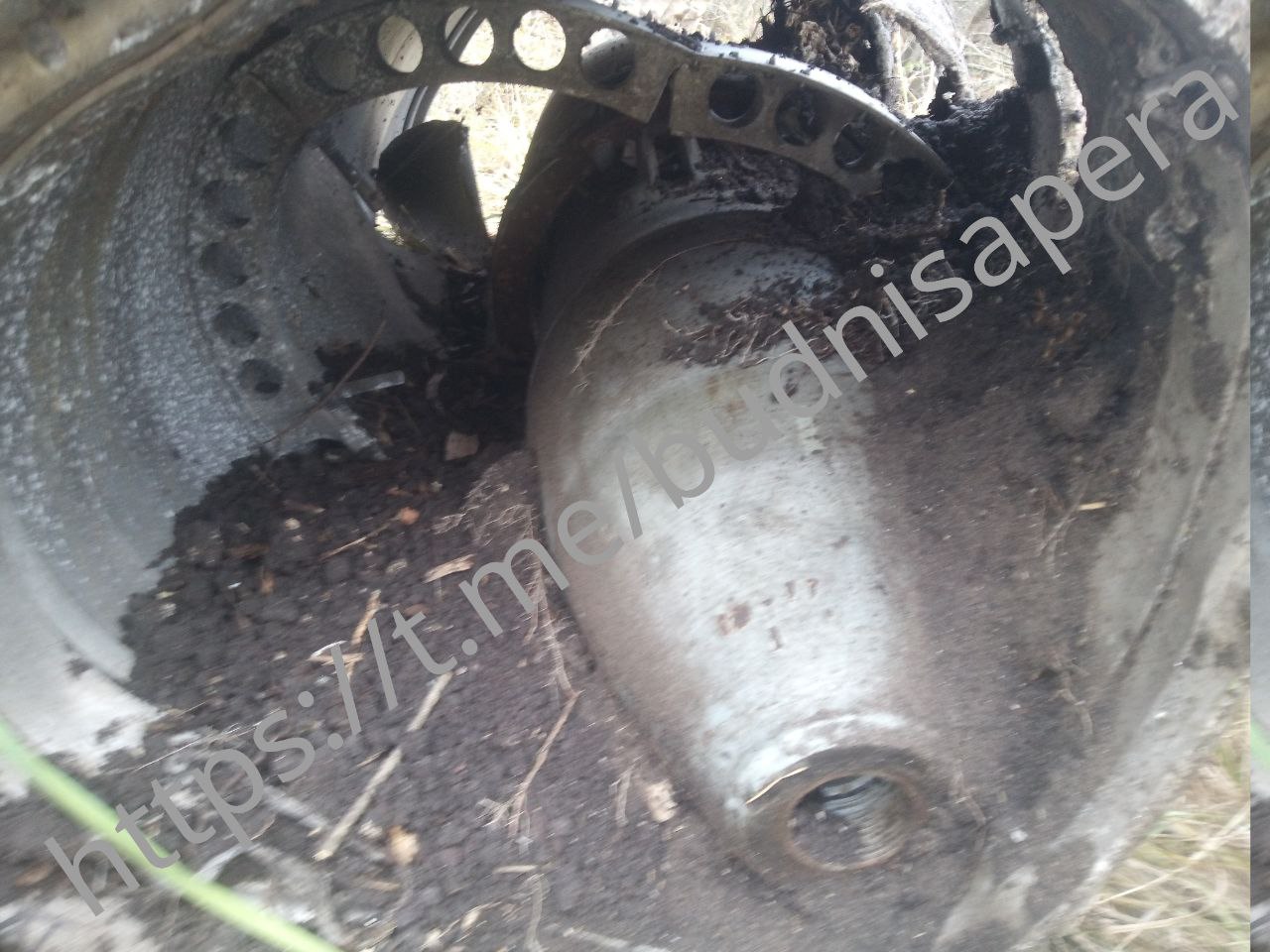
These surplus rocket sections were likely left over after Ukraine transferred its nuclear weapons to russia in the 1990s. Nuclear warheads were handed over, but the corresponding rocket bodies apparently remained in Ukraine. However, other explanations for the origin of these extra parts also exist.
Returning to the missile found by russian forces: in this case, an FAB-250 M62 aerial bomb without its tail section was likely installed instead of the standard warhead, although some claim it may be an OFAB-250T. The bomb was wrapped in an improvised fragmentation "jacket" made from cylindrical pre-formed fragments embedded in resin.
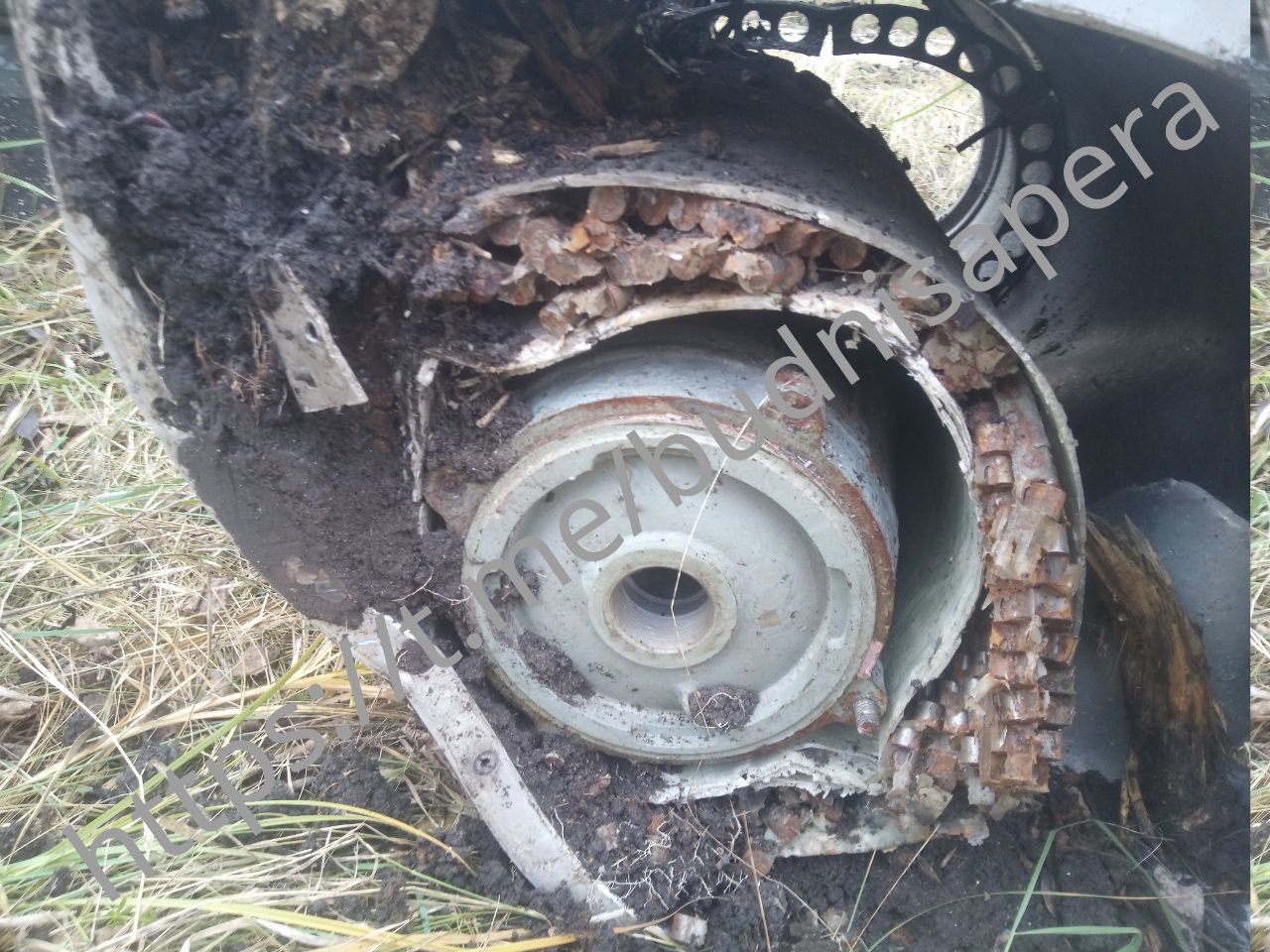
This meant that, in addition to the FAB-250's normal fragmentation, there was a massive amount of extra shrapnel. It is quite possible that this improvised warhead produced more fragments than the standard 9N123F high-explosive fragmentation warhead. However, in terms of total weight and explosive charge, the FAB-250 is significantly inferior.
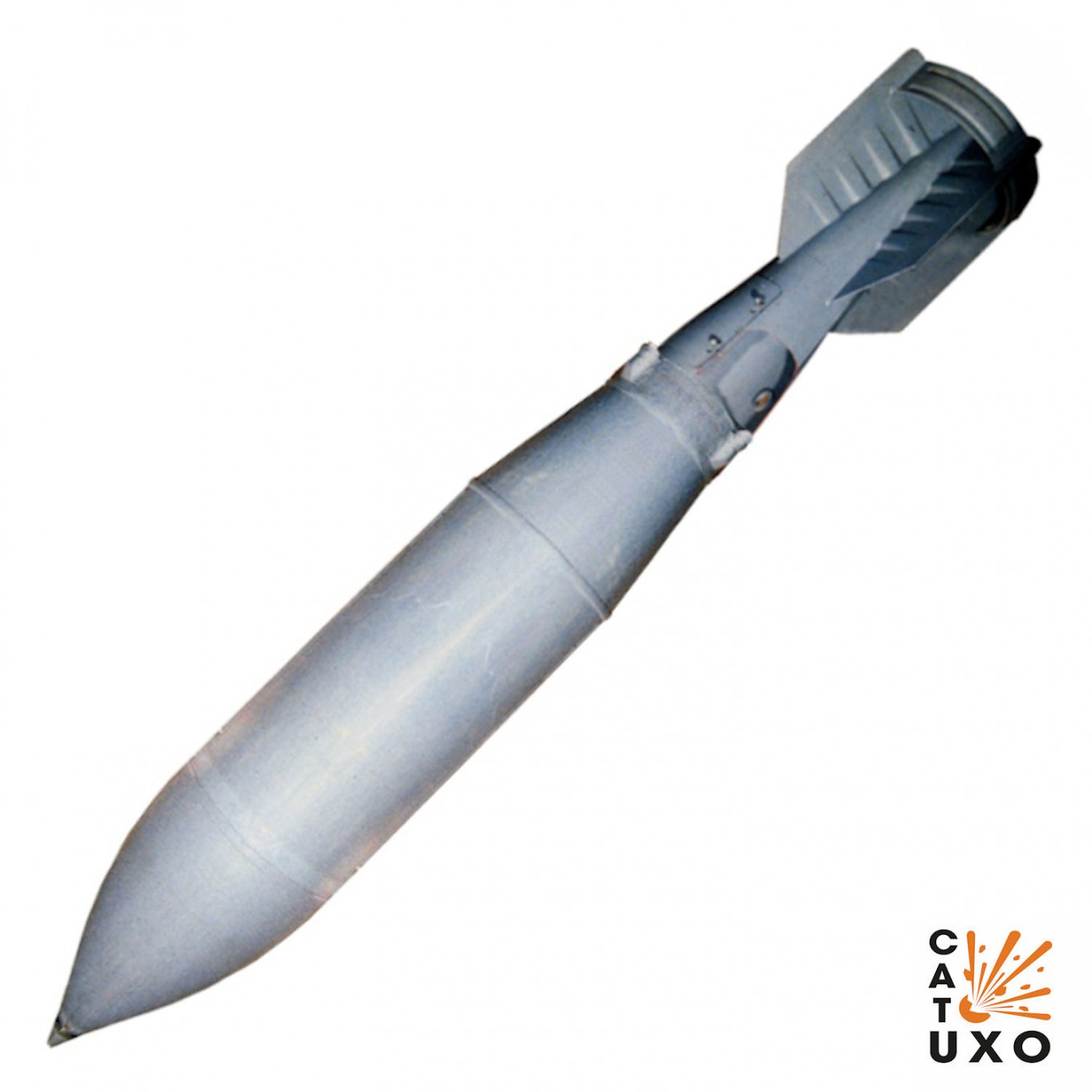
The FAB-250 weighs 250 kg (less without the tail section), of which 100 kg is explosive filler. The standard 9N123F warhead weighs 482 kg, including 162 kg of explosive. The difference in weight, over 232 kg, was likely compensated by the improvised fragmentation jacket. A warhead that is significantly lighter or heavier could dramatically affect the missile's range and accuracy.
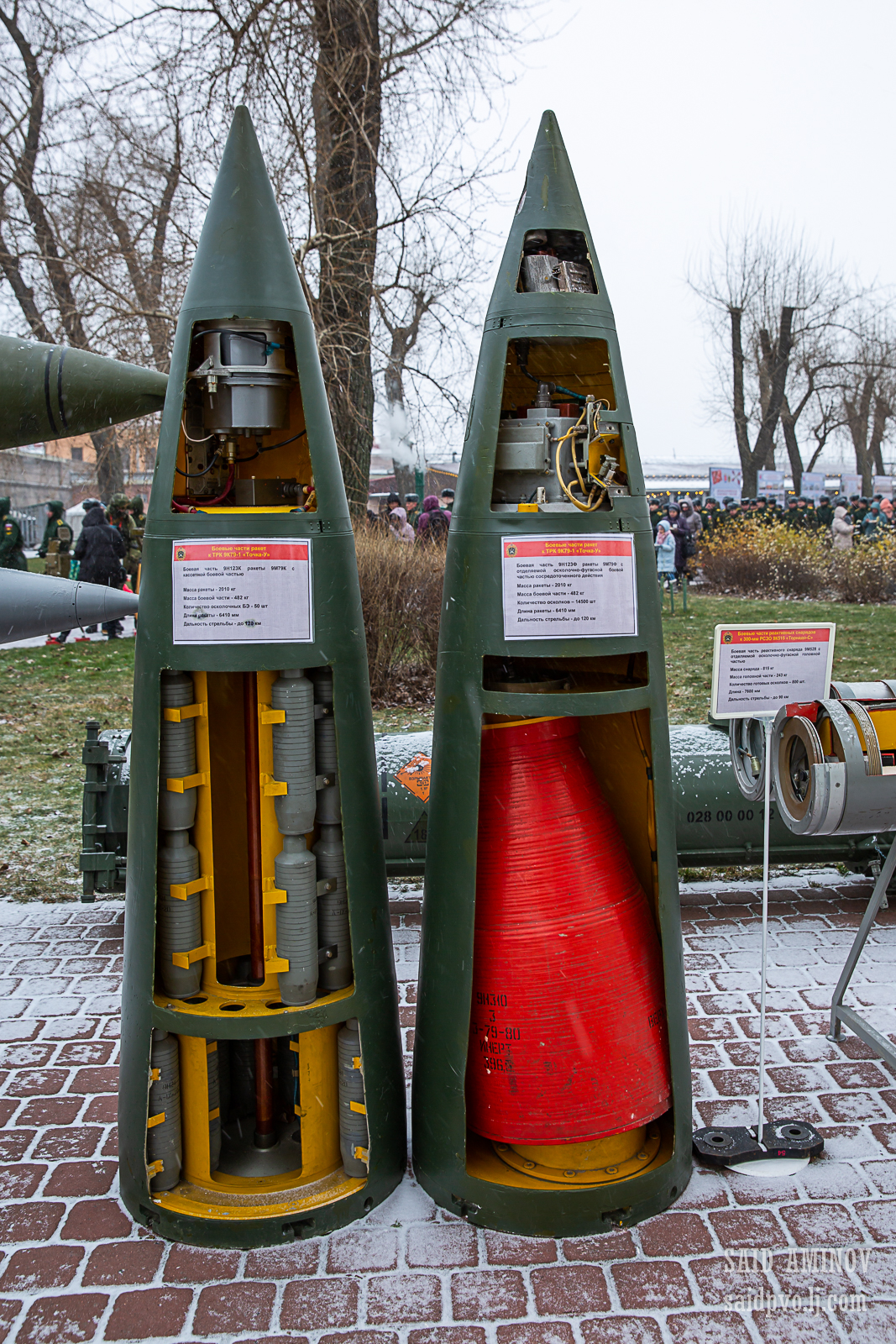
A standard contact fuze was installed—an AVU-ET—commonly used with this aerial bomb. This likely explains why the warhead failed to detonate. The missile appears to have struck the ground sideways, preventing the fuze from activating. The Tochka-U normally uses an electronic fuze that detonates the warhead at an altitude of around 20 meters to maximize fragmentation coverage.
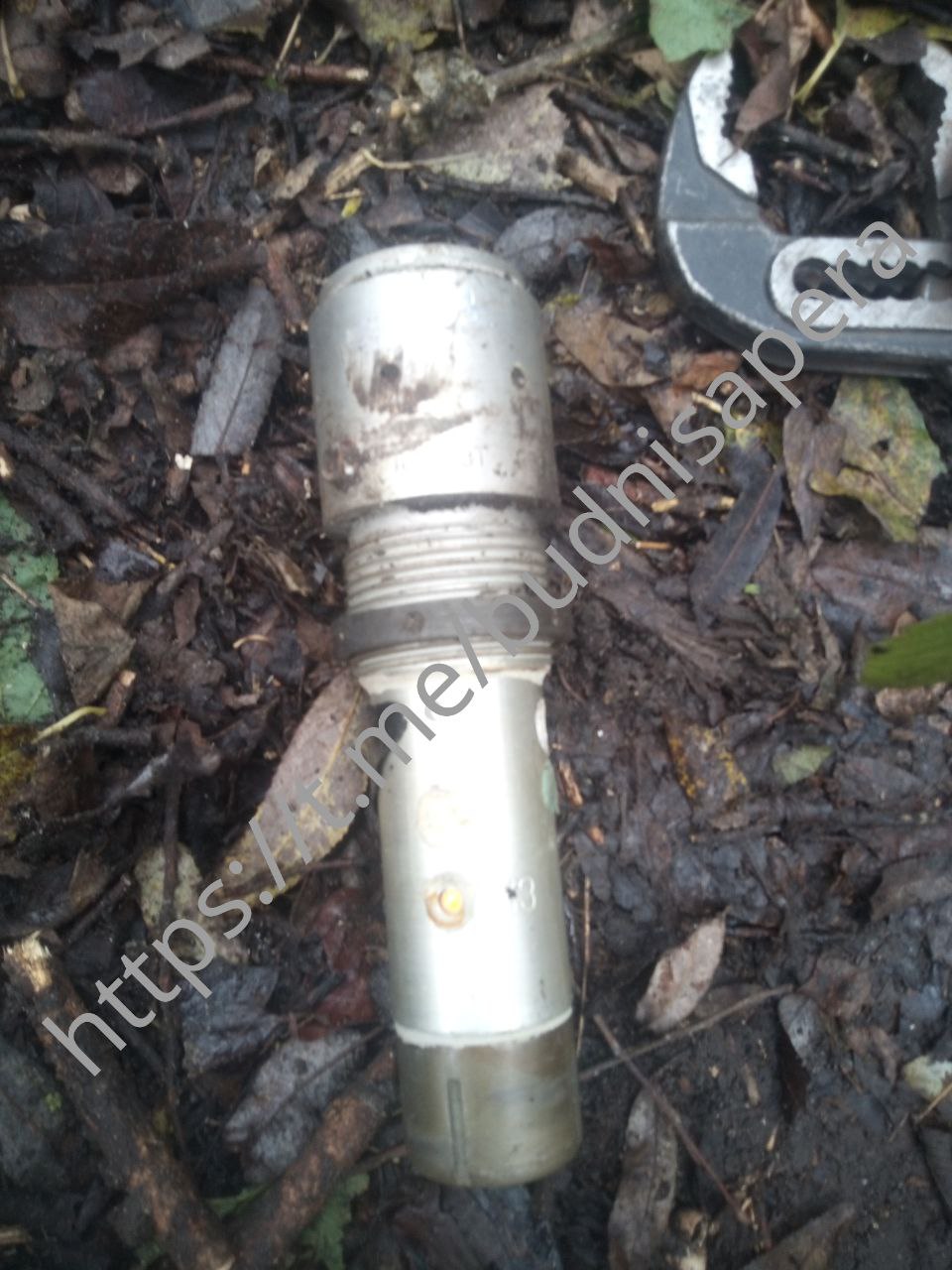
It is also worth recalling that in 2023 Ukrainian EOD teams discovered an unexploded Tochka-U fitted with an FAB-500T instead of the standard warhead. At the time, it was believed to be a russian missile based on the angle of impact. However, judging by the condition, it may also have been lying there for years.
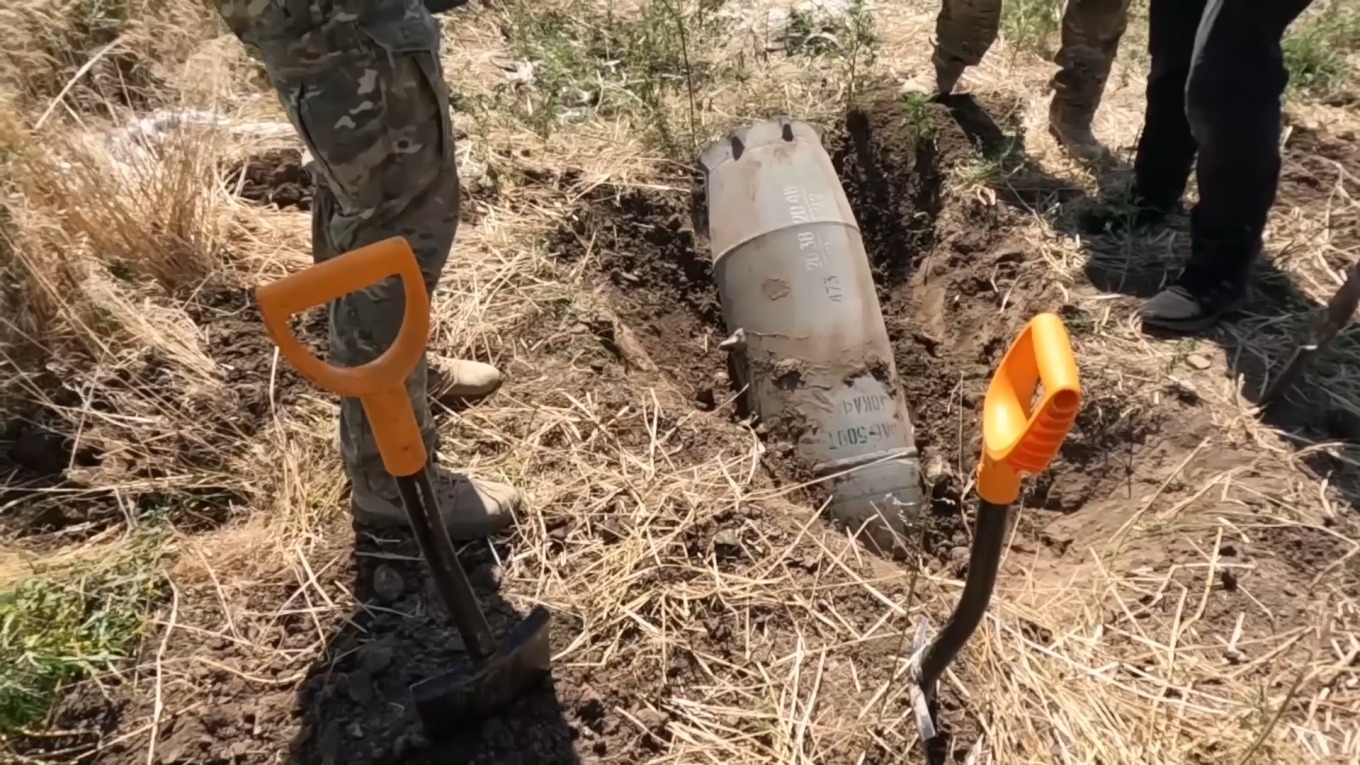
Therefore, it cannot be ruled out that this was a Ukrainian Tochka-U that fell successfully and was launched back when the area was still occupied. In that period, at least two methods of installing aerial bombs on Tochka-U missiles appear to have existed.
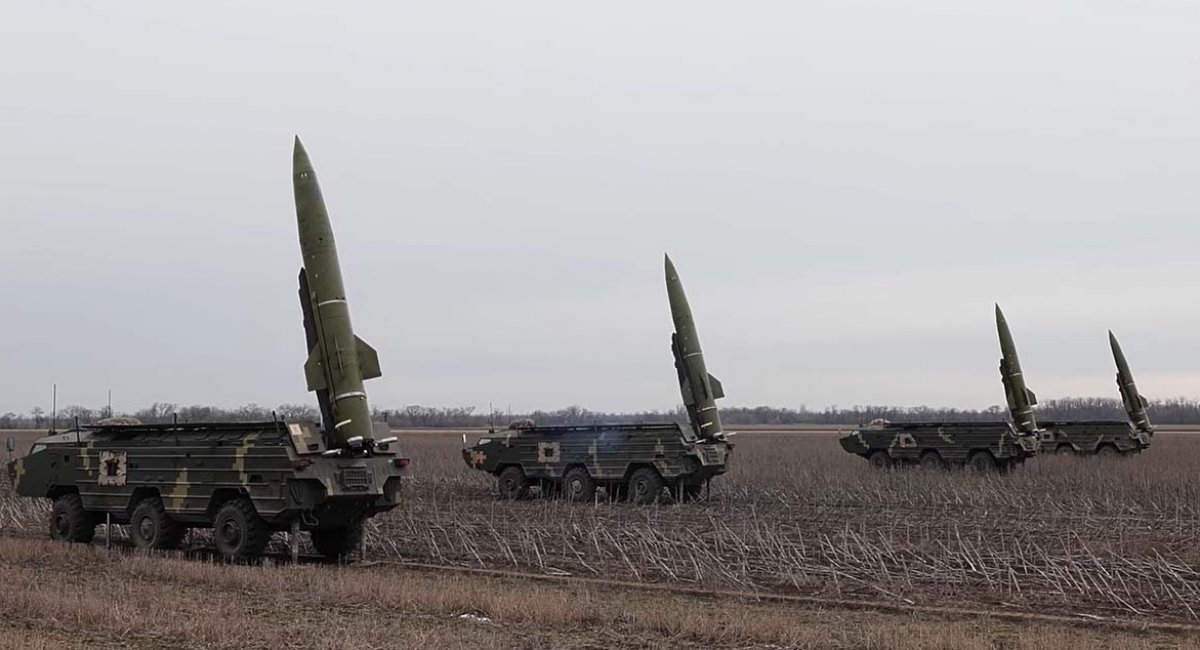
One involved mounting a lighter FAB-250 with numerous additional pre-formed fragments. The other used a more powerful FAB-500T, which produced fewer fragments but had a greater explosive yield. It is reasonable to assume that the warhead type was chosen depending on the intended target: either maximum fragmentation or maximum blast power.
Read more: Insights Into the Missions of Tochka-U From Ukrainian Missile System Operators