


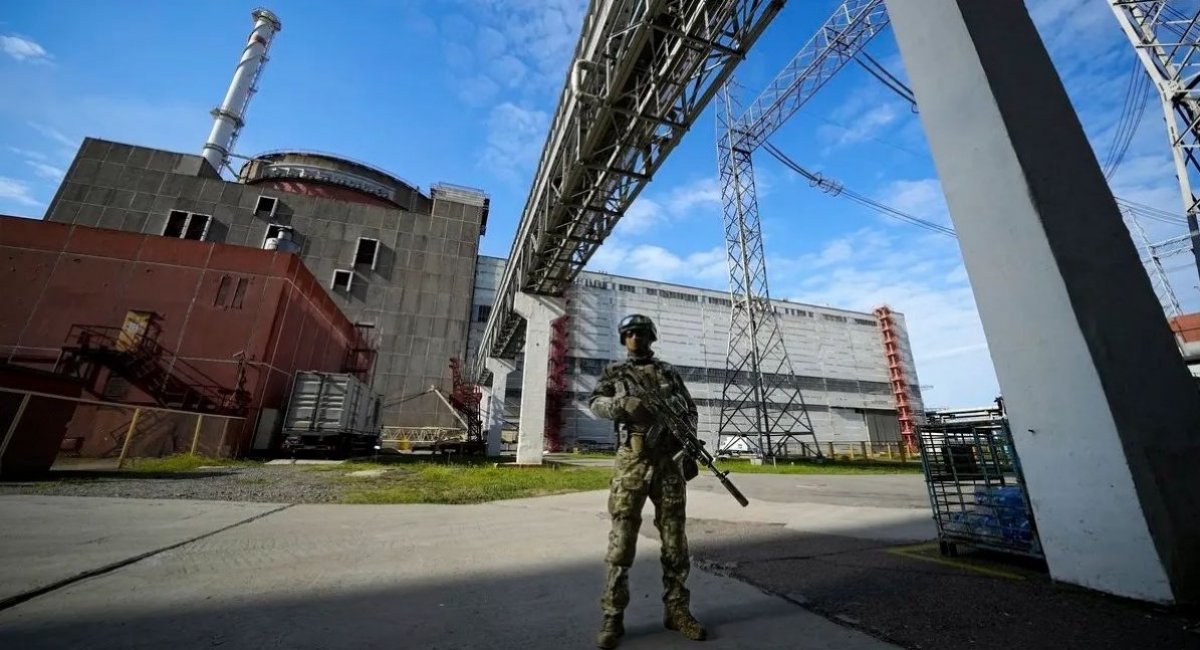
Ukraine's Defense Intelligence has accused russia of transforming the temporarily occupied Zaporizhzhia Nuclear Power Plant into a heavily fortified military base, warning that the station's militarization continues to pose serious nuclear safety risks. According to the agency, russian forces are using one of Europe's largest nuclear facilities to store weapons, deploy troops, and support drone operations while restricting international oversight.
The Defense Intelligence reports that military vehicles have been stationed inside the turbine halls of reactor units 1, 2, 5, and 6, despite all six reactors remaining in a "cold shutdown" state. The agency also says that basements and bomb shelters have been converted into ammunition depots, while machine-gun positions and missile systems have been installed on the rooftops of reactor buildings. Additional military equipment and ammunition are reportedly hidden beneath technical passages connecting various sections of the plant.
Read more: U.S. Nuclear Cruise Missile AGM-181A LRSO Needs 27 More Test Launches by September 2027 — But Only One B-52 Reserved for Testing With 50% Fleet Readiness
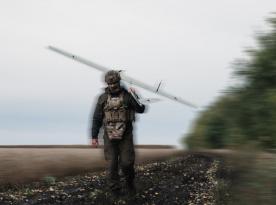
According to the report, russian forces have also established launch and command points for Gerbera-Seeker and Geran-Seeker kamikaze drones within the plant. The workers from the Alabuga Special Economic Zone, including underage students, have been involved in supporting these drone-related activities. Some technical facilities located near the shoreline of the former Kakhovka Reservoir have also reportedly been mined, further increasing the dangers surrounding the site.
The agency estimates that approximately 1,500 personnel from the russian National Guard are currently responsible for securing the nuclear plant. At the same time, inspectors from the International Atomic Energy Agency continue to face significant restrictions. According to the Defense Intelligence, inspections are conducted only along routes pre-approved by russian authorities, preventing inspectors from accessing key technical areas and independently assessing conditions inside the facility.
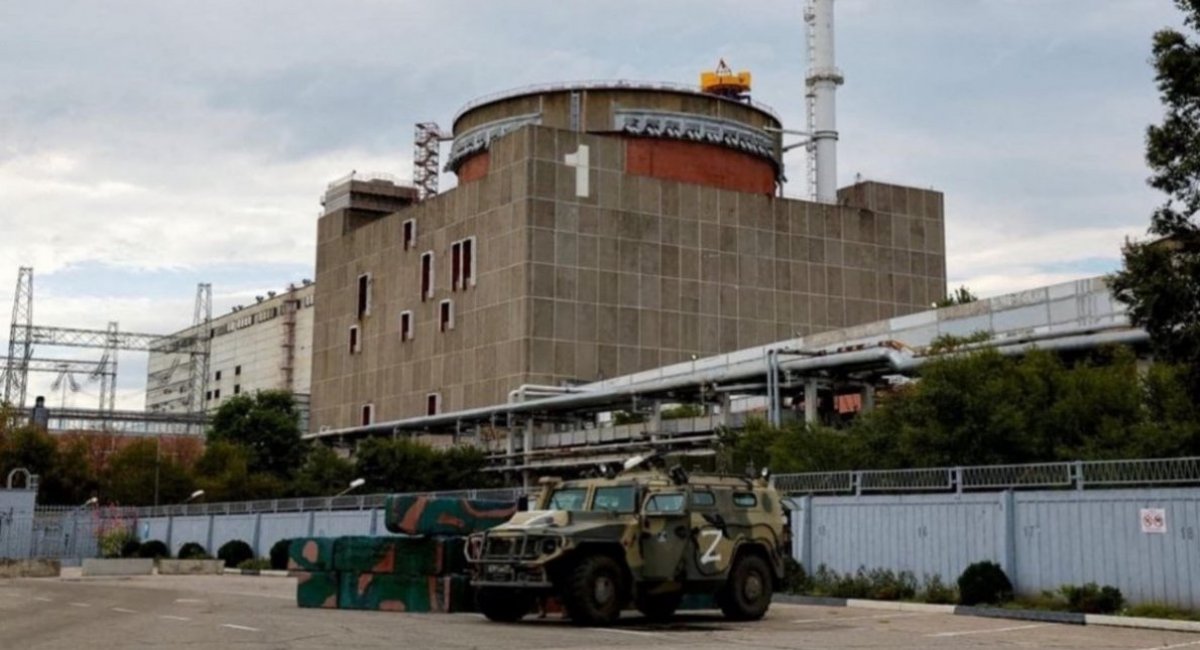
Beyond the military presence, the Defense Intelligence warns that the plant's technical condition has continued to deteriorate. Before russia's full-scale invasion, the Zaporizhzhia Nuclear Power Plant had ten external power lines. Today, only one remains operational. The station experienced another complete blackout on July 3, marking the 21st loss of external power since the beginning of the full-scale war.
Water supply has also emerged as a major concern. Ukrainian intelligence says the cooling pond's water level currently stands at 12.86 meters, well below the minimum required level of 15 meters. Only 11 of the site's 57 deep-water wells are equipped with the high-capacity pumps needed to support reactor cooling. To compensate, water is being supplied from the discharge canal of the nearby Zaporizhzhia Thermal Power Plant, a temporary measure that may not provide sufficient long-term reliability for reactor and spent fuel cooling systems.
Staffing shortages represent another growing challenge. Before the invasion, the nuclear plant employed around 11,000 people, but the workforce has reportedly fallen to roughly 7,500, including hundreds of outsourced workers lacking the licenses required for nuclear facility operations. The Defense Intelligence says Ukrainian employees are being pressured into signing contracts with Rosatom under the threat of dismissal, while many russian specialists brought to the site lack experience with the unique design and operating procedures of the Zaporizhzhia plant.
Read more: Britain's Defence Investment Plan Confirms F-35A Nuclear Buy, Only 12 Jets, Critics Say Money Is Wasted