


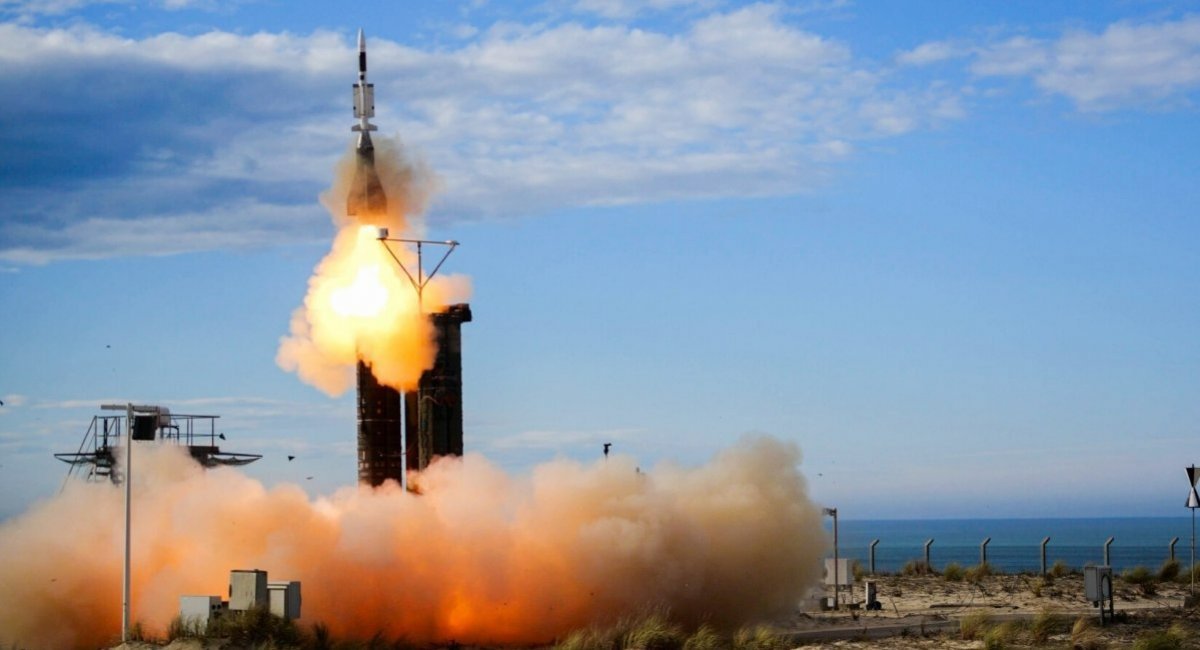
The entry into service of the first SAMP/T NG system with the Italian Armed Forces highlights the fact that the system is produced in two configurations. This distinction matters, as Ukraine was promised eight SAMP/T NG systems back in November last year, and the choice of variant could have a major operational impact.
Both the baseline SAMP/T and its upgraded SAMP/T NG version are produced by Italy and France through the joint venture Eurosam. Each country has placed orders for the latest SAMP/T NG systems, with France planning to receive 12 units and Italy 10.
Read more: Patriot, David's Sling, or SAMP/T: What Can €1 Billion Buy Against Iskander-M, Kinzhal Missiles?
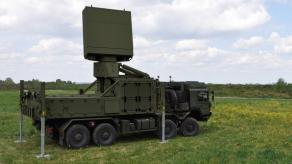
However, the two countries opted for different configurations of the system. Beyond minor differences in chassis and vehicle layout, the most critical distinction lies in the radar. The French version is equipped with the Thales Ground Fire 300 radar, while Italy selected the Kronos GM HP radar developed by Leonardo.
Both radars are AESA systems built using GaN technology, but their performance characteristics differ substantially. The Ground Fire 300 operates in the S-band (2–4 GHz, wavelength 15–7.5 cm), whereas the Kronos GM HP operates in the C-band (4–8 GHz, wavelength 7.5–3.75 cm).
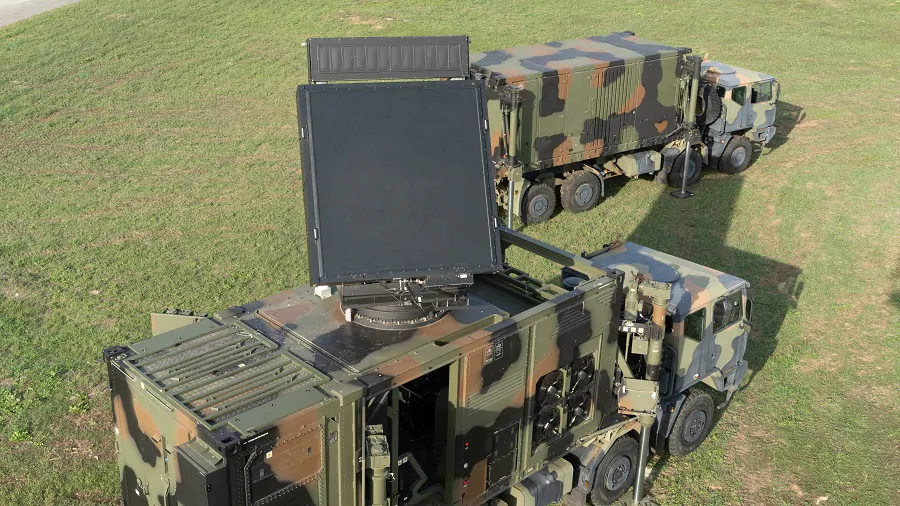
Higher-frequency radars generally provide better accuracy and resolution, allowing them to detect smaller targets. However, this advantage comes at the cost of reduced detection range, as shorter wavelengths attenuate more quickly in the atmosphere and are more sensitive to weather conditions.
According to available specifications, the Italian Kronos GM HP has a shorter detection range than the French Ground Fire 300, approximately 300 km versus 400 km. In addition, the Italian radar can track up to 500 targets simultaneously, compared to as many as 1,000 targets for the French variant.
In practical terms, the Italian Kronos GM HP offers higher precision but with a detection range reduced by 100 km and half the number of simultaneously tracked targets. The French Ground Fire 300, by contrast, is slightly less precise but provides longer range and significantly greater multi-target tracking capacity.
Another important difference between the two SAMP/T NG variants lies in the composition of the fire unit. Using the standard SAMP/T as a reference, which is expected to be similar to the NG configuration, the French SAMP/T NG is likely to include six launchers per battery, while the Italian version is expected to have four.
For Ukraine, the French variant equipped with the Ground Fire 300 radar appears to be the more suitable option. In addition to having more launchers per battery, its radar can track up to 1,000 targets simultaneously, twice as many as the Italian counterpart.
This capability is especially important for Ukraine, as russia has already conducted massive, concentrated attacks on individual cities using hundreds of drones, cruise missiles, and ballistic missiles, with the total number of aerial threats in a single night exceeding 500.
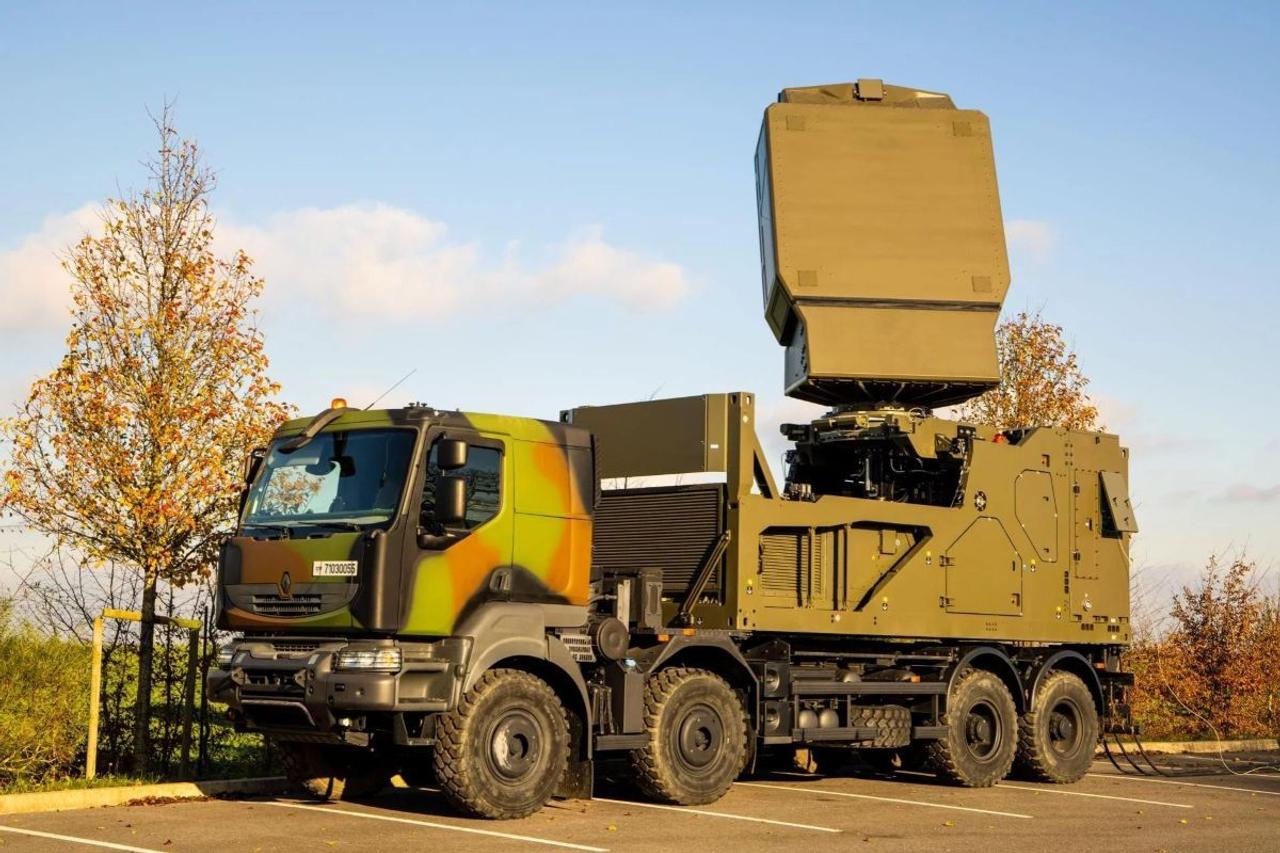
In the future, the number of air targets attacking simultaneously is likely to increase further, and the limitations of the Kronos GM HP could become a serious constraint. While these radars can prioritize targets by filtering out lower-threat objects such as drones, SAMP/T NG is primarily designed to intercept cruise and ballistic missiles.
Nevertheless, heavy airspace saturation significantly complicates system operation and increases the risk of some threats slipping through. The additional 100 km of detection range provided by the Ground Fire 300 would also ease the workload of SAMP/T NG crews by extending reaction time, particularly against ballistic missiles that could be detected almost immediately after launch.
At the same time, the difference in radar precision between the Ground Fire 300 and the Kronos GM HP is unlikely to have a decisive impact on overall system effectiveness. The Aster B1NT interceptors used by SAMP/T NG are equipped with active radar seekers, which guide the missile during the terminal phase of flight.
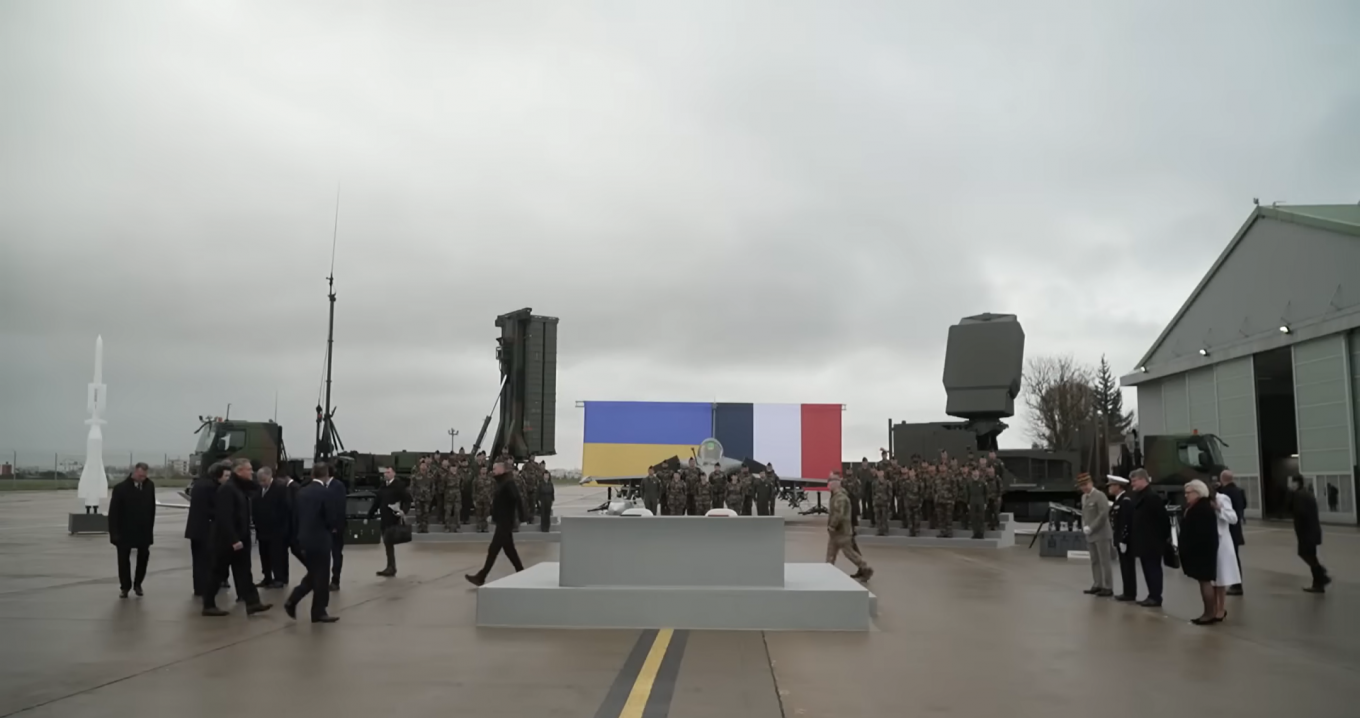
As for which variant Ukraine is most likely to receive, the French configuration equipped with the Ground Fire 300 radar appears to be the most probable. This was the version present at the signing ceremony of the agreement between France and Ukraine, when the commitment to supply eight SAMP/T NG systems was announced.
Read more: SAMP/T NG ADS Successfully Fire New Missiles Capable to Intercept russian Iskander and Kinzhal Missiles