


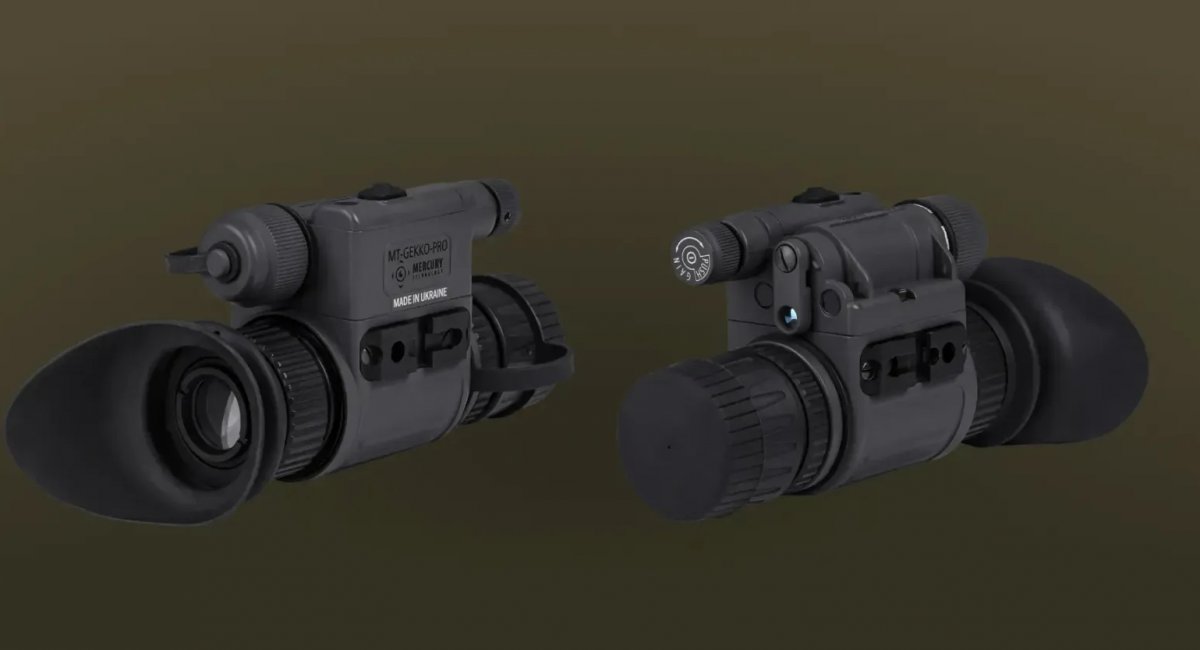
Ukraine's Ministry of Defense has formally approved the domestically produced MT-GEKKO-PRO-40 and MT-GEKKO-PRO-50 night-vision monoculars for operational use within the Armed Forces. The decision, announced on February 18, marks another step in Ukraine's effort to expand locally manufactured battlefield equipment and reduce reliance on foreign suppliers.
According to the ministry, both devices have already undergone combat testing and demonstrated durability under demanding frontline conditions. Officials state that the monoculars feature reinforced protection and are designed to withstand extreme mechanical stress, an important factor given the harsh realities of trench warfare and mobile operations.
Read more: Britain Can't Build Main Battle Tanks Where Vickers Factory Once Stood, Now It’s Housing, But Won't Consider Light Tanks on ASCOD Chassis Either
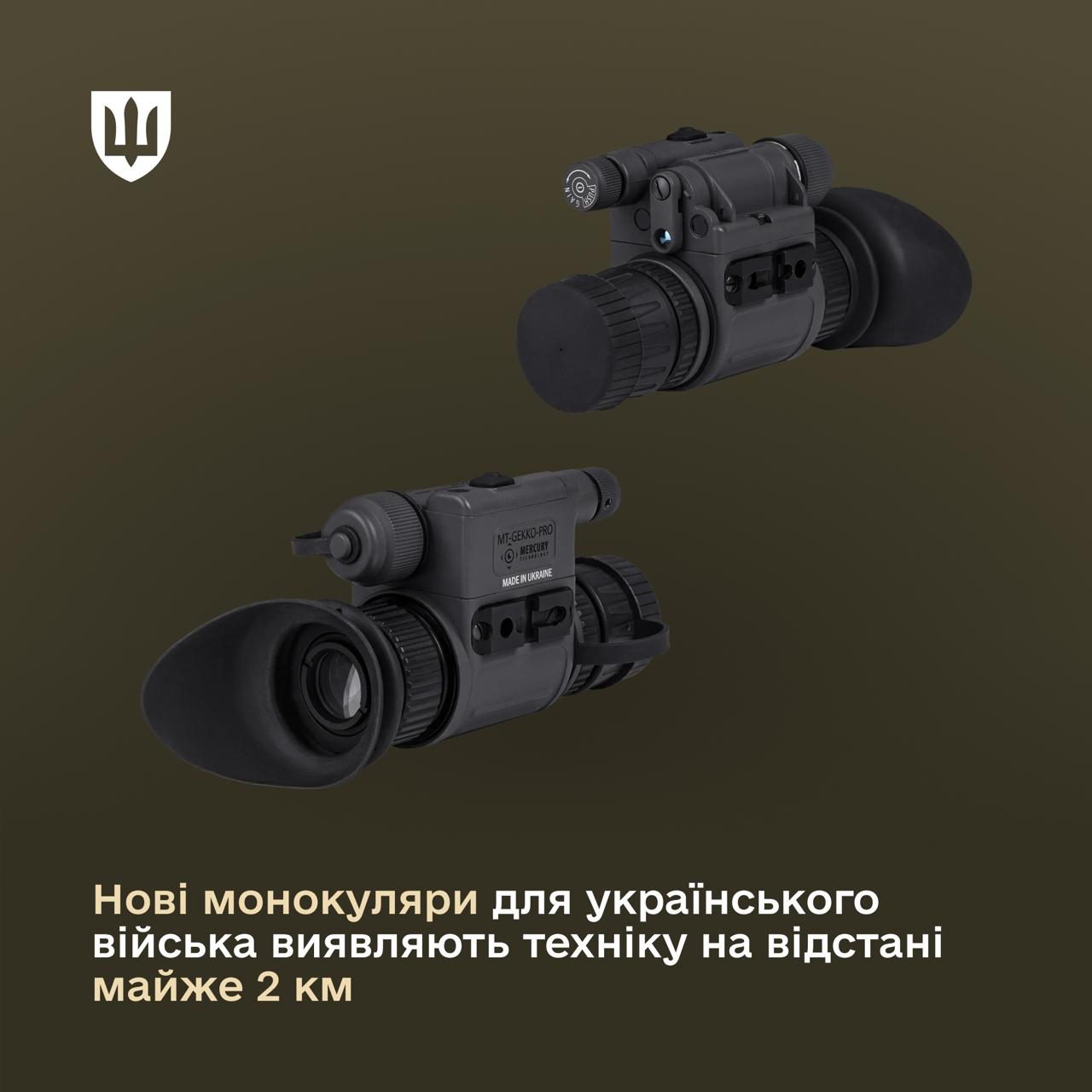
Developed in close cooperation between the manufacturer and Ukrainian service members, the MT-GEKKO-PRO series incorporates upgraded optics tailored to battlefield requirements. Depending on configuration, the systems reportedly allow detection of enemy personnel at distances exceeding 400 meters and vehicles at nearly 2,000 meters, performance figures that place them within the range expected of modern military-grade night-vision devices.
Beyond target detection, the monoculars are intended to support a broad range of tasks. They can assist troops in navigating terrain at night, conducting maintenance on vehicles and equipment, providing medical aid to wounded personnel, reading maps, and operating vehicles in low-visibility environments. Such versatility is particularly valuable in a conflict where nighttime activity plays a critical role in both offensive and defensive operations.
The mounting flexibility of MT-GEKKO-PRO-40 and -50 monoculars is another notable feature. The devices can be handheld or mounted on helmets and weapons, allowing users to adapt them to different mission profiles. This modularity aligns with broader trends in modern infantry equipment, where multi-role adaptability is increasingly prioritized.
Cost is also a significant factor. The Ministry of Defense emphasized that the Ukrainian-made monoculars are, in most cases, cheaper than foreign equivalents. In the context of a protracted war that demands sustained procurement volumes, affordability combined with domestic production capacity offers strategic advantages.
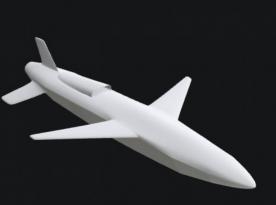
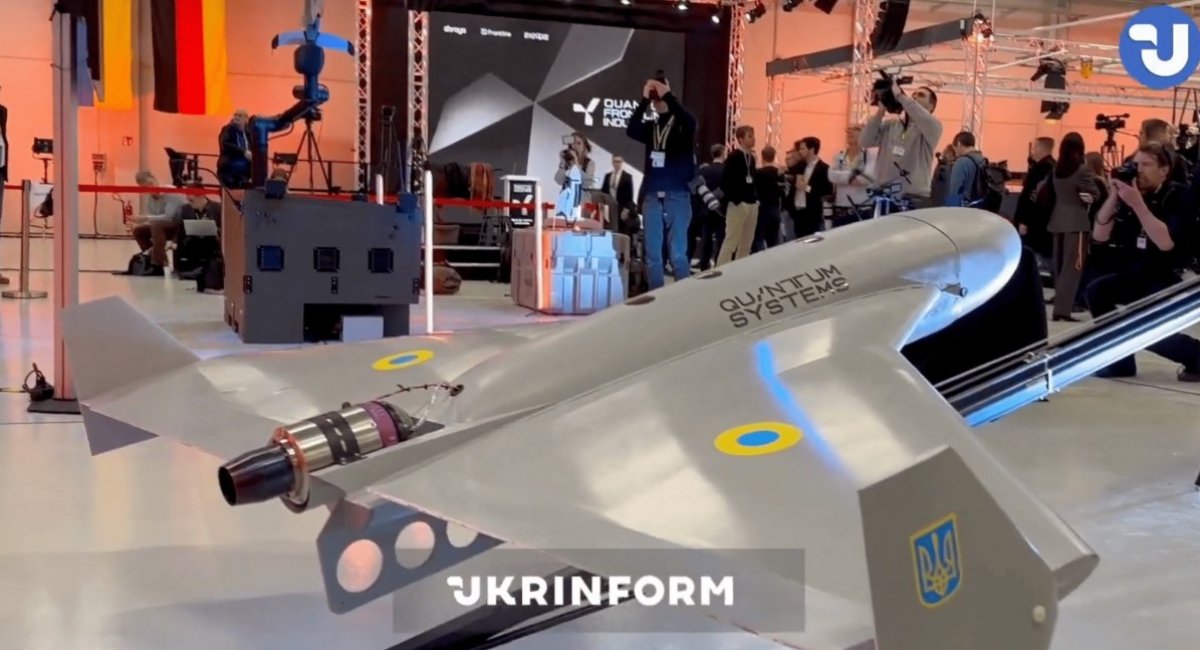
As Defense Express previously reported, German drone manufacturer Quantum Systems used the stage of the Munich Security Conference, held from February 16-18, to publicly unveil its new RAT (Red Air Target) drone for the first time.
Developed in cooperation with Airbus Defence and Space, the jet-powered target drone was reportedly designed and flown in just six weeks from initial concept to maiden flight, an unusually compressed development timeline in the aerospace sector.
Read more: Six Weeks from Concept to Flight: Quantum Systems and Airbus Unveil RAT Jet Drone