


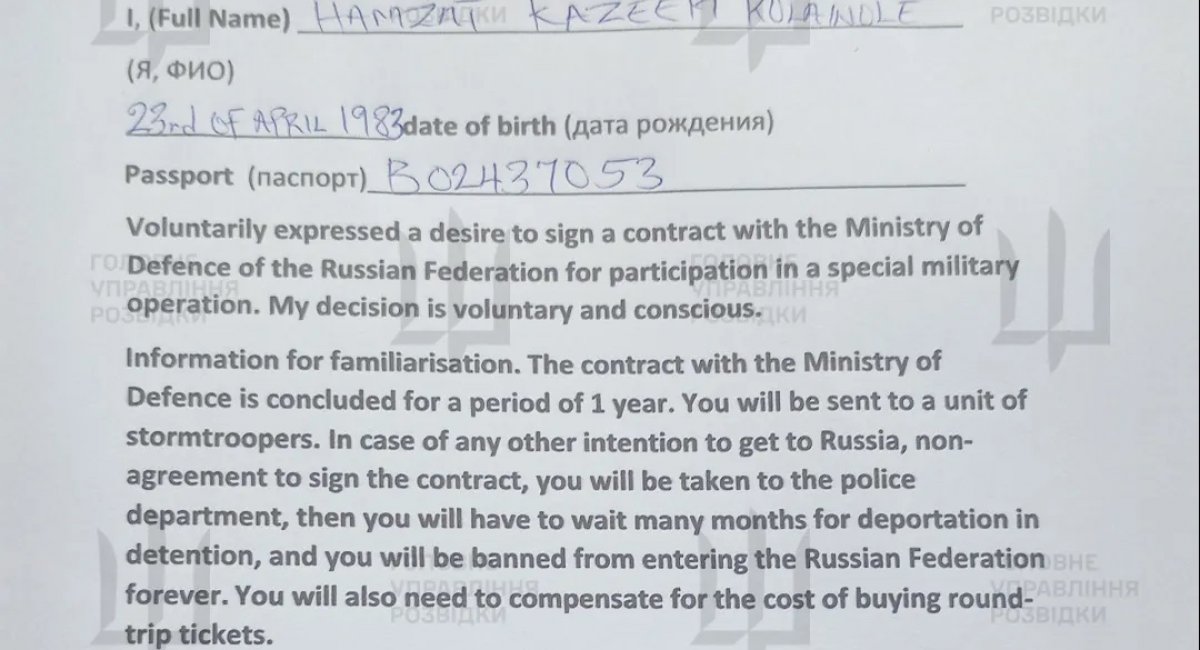
Ukraine's Defense Intelligence has reported the discovery of the bodies of two Nigerian nationals in Luhansk region, identifying them as Hamzat Kazeen Kolawole (born April 3, 1983) and Mbah Stephen Udoka (born January 7, 1988). The announcement was made on February 12, shedding light on the continued involvement of foreign citizens in russia's war effort.
According to the report, both men were serving in the 423rd Guards Motor Rifle Regiment (military unit 91701) of the 4th Guards Tank Kantemirovskaya Division of the Armed Forces of russia. This unit has been active in combat operations in the east of Ukraine and forms part of russia's conventional ground forces deployed along key frontline sectors.
Read more: Night Launch of Ukrainian FP-5 Flamingo Cruise Missiles Caught on Video
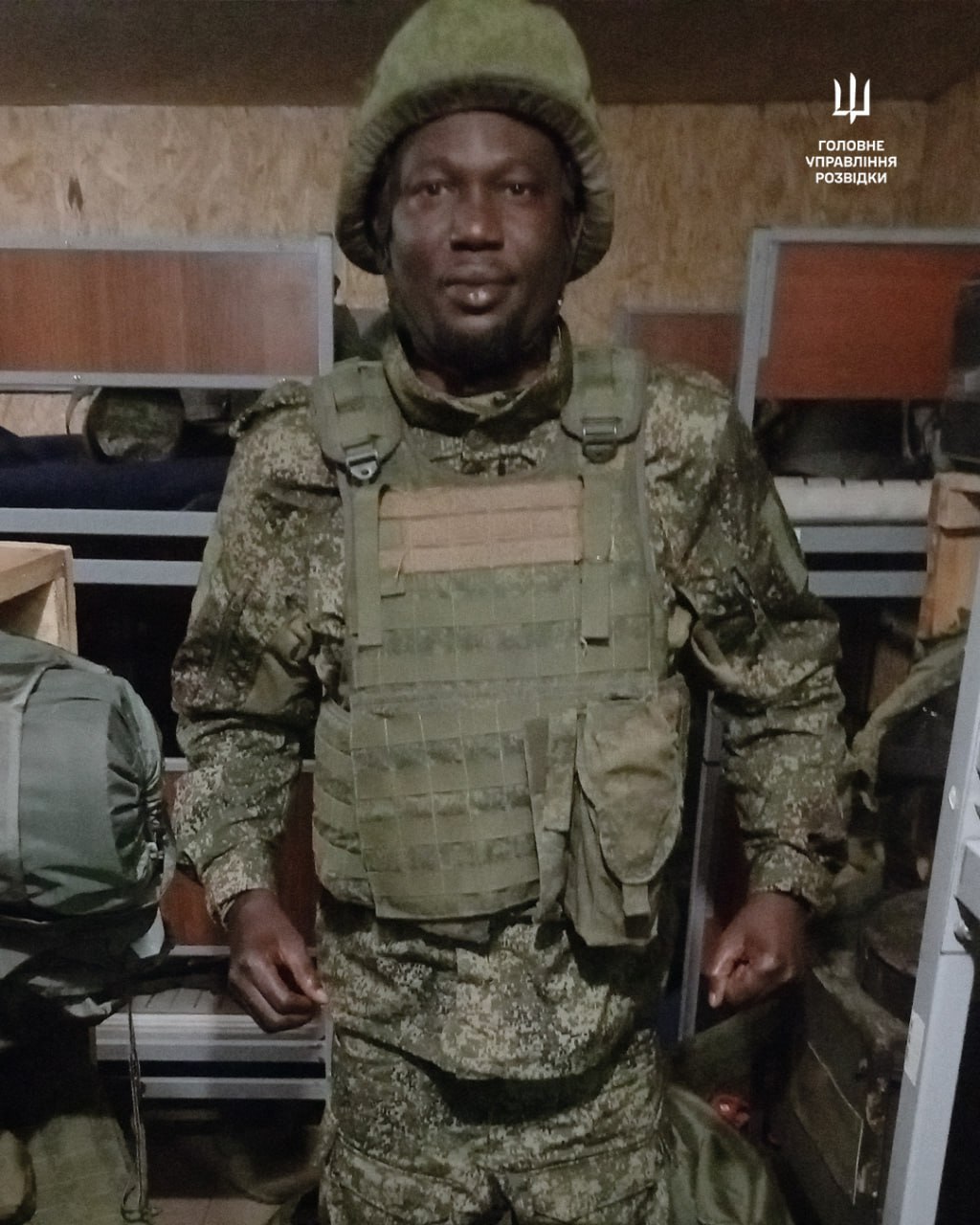
Ukrainian intelligence states that both Nigerians signed contracts with the russian military in the second half of 2025. Kalawole reportedly enlisted on August 29, while Udoka signed his contract on September 28. The timeline presented suggests a rapid transition from recruitment to frontline deployment.
In Udoka's case, Ukrainian officials claim he underwent virtually no military training. Just five days after signing his contract, on October 3, he was formally assigned to his unit and sent to temporarily occupied territories of Ukraine the same day. Documentation regarding Kalawole's training has not been preserved, but Ukrainian intelligence assesses it is highly likely that he also received little to no formal preparation.
Both men were killed in late November during an attempted assault on Ukrainian positions in Luhansk region. According to the report, they did not engage in a direct small-arms firefight. Instead, they were reportedly eliminated by Ukrainian drone strike before reaching Ukrainian defensive lines, underscoring the central role of unmanned systems in current frontline engagements.
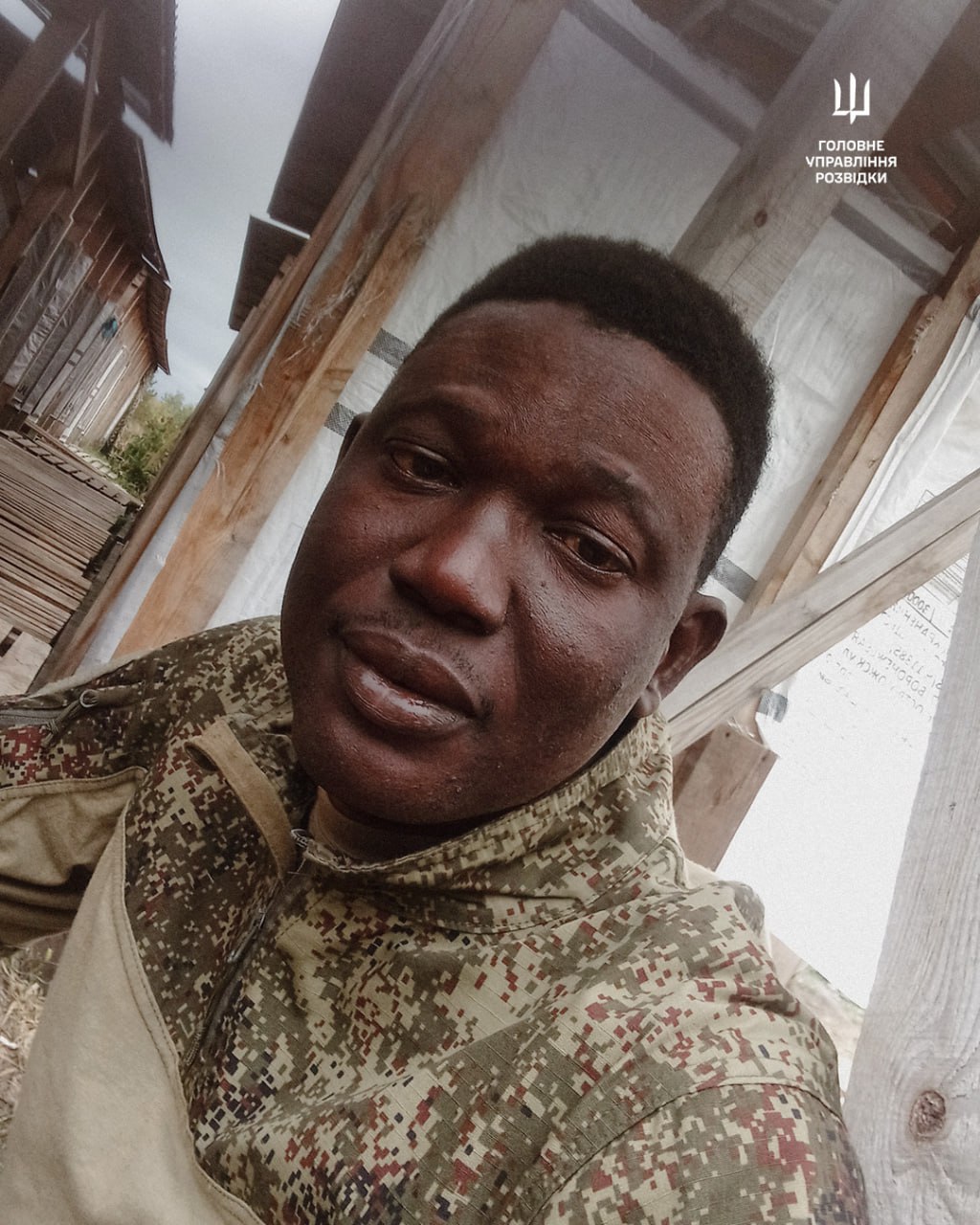
Ukrainian intelligence used the incident to issue a warning to foreign nationals against traveling to russia for employment or military service. Officials cautioned that such contracts may result in rapid deployment to frontline assault roles with minimal training and extremely high casualty risk.
Beyond the individual tragedy of the two Nigerian citizens, one of whom reportedly left behind a wife and three children, the episode illustrates the international dimension of russia's manpower strategy and the lethal realities of frontline operations in eastern Ukraine, where drone warfare increasingly determines the outcome of assault attempts.

Read more: UK Defense Intelligence: russia Traps Ukrainian Children with Passport Law in Temporarily Occupied Territories