


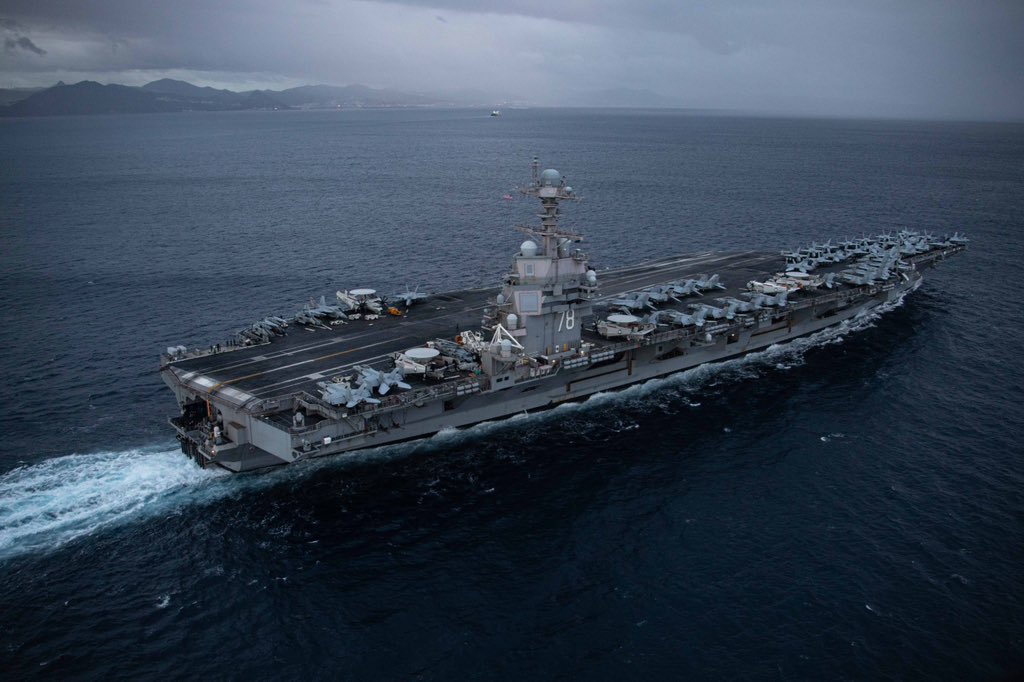
It is not difficult to find signs that the U.S. is preparing to strike Iran. After all, the U.S. Air Force already has hundreds of tactical aircraft at air bases in the region, and the fleet continues to expand daily. Currently stationed in the Arabian Sea, the USS Abraham Lincoln (CVN‑72) carrier strike group is to be reinforced by a second group, led by the newest U.S. carrier, USS Gerald R. Ford (CVN‑78).
Read more: Türkiye to Begin Serial Production of New Tayfun Block 4 Hypersonic Missile with Potential Range of 3,000 km
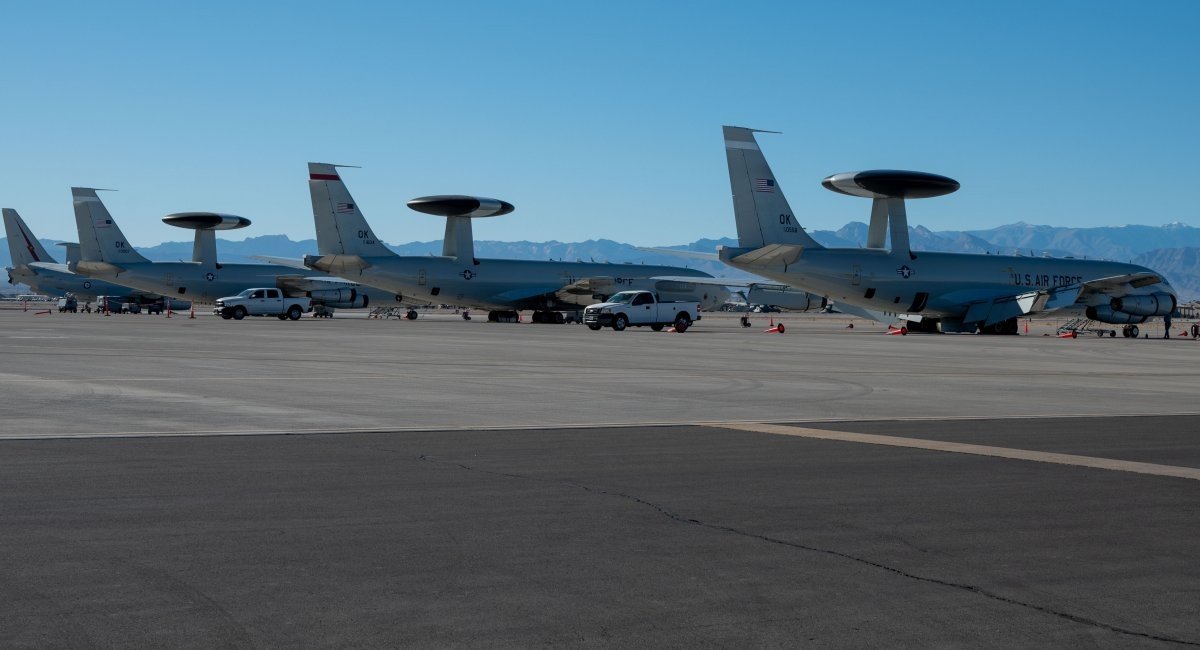
Against this backdrop, there is another indicator that clearly suggests that a strike on Iran is imminent. This is the concentration of AWACS E-3 Sentry airborne early warning and control aircraft . According to TWZ, six such aircraft are currently heading towards Iran.
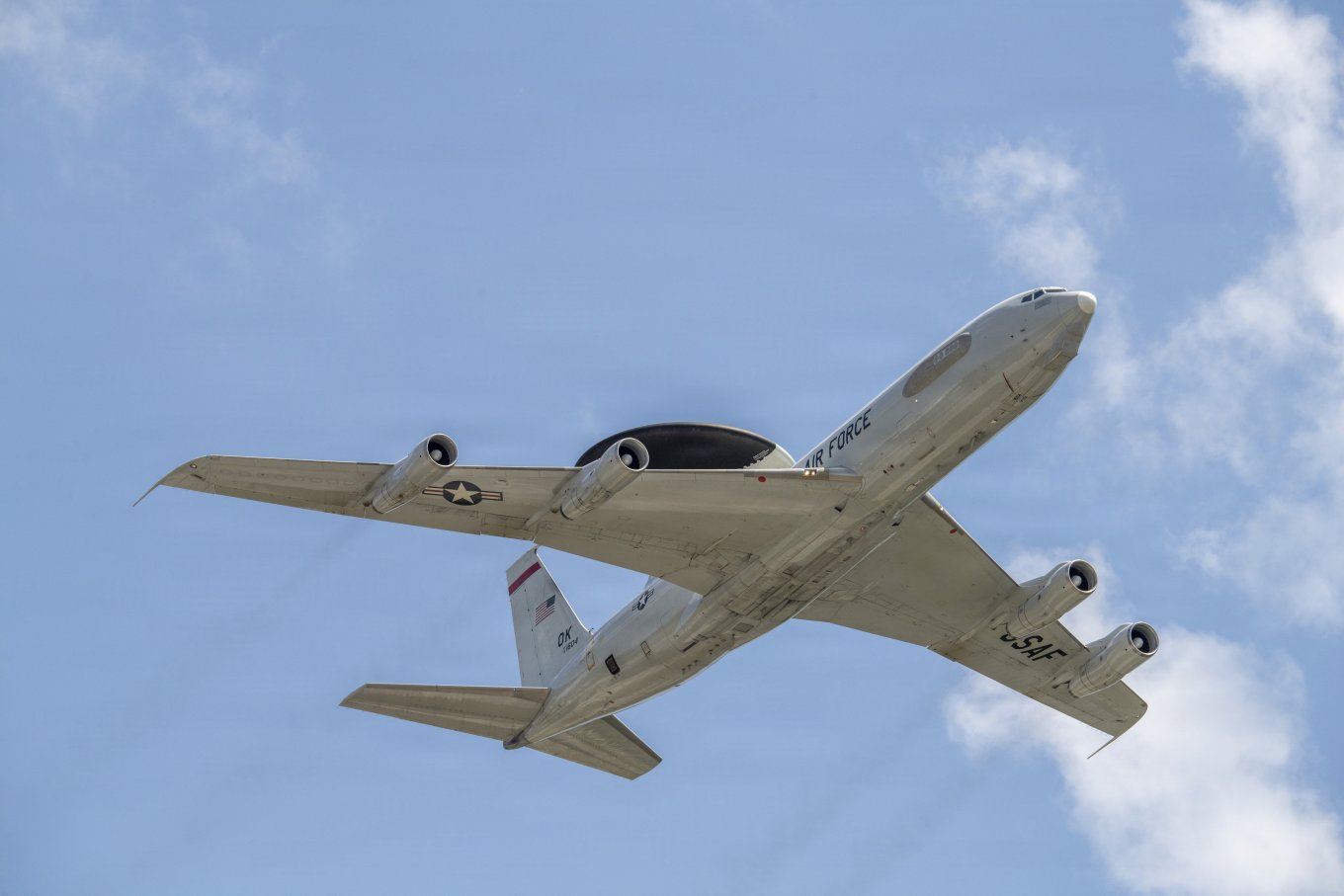
At first glance, it may seem that this is a rather insignificant number. However, the fact is that there are only 16 of them in the U.S., which represents 37% of the total fleet. Considering their known combat readiness, approximately half of the 16 aircraft, or 55.68%, can be expected to be mission-ready at any time.
In other words, six of the approximately eight combat-ready E‑3 Sentry AWACS, or 75%, are currently deployed. This factor is even more significant than the simultaneous deployment of two aircraft carriers.
It should be noted that the U.S. Navy currently has 11 aircraft carriers in service. However, there are actually ten carriers, since the USS Nimitz (CVN‑68) has finished its final voyage and is set for decommissioning. In other words, 20% of the total aircraft carriers are involved, with five currently deployed, which represents 40% of all carriers at sea.
On behalf of Defense Express we would like to note that the concentration of the U.S. forces is currently significantly lower than it was before Operation Desert Storm against Iraq in 1991. At that time, the U.S. concentrated six of the 15 available aircraft carriers, or 40%, in the Red Sea and the Persian Gulf.
In addition, 18 of the 34 available E‑3 Sentry aircraft, or 52 percent of the total AWACS at that time, were deployed. They were joined by three similar aircraft assigned to NATO.
It is also worth noting the number of aircraft carriers and E‑3 Sentry aircraft before the start of the Second Iraq War in March 2003. At that time, five out of 12 aircraft carriers, or 41%, were deployed there. Due to the significantly lower threat from Iraq, only seven to eight of the 33 E‑3 Sentry aircraft, about 24%, were deployed, supplemented by several British AWACS aircraft.
Currently, U.S. forces include roughly 20% of all aircraft carriers and about 37.5% of the total E‑3 Sentry AWACS fleet deployed toward Iran.
From the Defense Express side, we urges you to join a fundraising for what is already working: One United Fundraiser: Fundraising by the Serhiy Prytula Charity Foundation for interceptor drones.

Read more: U.S. Reveals When Extremely Expensive LGM-35A Sentinel Will Reach Initial Operational Capability